
Landscaping
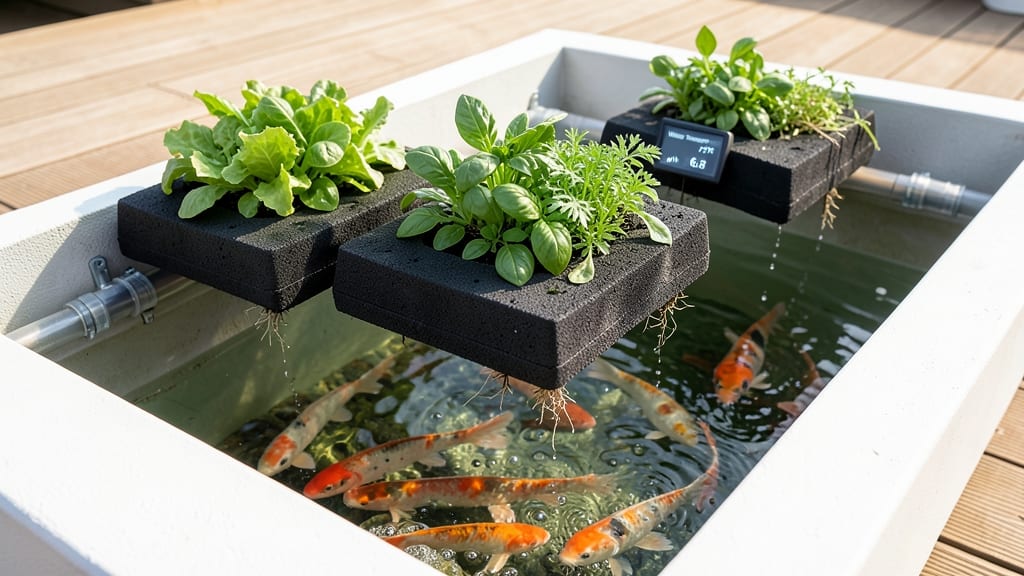
Maximize your garden’s potential with these 10 innovative veggie garden bed ideas designed to extend growing seasons, optimize space, and boost yields. Whether you’re a backyard gardener or urban farmer, these layouts adapt to any climate and skill level.
Square Foot Gardening Grid Layout
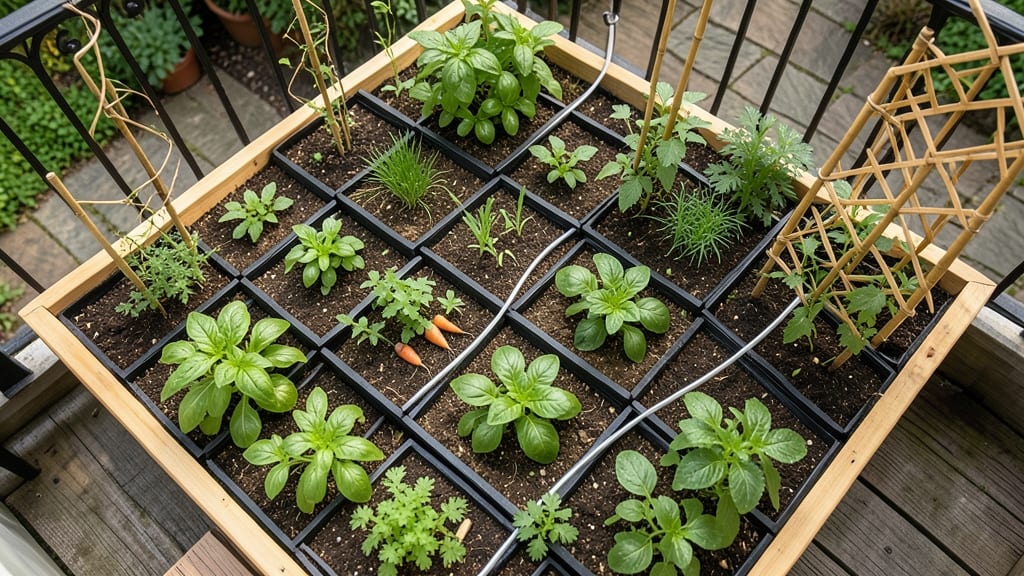
If you’ve ever struggled to fit your dream veggie garden into a tiny balcony or postage-stamp backyard, the square foot gardening grid layout is your game-changer. This method transforms even the smallest space into a high-yield, organized oasis by dividing beds into 1-foot squares, letting you plant exactly what you need—no wasted soil or overcrowding.
Start by framing a 4×4-foot bed (or any size) with wood or landscape fabric, then mark each square with labels or stakes. Use the Mel Bartholomew planting chart to determine how many plants of each type fit per square—like 16 radishes or 4 tomato plants—while accounting for their mature size. This system cuts water waste by targeting irrigation to specific squares and makes crop rotation effortless. Perfect for container gardens or raised beds, it’s also beginner-friendly since you’ll never overplant.
Urban gardeners and first-time growers will love how this layout eliminates guesswork, while seasoned gardeners appreciate its space-efficient precision. Try it this spring and watch your harvests thrive! 🌱
Keyhole Garden Bed Design
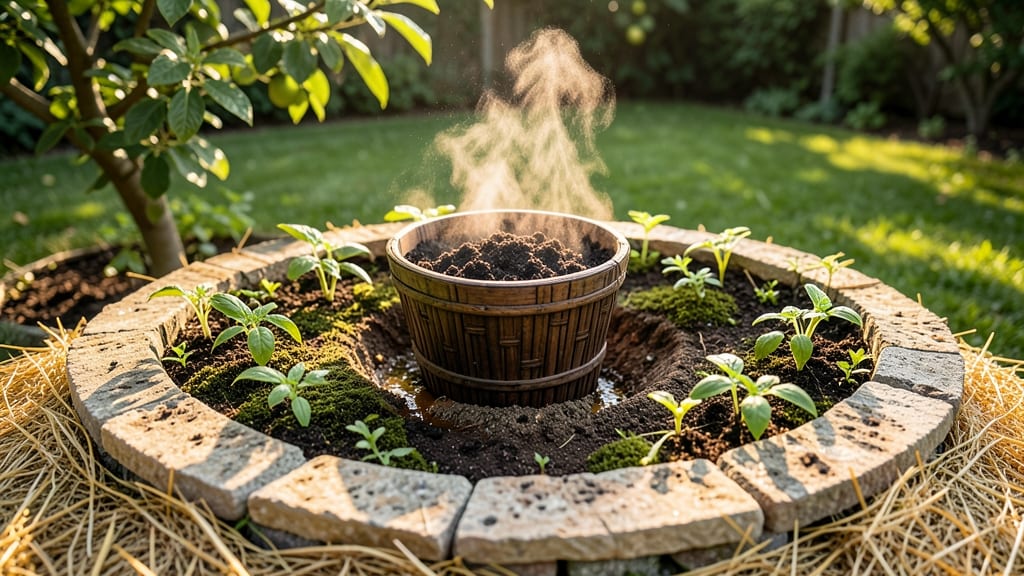
Tired of wasting compost and water in your garden? The keyhole garden bed solves both problems with a single, brilliant design—no more compost pile or hoses running dry. This circular bed features a central compost basket that feeds nutrients directly to your plants while reducing water waste by up to 50%.
To build one, start with a circular frame (wood, stone, or bricks) and a compost basket in the center. Fill the outer ring with moisture-retentive materials like straw or coconut coir, then plant drought-tolerant veggies like kale, carrots, or sunflowers around the edges. The compost basket stays buried, so it never dries out, and the design naturally channels water toward the roots.
Perfect for urban gardeners or those in dry climates, this bed thrives with minimal maintenance. Plus, the compost basket ensures nothing goes to waste—every scrap becomes plant food. 🌱
Hillside Terracing for Sloped Gardens
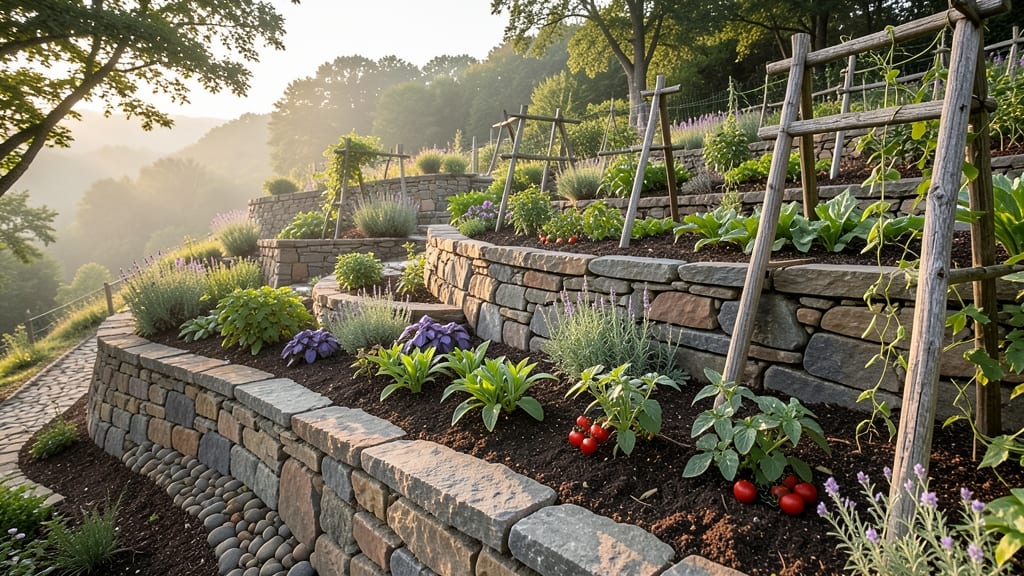
Turn a challenging hillside into a productive garden with hillside terracing—a game-changer for steep properties where flat planting space seems impossible. These stepped beds not only prevent soil erosion during heavy rains but also create level zones perfect for growing vegetables, herbs, and even small fruit bushes.
Start by marking even horizontal lines across the slope, then build retaining walls using stone, wood, or cinder blocks to support the terraces. Fill each level with a mix of native soil and compost, and plant drought-tolerant crops like thyme, peppers, or strawberries that thrive in well-drained conditions. The tiered design also captures water, reducing runoff and keeping roots hydrated.
This method is ideal for gardeners with limited flat space or those looking to transform a problematic slope into a lush, functional area. Plus, the rustic charm of terraced beds adds natural beauty to any landscape. 🌻
Raised Bed Spiral Herb Garden
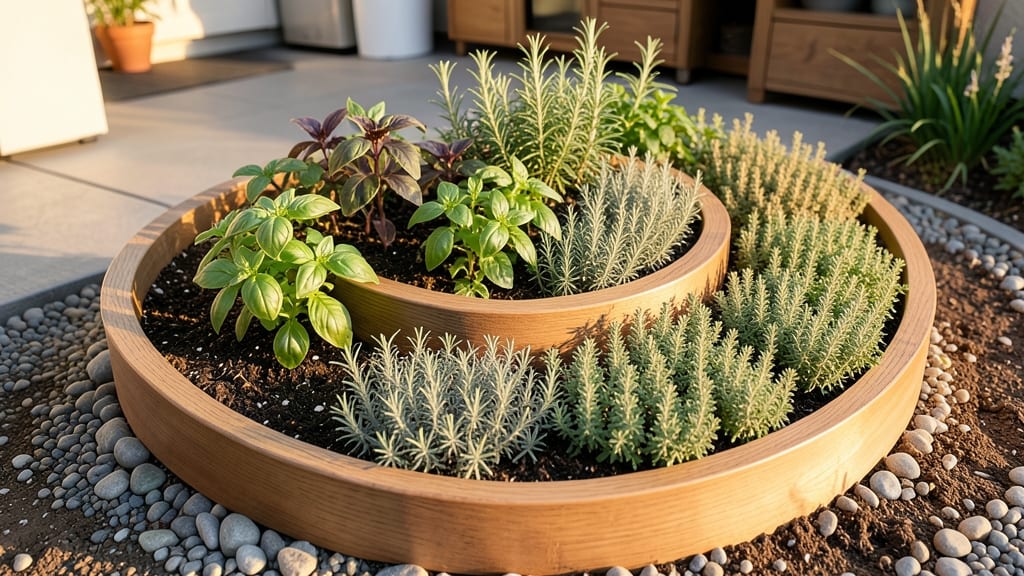
Turn your patio or kitchen garden into a fragrant, functional work of art with a raised bed spiral herb garden. This elegant design lets you grow sun-loving herbs like basil, rosemary, and thyme in a compact space while creating a stunning focal point that’s perfect for culinary enthusiasts and small-space gardeners alike.
The spiral shape ensures every plant gets optimal sun exposure—even in tight corners—by gradually increasing elevation from the center outward. Start with drought-tolerant herbs like lavender or oregano at the outer edges where they’ll receive the most light, then wind inward with moisture-loving plants like parsley or cilantro. Use a stone centerpiece to mark the spiral’s origin and add a rustic touch.
This layout is ideal for urban gardeners with limited square footage or anyone who wants to grow fresh herbs within arm’s reach of their kitchen. Plus, the spiral’s natural flow makes it a conversation starter while keeping your garden thriving. 🌿
Three Sisters Companion Planting
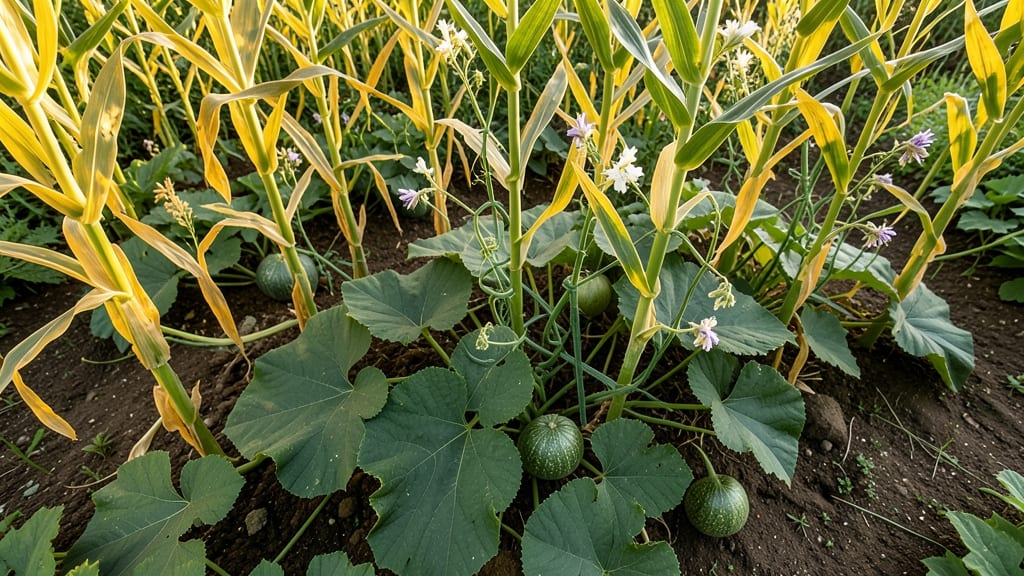
Looking for a time-tested gardening method that reduces pests, enriches soil, and produces bountiful harvests? The Three Sisters technique—corn, beans, and squash grown together—has been sustaining communities for centuries. This traditional approach leverages nature’s synergy to create a self-sufficient ecosystem.
Start by planting corn first as the tall support structure. Next, tuck pole beans at the base of the cornstalks, where they’ll climb while fixing nitrogen into the soil. Finally, spread summer squash or pumpkins around the perimeter to shade the soil, retain moisture, and deter weeds. The beans feed the corn, the squash protects the beans, and the corn provides shade for all three. This method thrives in full sun and well-draining soil, making it perfect for organic gardeners seeking sustainable yields.
This method is especially rewarding for those who value traditional growing practices or want to minimize chemical inputs. It’s also a fantastic way to teach kids about interdependent ecosystems while enjoying a triple harvest. 🌱
Vertical Pallet Garden Tower
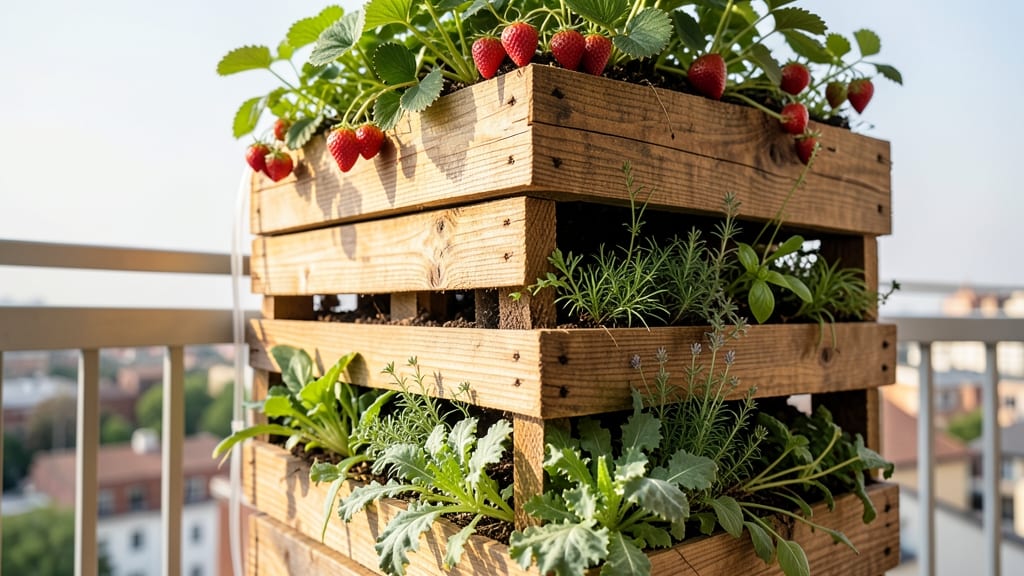
Turn that empty corner or balcony railing into a high-yield vertical garden with a vertical pallet garden tower—the ultimate space-saving hack for urban gardeners. This DIY-friendly design repurposes wooden pallets into a lush, cascading garden that produces strawberries, leafy greens, and herbs without sacrificing floor space.
Start by disassembling a pallet and stacking the slats vertically, leaving gaps between each layer for drainage and root growth. Fill the pockets with well-draining potting mix and plant shallow-rooted crops like lettuce, spinach, or cherry tomatoes in the upper tiers, while strawberries or trailing herbs thrive in the lower pockets. Secure the tower to a wall or fence, and ensure it gets at least 6 hours of sun daily for optimal growth.
This system is perfect for renters, balcony dwellers, or anyone with limited ground space. Plus, the rustic charm of repurposed wood adds a unique aesthetic to any urban garden. 🌱
Cold Frame Extender Beds
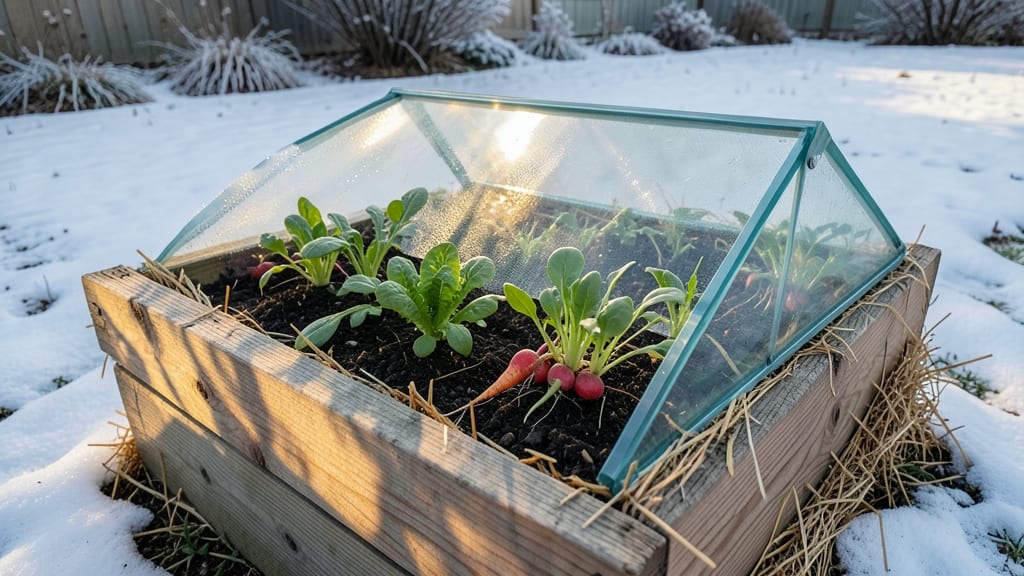
Want to harvest fresh greens and root vegetables when your neighbors are still shoveling snow? A cold frame extender bed turns your garden into a mini greenhouse, shielding delicate crops from late frosts and early chills. These simple structures—often just a clear plastic or glass lid over a raised bed—can push your growing season by 4-6 weeks in cooler zones.
Start by selecting a south-facing bed to maximize sunlight exposure. Use 1/4-inch hardware cloth at the bottom to deter burrowing pests while allowing airflow. Plant cold-hardy crops like spinach, kale, radishes, and peas in early spring or late fall, then secure a clear polycarbonate lid (or even a repurposed window) with bricks or weights. Ventilate on warm days to prevent overheating—just prop the lid open slightly.
This low-cost solution is perfect for urban gardeners with limited space or first-time growers eager to extend their harvest. With minimal setup, you’ll enjoy year-round greens even in Zone 5 or colder. 🌱
Underground Potato Trenches
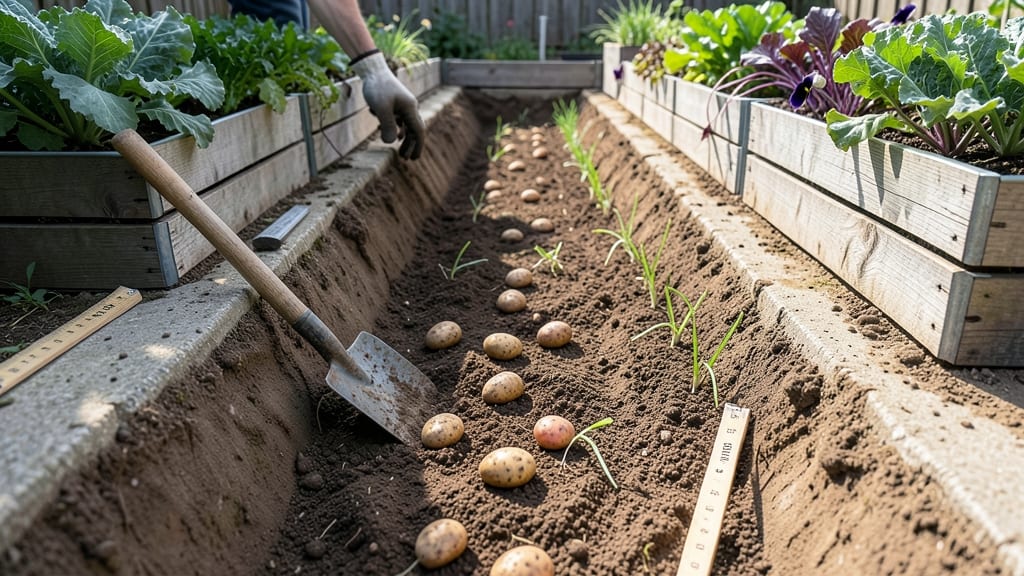
Tired of surface-level garden beds hogging your outdoor space? Underground potato trenches tuck your root crops out of sight while maximizing square footage—ideal for urban gardeners with limited real estate.
Dig a 12-inch-deep trench (3 feet long for potatoes, 6+ inches deep for carrots/beets) and fill it with loose, well-draining soil mixed with compost. Plant seeds directly into the trench, then cover with straw mulch to retain moisture and deter pests. This method keeps foliage hidden while protecting tubers from cutworms and flea beetles, which struggle to reach buried crops. Perfect for growing Yukon Gold potatoes or Detroit Dark Red beets in tight spaces.
Urban gardeners and small-space enthusiasts will love how these trenches blend into landscapes while doubling harvest potential in the same footprint. Plus, the mystery of digging up hidden treasures makes harvest day even more rewarding! 🌱
Intercropping Staggered Rows
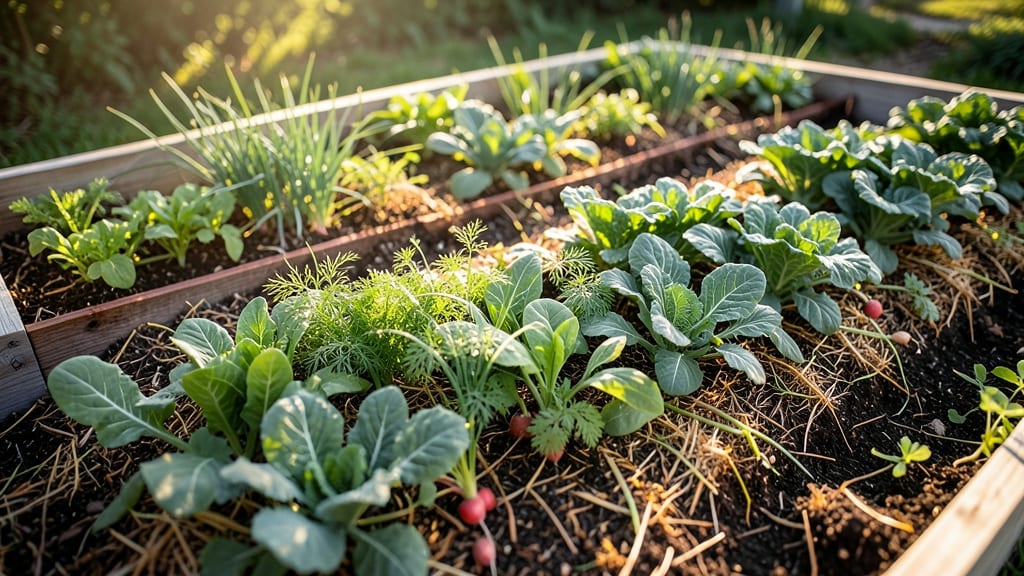
Want to squeeze every inch of growing space into your veggie garden without sacrificing sunlight or yield? Intercropping staggered rows lets you plant multiple crops in the same bed by staggering their rows—think of it like a layered lasagna of greens, roots, and legumes. This method is a game-changer for small plots, urban gardeners, or anyone craving maximum harvests from minimal square footage.
Start by planting your tallest crops (like bush beans) in the center row, then weave shorter plants (such as lettuce or radishes) around them in overlapping rows. The key is spacing: leave just 6–12 inches between plants, depending on their mature size, and stagger rows by 18 inches to ensure sunlight reaches all leaves. This technique works best with fast-growing crops that mature at different times, creating a continuous harvest.
Urban gardeners and beginners will love how this method reduces wasted space while keeping the garden tidy and productive. Plus, the diversity of plants naturally deters pests—no need for extra sprays! 🌱
Aquaponic Floating Raft System

Turn your limited space into a year-round harvest with an aquaponic floating raft system—where fish and plants grow together in perfect harmony. This high-tech, low-maintenance method eliminates soil entirely, using nutrient-rich water from fish tanks to feed leafy greens like lettuce, basil, and watercress while the plants naturally filter the water for the fish.
Start with a simple setup: a 55-gallon fish tank (tilapia or goldfish work well) connected to a shallow growing bed where floating rafts hold your plants. Add a small water pump to circulate the water, and you’ll enjoy fresh herbs and greens 12 months a year, even in apartments or balconies. The system thrives with 6-8 hours of light daily—natural sunlight or LED grow lights work perfectly.
This is the ultimate solution for tech-savvy urban gardeners who want to grow more with less space and effort. Plus, the fish provide a bonus protein source! 💡