
Tools
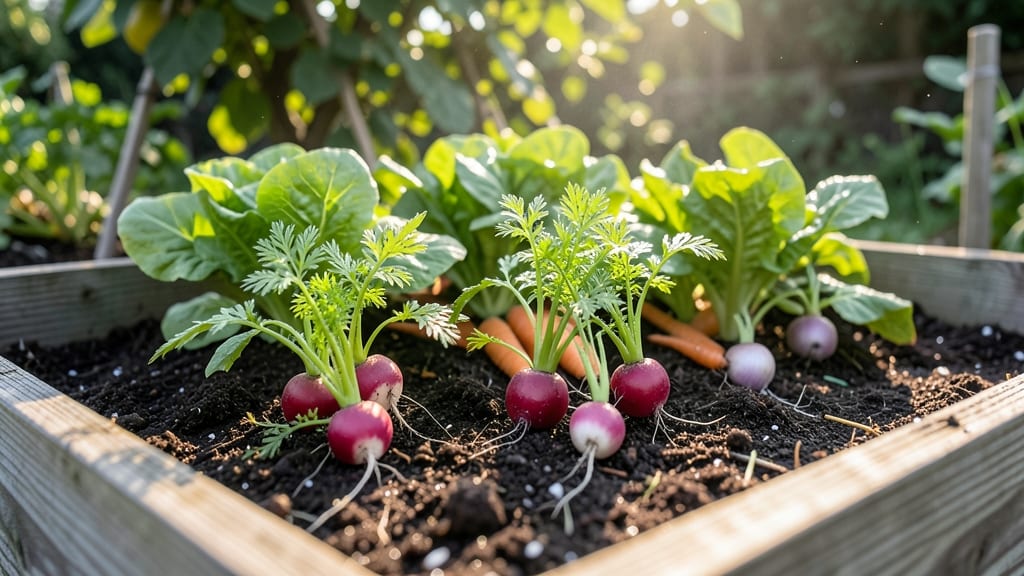
Maximize your small urban space with these 10 creative vegetable garden bed layouts designed to fit balconies, patios, and tiny yards. Whether you have limited square footage or want to grow more efficiently, these space-saving designs prove you don’t need acres to harvest big rewards.
Vertical Tower Garden Layout
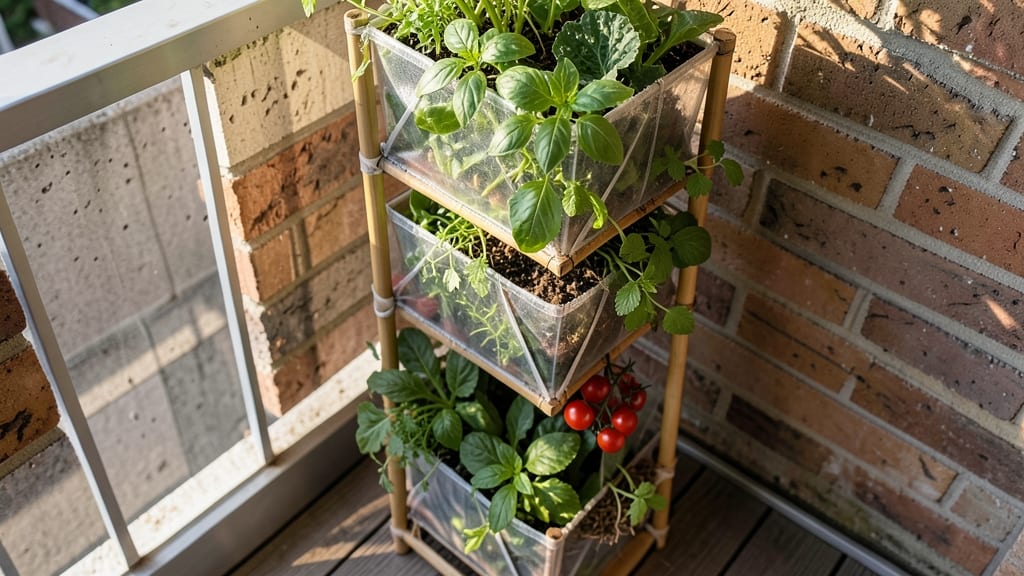
Turn your balcony or wall into a lush, high-yield garden with a vertical tower layout—the ultimate space-saver for urban growers. This design crams leafy greens, herbs, and cherry tomatoes into stacked pockets, reclaiming 90% of floor space while ensuring every plant gets its fair share of sunlight.
Most towers feature 12-24 individual pockets, each holding 1-2 plants, allowing you to grow a surprising variety in a footprint smaller than a microwave. Place taller plants like tomatoes at the bottom and lighter greens like basil or lettuce toward the top to optimize light exposure. Watering is efficient too—just water the top, and the design wicks moisture downward.
Perfect for renters, small apartments, or anyone craving fresh produce without sacrificing square footage, this layout turns unused vertical space into a thriving edible garden. 🌱
Square Foot Gardening Grid
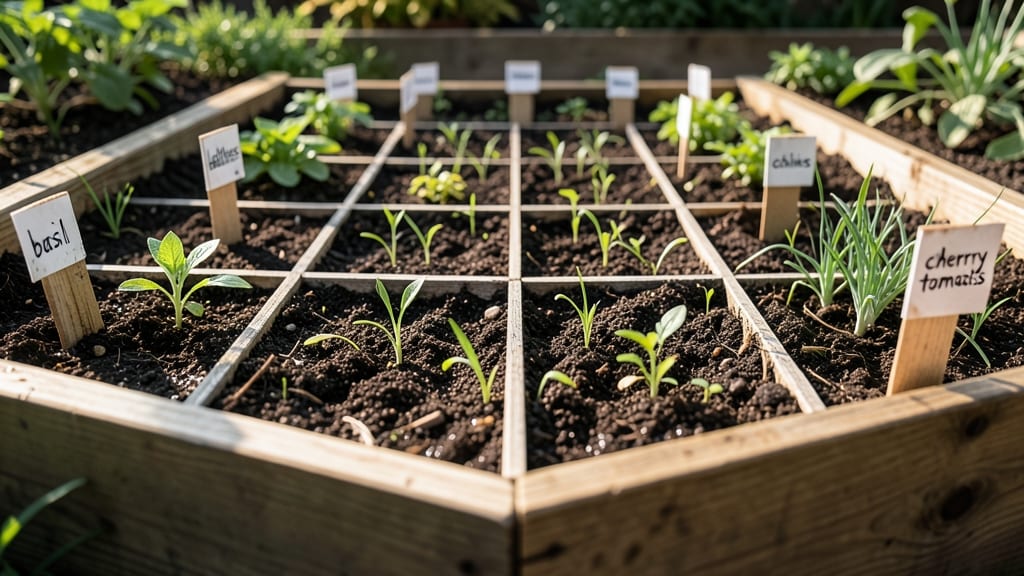
If you’ve ever felt overwhelmed by sprawling garden beds or unsure where to start, the square foot gardening grid turns confusion into clarity. This 4x4-foot system divides your space into 16 labeled squares—each just one square foot—so you can plant a different crop in every section without crowding.
Use a planting chart to assign high-yield vegetables like 16 radishes, 4 onions, or 1 tomato plant per square, based on their mature size. The grid eliminates guesswork about spacing, reduces soil waste, and lets you rotate crops easily. Perfect for beginners, it’s also ideal for urban gardeners with limited room who want structure and efficiency.
With this method, you’ll enjoy a bountiful harvest from a tiny footprint—no more wasted space or overcrowded plants. 🌱
Raised Planter Box with Trellis
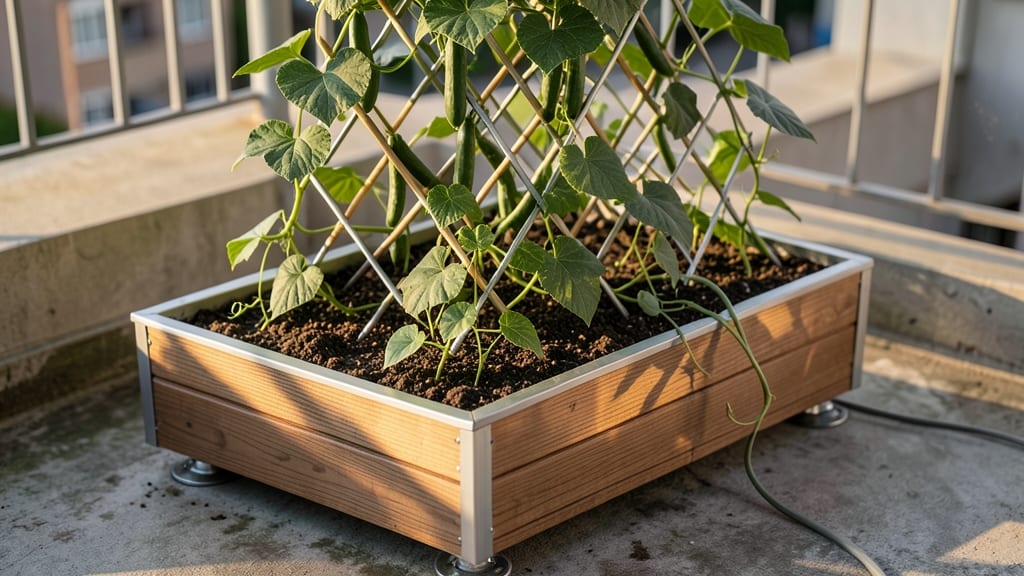
If you’ve ever dreamed of growing cucumbers or pole beans but lack the space or good soil, a raised planter box with trellis is your game-changer. This dual-purpose design lets you grow vertically and horizontally in one contained unit, making it perfect for decks, patios, or urban yards where soil quality is lacking.
Start by selecting a 4x8-foot box (or smaller) with a built-in trellis along one side. Plant fast-growing bush beans at the edges and train cucumber vines up the trellis to save floor space. The raised edges prevent soil erosion, while the trellis keeps vines off the ground, reducing disease risk. Fill with a mix of compost and potting soil to ensure roots thrive even in poor-quality ground.
This setup is ideal for small-space gardeners or those with limited mobility, as it minimizes bending and maximizes harvests. Plus, the contained soil means you control nutrients and moisture—no more struggling with compacted or nutrient-poor native soil. 🌱
Hanging Basket Herb Garden
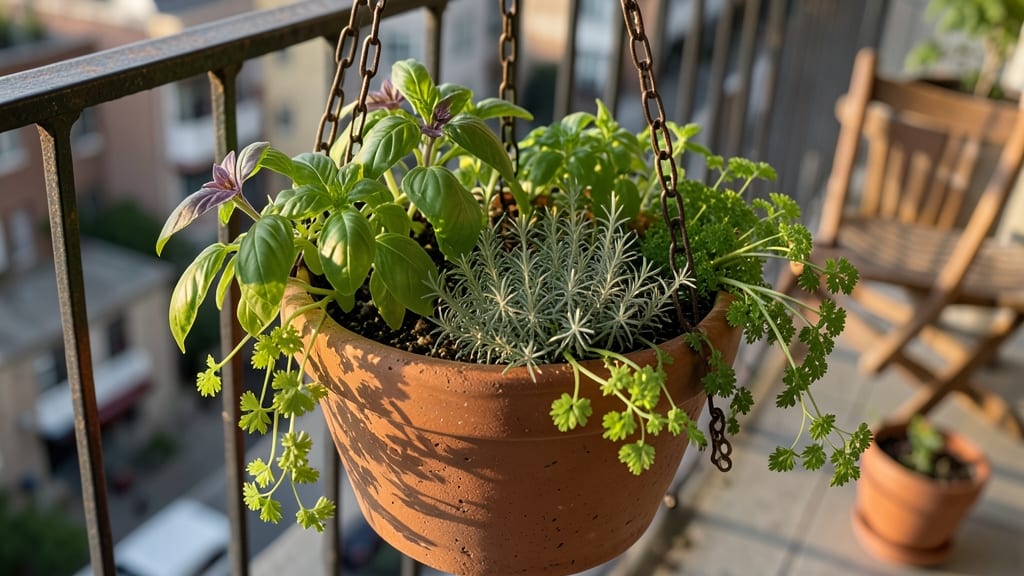
Turn even the smallest balcony or patio into a fragrant kitchen garden with a hanging basket herb garden. This space-saving solution lets you grow basil, thyme, and parsley within arm’s reach, perfect for culinary enthusiasts who crave fresh flavors but lack yard space.
Start with well-draining potting mix and choose baskets with drainage holes to prevent root rot. Plant herbs in clusters—basil and parsley thrive in full sun (6+ hours daily), while thyme tolerates partial shade. Water regularly, as hanging baskets dry out faster than ground beds, and fertilize lightly every 4-6 weeks. For extra yield, use self-watering baskets or add a drip irrigation line.
This layout is ideal for renters, urban dwellers, and anyone who wants to avoid bending over. Plus, the cascading greenery adds a lush, aromatic touch to any outdoor space. 🌿
Spiral Herb Garden Design
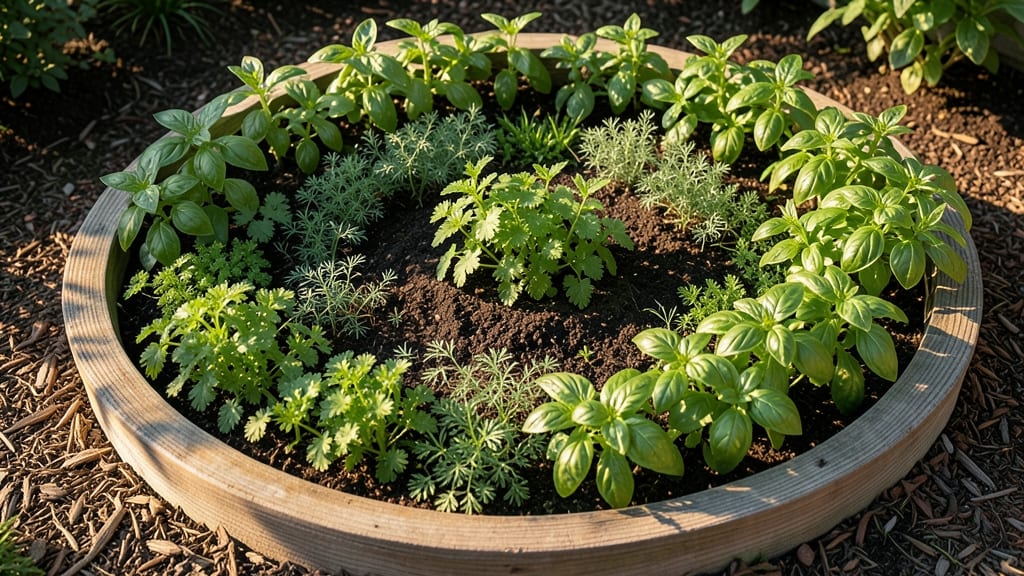
Tired of fighting for space between sun-loving basil and shade-tolerant parsley? A spiral herb garden solves this by creating a microclimate-friendly layout where every plant thrives in its ideal conditions—all in the same bed. This circular design lets you place moisture-loving plants near the center (where soil stays damp) and drought-resistant herbs like rosemary on the outer edges (where air circulates better).
The key is arranging plants in concentric rings based on their sunlight needs: start with a small centerpiece (like a stone or decorative pot), then spiral outward with sun-loving herbs (thyme, oregano) on the outer rings and shade-tolerant greens (lettuce, cilantro) closer in. The spiral shape also creates natural pathways for water and nutrients, reducing waste. Perfect for micro-spaces like patios or balcony corners, this design fits in just 3-4 feet of diameter.
Urban gardeners and small-space growers will love how this layout eliminates competition while keeping everything accessible—no more bending or reaching awkwardly. Plus, the organic curves make it a stunning centerpiece that blends beauty with function. 🌿
Container Stacking System
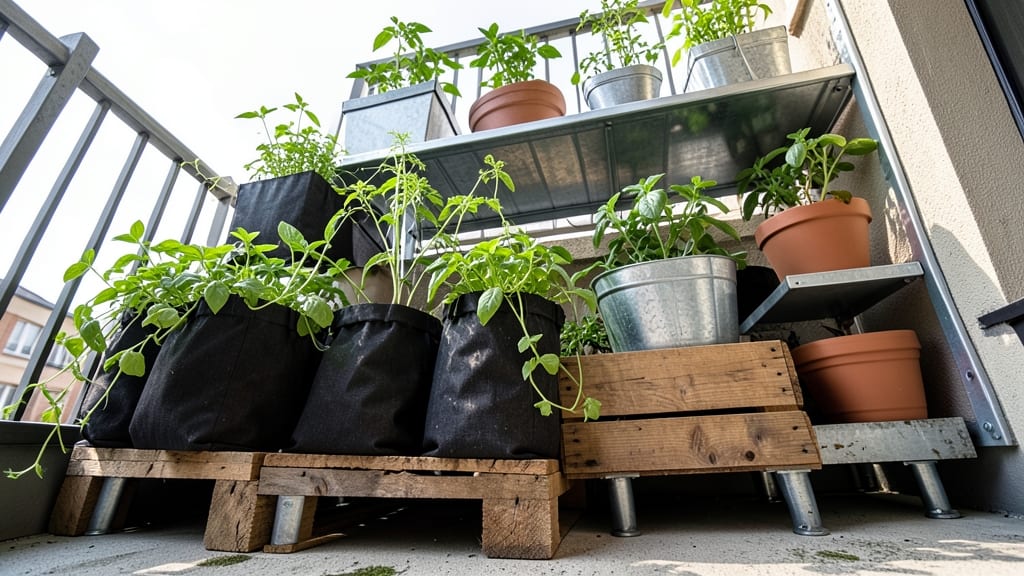
Tired of flat, space-wasting garden beds that don’t adapt to your needs? A container stacking system turns your patio or balcony into a customizable vertical garden—no permanent installation required. Simply stack pots, grow bags, or fabric containers on sturdy shelves, pallets, or even a DIY metal frame to create a modular system that grows with you.
Start with sun-loving plants like cherry tomatoes or peppers at the top, where they’ll get the most light, then layer in mid-height crops like basil or peppers, and finish with shade-tolerant herbs at the bottom. Use self-watering containers to reduce maintenance, and swap out plants seasonally—think spring lettuce, summer peppers, and fall kale. This system works perfectly on uneven surfaces or rentals, since you can disassemble and move it anytime.
Perfect for urban gardeners with limited space or those who love flexibility, this approach lets you experiment without commitment. Plus, the vertical design maximizes yield in tiny areas—ideal for balconies or small yards. 🌻
Keyhole Garden Bed
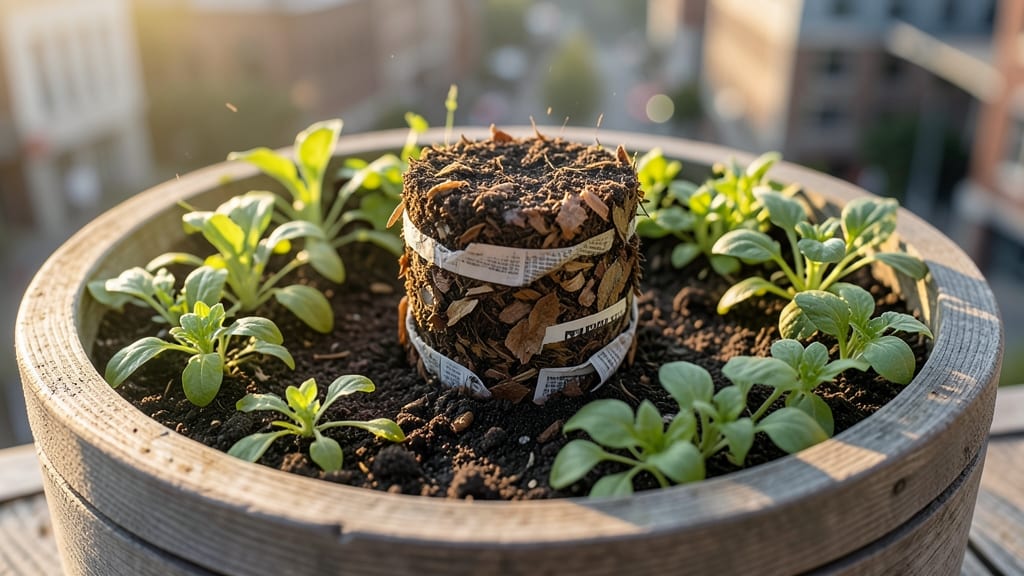
If you’ve ever struggled with soil fertility in small urban spaces or battled drought conditions that dry out your garden too quickly, a keyhole garden bed might be your game-changer. This circular design features a compost core at its center, acting as a self-watering, nutrient-rich hub that keeps plants thriving with minimal effort.
The keyhole’s compost basket (often made from chicken wire or mesh) sits in the middle, surrounded by a ring of drought-tolerant crops like kale, carrots, or onions. As you harvest, simply add more compost or kitchen scraps to the core—roots will naturally extend toward it, feeding your plants continuously without extra work. Water retention is another standout feature; the design channels moisture toward the compost, reducing evaporation and keeping roots hydrated for weeks.
Perfect for urban gardeners with poor soil, this layout is also beginner-friendly—no tilling or heavy tools required. Plus, its compact, circular shape fits snugly into corners or alongside fences, making it ideal for small yards, balconies, or community gardens. 💚
Window Box Vegetable Garden
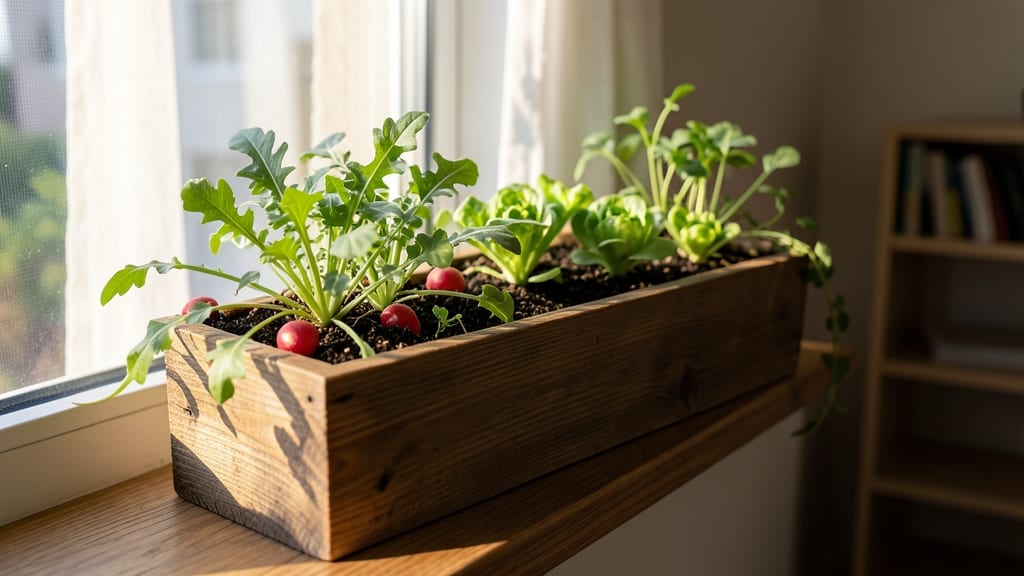
Skip the backyard and bring your garden indoors with a window box vegetable garden—the perfect solution for city dwellers with limited outdoor space. These shallow, elongated containers transform any sunny windowsill into a productive growing zone, ideal for fast-growing edibles like radishes, arugula, and microgreens that thrive in just 4-6 inches of soil.
Choose lightweight materials like cedar or plastic-lined boxes to avoid straining window frames, and ensure they’re at least 12 inches deep to accommodate root growth. Plant in succession every 2-3 weeks for a continuous harvest, and opt for dwarf varieties of lettuce or spinach to maximize yield. A south- or west-facing window ensures 6+ hours of sunlight, while self-watering trays keep roots consistently moist.
This layout is perfect for renters, small apartments, or anyone who wants fresh greens without the commitment of a full garden. Plus, the aesthetic appeal of edible window boxes adds charm to any urban home. 🌱
Pallet Wood Planter Layout
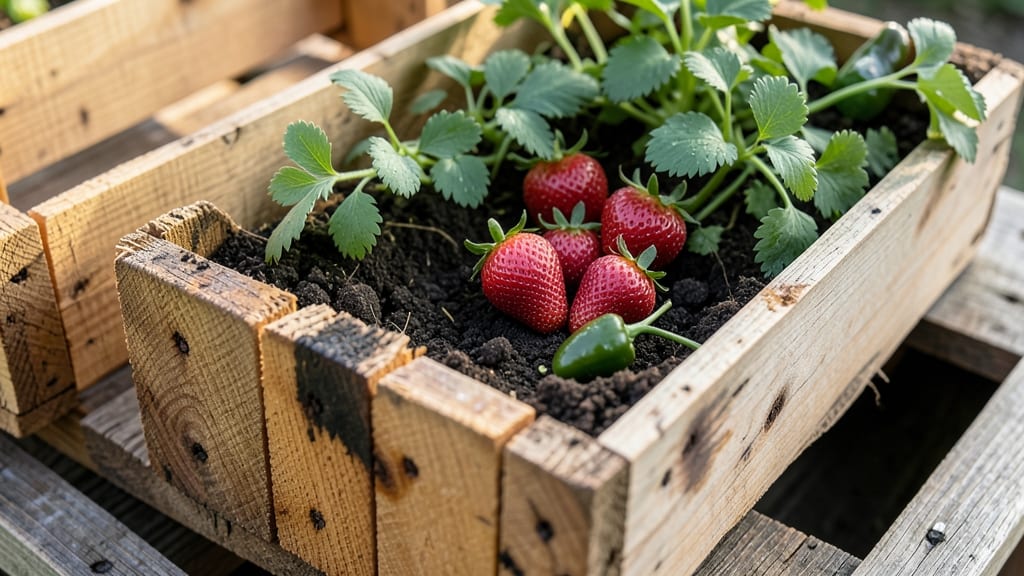
Turn a simple wooden pallet into a rustic, functional planter that breathes new life into small spaces. This zero-cost or low-cost solution transforms discarded materials into a charming home for strawberries, lettuce, and peppers, while adding a touch of industrial chic to your balcony or patio.
Start by sanding down the pallet to remove splinters, then line the bottom with landscape fabric to prevent weeds. Fill with a well-draining potting mix—avoid heavy garden soil—and plant shallow-rooted crops along the edges for easy access. For extra stability, secure the pallet to a wall or table using screws or brackets. This layout works best in partial to full sun, making it ideal for urban balconies where space is tight but sunlight is plentiful.
Perfect for budget-conscious gardeners or DIY enthusiasts, this planter layout turns waste into beauty while maximizing your growing potential. Plus, the customizable size means you can create everything from tiny tabletop gardens to full-length balcony planters. 🌻
Interplanting Companion Crops

Tired of staring at empty garden beds while waiting for slow-growing crops like carrots or onions to mature? Interplanting companion crops solves this by tucking fast growers—like radishes or lettuce—between them. This clever trick keeps your space productive year-round while naturally suppressing weeds and pests.
Plant radishes (ready in 30 days) alongside carrots (90-day harvest) to fill gaps left by slower growers. The radishes’ shallow roots won’t compete with carrots, and their quick growth deters weeds. You can also pair bush beans with lettuce—the beans’ nitrogen-fixing roots enrich the soil while the lettuce thrives in their shade. This method works especially well in small urban plots where every inch matters.
Perfect for beginners or space-challenged gardeners, interplanting turns "wasted" time into extra harvests. Try it this season and watch your yield soar! 🌱