
Companion Plants
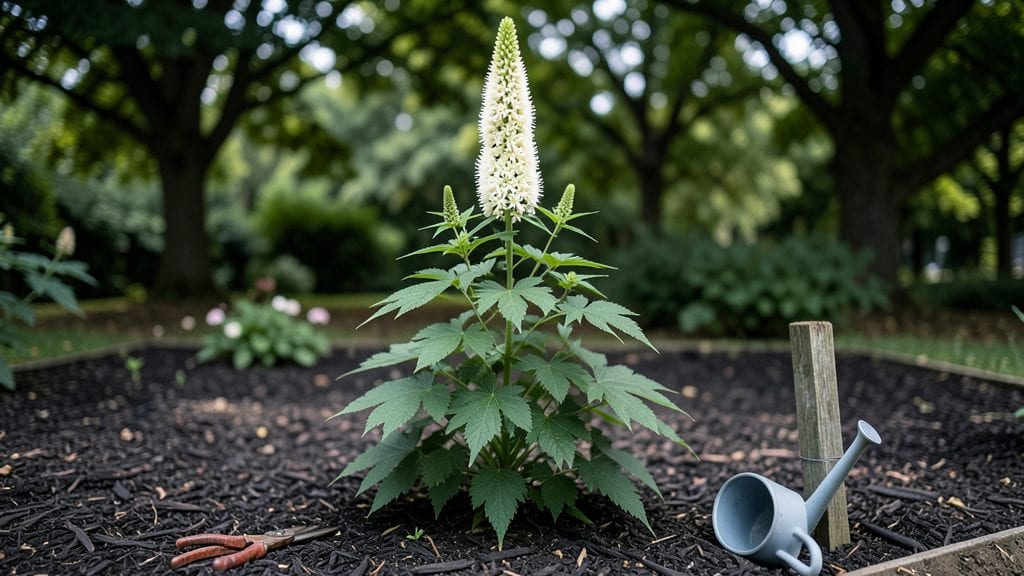
My garden’s most dramatic unusual perennial plants aren’t the usual daylilies or coneflowers—they’re the bold, self-spreading stars that turn heads every season. 🌿 Plants like ‘Black Adder’ elderberry with its jet-black stems or ‘Hopley’s Purple’ poppy that multiplies like crazy add texture. and drama without the fuss of annuals.
These aren’t just fillers; they’re the unexpected focal points that make neighbors pause and ask, “What’s that?”—and then beg for cuttings.
The best part? Once established, these perennials spread on their own, creating lush drifts of color with minimal effort. Take ‘Jack Frost’ euphorbia, which sends up ghostly white stems in spring, or ‘Moonbeam’ coreopsis, whose golden blooms glow like fireflies at dusk.
They thrive in zones 4–9, so whether you’re in a snowy climate or a hot, dry one, there’s a standout perennial waiting for its spotlight. I’ve used them in cottage gardens, modern borders, and even as pollinator magnets—each time, the impact is undeniable.
Imagine a border where ‘Purple Smoke’ bush clover cascades like lavender smoke, or a wildflower meadow dotted with ‘May Night’ salvia, whose deep purple spikes attract hummingbirds for weeks. These plants don’t just survive—they thrive, year after year, with less deadheading and dividing than most perennials.
The key is pairing them with complementary colors and textures, like pairing ‘Ice Ballet’ Russian sage (silvery foliage) with ‘Blue Mist’ spirea for a cool-toned dream sequence.
Perfect for gardeners who want low-maintenance drama without the annual replanting. Whether you’re designing a themed garden or just filling in gaps, these perennials deliver instant personality—and they’ll only get better as they multiply. Let’s dive into the specifics of how to make them work for your space.
📚 In This Guide
- What you need
- Instructions
- Tips and common mistakes
- Wrapping up and next steps
What you need
- ● Perennial plants: 3–5 unusual varieties (e.g., Cimicifuga racemosa bugbane, Helleborus niger [Christmas rose], or Dietes grandiflora [African iris]). Choose 3–5 plants per type for fuller spreads.
- ○ Well-draining potting mix: 1–2 bags (10–20 lbs each) for containers or raised beds. Optional: Add perlite or sand (1 part) to improve drainage.
- ● Garden soil (if planting in-ground): Amend with 2–3 inches of compost to enrich nutrients.
- ● Mulch: 2–3 cubic feet of organic mulch (e.g., shredded bark or straw) to retain moisture and suppress weeds.
- ● Garden trowel or transplant spade (for digging holes 2x wider and deep as the root ball).
- ● Pruning shears (for trimming dead foliage or dividing clumps).
- ● Watering can or hose with adjustable nozzle (gentle stream for new plants).
- ● Gloves (to protect hands from thorns or rough foliage).
- ● Measuring tape or ruler (to ensure proper spacing—12–36 inches apart, depending on the plant).
- ● Sunlight assessment: Identify your garden’s sunlight zones (full sun, partial shade, or full shade) to match plant needs.
- ● Water source nearby (perennials need 1–1.5 inches of water weekly, more during droughts).
- ● Patience! Some unusual perennials (like Dietes) take 2–3 years to fully establish and spread.
How to cultivate unusual perennial plants for natural expansion
Here’s how to select and establish bold perennials that thrive and multiply on their own.
🌱 Step 1: Choose Perennials with Aggressive Spreaders
Start with perennials known for natural propagation—like heuchera (coral bells), hostas, or ligularia—which spread via rhizomes or stolons. These plants multiply underground or along the soil surface, creating dense clumps without needing division. I always check for clumping vs. running growth habits—running types (like crested iris) need more space, while clumpers (like fountain grass) stay contained.
Look for cold-hardy varieties rated for your zone, as these establish faster. The key is selecting plants that match your climate’s USDA hardiness zone and sunlight conditions. For example, ligularia thrives in partial shade, while heuchera tolerates full sun with consistent moisture. Avoid anything labeled "invasive" unless you’re prepared for aggressive control.
🪴 Step 2: Prepare the Soil for Long-Term Growth
Amend your native soil with 2-3 inches of organic compost to improve drainage and fertility—perennials hate soggy roots. I mix in 1 part compost to 3 parts native soil for a balanced medium. Test soil pH if unsure; most unusual perennials prefer slightly acidic to neutral (6.0–7.0). If your soil is heavy clay, add perlite or coarse sand to prevent compaction.
Work the amendments into the top 12 inches of soil using a broadfork or spade. This ensures roots can penetrate deeply without hitting a barrier. Water the amended area deeply before planting to settle the soil and eliminate air pockets. The goal is loose, fertile ground that encourages root expansion—critical for perennials that spread naturally.
☀️ Step 3: Plant for Optimal Sunlight and Spacing
Follow the sunlight requirements on the plant tags—most unusual perennials need 4–6 hours of direct sun but vary widely. For example, ligularia thrives in morning sun and afternoon shade, while heuchera handles full sun with afternoon protection. Plant in groups of 3–5 to encourage natural clumping and reduce gaps as they fill in.
Dig holes twice as wide as the root ball but no deeper—perennials struggle if buried too deep. Space clump-forming plants 18–24 inches apart, while runners (like crested iris) need 3–4 feet to prevent crowding. Water immediately after planting to eliminate air gaps around roots. Mulch with 2–3 inches of shredded bark to retain moisture and suppress weeds—critical for perennials that spread slowly at first.
💧 Step 4: Water Deeply and Let Roots Establish
Water once weekly for the first month, soaking the soil to 12 inches deep. Use a soaker hose or drip irrigation to avoid wetting foliage, which reduces disease risk. After establishment, most unusual perennials tolerate drought once rooted, but young plants need consistent moisture. Check soil moisture by sticking your finger 2 inches down—if dry, water again.
Fertilize lightly in early spring with a balanced 10-10-10 formula to support new growth. Avoid high-nitrogen feeds, which promote leafy growth over blooms. By mid-summer, your perennials should show signs of natural spread—new shoots emerging from the base or along stolons. This is your signal they’re thriving and ready for minimal care.
✂️ Step 5: Divide and Maintain for Natural Propagation
Wait until spring or early fall to divide overcrowded clumps—never in summer when plants are stressed. Dig up the entire plant, separate into 3–4 inch sections with roots attached, and replant immediately. I always water divisions thoroughly to reduce transplant shock. This encourages faster regrowth and more vigorous spread in the following season.
Deadhead spent blooms to redirect energy into root growth, but leave seed heads on some perennials (like ligularia) for winter interest. By year three, your unusual perennials should fill in completely, with new offsets appearing naturally. The goal is low-maintenance beauty—once established, these plants multiply and thrive with minimal intervention.
Tips & tricks for perfect unusual perennial plant cultivation
These insights will help you transform your garden into a self-sustaining display of bold perennials that spread naturally—without the constant upkeep.
Plant Selection Intelligence: When choosing between clumpers and runners in Step 1, pay special attention to the plant's natural growth habit. For example, ligularia spreads through rhizomes that grow horizontally underground, while crested iris sends up vertical shoots. I've found that planting three clumpers together creates a natural focal point that fills in beautifully within two seasons. The key is matching the plant's growth pattern to your garden's available space—running varieties need at least three feet of clearance to prevent overcrowding.
Soil Preparation Secret: In Step 2, don't just amend the top 12 inches of soil—consider adding a 6-inch layer of compost beneath the planting area as well. This creates a nutrient-rich zone where roots can establish more quickly. I've seen dramatic differences in plant vigor when I incorporate compost at both levels, especially in heavy clay soils. The secret is to water thoroughly after amending to eliminate air pockets that could hinder root penetration. Think of it as creating a "root highway" for your perennials.
Spacing Strategy: The 18-24 inch spacing for clumpers in Step 3 might seem generous, but trust me—it's worth it. These unusual perennials often have larger leaves and more substantial growth than common varieties. I've learned the hard way that crowding leads to competition for sunlight and nutrients, which stunts their natural spreading ability. For the boldest displays, consider planting in odd-numbered groups (3, 5, or 7) rather than straight lines—this creates more visual interest while allowing each plant room to expand.
Watering Wisdom: That first month of weekly watering in Step 4 is crucial, but don't let your finger moisture check become your only guide. I've found that using a soil moisture meter gives more consistent results, especially in clay soils where moisture can pool. The 2-inch depth check works well, but combine it with observing the plant's leaves—wilting or yellowing often signals deeper watering needs before your finger test would indicate. Remember, the goal is to establish roots that can reach deep water sources, not just keep the surface moist.
Pro Tips for Unusual Perennial Plants
- These insights will help you transform your garden into a self-sustaining display of bold perennials that spread naturally—without the constant upkeep.
- Plant Selection Intelligence: When choosing between clumpers and runners in Step 1, pay special attention to the plant's natural growth habit.
- Soil Preparation Secret: In Step 2, don't just amend the top 12 inches of soil—consider adding a 6-inch layer of compost beneath the planting area as well.
Frequently asked questions
Got questions about growing unusual perennial plants? You’re not alone! Here are some of the most common queries—and their answers—to help you thrive with these bold, self-spreading beauties.
How do I control unusual perennials that spread aggressively?
Many unusual perennials, like Ligularia or Astilbe, multiply quickly. To manage them, divide clumps every 2–3 years in early spring or fall. Use a sharp spade to lift and separate roots, then replant or share with neighbors. For invasive types, contain them with root barriers or prune back overgrowth regularly.
When is the best time to plant unusual perennials?
Plant most perennials in early spring or early fall when soil is workable but not frozen. This gives roots time to establish before extreme heat or cold. Avoid planting in mid-summer—the heat can stress tender roots. Check your plant’s hardiness zone to match timing with local frost dates!
Can I grow unusual perennials in containers?
Many perennials, like Heuchera (coral bells) or Hosta, thrive in containers. Choose pots with drainage holes and use a well-draining potting mix. Opt for smaller varieties or prune larger ones to prevent root-bound issues. Just remember: larger perennials may outgrow containers quickly—plan to divide or replant every few years.
What pests or diseases should I watch for with unusual perennials?
Common issues include slugs (especially for tender foliage), aphids, and fungal diseases like powdery mildew in humid climates. Prevent slugs with copper tape or diatomaceous earth. For aphids, spray with soapy water. Improve airflow by spacing plants properly, and avoid overhead watering to reduce fungal risks.
What are some low-maintenance alternatives to high-spreading perennials?
If you want bold blooms without the spread, try Echinacea (coneflower), Rudbeckia (black-eyed Susan), or Sedum (stonecrop). These perennials stay contained, require minimal care, and still pack a punch with color. For foliage lovers, Hellebore or Japanese Painted Fern offer texture with less aggressive growth.
Wrapping up and next steps
Unusual perennial plants bring bold color, effortless beauty, and natural resilience to your garden—without the yearly replanting hassle! 🌿 From Hellebores that bloom in winter to Coral Bells with striking foliage, these plants prove that gardening can be both low-maintenance and high-impact.
Whether you're a seasoned green thumb or a curious beginner, embracing these perennials is a game-changer for year-round interest.
Ready to transform your space? Start small—pick one or two unusual perennials to test in a sunny or shady spot, then let them multiply and thrive on their own. Happy planting! 🌸