
Flowers
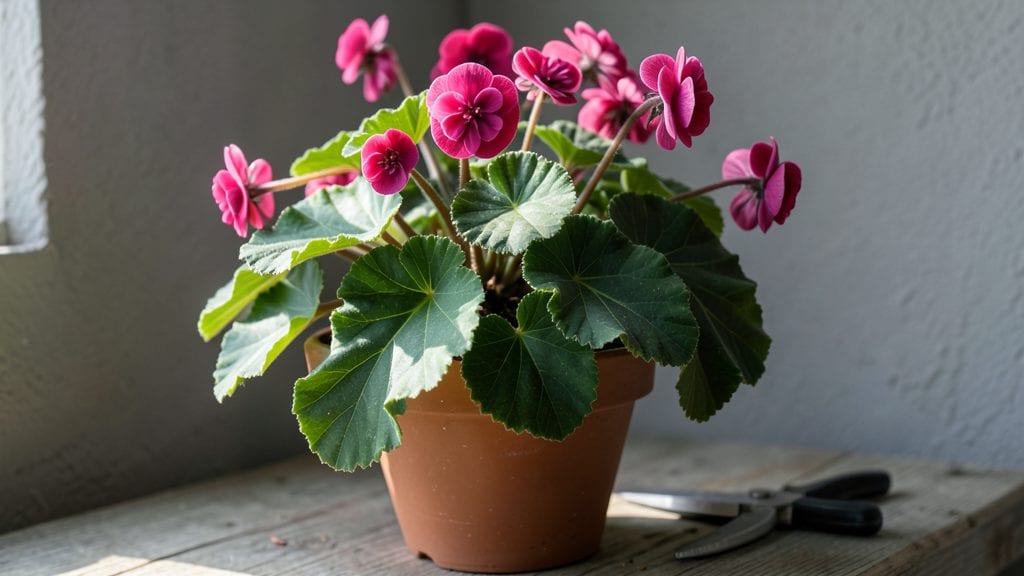
Tuberous begonias function as annuals in colder climates but act like perennials in frost-free zones, where their tubers can be stored and replanted each year. The plant's lifespan hinges on temperature, entering dormancy in winter and bursting into colorful blooms with warmer weather.
Whether your tuberous begonia behaves as an annual or perennial comes down to your local frost patterns.
In regions where temperatures drop below 32°F, these plants can't survive winter outdoors, so gardeners treat them as seasonal bloomers. 🌸 However, in warmer zones like USDA hardiness zones 10-12, the tubers naturally enter dormancy when days grow shorter but remain viable until replanted in spring.
This makes them perennial in those climates, where they can live for years with proper care.
What makes this especially interesting is how the plant's growth cycle mirrors its natural habitat. Native to tropical and subtropical regions, tuberous begonias evolved to handle seasonal changes by storing energy in their thickened roots.
When you bring them indoors or protect the tubers during winter, you're essentially recreating their native climate conditions—just on a smaller scale.
💡 In This Article
- How Climate Affects Tuberous Begonia Lifespan
- Tuber Storage and Replanting for Year-Round Growth
How climate affects tuberous begonia lifespan
Tuberous begonias are tropical plants at heart, and their survival strategy revolves around temperature sensitivity. These beauties can't tolerate frost—their cells rupture when exposed to temperatures below 32°F, which is why they're treated as annuals in colder climates.
The key factor is their tuber's inability to withstand freezing, unlike hardy perennials such as peonies or daylilies, which have specialized structures to protect against winter chill. 🌡️
The plant's growth cycle is directly tied to photoperiod—the length of daylight. When days shorten in autumn, tuberous begonias detect this change and begin storing energy in their tubers, a process triggered by reduced photosynthesis. This dormancy phase is essential for survival, allowing the tuber to remain viable until spring.
In frost-free zones like Florida or Southern California, this natural cycle continues year-round, making them perennial. The tubers simply wait out the cooler months before resuming growth.
USDA hardiness zones provide a clear guideline: in zones 10-12, tuberous begonias thrive outdoors year-round as perennials, while zones 7-9 require winter protection (like mulching or container growing). In colder zones 3-6, gardeners must dig up tubers before frost hits and store them indoors.
This climate-driven behavior explains why some growers see their plants return year after year while others must replant from seed or new tubers annually.
What most people don't realize is how humidity interacts with temperature to affect dormancy. Low humidity during storage (around 40-50%) prevents tuber rot, while higher humidity (above 60%) can trigger premature sprouting.
The ideal storage environment mimics the plant's natural tropical conditions—cool (50-60°F) but not freezing, and dry enough to prevent mold. This delicate balance is why proper storage techniques are critical for extending their lifespan beyond one season.
Consider the contrast between a tuberous begonia in Miami versus one in Minneapolis: the Miami plant experiences mild winters with no frost, so it remains active year-round, while the Minneapolis plant must be treated as an annual unless its tubers are carefully overwintered.
This geographic divide explains why some gardeners see their begonias return for decades, while others must replant each spring. The climate isn't just about temperature—it's about creating the right conditions to break dormancy at the right time.
Here's what's actually happening biologically: tuberous begonias produce a natural antifreeze-like compound called "cryoprotectants" during dormancy, but these only work within a narrow temperature range (35-50°F). When exposed to freezing temperatures, these compounds fail, and cellular damage becomes irreversible.
This is why even a light frost can be fatal to tubers left in the ground—unlike true perennials, which have evolved specialized tissues to survive freezing.
The science behind this involves a fascinating interplay between plant hormones and environmental cues. As temperatures drop, the plant increases production of abscisic acid, a hormone that triggers dormancy and tuber formation.
Meanwhile, reduced light levels signal the plant to shift resources underground. This hormonal shift is reversible when conditions improve—hence why properly stored tubers can regrow for multiple seasons in suitable climates. 🌱