
Flowers
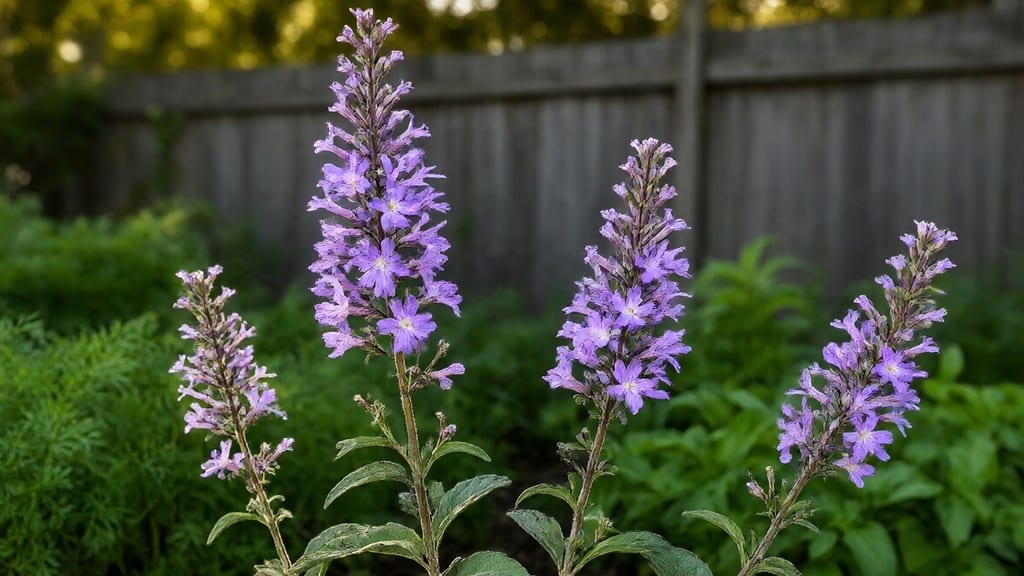
Growing trailing verbena perennials means lavender-like blooms that spill over containers like a purple waterfall—drought-resistant once established, and they practically beg you to pinch them for bouquets. 🌿 I’ve had mine spread across my deck for three seasons now, and the key isn’t some secret fertilizer but matching their natural habits to where you plant them.
The best part? They thrive in full sun to partial shade, so even small patios or balcony edges work. Your soil just needs decent drainage—rocky or sandy spots suit them better than heavy clay.
Water lightly at first, then let them dry out between drinks; overwatering is how I killed my first batch (don’t ask). Once rooted, they’ll bounce back from drought like nothing happened.
By midsummer, you’ll have 3- to 6-foot cascades of tiny, fragrant flowers that hummingbirds adore. Prune back leggy stems in early spring to encourage bushier growth, and deadhead spent blooms to keep the show going until frost. The scent alone—like lavender meets honey—makes it worth the effort.
Perfect for hanging baskets, window boxes, or trailing down trellises. If you’ve ever wanted a plant that’s low-maintenance yet showstopping, this is it. Let’s get those roots in the ground!
📚 In This Guide
- What you need
- Instructions
- Tips and common mistakes
- Wrapping up and next steps
What you need
- ● Trailing Verbena Perennial Plants: 3–5 healthy nursery-grown plants (check for vibrant foliage and buds)
- ● Choose varieties like Verbena bonariensis or Verbena rigida for drought tolerance
- ● Well-Draining Soil Mix: 50% native soil + 50% compost or potting mix (aim for a sandy-loam texture)
- ○ Optional: Add perlite or coarse sand (1 part per 5 parts soil) for extra drainage
- ● Containers or Garden Space: Containers: 12–18" diameter pots with drainage holes (1 plant per container)
- ● Garden Beds: Full sun exposure (6+ hours/day) and space 12–18" apart
- ● Basic Gardening Tools: Trowel or hand shovel
- ● Pruning shears (for trimming)
- ● Gloves (to protect hands from soil and thorns)
- ● Watering Can or Hose: With a gentle spray nozzle for even hydration
- ● Mulch: 1–2" layer of gravel or straw mulch to retain moisture and deter weeds
- ● Slow-Release Fertilizer: Balanced 10-10-10 or organic options like fish emulsion
- ● Support Structures: Small stakes or trellises for trailing varieties in containers
- ● Drought Shield: A light shade cloth (30–50%) for intense afternoon sun in hot climates
Step-by-Step guide to planting and maintaining trailing verbena perennials
Here's how to establish these drought-tolerant beauties for years of fragrant blooms.
🌱 Step 1: Select the Perfect Planting Location
Trailing verbena thrives in full sun—at least 6-8 hours daily. I always choose a spot with afternoon sun exposure, as the blooms stay brightest when baked by late-day warmth. Avoid low-lying areas where cold air pools, as verbena dislikes winter wetness.
Test the site by observing it for a week before planting. Look for areas where other sun-loving plants like lavender or salvia already flourish—that's your best indicator. The soil should drain quickly; if water pools after rain, amend with 2-3 inches of coarse sand or gravel before planting.
🪴 Step 2: Prepare the Soil and Plant with Care
Verbena's roots need loose, well-draining soil. Work in 1-2 inches of compost or aged manure to enrich the area without compacting it. I avoid heavy amendments like peat moss, which can retain too much moisture around the roots.
Dig a hole just slightly wider than the root ball, but no deeper. Gently remove the plant from its container and tease apart any circling roots with your fingers. Position it so the top of the root ball sits just below soil level—never deeper, as this encourages rot. Space plants 18-24 inches apart to allow their trailing stems room to spread.
☀️ Step 3: Water Deeply and Establish a Drought-Resistant Routine
The first watering is critical. After planting, give each verbena a deep soak—enough to moisten the soil 12 inches down. You'll know it's right when water runs freely from the drainage holes if planted in containers, or when the surrounding soil feels uniformly damp.
Once established, verbena needs water only when the top 2-3 inches of soil feel completely dry. I check this by sticking my finger into the soil—if it comes out clean, it's time to water. Overwatering is the fastest way to kill these drought-resistant plants, so resist the urge to keep the soil moist at all times.
✂️ Step 4: Prune for Bushier Growth and Continuous Blooms
Deadhead spent blooms regularly to encourage more flowers. I pinch off faded flowers with my fingers or use clean pruners to snip just above a set of healthy leaves. This simple step keeps verbena blooming from early summer until frost.
In early spring, cut back any leggy growth by one-third to promote dense, bushier plants. Avoid heavy pruning after midsummer, as new growth won't have time to harden off before winter. Always use sterilized pruners to prevent disease spread between cuts.
🌿 Step 5: Protect and Prepare for Winter Dormancy
As temperatures drop below 40°F at night, verbena enters dormancy. I stop fertilizing and reduce watering to keep the soil barely moist. The plants will lose most of their foliage, but the roots remain alive underground.
In colder climates (below Zone 7), mound 2-3 inches of mulch around the base after the first frost. This insulates the crown and prevents heaving during freeze-thaw cycles. In spring, remove the mulch when new growth appears—usually by late April or early May.
Tips & tricks for perfect trailing verbena perennials
Here's what I've learned after years of growing these fragrant beauties—simple tricks that make all the difference for vibrant, long-lasting blooms.
Sunlight Secret: The 6-8 hours of daily sun in Step 1 are non-negotiable for those signature lavender-like blooms. I've noticed the most intense fragrance comes from plants getting that afternoon sun—it's like nature's way of baking the oils that make verbena so aromatic. If your yard has shadier spots, consider container planting where you can move them to sunnier locations as needed.
Soil Test Tip: Before amending with the 2-3 inches of coarse sand in Step 1, do a simple test: Dig a hole about 6 inches deep and fill it with water. If it drains completely within an hour, your soil's good to go. If not, you'll need more sand or gravel to improve drainage—verbena roots will thank you by staying healthy and disease-free.
Watering Wisdom: That first deep soak in Step 3 should feel like you're giving the plant a long drink—12 inches down is the magic number. I use a garden trowel to check moisture after watering; if it's still damp at that depth, you've nailed it. For established plants, I've found using a soaker hose set on low for 10-15 minutes works better than quick sprinkles, as it encourages deeper root growth.
Pruning Precision: When cutting back leggy growth by one-third in early spring (Step 4), focus on removing the oldest, woodiest stems first. I always use clean, sharp pruners and make cuts at a 45-degree angle just above a leaf node. This promotes bushier growth and prevents those unsightly bare stems that can develop if you prune too late in the season.
Pro Tips for Trailing Verbena Perennial
- Here's what I've learned after years of growing these fragrant beauties—simple tricks that make all the difference for vibrant, long-lasting blooms.
- Sunlight Secret: The 6-8 hours of daily sun in Step 1 are non-negotiable for those signature lavender-like blooms.
- Soil Test Tip: Before amending with the 2-3 inches of coarse sand in Step 1, do a simple test: Dig a hole about 6 inches deep and fill it with water.
Frequently asked questions
Got questions about growing trailing verbena perennials?
Here are answers to the most common ones—so you can enjoy their fragrant blooms with confidence!
Is trailing verbena truly perennial, or does it die back in winter?
Trailing verbena (Glandularia spp.) is perennial in USDA Zones 8–11 but often treated as an annual in colder climates. In frost-prone areas, it may die back but often self-seeds or regrows from roots if protected. For colder zones, grow it as a tender perennial—bring pots indoors or mulch heavily for winter survival!
How often should I water trailing verbena, and can it really handle drought?
Once established, trailing verbena is exceptionally drought-tolerant—water deeply once a week in dry spells, but let soil dry between waterings. Overwatering causes root rot, so prioritize well-draining soil. Pro tip: Mulch with gravel or rocks to retain moisture without smothering roots!
What’s the best way to keep trailing verbena blooming all season?
Deadhead spent blooms regularly to encourage nonstop flowers! Pinch back leggy stems in early spring to promote bushiness. Fertilize lightly with a balanced, low-nitrogen formula (like 5-5-5) every 4–6 weeks. Bonus: It thrives in heat—perfect for summer containers!
Why isn’t my trailing verbena flowering, and how can I fix it?
Lack of blooms often signals too much shade, over-fertilizing (especially with nitrogen), or root-bound plants. Move to full sun (6+ hours/day), reduce fertilizer, and prune back ⅓ of the plant in spring. If grown in pots, repot every 2 years for fresh soil.
Are there trailing verbena alternatives with similar fragrance?
If you love the lavender-like scent but want variety, try:
- Lantana (drought-tolerant, butterfly magnet)
- Salvia (e.g., ‘May Night’ salvia—fragrant foliage)
- Catmint (Nepeta) (hardy, long-blooming, deer-resistant)
- Dwarf lavender (like ‘Munstead’—compact and aromatic)
Wrapping up and next steps
Adding trailing verbena perennial to your garden is a game-changer—it’s low-maintenance, drought-resistant, and packed with fragrant lavender-like blooms that keep your space vibrant all season long.
Whether you’re a seasoned gardener or just starting, this plant delivers beauty with minimal effort, making it a perfect choice for sunny spots, containers, or borders.
Ready to transform your outdoor space? Start with a healthy plant, give it well-draining soil, and watch it thrive! 🌸✨ Happy gardening—your future blooms are waiting!