
Flowers
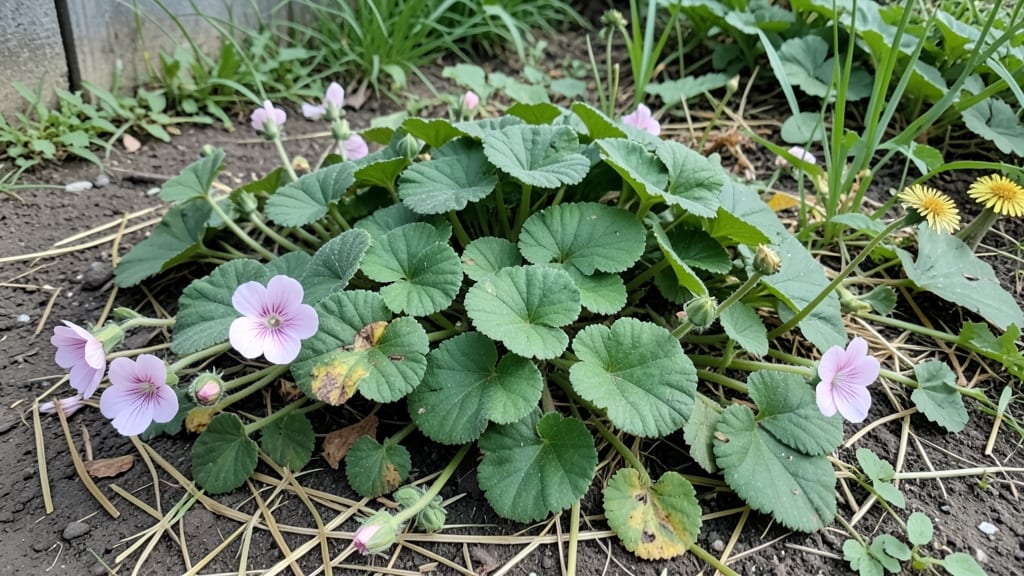
Perennial geranium flowers bring unexpected drama to gardens with their bold, saucer-shaped blooms that refuse to quit. 🌿 I’ve grown them for years, and the difference between these hardy plants and their tender annual cousins (those "pelargoniums" from garden centers) is night and day—these stay put, spread reliably, and bloom from early summer until frost.
They’re not fussy about soil, but well-draining earth with a sprinkle of compost is their secret weapon. Six hours of sun daily keeps them happy, though they’ll tolerate partial shade if the heat’s brutal.
Watering’s simple: keep soil moist but never soggy, and they’ll reward you with nonstop blooms instead of leggy stems.
Pruning’s where the magic happens—snip back leggy growth after blooming to encourage a second flush, and cut them back by half in early spring. The result? A neat, bushy plant that fills gaps in borders or spills over containers with vibrant color.
They pair beautifully with lavender, catmint, or daylilies for a cottage-garden look.
Here’s the kicker: these aren’t the same as those annual geraniums that flop by summer’s end. True perennials like Geranium macrorrhizum (the "cranesbill") come back year after year, spreading into lush ground covers. Ready to trade floppy annuals for this foolproof perennial powerhouse?
📚 In This Guide
- What you need
- Instructions
- Tips and common mistakes
- Wrapping up and next steps
What you need
- ● Perennial geranium plants: 3–5 young plants (choose varieties like 'Rozanne' or 'Johnson’s Blue' for hardiness).
- ● Well-draining potting mix: 2–3 gallons (avoid heavy clay soil; mix in perlite or sand for aeration).
- ● Containers or garden bed: Containers: 12–16" pots with drainage holes (1 per plant).
- ● Garden bed: Full sun (6+ hours/day) and loose, fertile soil.
- ● Slow-release fertilizer: 1 lb (5–10-5 NPK ratio) to mix into soil at planting.
- ● Watering can or hose: With a gentle spray nozzle for hydration.
- ● Pruning shears: Sharp, clean pair for trimming dead blooms.
- ● Mulch: 1–2 inches of organic mulch (e.g., shredded bark) to retain moisture.
- ● Epsom salt: 1 tbsp per gallon of water (monthly feed for magnesium boost).
- ● Garden stakes or rings: To support tall varieties (e.g., 'Geranium sanguineum').
- ● Compost tea: For a natural soil amendment (1 cup per plant every 4–6 weeks).
- ● Gloves: To protect hands from prickly stems.
How to plant and maintain perennial geraniums for season-long color
Here’s the straightforward approach I’ve used to keep these hardy plants blooming from spring through frost.
🌱 Step 1: Select the Right Location and Prepare the Soil
Perennial geraniums thrive in full sun—at least 6 hours of direct light daily. I always choose a spot with morning sun and afternoon shade in hotter climates to prevent leaf scorch. These plants tolerate poor soil but bloom best in well-draining, slightly alkaline soil with a pH between 6.0 and 7.0.
Before planting, loosen the soil to a depth of 12 inches with a garden fork. Mix in 2 inches of compost to improve fertility without compacting the roots. Avoid heavy clay—amend with sand or perlite if your soil feels dense when squeezed. The goal is loose, airy soil that drains quickly but retains moisture.
🪴 Step 2: Plant at the Correct Depth and Spacing
Dig holes twice as wide as the root ball but only as deep as the container’s base—planting too deep suffocates the crown. Gently remove the plant from its pot and tease the roots apart if they’re circling. Place it in the hole so the top of the root ball sits just below soil level—this prevents rot while allowing the crown to breathe.
Space plants 18-24 inches apart for optimal air circulation. Crowding leads to fungal diseases like powdery mildew, which geraniums hate. Water each plant deeply right after planting to settle the soil and eliminate air pockets around the roots. You’ll know it’s right when the soil feels firm but still slightly damp 1 inch below the surface.
☀️ Step 3: Water Deeply and Establish a Routine
Perennial geraniums are drought-tolerant once established, but young plants need consistent moisture for the first 2-3 weeks. Water deeply twice weekly until the soil feels dry 2 inches down. Overwatering is the biggest mistake—these plants rot quickly in soggy soil. I always check with my finger before watering; if the soil feels dry, it’s time.
After the initial phase, reduce watering to once weekly during dry spells. Mulch with 2 inches of organic mulch (like shredded bark) to retain moisture and suppress weeds. Keep the mulch 2 inches away from the stem to prevent rot. You’ll see stronger, bushier growth when the plants aren’t competing for water with weeds.
✂️ Step 4: Prune for Bushier Growth and Longer Blooms
Deadhead spent blooms weekly to encourage continuous flowering. Pinch off faded flowers at the base of the stem with clean pruners—this redirects energy from seed production to new buds. I also trim back leggy stems by one-third in early summer to promote compact, bushier growth.
In late fall, cut back the entire plant to 4-6 inches tall before the first frost. This prevents winter damage and encourages fresh, vigorous growth in spring. Avoid heavy pruning in early spring—geraniums bloom on old wood, so wait until you see new shoots before trimming.
🌿 Step 5: Protect and Overwinter for Next Season
Perennial geraniums are hardy in USDA zones 3-9, but they benefit from a light mulch layer (3-4 inches) in colder regions to insulate the roots. In zones 3-5, mound soil or straw around the base for extra protection. These plants are tough—they’ll bounce back even if leaves die back in winter.
In spring, remove old mulch and check for signs of rot or pests. If you notice yellowing leaves or stunted growth, it’s often a sign of overwatering or poor drainage. Adjust your care routine accordingly—geraniums are forgiving, but they’ll tell you what they need if you pay attention.
Tips & tricks for perfect perennial Geranium care
These essential strategies will help you coax vibrant, long-lasting blooms from your geraniums all season long.
Lighting Strategy: The 6 hours of direct sunlight requirement is non-negotiable, but here's the trick: position your plants where they get morning sun and afternoon shade in hot climates. This prevents the classic leaf scorch that turns geraniums into sad, crispy messes. I've seen geraniums in full afternoon sun turn from lush to lifeless in just one week—don't make my mistake!
Soil Science: That 12-inch deep soil preparation isn't just about loosening dirt—it's about creating the perfect air-water balance. For heavy clay soils, mix in sand or perlite to improve drainage, but don't overdo it. Aim for soil that feels like a damp sponge when squeezed—it should hold moisture but not stay soggy. I test this by pressing my thumb into the soil; if water beads up, it's too compacted.
Watering Wisdom: The 2-3 week consistent moisture phase is critical for root establishment. Here's my foolproof method: water when the top 2 inches of soil feel dry to the touch. Use your finger—it's more accurate than guessing. For established plants, deep watering once weekly is better than light daily watering, which encourages shallow roots that struggle in dry spells. I've seen geraniums wilt dramatically after just one week of shallow watering.
Pruning Precision: When you're deadheading those weekly, don't just snip the flowers—cut back to the first set of healthy leaves. This redirects energy to new growth rather than seed production. For that one-third trim in early summer, I use clean pruners and make cuts at a 45-degree angle just above a leaf node. This technique prevents water from pooling on the stem, which can lead to rot.
Pro Tips for Perennial Geranium Flowers
- These essential strategies will help you coax vibrant, long-lasting blooms from your geraniums all season long.
- Lighting Strategy: The 6 hours of direct sunlight requirement is non-negotiable, but here's the trick: position your plants where they get morning sun and afternoon shade in hot climates.
- Soil Science: That 12-inch deep soil preparation isn't just about loosening dirt—it's about creating the perfect air-water balance.
Frequently asked questions
Are perennial geraniums really frost-hardy, or do they need winter protection?
Most perennial geraniums (Geranium macrorrhizum and G. sanguineum varieties) survive mild winters with some protection—like a thick layer of mulch or burlap wraps. In zones 5 and below, dig up tender types and store them in dry peat moss or sand until spring. Pro tip: Cut back dead foliage in late fall to avoid rot!
Why are my geranium leaves turning yellow or brown?
Yellowing leaves often mean overwatering or poor drainage—geraniums hate soggy roots! Brown edges? It’s usually dry air or too much sun. Check soil moisture (stick your finger in—if it’s damp, wait to water). Fix it: Trim affected leaves, adjust watering, and move to partial shade if scorched.
How do I get my geraniums to bloom longer?
Deadhead spent blooms religiously (snip stems just above a leaf pair) to encourage more flowers. Feed with a balanced fertilizer (10-10-10) every 4–6 weeks in spring/summer. Bonus: Prune leggy stems in early spring to promote bushier growth and nonstop blooms!
Can I grow perennial geraniums in containers? What’s the best setup?
Use pots with drainage holes and a mix of potting soil + perlite (for aeration). Choose compact varieties like Geranium ‘Rozanne’. Container hack: Add a slow-release fertilizer at planting time and water when the top inch of soil feels dry. Rotate pots occasionally for even sun exposure.
Are perennial geraniums deer- or pest-resistant?
Most deer avoid them (thanks to their strong scent), but pests like aphids or Japanese beetles may still visit. Spray off aphids with water or use neem oil. For beetles, handpick early in the day or use row covers. Prevention tip: Plant near garlic or rosemary to deter pests naturally!
Wrapping up and next steps
Perennial geraniums are the ultimate low-maintenance superstars of the garden—packing bold colors, resilience, and long-lasting blooms that bring joy from spring to frost. Whether you're a seasoned gardener or a beginner, these hardy plants prove that beauty doesn’t require complexity.
Now that you’re equipped with care tips and answers to common questions, it’s time to roll up your sleeves and plant—your garden (and pollinators!) will thank you.
🌱 Next step: Pick your favorite variety, grab some soil, and start growing! Share your progress or ask for advice in the comments—we’d love to see (and cheer on) your geranium garden come to life. Happy planting! 🌸