
Flowers
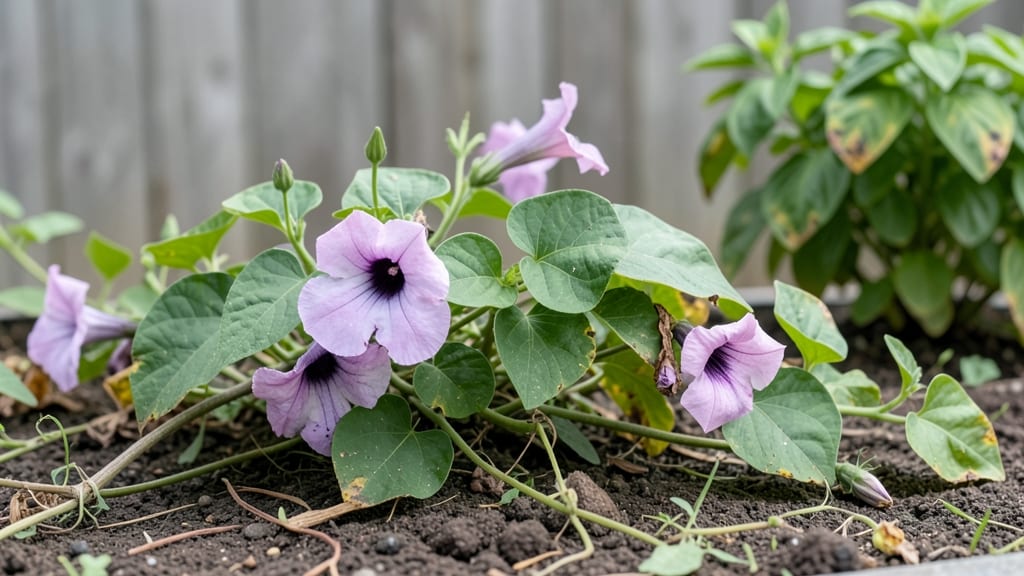
Deciding whether your Thunbergia is an annual or perennial depends entirely on your hardiness zone—same plant, completely different fate. 🌱 I’ve watched mine thrive as a perennial in zones 10-11, while friends in colder climates replant seeds each spring.
The key isn’t just the label "annual" or "perennial," but how you adapt its care to your local winters.
The trick to keeping Thunbergia alive through cold snaps is treating it like a tropical houseguest: bring it indoors before frost hits, or mulch heavily and wrap the base if you’re committed to outdoor overwintering.
Even in milder zones, deadheading spent blooms and feeding regularly keeps vines vigorous enough to bounce back. I’ve seen mine climb 10 feet in a single season with the right support.
You’ll end up with a vine that’s shockingly lush by summer, its trumpet-shaped blooms drawing hummingbirds like magnets. The trade-off? In colder areas, you’ll either replant seeds or propagate cuttings from a neighbor’s plant—both easy once you know the timing. Either way, the payoff is worth the effort.
Here’s the thing—Thunbergia’s growth habit changes everything. In warmer climates, it’s a self-seeding perennial that multiplies like crazy; in cooler ones, it’s an annual that still delivers months of color.
The same care rules apply, just with a seasonal twist. Let’s break down how to make it work where you live.
📚 In This Guide
- What you need
- Instructions
- Tips and common mistakes
- Wrapping up and next steps
What you need
- ● Thunbergia seeds or nursery plants: Seeds: 10–20 (for annuals) or 5–10 (for perennials in mild climates). Opt for Thunbergia alata (annual) or Thunbergia grandiflora (perennial).
- ● Nursery plants: 1–2 mature plants (check hardiness zone compatibility).
- ● Growing medium: 5–10 gallons of well-draining potting mix or garden soil amended with compost (30% compost ratio).
- ● Containers or garden space: Containers: 12–18" deep pots (1 plant per container) with drainage holes.
- ● Garden beds: Full sun (6+ hours/day) with trellises or fences for climbing support.
- ● Trellis or support structure: 6–8 ft tall (bamboo stakes, wire trellis, or obelisks).
- ● Fertilizer: Balanced 10-10-10 or organic options like fish emulsion (apply every 4–6 weeks).
- ● Watering can or hose: With a gentle spray nozzle for seedlings.
- ● Seed-starting trays + heat mat (if sowing indoors 8–10 weeks before last frost).
- ● Mulch (2–3" layer of straw or shredded leaves) to retain moisture.
- ● Slow-release fertilizer pellets for low-maintenance feeding.
- ● Pruning shears for shaping vines or deadheading spent blooms.
- ● Cold frame or greenhouse (if overwintering perennials in zones < 8).
How to cultivate Thunbergia as a year-round climbing star
This vibrant vine thrives with the right balance of warmth, support, and seasonal care—here's how to coax it back reliably.
🌱 Step 1: Select the Right Variety and Planting Site
Thunbergia alata (black-eyed Susan vine) is your best bet for reliable annual returns in cooler zones. Choose a south-facing location with at least 6 hours of direct sunlight—this ensures vigorous blooming and stronger stems for climbing. The plant’s tropical roots demand well-draining soil, so amend heavy clay with 3 gallons of perlite per 4-square-foot area to prevent rot.
Here's the thing—thunbergia hates soggy feet. Test your soil’s drainage by digging a 6-inch hole, filling it with water, and timing how long it takes to drain. If it holds water beyond 2 hours, raise the planting area or create a 12-inch-high mound to improve drainage. I always plant mine on a slight incline to keep excess moisture moving away from the roots.
☀️ Step 2: Provide Season-Long Support and Heat
Thunbergia needs strong vertical support to thrive—opt for a 6-foot trellis or metal arbor that can handle 15-pound vines once in full bloom. Install supports before planting to avoid disturbing roots later. The vine’s twining habit means it’ll cling aggressively, but weak structures will collapse under the weight of flowers.
This is the moment that matters: Nighttime temperatures below 55°F will kill thunbergia overnight. In zones 9-11, it’s a perennial—let it self-seed or overwinter in the ground. For cooler climates, treat it as an annual and save seeds from the first frost. I always tuck a lightweight row cover over potted plants in fall to extend the season by 2-3 weeks—just remove it before morning frost forms.
💧 Step 3: Water Deeply and Fertilize Strategically
Water once weekly during establishment, then every 4-5 days once blooming begins—deep soakings encourage deep root growth. Check moisture by sticking your finger 2 inches into the soil; if it feels dry, water until 6 inches of soil are thoroughly moist. Overhead watering promotes fungal diseases, so use a soaker hose at the base instead.
Feed with balanced 10-10-10 fertilizer every 4 weeks starting in early summer. Once blooms appear, switch to low-phosphorus 5-10-10 to prevent leggy growth. I’ve found that fish emulsion applied mid-season gives flowers that extra pop—just dilute it to half-strength to avoid burning roots.
✂️ Step 4: Prune for Continuous Blooms and Winter Prep
Deadhead faded flowers weekly to encourage nonstop blooming. Pinch back overly long stems to promote bushier growth—aim for 12-18 inch branches with multiple blooms. Never cut more than ⅓ of the vine at once, or you’ll shock the plant into dormancy prematurely.
In fall, if you’re saving seeds, let 2-3 pods mature on the vine before harvesting. For overwintering in pots, move plants to a garage with 50-60°F temperatures and reduce watering to every 10-14 days. Real talk: Most gardeners treat thunbergia as annuals, but with proper care, you’ll get 3-4 years from a single plant.
🪴 Step 5: Overwinter or Collect Seeds for Next Year
If your zone allows, mulch perennial thunbergia with 3 inches of shredded leaves after the first frost. The vine’s woody base will survive mild winters, and new shoots emerge in spring. For seed saving, dry pods in a paper bag for 2 weeks before storing in a cool, dark place.
I know it seems counterintuitive, but don’t rush to clean up—leave some stems standing until spring. The seeds germinate easily, and you’ll have volunteer plants popping up everywhere. Just be ready to stake them early, as they’ll start climbing the moment they hit 4 inches tall.
Tips & tricks for perfect Thunbergia cultivation
A few key strategies will help you coax vibrant, repeat-blooming thunbergia year after year without the guesswork.
Soil Drainage Secret: The 2-hour drainage test in Step 1 is non-negotiable for tropical roots. If your soil drains too slowly, consider creating a raised bed with a 12-inch-high mound of amended soil—this creates natural airflow at the root zone while preventing soggy conditions that lead to rot. I've seen thunbergia thrive in containers with drainage holes, but always use a cache pot with perlite underneath to prevent clogging.
Heat Protection Strategy: That critical 55°F nighttime threshold isn't just about survival—it's about preventing shock. In cooler climates, I recommend installing a mini greenhouse frame over young plants during late summer evenings. This creates a microclimate that buys you an extra 2-3 weeks of growing season without the risk of frost damage. Just remember to vent it during the day to prevent overheating.
Fertilizer Timing: The switch to low-phosphorus 5-10-10 at bloom time in Step 3 is brilliant for preventing leggy growth, but timing matters. I apply my first dose when I see the first 3-4 true leaves appear—not when flowers bud. This gives the plant time to establish strong stems before directing energy to blooms. For container plants, halve the fertilizer amounts since they have limited root zones.
Winter Prep Insight: When overwintering in 50-60°F garages, I've found that adding 1 inch of straw mulch around the base helps maintain even moisture levels. The key is to reduce watering to every 10-14 days but never let the soil completely dry out—this balance prevents both root desiccation and fungal issues. A simple moisture meter makes this much easier to track than guessing.
Pro Tips for Thunbergia Annual Or Perennial
- A few key strategies will help you coax vibrant, repeat-blooming thunbergia year after year without the guesswork.
- Soil Drainage Secret: The 2-hour drainage test in Step 1 is non-negotiable for tropical roots.
- Heat Protection Strategy: That critical 55°F nighttime threshold isn't just about survival—it's about preventing shock.
Frequently asked questions
about Thunbergia—whether it’s annual or perennial—can help you make the best choices for your garden. Here are some common queries answered!Is Thunbergia really perennial, or does it die back every year?
In mild climates (USDA Zones 9-11), Thunbergia is perennial and will regrow from its roots each year. However, in colder zones, it’s often grown as an annual—it dies back in winter but can be replanted from seeds or tubers. If you love its trumpet-shaped blooms, consider overwintering it indoors or in a greenhouse!
How do I protect Thunbergia from frost if I live in a colder climate?
If frost threatens, cut back the vines and dig up the tubers (if growing from them) or container plants. Store them in a cool, dry place (like a garage) until spring. For in-ground plants, mulch heavily or cover with frost cloth. Pro tip: Plant in containers for easy winter relocation!
Can I grow Thunbergia in containers, or does it need a garden bed?
Yes! Thunbergia thrives in containers—just ensure the pot has drainage holes and is at least 12 inches deep. Use a lightweight potting mix and provide a trellis or support for climbing. Containers make it easier to move indoors before frost or bring it back outside in spring.
Why isn’t my Thunbergia blooming? What can I do to encourage flowers?
Thunbergia may skip blooms due to lack of sunlight (needs full sun to partial shade), over-fertilizing (too much nitrogen = leafy growth), or poor drainage. Try pruning leggy vines to redirect energy, deadheading spent blooms, and using a balanced fertilizer (like 10-10-10) in spring. Bonus: Morning sun boosts blooms!
What are some low-maintenance alternatives to Thunbergia for climbers?
If Thunbergia seems too fussy, try these easy-care climbers:
- Morning Glories – Fast-growing, annual, and drought-tolerant.
- Sweet Peas – Fragrant, perennial in warm zones, and self-seeding.
- Nasturtiums – Edible, pest-repellent, and thrive in containers.
- Clematis – Perennial (in most zones) with stunning, varied blooms.
Wrapping up and next steps
Whether you're drawn to Thunbergia’s vibrant blooms or its effortless climbing charm, this plant offers a low-maintenance yet high-reward addition to any garden. 🌿 Whether it thrives as an annual in cooler climates or a perennial in warmer zones, its adaptability makes it a gardener’s dream.
Ready to transform your space? Start by choosing the right variety, providing the perfect growing conditions, and enjoying the stunning results year after year!
Next step: Pick a sunny spot, grab some soil, and let Thunbergia work its magic—your garden will thank you! 🌸