
Vegetables
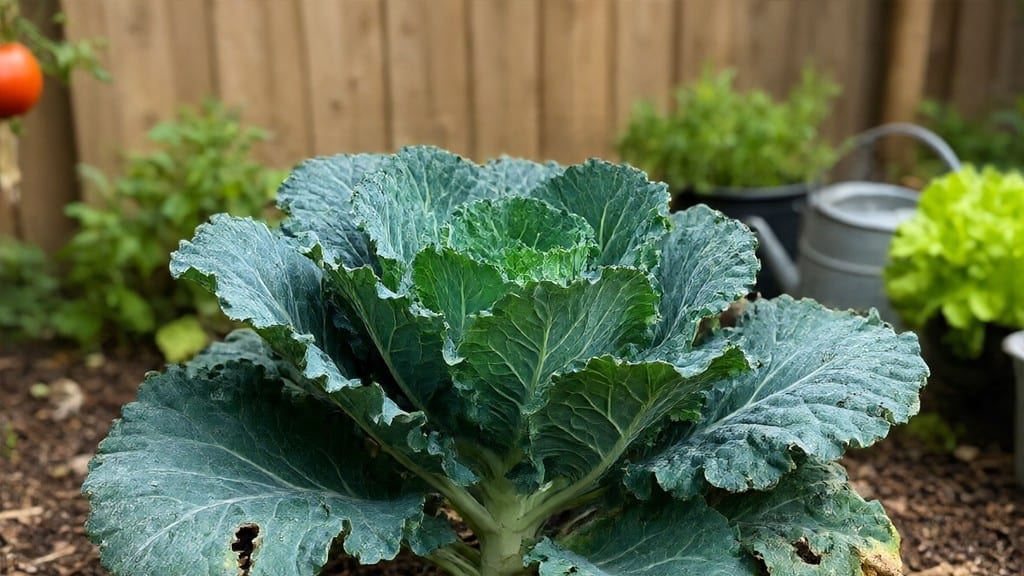
Growing Taunton Deane perennial kale in your garden means fresh, nutritious leaves even when snow blankets the ground. ✨ This cold-hardy variety thrives where most kale would freeze—its deep purple leaves stay tender through winter, and it rebounds stronger after each harvest.
I’ve grown it in my Zone 6 garden for three years, and it’s become my go-to for year-round salads, smoothies, and stir-fries.
The secret to success starts with well-drained soil rich in organic matter—think compost mixed into the top 12 inches. Taunton Deane prefers full sun but tolerates partial shade, making it perfect for gardens with less-than-ideal light.
In the UK’s Taunton Deane area, it handles damp winters better than most vegetables, though you’ll want to protect it from heavy, waterlogged soil. Plant seeds ½ inch deep in early spring or late summer for a fall harvest, spacing them 18 inches apart to give roots room to spread.
Water consistently to keep the soil moist but not soggy—about 1 inch per week—and fertilize lightly with balanced organic fertilizer every 6 weeks. The real magic happens in winter: when other gardens lie dormant, your Taunton Deane will still produce sweet, frost-sweetened leaves.
Harvest outer leaves first, leaving the center to keep growing, and watch it bounce back in days. By late spring, it’ll be lush and ready for another round of harvests.
Pests are rarely an issue, but watch for aphids or cabbage moths—spray with neem oil if they appear. In colder climates, a thick mulch of straw or leaves will protect it from extreme cold.
Whether you’re in the UK’s Taunton Deane region or a chilly U.S. zone, this kale is your ticket to a garden that never stops giving.
📚 In This Guide
- What you need
- Instructions
- Tips and common mistakes
- Wrapping up and next steps
What you need
- ● Seeds or young plants: 3–5 Taunton Deane Perennial Kale seeds (or 1–2 starter plants, spaced 12–18 inches apart).
- ● Well-draining soil: 1–2 cubic yards of nutrient-rich, slightly acidic soil (pH 6.0–7.0). Mix in 2–3 inches of compost for extra fertility.
- ● Sunlight access: A spot with full sun to partial shade (4–6 hours of sunlight daily).
- ● Watering can or hose: For consistent moisture (avoid soggy soil!).
- ● Mulch: 1–2 inches of straw or wood chips to retain moisture and regulate temperature.
- ● Garden gloves: To protect your hands while planting or harvesting.
- ● Pruners or sharp scissors: For trimming leaves (sterilize with rubbing alcohol between cuts!).
- ● Fertilizer: Balanced organic fertilizer (e.g., 10-10-10) or fish emulsion for a nutrient boost.
- ● Row covers: Lightweight fabric to protect seedlings from frost or pests.
- ● Drip irrigation system: For hands-off watering in larger gardens.
- ● Soil pH tester: To ensure your soil is in the ideal range.
- ● Companion plants: Herbs like thyme or dill to deter pests naturally.
Step-by-step guide to planting and maintaining Taunton Deane perennial kale
This cold-hardy variety thrives with minimal fuss—once established, it rewards patience with year-round greens.
🌱 Step 1: Choose the Perfect Planting Spot
Taunton Deane kale loves full sun to partial shade—at least 4-6 hours of direct sunlight daily. I always pick a spot with well-draining soil because soggy roots will rot even this hardy variety. If your soil drains poorly, amend with 2-3 inches of compost mixed into the top 6 inches of soil.
Here's the thing—this kale handles USDA zones 3-9, so your climate won't limit you. In hotter zones, provide afternoon shade during summer to prevent bolting. Test your soil's pH (aim for 6.0-7.0)—kale thrives when slightly acidic to neutral. If your soil is heavy clay, raise beds or use containers to improve drainage.
🪴 Step 2: Plant at the Right Time and Depth
For spring planting, wait until 2-3 weeks after your last frost date—soil should be at least 45°F. I plant mine 12-18 inches apart in rows 24 inches apart to allow airflow and prevent disease. Dig holes just deep enough to accommodate the root ball, then place the plant so the top of the root ball sits ½ inch below soil level—this prevents stem rot.
For fall/winter planting, you can start as early as 6-8 weeks before first frost. The key is getting seeds or transplants in before cold sets in. Press soil gently around the roots and water deeply to settle it—you'll see soil settle about ¼ inch after watering, so add a little more if needed. Mulch with 2-3 inches of straw after planting to protect roots in winter.
💧 Step 3: Water Consistently Without Overdoing It
Water deeply 1-2 times per week (more in extreme heat), aiming for 1 inch of water per week. Let the top 1-2 inches of soil dry out between waterings—this prevents root rot while keeping leaves crisp. I water in the morning so foliage dries quickly, reducing fungal risks. You'll know you're doing it right when the soil feels damp 2 inches down but not soggy.
This kale is drought-tolerant once established, but young plants need consistent moisture. If leaves curl or wilt slightly in heat, water immediately—it bounces back fast. Avoid wetting foliage when possible; water at the base instead. In winter, reduce watering to every 2-3 weeks unless you're in a very dry climate.
☀️ Step 4: Fertilize for Year-Round Productivity
Feed lightly in spring with a balanced organic fertilizer (10-10-10) at ½ the recommended rate. Too much nitrogen makes leaves soft and prone to pests. I top-dress with 1 cup compost per plant in early spring and again after harvests. For containers, use a slow-release fertilizer at planting, then repeat mid-season.
Here's where it gets fun—this kale keeps producing through winter if you protect it. In late fall, side-dress with 1-2 inches of compost and mulch heavily. The roots stay active in mild winters, so a light feeding in early spring jumpstarts regrowth. You'll see new growth within 2-3 weeks after fertilizing—proof it's working!
✂️ Step 5: Harvest and Prune for Continuous Growth
Start harvesting outer leaves when plants reach 6-8 inches tall, leaving the center to regrow. Cut leaves with clean shears or your fingers, leaving ½ inch of stem attached. You'll get 4-6 harvests per plant annually if you're consistent. In winter, harvest sparingly—just enough for meals—to avoid stressing the plant.
After heavy harvests, trim back any leggy growth to encourage bushier plants. Remove any yellowed or damaged leaves immediately—they attract pests. This kale is self-replenishing, so you'll rarely need to prune for shape. The more you harvest, the more it produces—it's like a perpetual green machine once established.
Tips & tricks for perfect Taunton Deane perennial kale
These practical insights will help you maximize your harvest and keep your cold-hardy kale thriving year-round.
Sunlight Strategy: While 4-6 hours of sunlight is ideal, I've found that placing kale near taller plants in summer provides natural afternoon shade without sacrificing too much light. This is especially helpful in zones 7-9 where afternoon sun can cause bolting. I often use my tomato cages as shade supports during peak summer months—just drape a lightweight shade cloth over them when temps hit 85°F.
Planting Depth Secret: That ½-inch below soil level recommendation isn't just about preventing stem rot—it actually encourages stronger root development. When you plant deeper, the stem that becomes buried develops roots along its length. This creates a more robust plant that can better withstand winter freezes. Just be careful not to bury more than 1 inch, or you'll smother the plant.
Watering Wisdom: The 1-2 inches of soil drying between waterings might seem like a lot, but it's crucial for preventing fungal diseases. I test moisture by sticking my finger 2 inches down—if it feels dry, it's time to water. In containers, you'll need to water more frequently since potted soil dries out faster. A moisture meter is worth the investment if you're serious about growing kale—it takes the guesswork out of watering.
Fertilizer Timing: That 2-3 week regrowth window after fertilizing is your green light to harvest again. I always mark my calendar when I fertilize in spring so I know when to expect new growth. For containers, I use slow-release fertilizer pellets mixed into the soil at planting, then top-dress with compost every 3 months. This prevents the nitrogen burn that can make leaves soft and unattractive.
Pro Tips for Taunton Deane Perennial Kale
- These practical insights will help you maximize your harvest and keep your cold-hardy kale thriving year-round.
- Sunlight Strategy: While 4-6 hours of sunlight is ideal, I've found that placing kale near taller plants in summer provides natural afternoon shade without sacrificing too much light.
- Planting Depth Secret: That ½-inch below soil level recommendation isn't just about preventing stem rot—it actually encourages stronger root development.
Frequently asked questions
Got questions about growing and harvesting Taunton Deane perennial kale?
You’re not alone! Here are the most common questions—and answers—to help you cultivate this cold-hardy superstar with confidence.
Is Taunton Deane kale truly perennial, or does it die back in winter?
Yes, it’s perennial! While it may look frost-bitten in harsh winters, its roots survive, and new growth emerges as temperatures rise. In milder climates (like Taunton, MA), it can produce year-round harvests with minimal care. Just protect it from extreme cold with mulch or row covers.
When is the best time to plant Taunton Deane kale for fall/winter harvests?
For a fall harvest, plant seeds 6–8 weeks before your first frost (late summer). For winter production, sow in early spring or late summer—it thrives in cool weather (40–70°F). Avoid planting in sweltering heat, as it prefers cooler temps to establish.
Can I grow Taunton Deane kale in containers, or does it need a garden bed?
It adapts well to containers (12+ inches deep) with drainage. Use a high-quality potting mix and place in full sun to partial shade. Just ensure it gets regular watering (containers dry out faster) and fertilize lightly every 4–6 weeks for continuous growth.
What pests should I watch for, and how do I prevent them?
Common pests include cabbage worms, aphids, and flea beetles. Use row covers early on, handpick pests, or spray with neem oil. For prevention, rotate crops annually and keep the area weed-free. Healthy plants resist pests better!
How do I harvest Taunton Deane kale without killing the plant?
Harvest outer leaves first, cutting just above a leaf node to encourage regrowth. Avoid taking more than 1/3 of the plant at once. For baby leaves, snip smaller sections. With proper care, it’ll keep producing for years—just like its name suggests!
Wrapping up and next steps
Growing Taunton Deane perennial kale is a game-changer for gardeners in all climates—its cold-hardy resilience and year-round harvest make it a standout superstar! 🌱 Whether you're a seasoned gardener or just starting, this hardy green offers nutrient-packed rewards with minimal fuss.
Ready to elevate your garden? Start small with a few plants this season and watch your harvest thrive—your taste buds (and immune system) will thank you!