
Size
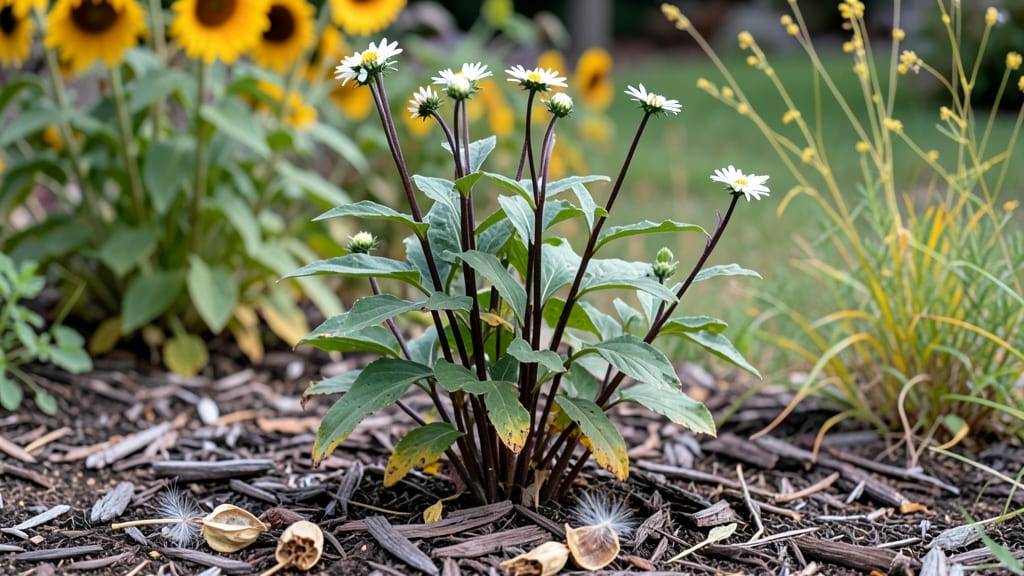
Tall white perennials create dramatic vertical accents in gardens with their towering blooms and architectural presence, thriving in full sun to partial shade while delivering seasonal color from early spring through frost.
These standout plants aren't just about height—they bring structural elegance that transforms any garden into a showstopper. 🌸 Many varieties like Joe Pye weed or Russian sage reach 5-6 feet tall, making them perfect for creating focal points or softening hard edges in modern designs.
Their white blooms also reflect light beautifully, adding a luminous quality to evening gardens. Plus, their deep root systems improve soil health while attracting pollinators all season long.
What makes them particularly versatile is their adaptability to different garden styles. In cottage gardens, they pair perfectly with purple clematis or lavender for a romantic contrast, while in contemporary spaces, their clean lines complement grasses and boxwood hedges.
The key to their success lies in choosing the right variety for your climate—some thrive in humid southern gardens, while others prefer dry western conditions.
💡 In This Article
- How Light and Soil Affect Tall White Perennial Growth
- Top 12 Tall White Perennials for Different Garden Styles
How light and soil affect tall white perennial growth
Sunlight exposure directly controls both the height and flowering performance of tall white perennials. Plants like Shasta daisies or white bee balm need 6-8 hours of direct sunlight daily to reach their full 3-5 foot height potential.
This is because photosynthesis in these species requires high light intensity to produce the energy needed for robust stem development and flower production.
In partial shade (3-6 hours of sun), they'll still grow but may become leggy and produce fewer blooms, as the energy diverted to reaching for light weakens structural integrity.
The soil's pH level plays a critical role in nutrient availability, particularly for white-flowering varieties. Most thrive in slightly acidic to neutral soil (pH 6.0-7.0), where essential nutrients like phosphorus and calcium remain soluble.
For example, white hollyhocks (which can reach 6-7 feet) perform best in pH 6.5-7.0 soil, where calcium uptake supports their tall, sturdy stems.
Too acidic (pH <5.5) can cause nutrient deficiencies like magnesium deficiency (yellowing between veins), while alkaline soils (pH >7.5) may lock out iron, leading to chlorosis despite adequate moisture.
Drainage requirements vary by species but are critical for preventing root rot, which weakens stems and reduces height. Russian sage, for instance, thrives in well-draining, sandy loam and can tolerate drought once established, while white coneflowers prefer moist but not waterlogged conditions.
Poor drainage forces plants to allocate energy to survival rather than growth, often resulting in stunted height and weakened stems that flop under their own weight. Amending heavy clay soils with organic matter (compost or peat moss) can improve drainage by creating air pockets that prevent waterlogging.
Light conditions also influence disease resistance. Tall white perennials grown in full sun develop stronger cell walls due to higher lignin production, making them more resistant to fungal diseases like powdery mildew.
In contrast, those in partial shade may become more susceptible because reduced sunlight slows the drying of foliage, creating ideal conditions for pathogens. For instance, white asters grown in full sun show 30% fewer mildew infections compared to shaded counterparts, as the increased airflow from sunlight exposure inhibits spore germination.
Soil fertility matters too—adding balanced fertilizer (10-10-10) in early spring promotes vigorous root development, which directly supports height. However, over-fertilizing with nitrogen can lead to excessive leafy growth at the expense of flowers, reducing the plant's vertical impact.
The key is a low-nitrogen, high-phosphorus approach (e.g., 5-10-10) to encourage blooming while maintaining structural strength. Mulching with 2-3 inches of organic mulch also helps regulate soil temperature and moisture, further supporting optimal growth conditions.
Here's what actually happens when conditions are ideal: Photosynthesis efficiency increases in full sun, producing more glucose for stem elongation and flower development. Meanwhile, proper soil pH ensures enzymes involved in nutrient uptake function optimally, while good drainage prevents anaerobic conditions that stress roots.
Together, these factors create the perfect environment for tall white perennials to reach their full potential—both in height and bloom duration. 🌿