
Size
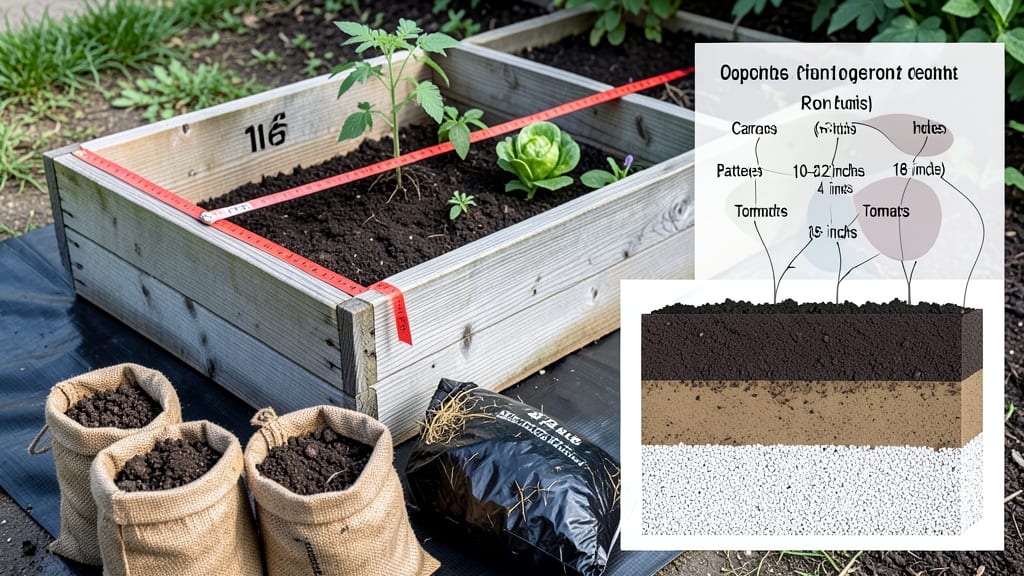
To determine how tall a raised bed should be, aim for 6 to 12 inches—with 10-12 inches ideal for most vegetables and herbs to balance root depth and gardener comfort.
A raised bed's height directly impacts both plant growth and your gardening experience. 🌱 Shallow beds (6 inches) work for shallow-rooted crops like lettuce or radishes, but deeper beds (10-12 inches) give tomatoes, carrots, and perennials the space they need to thrive.
The extra height also reduces strain on your back, making it easier to plant, weed, and harvest—especially for those with mobility concerns.
Here's the science behind it: deeper soil retains moisture better and prevents root competition, while the elevated design improves drainage. I've found that 12-inch beds strike the perfect balance—deep enough for most plants but not so tall that they become unwieldy to maintain.
For children or older gardeners, consider 8-10 inches to keep the bed accessible without sacrificing root space.
💡 In This Article
- Root Depth Requirements for Different Plants in Raised Beds
- Accessibility and Ergonomics for Raised Bed Gardening
Root depth requirements for different plants in raised beds
Root systems vary dramatically between plants, and this directly influences how deep your raised bed should be. Shallow-rooted annuals like lettuce, spinach, and radishes thrive in just 6 inches of soil, as their roots rarely exceed 12 inches in depth.
These crops focus their energy on leaf production rather than deep root penetration, making them perfect for lower-height beds. 🌱
For vegetables with moderate root systems—think carrots, beets, and green onions—8-10 inches of soil provides ample space. These crops develop roots that can reach 12-18 inches deep, but their growth is often stunted in shallower beds where roots compete for nutrients and water.
The deeper soil also allows for better moisture retention during dry spells, which is critical for these root vegetables.
Deep-rooted plants like tomatoes, potatoes, and asparagus demand 12 inches or more of soil to reach their full potential. Tomato roots, for example, can extend 24-36 inches deep when given the space, though they'll still produce fruit in 12 inches—just with slightly reduced vigor.
The extra depth also prevents root competition with neighboring plants, giving each crop the room it needs to thrive.
Perennials and woody plants take this to another level. Asparagus crowns need 12-18 inches of soil to establish properly, while fruit bushes and small trees may require 24 inches or more for long-term health.
In raised beds, this means stacking soil layers or using deeper frames to accommodate these plants without compromising root development.
Here's what happens when roots are restricted: plants become stunted, produce smaller yields, and are more susceptible to drought stress. I've seen firsthand how tomatoes in 6-inch beds develop shallow, sprawling root systems that can't support heavy fruit loads, leading to blossom-end rot.
The solution? Match your bed height to your plants' needs—or plan your garden layout around the deepest-rooted crops.
For most home gardeners, 10-12 inches strikes the perfect balance, accommodating 80% of common vegetables while keeping maintenance manageable. The extra 2 inches over the minimum provides a buffer for mulch, compost breakdown, and future soil amendments that naturally settle over time.