
Lawn
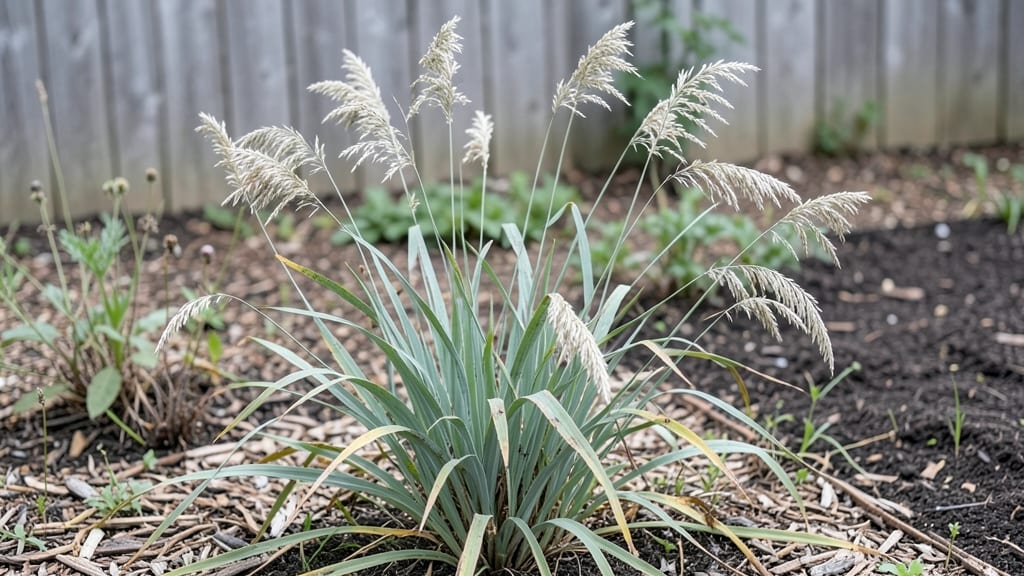
My tall perennial grasses transformed my backyard from an open space to a lush, wind-resistant privacy screen that thrives with almost no work. 🌿 The right varieties—like Miscanthus or Pennisetum—grow 6 to 12 feet tall, block noise, and handle drought once established, all while adding texture and movement to your landscape.
You’ll need full sun for most types, well-draining soil (amend clay with compost), and patience—these grasses take 1-2 years to reach their full height. Plant in spring or early fall, space them 3-5 feet apart for a dense screen, and water deeply after planting to help roots establish.
The payoff is dramatic: by late summer, you’ll have feathery plumes swaying in the breeze, providing year-round privacy without fences or noisy hedges. Pruning is simple—just cut back dead growth in early spring before new shoots appear—and fertilize lightly once a year for best results.
Perfect for urban yards, rural borders, or even large containers. Once planted, they’re nearly maintenance-free and outperform traditional privacy plants. Ready to grow your own living screen? Let’s get started with the right varieties for your climate.
📚 In This Guide
- What you need
- Instructions
- Tips and common mistakes
- Wrapping up and next steps
What you need
- ● Tall perennial grass plants: 10–20 plants per 10 linear feet of screen (check spacing on seed packets or plant tags). Popular choices: Miscanthus, Pampas grass, or Giant reed.
- ● Soil amendments: 5–10 lbs of compost or well-rotted manure per 10 sq. ft. (improves drainage and fertility).
- ○ Optional: Perlite or sand (1–2 lbs per 10 sq. ft.) if your soil is heavy clay.
- ● Mulch: 2–3 inches of wood chips or straw (helps retain moisture and suppress weeds).
- ● Watering supplies: A hose with a gentle spray nozzle or drip irrigation system (for consistent moisture).
- ● 5–10 gallons of water per plant during the first 2 weeks (check soil moisture daily).
- ● Digging tools: Garden shovel or trowel (for planting plugs/sod).
- ● Hoe or transplanting spade (for loosening soil).
- ● Measuring & marking: Measuring tape (to plan spacing).
- ● Stakes and string (to outline your screen layout).
- ● Pruning tools: Sharp pruners or loppers (for shaping mature grasses).
- ● Heavy-duty gloves (to protect hands from sharp edges).
- ○ Optional (but helpful): Soil pH test kit (ideal range: 6.0–7.0 for most grasses).
- ● Slow-release fertilizer (10–20 lbs per 100 sq. ft., applied in early spring).
- ● Edging shears (for clean borders).
- ● ✅ Sunlight: Choose a site with full sun (6+ hours/day)—most tall grasses thrive in bright conditions.
- ● ✅ Soil prep: Test and amend soil 2–4 weeks before planting for best results.
- ● ✅ Timing: Plant bare-root grasses in early spring or container-grown plants in fall (avoid extreme heat).
- ● Sow seeds in late spring or early summer (after the last frost).
- ● ✅ Privacy height goals: Research your grass variety—some (like Miscanthus) reach 10+ feet, while others stay shorter.
How to plant tall perennial grasses for a low-maintenance privacy screen
Here’s the straightforward approach I’ve used to create lush, wind-resistant screens that thrive year-round.
🌱 Step 1: Choose and Prepare the Planting Site
Select a location with at least 6 hours of sunlight daily—most tall ornamental grasses need full sun to reach their full height and density. I always test the soil first by digging a 6-inch hole and checking moisture retention. If the soil drains poorly, mix in 2 inches of coarse sand or 1 bag of perlite per 4 square feet to improve aeration.
Clear the area of weeds and debris, then loosen the soil to a depth of 12 inches with a garden fork. This ensures roots can spread easily without compacted barriers. If your soil is heavy clay, amending it now saves headaches later—grasses hate soggy roots.
🪴 Step 2: Plant Grasses at the Right Spacing and Depth
Dig holes twice as wide as the root ball and no deeper—planting too deep suffocates roots and causes rot. Space plants 3-5 feet apart for a dense screen; closer spacing (2-3 feet) works for faster privacy but may require thinning in 2-3 years as grasses mature. I always plant in early spring or fall when temperatures are mild—50-70°F is ideal.
Remove the grass from its container and tease the roots gently if they’re circling. Place the plant in the hole so the top of the root ball sits level with the surrounding soil. Backfill with native soil, pressing lightly to eliminate air pockets but not compacting too firmly. Water deeply to settle the soil around the roots.
☀️ Step 3: Water and Mulch for Establishment
Give each newly planted grass 1 gallon of water immediately after planting, then 2 gallons weekly for the first 8 weeks—this encourages deep root growth. You’ll know they’re getting enough moisture when the soil feels damp 2 inches below the surface. Overwatering now leads to shallow roots and floppy growth.
Spread 2 inches of mulch (like shredded bark or pine straw) around the base, keeping it 3 inches away from the stem to prevent rot. Mulch conserves moisture, regulates soil temperature, and suppresses weeds—exactly what you want during the critical first growing season. Replenish mulch as it breaks down.
✂️ Step 4: Prune and Maintain for Year-Round Structure
In late winter or early spring, cut back dead foliage to 6-8 inches tall with clean pruners. This removes old growth and makes room for fresh shoots. I always prune before new growth appears—you’ll see bright green shoots emerging within 2-3 weeks of pruning. Avoid cutting into woody stems, as grasses regenerate from their base.
Fertilize lightly in early spring with a balanced, slow-release fertilizer (10-10-10) at half the recommended rate. Most tall grasses don’t need much—too much nitrogen leads to weak stems and flopping. Water deeply after fertilizing to help nutrients reach the roots. Once established, these grasses need little to no maintenance beyond an occasional trim.
⏰ Step 5: Monitor for Pests and Seasonal Adjustments
Keep an eye out for Japanese beetles or spider mites, which occasionally target grasses. A strong spray of water usually dislodges them, but severe infestations may require neem oil or insecticidal soap. I’ve never had issues with deer or rabbits—they tend to avoid grasses with sharp edges.
In winter, grasses provide natural texture and movement, even when dormant. If heavy snow bends stems, gently brush it off to prevent breakage. With proper spacing and care, your screen will fill in beautifully within 2-3 years, offering year-round privacy with almost no upkeep.
Tips & tricks for perfect tall perennial grass privacy screens
Here's what I've learned after planting and maintaining these wind-resistant beauties for years—the little details that make all the difference.
Soil Preparation Secret: In Step 1, when testing soil moisture, look for the "squeeze test" consistency—it should hold together slightly but crumble when pressed, not stay in a tight ball. This perfect moisture level ensures your grasses establish strong roots during that critical first growing season. If your soil feels gummy or stays clumped, you definitely need that sand or perlite amendment.
Spacing Strategy: The 3-5 foot spacing in Step 2 might seem generous, but trust me—this prevents competition between plants as they mature. I've seen too many dense plantings where grasses struggle to reach their full height because they're fighting for resources. For a faster screen, you can go with 2-3 feet, but be prepared to thin after 2-3 years when they start crowding.
Watering Wisdom: Those first 8 weeks of weekly watering are non-negotiable for deep root establishment. I use a rain gauge to track exactly 2 gallons per plant—this prevents both underwatering (which causes weak stems) and overwatering (which leads to rot). Pro tip: Water in the morning so foliage has time to dry before evening, reducing disease risk.
Winter Care: When snow bends stems in Step 5, don't just shake it off—support the plants by gently brushing snow upward from the bottom. This prevents the weight from snapping fragile new growth. I've also found that wrapping young plants with burlap during heavy snowstorms gives them extra protection during their first winter.
Pro Tips for Tall Perennial Grass
- Here's what I've learned after planting and maintaining these wind-resistant beauties for years—the little details that make all the difference.
- Soil Preparation Secret: In Step 1, when testing soil moisture, look for the "squeeze test" consistency—it should hold together slightly but crumble when pressed, not stay in a tight ball.
- Spacing Strategy: The 3-5 foot spacing in Step 2 might seem generous, but trust me—this prevents competition between plants as they mature.
Frequently asked questions
Got questions about tall perennial grasses for your privacy screen? You’re not alone!
Here are answers to the most common concerns—from planting to upkeep—so you can get started with confidence.
When is the best time to plant tall perennial grasses for a privacy screen?
The ideal time to plant is early spring or early fall when soil temperatures are mild (50–70°F). This gives roots time to establish before extreme heat or cold. Avoid planting in summer—drought stress can stunt growth. If you’re in a warm climate, late fall works too!
How fast do tall perennial grasses grow, and when will I see a full privacy screen?
Most tall perennials like Panicum virgatum (switchgrass) or Miscanthus grow 3–5 feet per year. With proper care, you’ll see noticeable height in 1–2 years, and a dense screen in 3–4 years. Patience pays off—these grasses thicken over time!
Do tall perennial grasses need regular trimming, and how do I maintain them?
Minimal trimming is needed! Cut back dead foliage in late winter or early spring (before new growth starts) to encourage fresh shoots. Avoid heavy pruning mid-season—it can stress the plant. For varieties like Miscanthus, you can leave seed heads for winter interest or trim them for a cleaner look.
Are tall perennial grasses prone to pests or diseases, and how do I prevent issues?
Most tall perennials are low-maintenance and pest-resistant, but watch for Japanese beetles, aphids, or fungal issues in humid climates. Improve airflow by spacing plants properly, water at the base (not leaves), and remove debris. If needed, use neem oil for organic pest control.
What are some low-maintenance alternatives if tall grasses aren’t ideal for my climate?
If your area has freezing winters or drought conditions, consider:
- Arborvitae or Thuja (evergreen shrubs for year-round coverage)
- Bamboo (clumping varieties) (fast-growing but invasive—choose carefully!)
- Boxwood or Holly (dense, structured, and drought-tolerant)
- Russian Olive or Caragana (hardy, drought-resistant, but may need pruning)
Wrapping up and next steps
Tall perennial grasses are a game-changer for anyone craving a lush, low-maintenance privacy screen that thrives year-round. 🌿 Whether you're drawn to their elegant height, eco-friendly benefits, or effortless upkeep, these grasses offer beauty and functionality without the hassle.
Now’s the perfect time to roll up your sleeves—start small with a single plant or plan a full border, and watch your outdoor space transform with minimal effort!
Ready to dive in? Pick your favorite variety, gather your tools, and check out our step-by-step guide to get growing today!