
Size
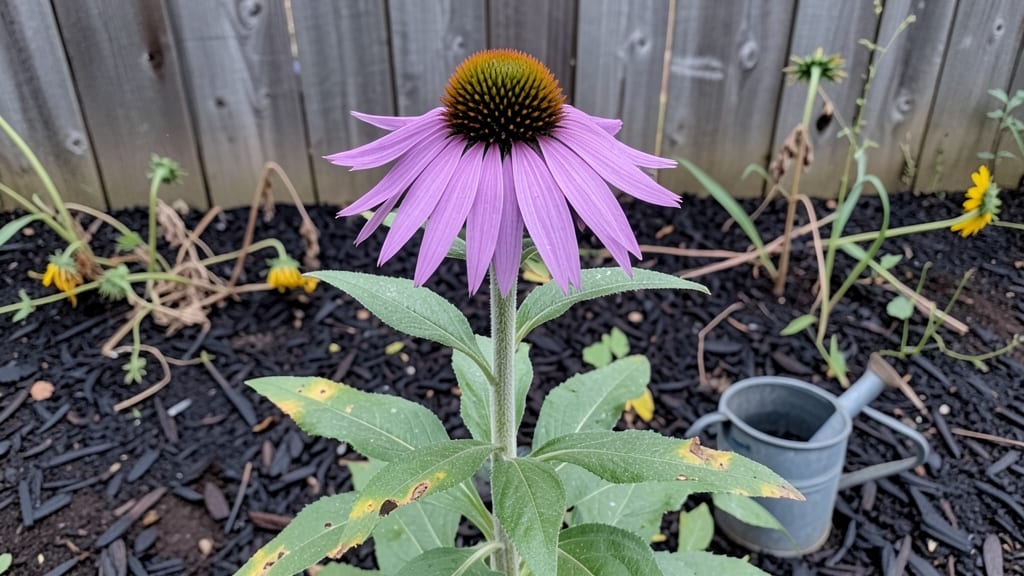
Tall part sun perennials are the unsung heroes of mid-height garden beds, reaching for the sky while still thriving in just a few hours of sunlight each day. 🌿 I remember the first time I spotted a 9-foot-tall Joe Pye weed in my neighbor’s yard—it completely transformed the space, adding drama without demanding full sun.
These plants aren’t just tall; they’re pollinator magnets, seasonal showstoppers, and the perfect way to create vertical interest in shady corners.
The best part? Many of these perennials are low-maintenance and adaptable to different climates. Think blooming stalks of ironweed or the feathery plumes of switchgrass, both of which handle partial shade like pros.
They’ll fill gaps in your garden while requiring minimal fuss—just good soil and occasional deadheading to keep the flowers coming. Spacing them 3-5 feet apart ensures they don’t crowd each other, giving roots room to spread and stems space to sway in the breeze.
By late summer, your garden will hum with activity as bees and butterflies flock to their nectar-rich blooms, and the rusty gold of fall foliage will keep things interesting long after the flowers fade.
These perennials don’t just add height—they create a living tapestry that changes with the seasons, from spring’s first shoots to winter’s dried seed heads. The key is choosing the right mix for your space, whether you’re lining a path, framing a patio, or filling a shady corner.
Here’s the secret: pair them with shorter perennials like hostas or astilbes to create layers, and watch how they elevate even the simplest garden design. Once established, they’ll thrive for years with little more than occasional pruning and a little compost in the spring.
Let’s dive into the best options for your garden!
📚 In This Guide
- What you need
- Instructions
- Tips and common mistakes
- Wrapping up and next steps
What you need
- ● Tall part-sun perennials: 3–5 plants per variety (e.g., Joe Pye Weed, Culver’s Root, or Giant Fleabane). Choose disease-resistant cultivars for longevity.
- ● Well-draining soil: 1–2 cubic yards of native soil mix or compost-amended loam (pH 6.0–7.5). Add 1 part perlite per 3 parts soil for aeration.
- ● Organic mulch: 2–3 inches of wood chips or straw to retain moisture and suppress weeds.
- ● Slow-release fertilizer: 10–15 lbs of 10-10-10 or 5-10-5 (apply at planting and mid-season).
- ● Drip irrigation or soaker hose: 50–100 ft of ½-inch tubing with emitters (adjust for 1–1.5 gallons/hour).
- ● Garden trowel or spade: For digging holes 2x wider and deep as the root ball.
- ● Pruners (bypass or felco): Sharp, sterilized tools for trimming dead foliage or shaping plants.
- ● Garden gloves: Heavy-duty nitrile-coated gloves to protect against thorns (e.g., Rudbeckia or Echinacea).
- ○ Stake or trellis (optional): 5–6 ft bamboo stakes or metal cages for support (e.g., Culver’s Root can grow 6+ ft tall!).
- ● pH test kit: Digital or liquid test strips to verify soil acidity before planting.
- ● Sunlight assessment: Confirm your garden receives 4–6 hours of direct sun (part sun = morning sun + afternoon shade).
- ● Spacious planting area: Minimum 3 ft apart for mature plants (some, like Joe Pye Weed, spread aggressively).
- ● Water source nearby: Part-sun perennials need 1–1.5 inches of water weekly during dry spells.
- ● Local climate knowledge: Check USDA Hardiness Zone compatibility (most tall perennials thrive in Zones 4–9).
How to design a stunning tall part sun perennial border
Here’s how to create a dramatic, low-maintenance perennial garden that thrives in partial shade.
🌿 Step 1: Select the Right Tall Perennials for Your Space
Start with 4-6 varieties that reach 4-6 feet tall at maturity. My top picks are Joe Pye weed (Eutrochium purpureum), Culver’s root (Veronicastrum virginicum), Giant hyssop (Agastache), and Ironweed (Vernonia). These beauties handle 3-6 hours of sun daily and still flourish in dappled shade.
Check your hardiness zone—most of these thrive in zones 4-9. If you’re in a cooler climate, add Russian sage (Perovskia atriplicifolia) for extra winter interest. Plant them in clumps of 3-5 for a natural, full look.
🪴 Step 2: Prepare the Planting Area for Long-Term Success
Clear the space of weeds and loosen the soil to a depth of 12 inches. Amend with 3-4 inches of compost mixed into the top 6 inches of soil. Tall perennials need rich, well-draining soil—they’ll reward you with bold foliage and towering blooms for years.
Dig holes twice as wide as the root ball but only as deep. This encourages roots to spread outward instead of sitting too deep. Water each hole deeply before planting to help settle the soil around roots later.
☀️ Step 3: Plant for Height and Seasonal Interest
Arrange plants in odd-numbered groupings (3, 5, or 7) for a natural, balanced look. Place tallest varieties at the back (like Joe Pye weed) and medium-height perennials in front (like Culver’s root). Leave 18-24 inches between plants—they’ll fill in beautifully over time.
Backfill with soil, pressing gently to remove air pockets. Water deeply again until the soil is moist 6 inches down. Mulch with 2 inches of shredded bark to retain moisture and suppress weeds. This is where the magic happens—your garden will look lush in just one growing season!
💧 Step 4: Water and Feed for Year-Round Growth
Water deeply once a week during the first growing season to establish roots. After that, these perennials are drought-tolerant once established—just check the soil 2 inches down before watering. Overwatering is the biggest mistake gardeners make with tall perennials.
Fertilize once in early spring with a balanced 10-10-10 fertilizer. Skip heavy feeding—these plants thrive on natural soil fertility. Deadhead spent blooms in late summer to encourage a second flush of flowers and keep the garden looking tidy.
✂️ Step 5: Prune and Maintain for Next-Year Beauty
Cut back brown stems in early spring before new growth appears. This keeps the garden neat and encourages fresh foliage. Leave seed heads on a few plants (like Ironweed) for winter interest and pollinators. These perennials are low-maintenance—just remove dead foliage in late winter before new shoots emerge.
Divide clumps every 3-4 years in early spring to keep them vigorous. Dig up the entire plant, separate the roots, and replant sections in fresh spots. Your garden will stay full and thriving with minimal effort!
Tips & tricks for perfect tall part sun perennial borders
These game-changing tips will transform your garden into a vibrant, low-maintenance haven that thrives in partial shade.
Plant Placement Perfection: When arranging your 4-6 varieties in Step 3, think vertically! Place the tallest plants like Joe Pye weed at the very back, then layer medium-height perennials like Culver’s root in front. This creates a stunning, natural staircase effect that draws the eye upward. Group plants in odd-numbered clusters (3, 5, or 7) for that organic, full look—it's a designer trick that makes all the difference!
Soil Secret: The 12-inch soil preparation in Step 2 is where the magic happens. Don't skimp on the 3-4 inches of compost—this is your foundation for years of lush growth. For extra drainage, mix in a handful of perlite or coarse sand if your soil feels heavy. Well-draining soil prevents root rot and helps these tall beauties reach their full potential height of 4-6 feet.
Watering Wisdom: That deep weekly watering during the first year (Step 4) is crucial for establishing strong roots. Use a soaker hose or drip irrigation to deliver water directly to the root zone—this prevents fungal issues from overhead watering. Once established, these perennials become drought-tolerant, but always check 2 inches down before watering to avoid overwatering, which is the biggest mistake gardeners make with tall perennials.
Seasonal Care Strategy: Don't forget about late summer! Deadheading spent blooms (as mentioned in Step 4) encourages a second flush of flowers and keeps your garden looking tidy. For winter interest, leave seed heads on a few plants like Ironweed—they provide food for birds and add beautiful texture to your garden. And that 3-4 year division schedule in Step 5 keeps your plants vigorous and prevents overcrowding.
Pro Tips for Tall Part Sun Perennials
- These game-changing tips will transform your garden into a vibrant, low-maintenance haven that thrives in partial shade.
- Plant Placement Perfection: When arranging your 4-6 varieties in Step 3, think vertically!
- Soil Secret: The 12-inch soil preparation in Step 2 is where the magic happens.
Frequently asked questions
Got questions about growing tall part-sun perennials?
You’re not alone! Here are some of the most common queries—and straightforward answers—to help you create a thriving, pollinator-friendly garden that stands tall all year.
What does "part sun" really mean for these plants?
"Part sun" typically means 3–6 hours of direct sunlight per day, but it can vary slightly by plant. Most tall part-sun perennials (like Joe Pye weed or Russian sage) tolerate morning sun and afternoon shade, especially in hotter climates. Observe your garden’s microclimates—north-facing spots may need more sun, while south-facing areas might require afternoon shade.
When is the best time to plant tall perennials for maximum height?
Plant in early spring or early fall to give roots time to establish before extreme heat or cold. For container-grown plants, you can also tuck them in during mild fall days (like October in most zones). Avoid planting in summer—heat stress slows growth, and your perennials might not reach their full height potential.
Which tall perennials attract the most pollinators?
Top pollinator magnets include:
- Joe Pye weed (Eutrochium) – Loved by butterflies and bees, with tall, feathery blooms.
- Russian sage (Perovskia) – Drought-tolerant and packed with nectar for late-season bees.
- Coneflower (Echinacea) – A magnet for monarchs and hummingbirds.
- Black-eyed Susan (Rudbeckia) – Bright blooms that draw bees and beneficial wasps.
Pro tip: Mix heights (e.g., Joe Pye weed behind coneflower) to create a layered pollinator buffet!
How do I keep tall perennials from flopping in wind or rain?
Floppy stems are a common issue! Try these fixes:
- Stake tall, slender plants (like Russian sage) with bamboo stakes or spiral ties at planting.
- Plant in clumps—groups of 3–5 plants lean on each other for support.
- Choose compact varieties (e.g., ‘Little Spire’ Joe Pye weed) if space is tight.
- Mulch heavily to stabilize roots and reduce wind stress.
For really windy areas, add a low fence or trellis behind the bed.
What’s a good alternative if my garden doesn’t get any sun?
If your spot is full shade (less than 3 hours of sun), swap tall part-sun perennials for shade-loving height stars like:
- Astilbe – Feathery plumes in pink, white, or red.
- Hosta – Bold foliage (some varieties reach 3+ feet!).
- Japanese painted fern (Athypteris) – Lush, architectural fronds.
- Foxglove (Digitalis) – Biennial but stunning vertical interest.
For partial shade (3–6 hours of dappled light), heuchera or coral bells add color and height without full sun demands.
Wrapping up and next steps
Transforming your garden into a year-round pollinator paradise doesn’t have to be complicated—just start with the right tall part-sun perennials! These plants offer height, structure, and beauty while supporting bees, butterflies, and hummingbirds. Whether you’re a seasoned gardener or just beginning, every plant you add makes a difference.
Ready to take the next step? Sketch a simple garden layout with your chosen perennials, noting their mature heights and bloom times. Then, grab your gardening gloves and plant with confidence—your future garden visitors will thank you! 🌿🐝