
Flowers
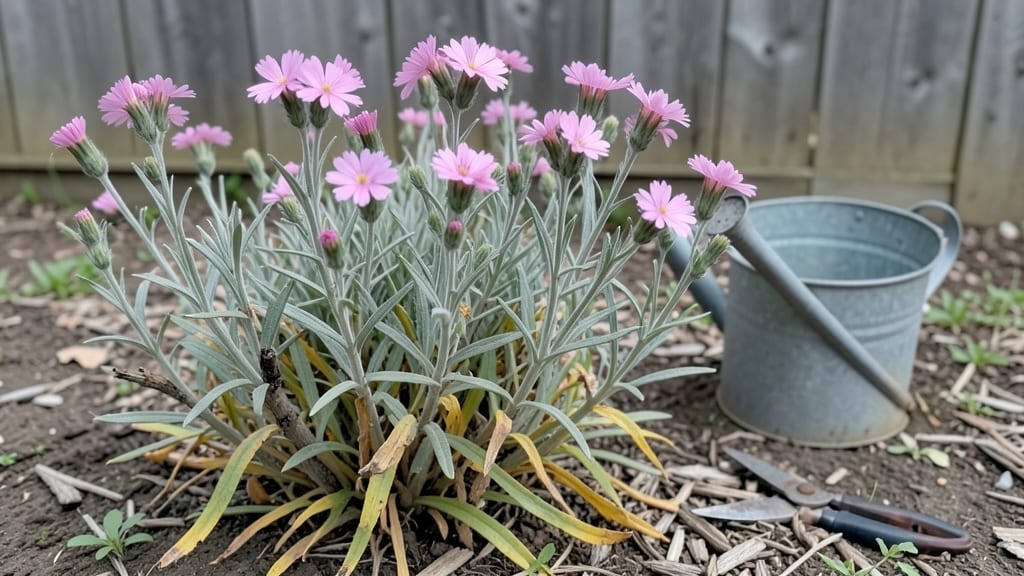
Mastering perennial dianthus care unlocks their secret—these resilient blooms defy heat and cold, gifting you fragrant clusters from summer’s start all the way to frost. with almost no fuss. The key isn’t babying them; it’s giving them the right conditions to handle whatever climate throws at them.
Start with full sun—at least 6 hours daily—and well-draining soil that mimics their Mediterranean roots. Sandy loam or amended clay with grit works best, and a slight alkaline pH keeps them happy.
Water deeply but infrequently; dianthus hate soggy roots, so let the top inch dry between drinks. A 3-inch layer of mulch in winter protects tender roots from freeze-thaw cycles that split stems.
Pruning isn’t just about tidiness—it’s about next year’s performance. After the first flush of blooms fades, trim back spent stems by half to encourage a second wave. In late fall, cut back one-third of the plant to shape it and remove any dead foliage.
The result? A compact, bushy plant that bursts with color earlier each spring and stays pest-free longer.
Here’s the secret weapon: dianthus love a light feeding in early spring with a balanced 10-10-10 fertilizer. Too much nitrogen makes them floppy and leafy instead of blooming, so skip the heavy-handed approach.
With these basics, you’ll have a border that outlasts annuals and outshines everything else in your garden—no matter what Mother Nature sends your way.
📚 In This Guide
- What you need
- Instructions
- Tips and common mistakes
- Wrapping up and next steps
What you need
- ● Perennial dianthus plants – Choose frost-hardy varieties like Dianthus barbatus or Dianthus gratianopolitanus (2–5 plants per 1 sq ft for full coverage).
- ● Well-draining potting mix – A blend of 50% garden soil, 30% perlite or coarse sand, and 20% compost (avoid heavy clay!).
- ● Organic mulch – 2–3 inches of shredded bark, straw, or pine needles to retain moisture and insulate roots.
- ● Balanced fertilizer – A 10-10-10 or 20-20-20 NPK blend (apply every 4–6 weeks during growing season).
- ● Slow-release granules – 5–10 lbs per 100 sq ft of osmocote or similar for seasonal feeding.
- ● Garden trowel or transplant spade – For planting and soil prep.
- ● Pruning shears – Bypass-style (sharp and clean) for deadheading and shaping.
- ● Garden hose with adjustable nozzle – For deep watering (aim for 1 inch per week).
- ● pH test kit – Dianthus thrives in slightly alkaline soil (pH 6.0–7.0).
- ● Frost cloth or row covers – Lightweight, breathable fabric for young plants in temperatures below 25°F.
- ● Epsom salt – 1 tbsp per gallon of water monthly for magnesium boosts.
- ● Compost tea – For a natural foliar feed (brew 1 part compost to 5 parts water).
- ● Decorative stones or gravel – 1–2 inches deep around plants to improve drainage.
- ● Self-watering containers – If growing in pots (ensure drainage holes!).
How to keep your perennial dianthus thriving through every season
Here's the straightforward approach I've used to keep my hardy dianthus blooming reliably in tough climates.
Plant in Well-Draining Soil with Full Sun Exposure
Dianthus demands well-draining soil—this plant hates soggy roots. Mix the 1 part sand from your materials list into 2 parts native soil to improve drainage. Work it into the top 8 inches of your planting area. The roots need air circulation to prevent rot, especially in winter when water pools differently.
Choose a location with at least 6 hours of direct sun daily. Morning sun with afternoon shade works in hotter climates, but full sun produces the most vibrant blooms. Dig holes twice as wide as the root ball but only as deep as the container's height. This prevents burying the crown too deeply, which leads to stem rot.
Water Deeply but Infrequently After Establishment
Once planted, water deeply once a week unless you've had 1 inch of rain. The key is encouraging deep root growth rather than shallow, frequent watering. Stick your finger 2 inches into the soil—if it feels dry, that's your signal to water. Overwatering causes the leaves to yellow and the plant to wilt, even in cool weather.
After the first month, reduce watering to every 10-14 days unless your area experiences a heatwave. Dianthus stores water in its fleshy leaves, so it's remarkably drought-tolerant once established. If you see the leaves pucker, it's thirsty—but don't overcompensate. Too much water in winter can kill the plant before spring.
Deadhead Spent Blooms and Prune in Late Summer
Pinch off faded flowers right at the base using clean pruners or your fingers. This redirects the plant's energy toward new blooms instead of seed production. I like to do this every 2-3 days during peak bloom to keep the flowers coming. Deadheading also prevents the plant from looking ragged and encourages a second flush of blooms in late summer.
In late August, cut back the entire plant by one-third to promote bushier growth. This prevents leggy stems and ensures a stronger base for next year's blooms. Avoid pruning in fall—you want the plant to harden off naturally. Use sharp pruners to make clean cuts and sterilize them with rubbing alcohol between plants to prevent disease spread.
Protect from Winter Conditions Without Overwhelming
Dianthus is frost-resistant, but heavy snow or ice can damage the stems. In areas with below 0°F winters, mound 2-3 inches of mulch around the base after the ground freezes. Use the 1 bag of mulch from your supplies, spreading it evenly but not touching the stems. This insulates the roots while allowing air circulation to prevent rot.
In spring, remove the mulch as soon as the ground thaws to prevent the crown from suffocating. Watch for new growth in late March or early April—this is your cue that winter is over. If you see mold or slimy stems after removing mulch, brush it off gently and let the plant air out for a few days before watering.
Fertilize Lightly in Early Spring for Next Year's Blooms
Apply a balanced 10-10-10 fertilizer at half strength in early April, right as new growth appears. Use 1 tablespoon per plant and water it in immediately. This gives the plant a gentle boost without encouraging too much leafy growth at the expense of flowers. Avoid fertilizing in summer—it can stress the plant before winter.
If your dianthus looks particularly weak after winter, repeat the application in mid-May. You'll see the difference in 3-4 weeks—healthier stems, more vibrant blooms, and better disease resistance. Skip the fertilizer in fall, as the plant needs to prepare for dormancy. Too much nitrogen late in the season leads to soft, weak growth that won't survive winter.
Tips & tricks for perfect perennial dianthus care
Keeping your dianthus thriving in tough climates takes a few strategic moves—here's what I've learned after years of growing these resilient beauties.
Soil Preparation Matters: When mixing your 1 part sand with 2 parts native soil, don't just scratch it in—work it into the top 8 inches thoroughly. I use a garden fork to loosen the soil first, then blend in the sand. This creates proper drainage channels that prevent root rot, especially important during winter when water behaves differently. The roots need that air circulation to stay healthy.
Sunlight Strategy: That 6 hours of direct sun is non-negotiable for vibrant blooms, but here's the trick: if your climate gets extremely hot, position plants where they get morning sun and afternoon shade. I've seen dianthus in full sun all day produce beautiful flowers, but in Zone 8+ summers, the afternoon shade makes a noticeable difference in leaf health without sacrificing bloom quality.
Watering Wisdom: The 2-inch soil check is your best friend—stick your finger in and feel for dryness. I've learned the hard way that dianthus can handle drought better than soggy soil. After that first month, when you reduce to every 10-14 days, watch for those puckered leaves—they're telling you it's thirsty. But remember, too much water in winter is what kills these plants before spring arrives.
Pruning Precision: When you cut back by one-third in late August, aim for clean cuts just above a leaf node. I use sharp pruners and make the cuts at a 45-degree angle to prevent water from pooling. Sterilizing between plants with rubbing alcohol is crucial—it's prevented fungal issues in my garden every year. And never prune in fall, even if the plant looks leggy—let it harden off naturally for winter survival.
Pro Tips for Perennial Dianthus Care
- Keeping your dianthus thriving in tough climates takes a few strategic moves—here's what I've learned after years of growing these resilient beauties.
- Soil Preparation Matters: When mixing your 1 part sand with 2 parts native soil, don't just scratch it in—work it into the top 8 inches thoroughly.
- Sunlight Strategy: That 6 hours of direct sun is non-negotiable for vibrant blooms, but here's the trick: if your climate gets extremely hot, position plants where they get morning sun and afternoon shade.
Frequently asked questions
Got questions about keeping your perennial dianthus happy and thriving? You’re not alone! Here are answers to the most common concerns—from frost survival to pest problems—so you can enjoy that stunning, long-lasting color year after year.
Can perennial dianthus survive freezing temperatures?
Yes! Most varieties are frost-resistant down to 10–20°F, but young plants or tender types may need mulch in extreme cold. Hardy cultivars like Dianthus barbatus or Dianthus gratianopolitanus bounce back beautifully after winter. Just avoid soggy soil—drainage is key!
When is the best time to prune perennial dianthus?
Prune right after flowering (late spring/early summer) to encourage a second bloom. Cut back 1/3 of the plant to shape it, but avoid heavy pruning in fall—it needs foliage to protect roots over winter. Never prune in winter unless deadheading faded blooms.
How do I prevent pests like aphids or slugs from eating my dianthus?
Slugs? Beer traps or diatomaceous earth work wonders. Aphids? Spray with soapy water or introduce ladybugs. For prevention, space plants 12+ inches apart for airflow and mulch with gravel (slugs hate it!). Healthy soil = fewer pests!
Can I grow perennial dianthus in containers?
Use well-draining pots with sandy loam and ensure they’re at least 12 inches deep. Place containers in full sun and water only when the top inch of soil is dry. Dwarf varieties like Dianthus ‘Firewitch’ thrive in containers—just fertilize lightly in spring.
What’s a good alternative if my dianthus struggles in my climate?
If your zone is too hot or humid, try sedum (drought-tolerant), lavender (fragrant and hardy), or ice plant (Delosperma). For shadier spots, heuchera or coral bells (Heuchera) offer similar color and texture with less fuss.
Wrapping up and next steps
Caring for perennial dianthus is all about embracing their hardy nature—with the right sunlight, well-draining soil, and a little seasonal attention, these frost-resistant beauties will reward you with vibrant blooms year after year! 🌸 Whether you’re a new gardener or a seasoned pro, their low-maintenance charm makes them a perfect addition to any garden.
Now that you’re armed with the essentials, why not plant your first dianthus this weekend? Grab some seeds or cuttings, pick a sunny spot, and watch your garden transform into a fragrant, resilient masterpiece!