
Flowers
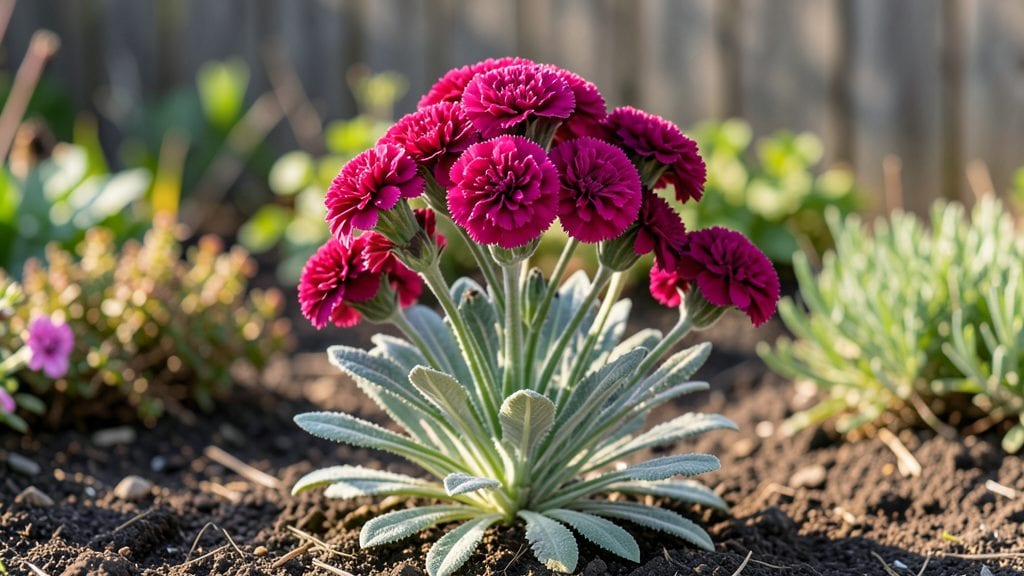
This sweet william annual or perennial may seem tricky—it blooms boldly its second year as a biennial, but with clever tricks, you can coax it into acting like a short-lived perennial. 🌿 I’ve grown these fragrant clusters for years, and while they don’t last forever, they reward patience with bold colors and honey-scented blooms that draw pollinators all summer.
In USDA Zones 5-9, Sweet William often self-seeds prolifically, giving you free plants for years. Full sun and well-draining soil are non-negotiable—soggy roots mean floppy stems and fewer blooms. Plant seeds in early spring or fall, and keep them moist until germination, which usually takes 10-14 days.
You’ll get 3-4 weeks of nonstop blooms starting in late spring, with clusters that last weeks in vases. Pair them with catmint or salvia for a pollinator magnet, or tuck them into cottage gardens where their ruffled petals add texture.
Just don’t expect them to outlast perennials—they’ll fade after 2-3 years unless you refresh the patch.
For long-term displays, treat them like annuals and replant fresh seeds each fall. In colder zones, mulch heavily to protect roots over winter. The trade-off? More color for less effort—these cheerful blooms make up for their fleeting nature with sheer impact.
📚 In This Guide
- What you need
- Instructions
- Tips and common mistakes
- Wrapping up and next steps
What you need
- ● Sweet William seeds or seedlings: Seeds: 1 packet (typically 50-100 seeds) for a small garden bed (4’ x 4’).
- ● Seedlings: 10-20 plants for the same space (check spacing on the tag—usually 6-12 inches apart).
- ● Well-draining potting mix or garden soil: 5-10 gallons for containers (if growing in pots).
- ● Amend garden soil with compost (1 part compost to 3 parts soil) for better drainage.
- ● Fertilizer: Balanced, slow-release granular fertilizer (10-10-10 or 20-20-20).
- ● OR organic options like fish emulsion or compost tea.
- ● Watering can or hose with a gentle spray nozzle.
- ● Garden gloves and hand trowel.
- ● Planting: Measuring tape or ruler (for spacing).
- ● Row marker or sticks (to keep seeds/seedlings evenly spaced).
- ● Support (for tall varieties): Small stakes or tomato cages (if stems flop in wind/rain).
- ● Mulch: Organic mulch (straw or shredded bark) to retain moisture and suppress weeds.
- ○ Deadheading shears (optional): For pruning spent blooms to encourage more flowers.
- ● Cold frame or greenhouse (for perennials in cold climates): Extends the growing season if you’re pushing the limits of your zone.
How to plant and care for sweet william for long-lasting blooms
Here's the straightforward approach I use to grow sweet william—whether you want annual color or perennial returns.
🌱 Step 1: Choose the Right Location and Soil
Sweet william thrives in partial shade to full sun, but too much direct afternoon sun can scorch the delicate blooms. I always plant mine where they get morning sun and afternoon shade, especially in hotter climates. The soil should be well-draining but consistently moist—amend heavy clay with 2-3 inches of compost to improve drainage.
Test your soil's moisture by squeezing a handful—it should hold together but not feel soggy. If your soil drains too quickly, mix in 1 part peat moss to retain moisture. Sweet william roots are shallow, so avoid areas where water pools after rain. A slightly acidic to neutral pH (6.0-7.0) works best, but the plants are forgiving if your soil leans slightly alkaline.
🪴 Step 2: Plant Seeds or Transplants at the Right Time
For annual sweet william, sow seeds 4-6 weeks before your last frost date indoors under grow lights. Press seeds ¼ inch deep into moist seed-starting mix and keep them at 65-70°F until germination, which takes 10-21 days. Thin seedlings to 6 inches apart once they develop their first true leaves.
If starting with perennial sweet william, plant bare-root divisions or container-grown plants in early spring after the soil warms to 50°F. Space plants 12-18 inches apart—closer spacing encourages dense clusters, but give them room if you want taller stems for cutting. Water deeply right after planting to settle the soil and remove any air pockets around the roots.
☀️ Step 3: Water and Fertilize for Continuous Blooms
Sweet william needs consistent moisture, especially during flowering. Water at the base of the plant in the morning so the foliage stays dry—wet leaves invite fungal diseases like powdery mildew. Aim for 1 inch of water per week, adjusting for rain. You'll know it's right when the top 2 inches of soil feel slightly damp but not waterlogged.
Feed plants with a balanced, water-soluble fertilizer (10-10-10) every 4-6 weeks during the growing season. For perennials, reduce feeding in late summer to encourage root strengthening before winter. Deadhead spent blooms by snipping stems ½ inch above the next set of leaves—this redirects energy to new flowers and keeps clusters full. I always do this on a dry morning so the cuts heal quickly.
✂️ Step 4: Prune and Overwinter for Perennial Returns
After the first frost blackens the foliage, cut back perennial sweet william stems to 2-3 inches above the ground. This prevents disease buildup in old stems and makes it easier to spot new growth in spring. Mulch around the base with 2-3 inches of shredded bark to insulate roots and retain moisture over winter.
In early spring, remove the mulch and prune again to 4-6 inches tall before new growth appears. This encourages bushier stems and prevents flopping. Perennial sweet william often self-seeds, so thin out excess seedlings in spring to maintain your desired spacing. If you notice leggy growth, your plant needs more light—move it to a sunnier spot gradually over a week to avoid shock.
Tips & tricks for perfect sweet william blooms
A few simple tricks will help you grow sweet william that thrives year after year with minimal effort.
Location and Lighting: I've found that sweet william does best when positioned to catch morning sun and afternoon shade—this prevents the delicate blooms from scorching. In hotter climates, a spot with dappled shade works wonders. If you're unsure about your garden's light conditions, observe how nearby plants grow: if they thrive, sweet william likely will too.
Soil Preparation: The secret to consistent moisture lies in proper soil prep. Before planting, mix in 2-3 inches of compost to improve drainage while retaining moisture. For sandy soils, add 1 part peat moss to help hold water without becoming waterlogged. Test your soil's moisture by squeezing a handful—it should feel like a damp sponge, not a wet rag.
Planting Timing: For annual sweet william, starting seeds indoors 4-6 weeks before your last frost date gives them the head start they need. Keep them at a steady 65-70°F until germination (which can take anywhere from 10 to 21 days). For perennials, wait until the soil warms to 50°F—this ensures roots establish properly before summer heat arrives.
Ongoing Care: Deadheading spent blooms by snipping stems ½ inch above the next set of leaves keeps your plants flowering continuously. I always do this on dry mornings to prevent disease entry points. For perennials, reduce fertilizer applications in late summer to help roots strengthen before winter—this simple adjustment makes a big difference in next year's blooms.
Pro Tips for Sweet William Annual Or Perennial
- A few simple tricks will help you grow sweet william that thrives year after year with minimal effort.
- Location and Lighting: I've found that sweet william does best when positioned to catch morning sun and afternoon shade—this prevents the delicate blooms from scorching.
- Soil Preparation: The secret to consistent moisture lies in proper soil prep.
Frequently asked questions
Is Sweet William an annual or perennial flower?
Sweet William (Dianthus barbatus) is typically grown as an annual in most climates, though it may self-seed and return for a few years. In cooler regions (USDA Zones 4-8), it can behave as a short-lived perennial with proper care. For guaranteed returns, replant seeds yearly or opt for hardier varieties like Dianthus chinensis.
When is the best time to plant Sweet William for blooms?
Plant seeds 6-8 weeks before your last frost date (early spring) for summer blooms. For fall color, sow seeds in late summer. Transplants can go in after frost danger passes. Pro tip: Sweet William thrives in cool weather—avoid planting in scorching heat, which stresses young plants.
How do I encourage Sweet William to self-seed?
Let spent blooms go to seed after flowering (don’t deadhead!). Choose a sunny, well-drained spot and avoid heavy mulch. In mild winters, seedlings may emerge the following spring. Warning: Self-seeding can be unpredictable—thin seedlings to avoid overcrowding.
Why isn’t my Sweet William flowering?
Lack of blooms often stems from over-fertilizing with high nitrogen (promotes foliage, not flowers), poor sunlight (needs 6+ hours of sun), or crowded roots. Try deadheading spent blooms and using a balanced fertilizer (10-10-10) in early spring. Bonus: Pinch back young plants to encourage bushier growth and more flowers!
What are some fragrant alternatives to Sweet William?
If you love Sweet William’s scent but want long-term perennials, try:
- Sweet Alyssum (Lobularia maritima) – Tiny white/purple blooms, honey-scented, annual but self-seeds.
- Clove Pink (Dianthus caryophyllus) – Perennial in Zones 4-9, intensely fragrant.
- Stock (Matthiola incana) – Tall spikes with intoxicating perfume, biennial/perennial.
- Lavender (Lavandula) – Drought-tolerant, perennial, and ultra-aromatic.
Wrapping up and next steps
Whether you choose Sweet William as an annual or perennial, its fragrant charm and vibrant blooms are sure to brighten your garden year after year! With the right care—like well-draining soil, consistent watering, and a sunny spot—you’ll enjoy its cheerful clusters for seasons to come.
Ready to dive in? Grab your gardening gloves, pick your favorite variety, and start planting! 🌸🌱