
Flowers
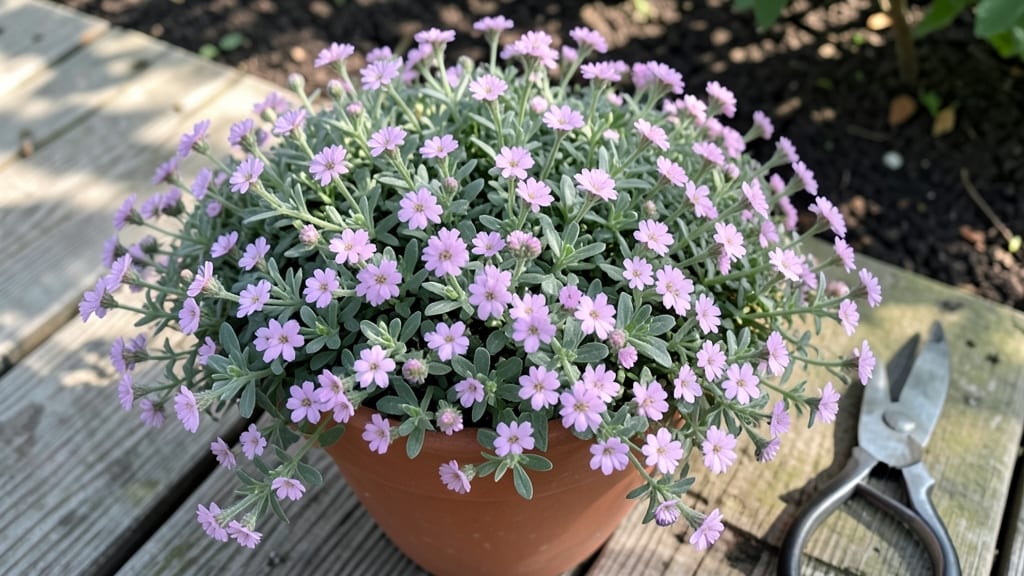
Sweet alyssum—whether planted as an annual or perennial—grows effortlessly in most gardens, but its honey-scented blooms and pollinator love make it worth replanting every spring. 🌿 I’ve watched bees and butterflies flock to my patches year after year, even though I treat it like an annual in my Zone 6 garden.
The confusion comes from how it behaves differently in mild winters versus cold climates, but the key is simple: plant it early, keep it happy, and enjoy the show.
This little white or purple flower thrives in cool weather, which is why it’s a staple in spring and fall gardens. It needs well-draining soil and at least 4-6 hours of sunlight daily, though it tolerates partial shade better than full sun’s heat. The secret to long-term success?
Start seeds indoors 6-8 weeks before your last frost or sow directly when soil temps hit 50°F, and keep it deadheaded to encourage nonstop blooms. Most gardeners replant each year because it bolts in summer heat, but in Zone 8 and warmer, it might self-seed or overwinter with protection.
What you’ll love most is how effortlessly it fills gaps between other plants, spilling over containers or lining walkways with its sweet fragrance. The flowers attract beneficial insects like ladybugs and lacewings, which means fewer pests in your garden.
For overwintering attempts, mulch heavily in Zone 7 and use frost blankets in colder areas—but honestly, the annual replanting is simpler and just as rewarding. Once you see how quickly it grows from seed, you’ll never buy transplants again.
Here’s the best part: sweet alyssum’s simple needs mean even beginner gardeners can nail it. The biggest mistake? Letting it dry out or planting it too late in the season.
Stick to cool weather, keep the soil moist but not soggy, and you’ll have a pollinator magnet that outshines many perennials. Ready to make it a garden staple? Let’s get those seeds started.
📚 In This Guide
- What you need
- Instructions
- Tips and common mistakes
- Wrapping up and next steps
What you need
- ● Sweet Alyssum Seeds or Plants: Annual varieties: Lobularia maritima (e.g., 'Snow Crystal' or 'Tiny Tangerine')
- ● Perennial varieties (if available in your climate zone): Lobularia marginata (check hardiness zones 7-10)
- ● Quantity: 10-20 seeds per square foot or 1-2 plants per 6-inch spacing
- ● Well-Draining Soil: Mix 1 part potting soil with 1 part perlite or sand (for containers) or amend garden beds with compost.
- ○ Containers (Optional but Handy): Hang baskets, window boxes, or pots (minimum 6-inch depth)
- ● Drainage holes are a must—no exceptions!
- ● Garden Gloves (to protect hands from prickly stems)
- ● Trowel or Small Hand Shovel (for transplanting seedlings)
- ● Spray Bottle (for gentle watering of seeds)
- ● Pruning Shears (to trim spent blooms and encourage bushiness)
- ○ pH Test Kit (Optional but Helpful): Aim for 6.0–7.0—sweet alyssum loves slightly acidic to neutral soil!
- ● Sunlight: Full sun (6+ hours/day) for vibrant blooms; tolerates partial shade (3-6 hours).
- ● Watering Schedule: Keep soil consistently moist but not soggy (especially for seedlings). Mature plants are drought-tolerant!
- ● Climate Zone: Annual in zones 3-10; perennial in 7-10 (check local frost dates for timing).
- ● Pollinator-Friendly Space: Plant near other nectar-rich flowers (like marigolds or lavender) to attract bees and butterflies! 🐝
How to cultivate sweet alyssum for year-round fragrance and pollinator appeal
Sweet alyssum thrives as both an annual and perennial—here’s how to grow it for lasting blooms and honey-scented charm.
🌱 Step 1: Choose the Right Variety and Planting Time
Sweet alyssum grows best in cool seasons, making it perfect for spring and fall plantings. If you live in a mild climate, it may even overwinter as a perennial. Start with seeds or transplants—seeds germinate best at 60-70°F and typically sprout in 7-14 days when kept consistently moist.
For annual plantings, sow seeds 4-6 weeks before the last frost indoors or directly in the garden. If you’re treating it as a perennial, plant in early spring or late summer to avoid summer heat stress. I’ve found that compact varieties like ‘Snow Crystal’ or ‘Esther’ perform best in containers, while taller types like ‘Big Smile’ thrive in garden beds.
☀️ Step 2: Select Well-Draining Soil and Full Sun
Sweet alyssum dislikes soggy roots, so amend your soil with compost to improve drainage. A mix of 50% garden soil and 50% organic matter works well. Test your soil’s pH—sweet alyssum prefers 6.0-7.0, which most garden soils naturally provide.
Plant in full sun to partial shade (at least 4-6 hours of sunlight daily). In hot climates, afternoon shade prevents wilting. Space plants 6-12 inches apart, depending on the variety. You’ll see the first true leaves emerge in 2-3 weeks—this is your cue to thin seedlings if needed, keeping the strongest stems.
💧 Step 3: Water and Fertilize for Continuous Blooms
Water deeply once a week, allowing the top inch of soil to dry out between waterings. Overwatering causes root rot, so I always check moisture by touch before adding more. In containers, water more frequently—every 2-3 days—since pots dry out faster.
Feed lightly with a balanced, water-soluble fertilizer (10-10-10) every 4-6 weeks during the growing season. Too much fertilizer leads to lush foliage but fewer flowers. Deadhead spent blooms regularly to encourage nonstop flowering—this keeps the plant bushy and fragrant.
✂️ Step 4: Prune and Overwinter for Perennial Growth
After the first frost, cut back annual sweet alyssum to 2 inches tall to promote a tidy finish. If growing as a perennial, mulch with 2-3 inches of straw to protect roots from freezing. In spring, trim back any dead growth before new shoots appear.
For overwintering, choose a sheltered spot or bring potted plants indoors to a cool (40-50°F) garage or basement. Resume outdoor care in early spring once temperatures stabilize. You’ll notice fresh green growth in 3-4 weeks, signaling it’s ready to bloom again.
🪴 Step 5: Extend the Season in Containers
Sweet alyssum excels in containers, making it ideal for balconies and patios. Use 5-6 inch pots for each plant, ensuring they have drainage holes. Group containers together to create a fragrant, pollinator-friendly display.
In late summer, replace spent annual plants with new seedlings to maintain year-round color. Perennial varieties in containers may need winter protection, like wrapping pots in bubble wrap or moving them to a sheltered area. With proper care, your sweet alyssum will reward you with months of sweet fragrance and buzzing pollinators.
Tips & tricks for perfect sweet alyssum cultivation
Sweet alyssum might seem delicate, but a few key tricks will transform it into a fragrant, pollinator-loving powerhouse in your garden.
Germination Secret: To ensure those 7-14 day germination times in Step 1, keep your seed-starting mix consistently moist but not soggy. I place my seed trays on a bed of damp pebbles in a shallow tray—this creates perfect humidity without drowning the seeds. Once you see those first true leaves in 2-3 weeks, harden off seedlings gradually by moving them outside for increasing periods each day.
Soil Strategy: The 50% garden soil/50% organic matter mix in Step 2 is non-negotiable for preventing soggy roots. If your native soil is heavy clay, add perlite or coarse sand to improve drainage. For containers, mix in a handful of worm castings—they add beneficial microbes that help sweet alyssum thrive. Remember, this plant hates wet feet, so always check drainage before planting.
Watering Wisdom: That once-a-week watering guideline in Step 3 works for garden beds, but containers need more frequent attention—every 2-3 days as mentioned. The top inch test is foolproof: stick your finger in the soil. If it feels dry, water thoroughly until it runs out the drainage holes. Overwatering causes root rot, which is the #1 killer of sweet alyssum.
Overwintering Hack: For perennial varieties, that 40-50°F garage overwintering tip in Step 4 works wonders. I wrap my containers in bubble wrap and place them on a bed of straw for extra insulation. In spring, when you see fresh growth in 3-4 weeks, gradually reintroduce them to outdoor conditions by moving them to a sheltered spot for increasing periods each day.
Pro Tips for Sweet Alyssum Annual Or Perennial
- Sweet alyssum might seem delicate, but a few key tricks will transform it into a fragrant, pollinator-loving powerhouse in your garden.
- Germination Secret: To ensure those 7-14 day germination times in Step 1, keep your seed-starting mix consistently moist but not soggy.
- Soil Strategy: The 50% garden soil/50% organic matter mix in Step 2 is non-negotiable for preventing soggy roots.
Frequently asked questions
Got questions about sweet alyssum? You’re not alone! Here are answers to the most common concerns—whether you're planning a garden, troubleshooting issues, or just curious about this fragrant beauty.
Is sweet alyssum annual or perennial?
Most varieties of sweet alyssum (Lobularia maritima) are annuals, thriving for one season in cooler climates (USDA Zones 7-10). However, in mild winter regions (like coastal areas), they may act as short-lived perennials, returning for 2-3 years. Check your local nursery for perennial cultivars like Sweet Alyssum ‘Dwarf Blue’, which may persist longer.
When is the best time to plant sweet alyssum?
Plant sweet alyssum in early spring or late summer for best results. For spring blooms, sow seeds 4-6 weeks before the last frost. In warm climates, fall planting (August-September) ensures winter and early spring flowers. Pro tip: Thin seedlings to 6–8 inches apart for optimal airflow and blooms!
Does sweet alyssum attract bees and butterflies?
Sweet alyssum is a pollinator magnet, especially for bees and hoverflies. Its tiny white, pink, or purple flowers produce nectar, making it a top choice for bee-friendly gardens. Pair it with lavender or marigolds to create a buzzing ecosystem. Bonus: It thrives in containers too—perfect for balconies!
Why isn’t my sweet alyssum blooming?
Common culprits include overcrowding, lack of sunlight (6+ hours daily), or excessive fertilizer (which promotes leaves over flowers). Try these fixes:
- Prune leggy stems to encourage bushier growth.
- Water deeply but avoid soggy soil.
- Deadhead spent blooms to prompt new flowers.
What are good alternatives if sweet alyssum doesn’t thrive?
If your climate or soil isn’t ideal, try these fragrant, pollinator-friendly swaps:
Plant
Why It Works
Calendula (Pot Marigold)
Edible, drought-tolerant, and attracts bees.
Dianthus (Pinks)
Sweet-scented, perennial in many zones, and low-maintenance.
Bacopa (Water Hyssop)
Heat-loving annual with delicate blooms and a honey-like fragrance.
For longer blooms, consider alyssum’s cousin, Lobularia hybrids, which may offer extended seasons.
Wrapping up and next steps
Whether you’re drawn to sweet alyssum’s delicate blooms or its ability to attract pollinators, this versatile plant is a game-changer for gardens! 🌸 Remember, while it’s typically grown as an annual, some varieties can behave like perennials in milder climates—so experiment and enjoy its year-round charm.
Ready to transform your space? Grab some seeds, follow the tips, and watch your garden buzz with life (and sweetness)! 🐝
Next step: Start small—plant a few pots or a border, and let sweet alyssum work its magic. Happy gardening!