
Flowers
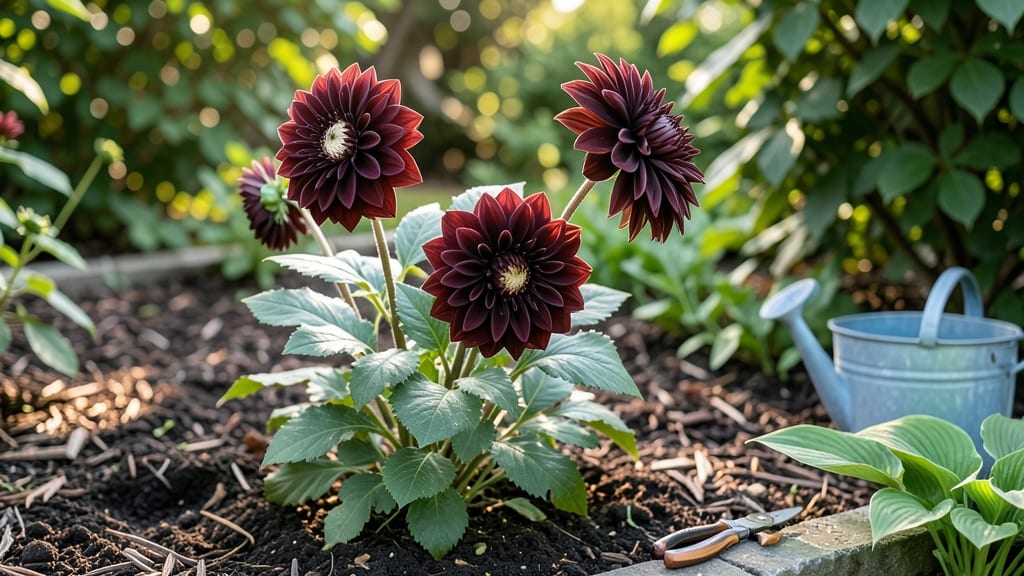
Summer perennial bulbs like dahlias and cannas deliver bold, long-lasting blooms that come back bigger every year—no replanting required. 🌻 I’ve learned the hard way that planting them too late or neglecting summer care means missing out on their showstopping displays, so timing and maintenance make all the difference.
The secret to their reliability starts in early spring when you prep the soil and divide congested clumps. Then, once they bloom, consistent watering and deadheading spent flowers keeps them thriving through the heat. Varieties like daylilies handle drought better, while cannas need regular moisture to prevent flopping stems.
By mid-summer, you’ll have a garden packed with fragrant, vibrant blooms that attract pollinators and keep coming back year after year. The best part? These perennials multiply underground, giving you free plants to share or replant. Let’s get those bulbs in the ground right.
Whether you’re in a hot, dry climate or a humid region, the care principles stay the same—just adjust watering frequency. These bulbs reward patience with low-maintenance, high-impact color that outshines annuals every time.
Understanding Bulb Decline Causes
Summer perennial bulbs like Dahlia, Canna, and Daylily are prized for their vibrant blooms and low-maintenance charm—but even the hardiest varieties can struggle. If your bulbs aren’t returning year after year, the issue likely stems from one (or more) of these common biological and environmental factors.
Let’s break down the science behind why bulbs fail to thrive.
Bulbs are adapted to specific temperature ranges, and extreme heat or cold can disrupt their dormancy cycles or damage stored nutrients. Here’s how it happens:
- Overheating: Summer bulbs like Dahlias and Tuberous Begonias store energy in underground tubers. If soil temperatures exceed 85°F (29°C) for prolonged periods, the tubers can cook, leading to rotting or desiccation. Why? High heat accelerates cellular respiration, depleting starch reserves faster than the bulb can replenish them.
- Freeze Damage: Even cold-hardy bulbs (e.g., Crocus or Allium) suffer if exposed to sub-zero temperatures before full dormancy. Ice crystals form in plant cells, rupturing membranes and killing tissue. Pro tip: Mulch with 4–6 inches of straw or leaves to insulate bulbs in winter.
- Temperature Fluctuations: Rapid swings (e.g., hot days followed by cold nights) stress bulbs, triggering premature sprouting or stunted growth. This is especially true for tropical bulbs like Canna, which need consistent warmth to avoid shock.
Actionable fix: Monitor soil temps with a soil thermometer and adjust planting depth (deeper = cooler) or use shade cloth in scorching climates.
Water is a double-edged sword for bulbs. Overwatering suffocates roots by cutting off oxygen, while drought stress forces bulbs to divert energy away from storage. Here’s the science:
| Issue | Why It Happens | Signs to Watch For |
|---|---|---|
| Overwatering | Waterlogged soil leads to anaerobic conditions, where roots can’t absorb oxygen. Bulbs like Tulips or Daffodils rot within 3–5 days of saturation. | Mushy, blackened tubers; foul odor; wilting despite moist soil. |
| Underwatering | Bulbs rely on transpiration (water movement through plants) to transport nutrients. Drought triggers osmotic stress, causing cells to shrink and die. | Brittle, papery leaves; hollow stems; tubers shrivel like raisins. |
| Poor Drainage | Clay or compacted soil traps water, while sandy soil drains too quickly. Both scenarios starve roots of available oxygen and nutrients. | Bulbs sprout but fail to flower; yellowing foliage. |
Actionable fix:
- Amend soil with compost or perlite to improve drainage.
- Water deeply 1–2 times per week (adjust for rain) and avoid wetting foliage (reduces fungal risks).
- For potted bulbs, use containers with drainage holes and a cactus/succulent mix.
Bulbs are sitting ducks for underground pests and pathogens that gnaw on tubers or infect foliage. The damage isn’t always visible until it’s too late. Here’s what’s really happening:
- Rodents & Squirrels: These critters mistake bulbs for snacks (especially Tulips and Daffodils). A single gnaw can destroy an entire bulb’s growing point. Why? Bulbs contain toxin precursors (like lycorine in Daffodils), but rodents ignore them until other food is scarce.
- Grubs & Wireworms: Larvae of Japanese Beetles and Click Beetles burrow into tubers, creating entry points for bacteria. Their chewing disrupts the bulb’s vascular system.
- Fungal Infections: Botrytis (gray mold) and Fusarium thrive in humid, poorly ventilated conditions. They produce toxins that block nutrient uptake, causing bulbs to wither without flowering.
- Viral Diseases: Aphids spread Tobacco Mosaic Virus, causing mosaic patterns on leaves and stunted growth. Infected bulbs won’t multiply.
Actionable fix:
- Use copper mesh barriers or castor oil spray to deter rodents.
- Apply neem oil or beneficial nematodes to target grubs.
- Rotate planting locations yearly to break disease cycles.
- Store harvested bulbs in a cool, dry place with airflow (e.g., 50–60°F / 10–15°C).
Even if bulbs survive the growing season, improper handling after bloom can doom them for next year. Here’s how storage mistakes sabotage bulbs:
- Harvesting Too Early: Bulbs need 6–8 weeks of foliage growth post-bloom to replenish starch reserves. Cutting back stems too soon leaves them energy-depleted.
- Moisture During Storage: Damp tubers develop mold or bacterial soft rot within days. Why? Fungal spores thrive in >70% humidity, and bulbs can’t dry out if stored in a humid basement.
- Incorrect Temperature: Storing bulbs in >75°F (24°C) triggers premature sprouting, while <40°F (4°C) causes chilling injury (cell membrane damage).
- Pest Contamination: Storing bulbs near old garden soil or infested wood introduces grubs or fungal spores.
Revive & Protect Your Summer Blooms
Summer perennial bulbs are the stars of your garden—until they start fading, wilting, or failing to thrive. Whether it’s overwatering, pests, poor soil, or disease, these issues can dim their brilliance. But don’t worry!
With the right fixes and a little preventive care, your bulbs will bounce back stronger than ever. Below, we’ll tackle the most common problems with practical, step-by-step solutions and tips to keep your garden lush and fragrant for years.
Too much or too little water can drown roots or leave bulbs parched, stunting growth or causing rot.
🔥 Fix It Fast
- For Overwatering:
- Stop watering immediately and let the soil dry out for 2–3 days.
- Improve drainage by adding perlite, sand, or gravel to heavy clay soil.
- Repot affected bulbs into well-draining containers or raised beds if needed.
- For Underwatering:
- Water deeply once a week (adjust for heat—more in extreme summer).
- Use drip irrigation or soaker hoses to deliver moisture slowly to the roots.
- Mulch around bulbs (2–3 inches of straw or shredded bark) to retain moisture.
💡 Prevention Tips
- Check soil moisture before watering—stick your finger 2 inches deep. If dry, water; if damp, wait.
- Avoid watering in the middle of the day to prevent evaporation and fungal growth.
- Group bulbs with similar water needs together for easier care.
Slugs, aphids, fungal spots, or bulb rot can turn vibrant blooms into a sad, chewed-up mess.
🍳 Treat Infestations
- For Slugs & Snails:
- Set up beer traps (bury a shallow dish filled with beer near bulbs).
- Use copper tape barriers around pots or garden edges.
- Handpick pests at dawn or dusk when they’re most active.
- For Aphids or Spider Mites:
- Spray with neem oil (mix 1 tbsp neem oil + 1 tsp mild soap + 1 quart water).
- Introduce beneficial insects like ladybugs or lacewings.
- Blast off pests with a strong stream of water in the morning.
- For Fungal Diseases (e.g., powdery mildew, bulb rot):
- Remove infected leaves or bulbs immediately and dispose of them in the trash (not compost).
- Apply baking soda spray (1 tsp baking soda + 1 quart water + a drop of soap) weekly.
- Ensure airflow by spacing bulbs 6–12 inches apart and pruning crowded foliage.
🔥 Prevention Tips
- Rotate crops—don’t plant the same bulbs in the same spot yearly to break pest/disease cycles.
- Sterilize tools with rubbing alcohol between uses to prevent spreading pathogens.
- Plant repellent companions like marigolds or garlic nearby to deter pests.
Compacted soil, lack of nutrients, or wrong pH can leave bulbs struggling to bloom.
👨🍳 Boost Soil Health
- Test your soil (use a DIY kit or send a sample to a local extension office).
- Amend soil with:
- Compost (2–3 inches mixed into the top 6 inches of soil).
- Bone meal (for phosphorus, which encourages blooming).
- Wood ash (to raise pH if soil is too acidic).
- For container bulbs, repot every 2–3 years with fresh well-draining potting mix.
💡 Prevention Tips
- Mulch annually with compost or aged manure to replenish nutrients.
- Avoid over-fertilizing—too much nitrogen promotes leaves over flowers.
- Plant bulbs in raised beds if your native soil is heavy or waterlogged.
Intense summer sun can scorch leaves or bulbs, especially in hot climates.
🥘 Shield from Scorching Heat
- Provide afternoon shade with a lightweight shade cloth (30–50% coverage).
- Water deeply in the early morning to cool roots and soil.
- Move potted bulbs to a shadier spot during peak heat (11 AM–3 PM).
🌡️ Prevention Tips
- Choose heat-tolerant bulbs like Dahlia, Canna, or Daylily for sunnier spots.
- Reflective mulch (like white gravel) can reduce soil temperature.
- Group bulbs with tall plants (e.g., sunflowers) to create natural shade.
Planting at the wrong time or depth can stunt growth or prevent blooming.
🔪 Correct Planting Errors
- For Spring-Planted Bulbs (e.g., Daffodil, Tulip):
- Plant in fall (6–8 weeks before frost) for summer blooms.
- Depth: 2–3 times the bulb’s height (e.g., a 2-inch bulb goes 4–6 inches deep).
- For Summer-Planted Bulbs (e.g., Canna, Dahlia):
- Plant after the last frost when soil is warm (60°F+).
- Depth: Shallow for tropical bulbs (2–4 inches) to prevent rot.
✨ Prevention Tips
- Mark planting spots with stakes or flags to avoid digging up bulbs later.
- Fertilize lightly at planting with a balanced 10-10-10 formula.
- Keep a gardening journal to track planting dates and bulb varieties.
With these fixes, your summer perennial bulbs will not only survive but thrive, rewarding you with bold colors and intoxicating fragrances year after year. A little attention now means effortless beauty later—so roll up your sleeves and get growing!
Frequently asked questions
When is the best time to plant summer perennial bulbs for maximum blooms?
For cool-season varieties like Dahlias and Tulips, plant in early spring (after the last frost) when soil reaches 60°F+. Tropical bulbs like Cannas thrive when planted after mid-May once nighttime temps stay above 55°F. The key is waiting until soil is warm enough to prevent rot.
How do I prevent my summer bulbs from flopping over in heat?
Stake tall varieties like Cannas or Gladiolas with bamboo stakes or plant them near a fence for support. For Daylilies, prune back 1/3 of the foliage after blooming to redirect energy to root growth. Mulch with straw to keep soil cool and retain moisture.
Why aren't my summer perennial bulbs multiplying like they should?
Bulbs need 6-8 weeks of foliage growth after blooming to store energy. Cutting back too soon starves them. Also, ensure they get full sun (6+ hours/day) and well-draining soil. Overcrowded bulbs should be divided every 3-4 years in early spring.
Can I grow summer perennial bulbs in containers?
Use large pots (12+ inches deep) with drainage holes and a mix of potting soil and perlite. Choose compact varieties like Miniature Dahlias or Dwarf Cannas. Water containers daily in summer heat and fertilize monthly with a balanced bloom booster.
What's the trick to getting summer bulbs to rebloom next year?
Leave at least 6 inches of foliage after blooming to recharge the bulbs. Deadhead spent flowers regularly to encourage new blooms. In fall, apply a 2-inch layer of mulch to protect roots. For tropical bulbs, dig and store them in cool, dry conditions (50-60°F) over winter.