
Tools
Maximizing limited space doesn’t mean sacrificing your garden dreams. These 10 innovative small garden bed ideas prove that even tiny urban patios, balconies, or backyards can produce abundant harvests with smart planning and vertical thinking.
Vertical Hanging Pocket Planters
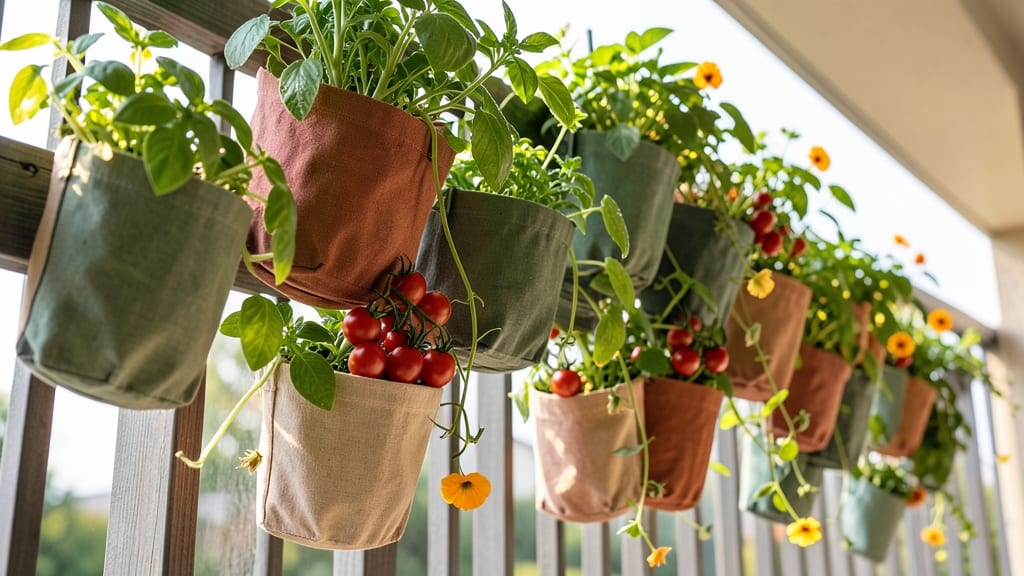
Transform your balcony or wall into a lush, edible garden with vertical hanging pocket planters—the perfect solution for small spaces craving big harvests. These modular pockets turn unused vertical real estate into a productive, decorative display while keeping your floor space clear.
Choose from fabric, felt, or plastic pockets that hold herbs like basil and parsley, leafy greens such as lettuce, or even strawberries in their own individual compartments. Most varieties require just 4-6 hours of sun daily and thrive when watered from the bottom to keep roots consistently moist. The modular design lets you mix and match plants based on sunlight exposure, creating a customizable, high-yield garden in minutes.
Urban gardeners and renters will love how these planters attach to railings, fences, or walls with minimal hardware—no permanent installation needed. Plus, the cascading greenery adds a living, edible curtain that brightens any space. 🌿
Square Foot Gardening Grid
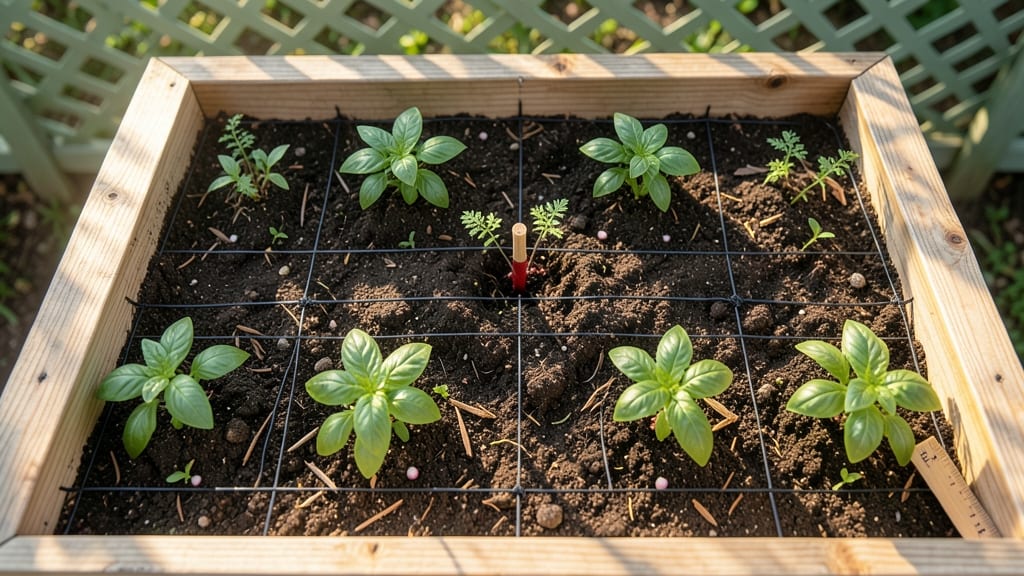
Tired of guessing how far apart to plant your veggies? The square foot gardening grid turns your small bed into a science-backed productivity machine by dividing space into neat 1-foot squares. This method, pioneered by Mel Bartholomew, eliminates wasted soil and ensures every plant gets exactly the room it needs—no more overcrowding or underutilized corners.
Start by building a simple wooden frame (or use existing borders) and divide it into a grid using string or fabric. Each square holds a specific number of plants based on their mature size: 16 carrots, 1 tomato plant, or 9 radishes per square. The grid also makes maintenance effortless—just pop out weeds or harvest from one section without disturbing others. Perfect for beginners, this system guarantees a bountiful harvest even in a 4x4-foot bed.
Urban gardeners and renters will love how this method fits any space, while the visual organization keeps you motivated. No more guessing—just precise, productive planting. 🌱
Tiered Raised Planters
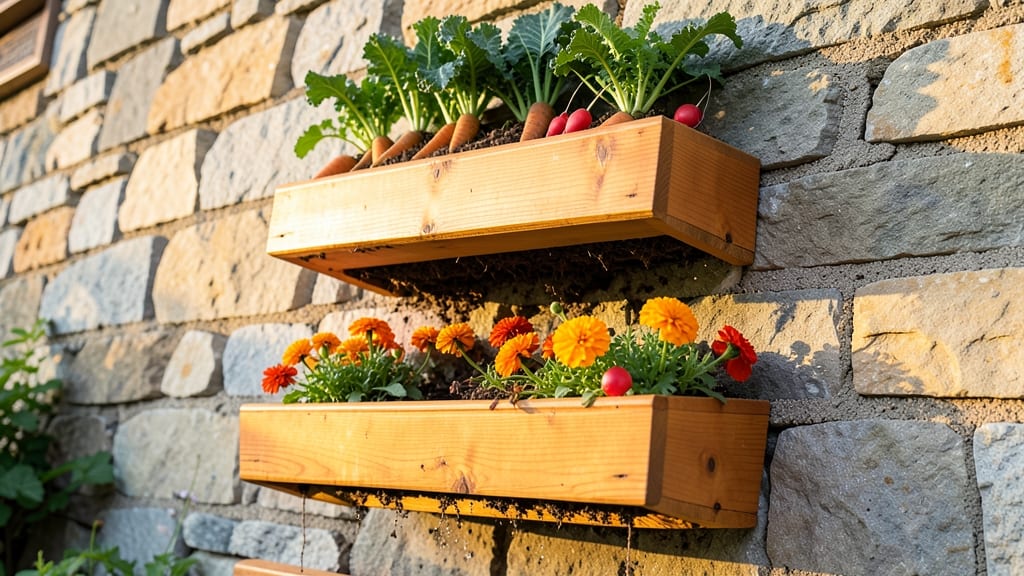
When shallow soil or poor drainage holds back your gardening dreams, tiered raised planters turn limitations into layered opportunities. These stacked systems create vertical growing space perfect for root vegetables, leafy greens, and flowers, all while improving drainage and soil quality in each tier.
Start with the top level for fast-growing crops like radishes or lettuce (they thrive with frequent harvests), then add mid-tier plants like bush beans or carrots, and reserve the bottom for potatoes or deep-rooted herbs. Use cedar or composite materials for durability, and ensure each tier has drainage holes. This method also makes weeding and harvesting easier—no more bending!
Urban gardeners and small-space enthusiasts will love how tiered planters maximize yield without expanding footprint. Plus, the layered look adds visual interest to any garden. 🌱
Window Box Herb Garden
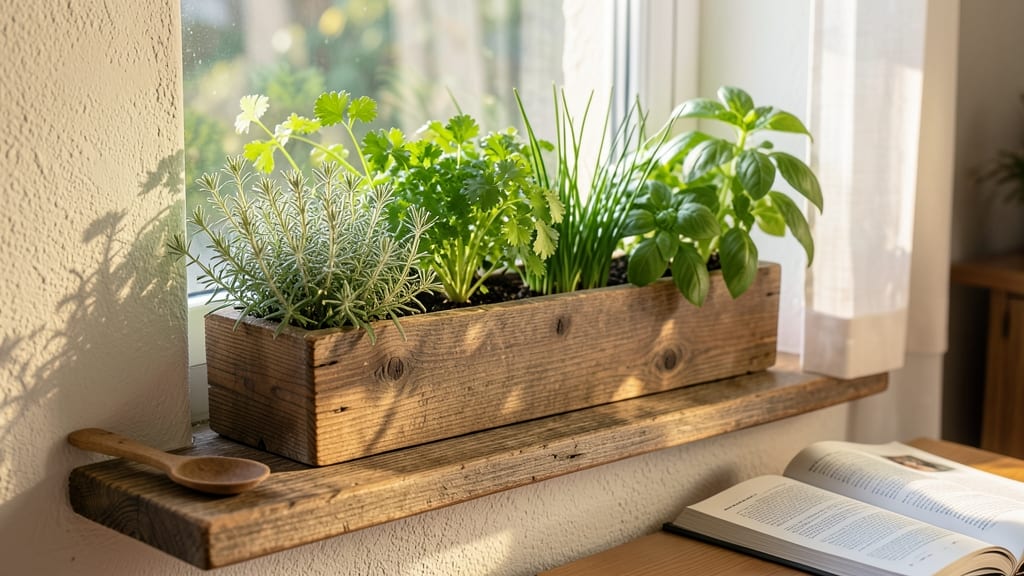
Transform your kitchen or sunroom into a culinary oasis with a window box herb garden—where fresh flavors are just a pinch away. These shallow, decorative boxes are perfect for growing thyme, parsley, chives, and basil, all within arm’s reach of your cooking space.
Choose a south-facing window for at least 6 hours of sun daily, and use well-draining potting mix to prevent soggy roots. Plant herbs in clusters (3-5 per box) and water from the bottom to keep leaves dry. For year-round growth, swap out tender herbs like basil in fall for hardy varieties like rosemary or oregano.
This setup is ideal for urban gardeners, renters, or anyone with limited outdoor space—it’s low-maintenance, visually appealing, and ensures you’ll never buy store-bought herbs again. 🌿
Spiral Herb Garden Bed
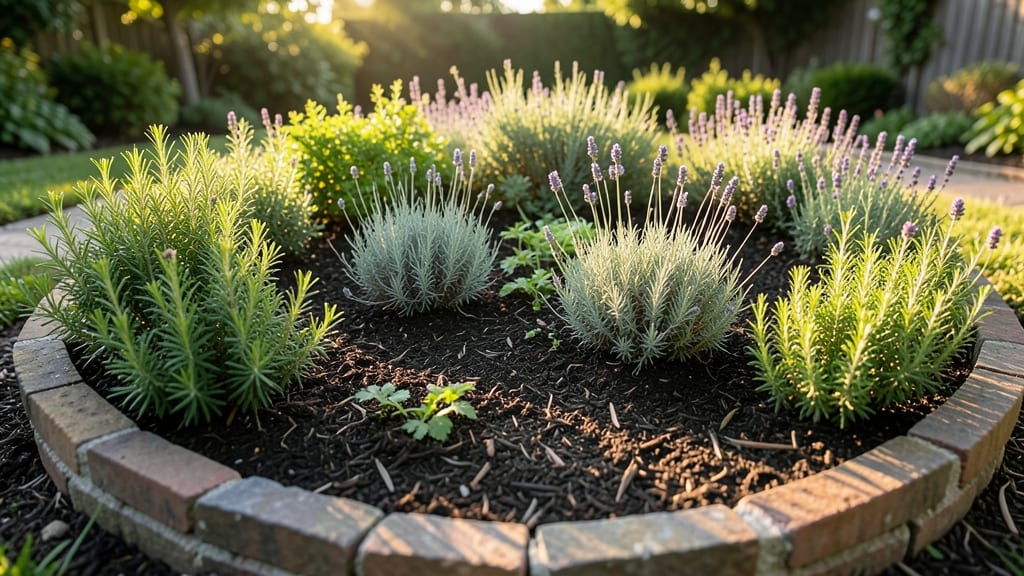
Tired of struggling with uneven sun exposure in your small yard? A spiral herb garden bed solves this by creating a natural gradient where sun-loving plants thrive at the outer edges while shade-tolerant varieties flourish near the center.
Start with drought-resistant herbs like lavender at the core, where moisture lingers, then spiral outward with basil (needing 6+ hours of sun) and thyme (adapting to partial shade). The design mimics nature’s microclimates, reducing water waste and maximizing growth in just 2 square feet of space.
This design is perfect for urban gardeners with partial shade or beginners who want a low-maintenance, visually striking bed that doubles as a living kitchen garden. 💚
Pallet Wood Vertical Garden
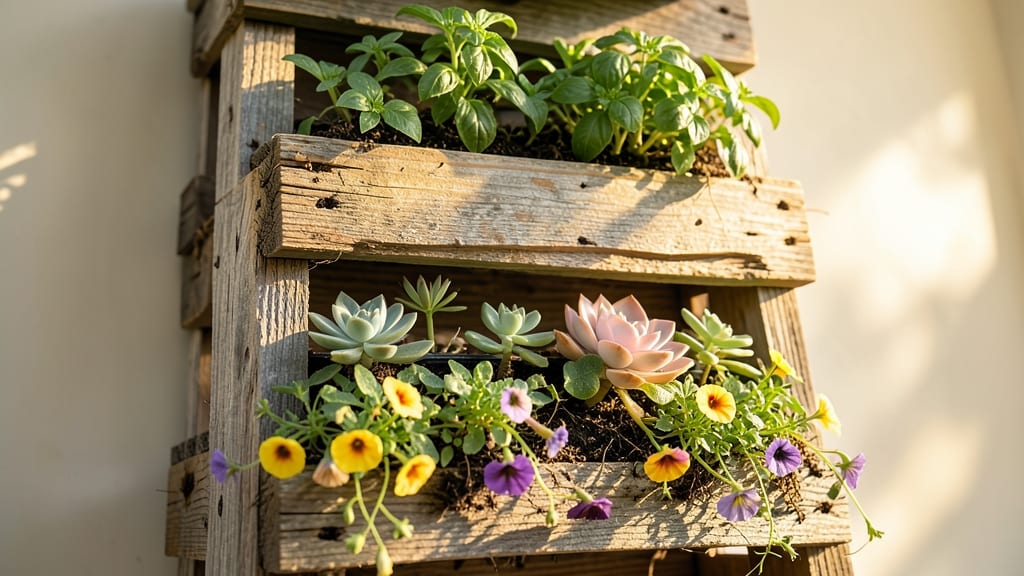
Transform old wooden pallets into a rustic vertical garden that breathes new life into your space—without breaking the bank. This DIY-friendly solution turns discarded materials into a functional, space-saving planter perfect for leafy greens, succulents, or trailing flowers while adding a charming, industrial aesthetic to your garden.
Start by sanding and sealing the pallet to prevent splinters and moisture damage, then fill the gaps with coconut coir or landscape fabric to create pockets for plants. Place it against a fence, wall, or trellis for support, ensuring it gets 4-6 hours of sunlight daily. Succulents thrive in these dry conditions, while greens like lettuce or spinach need consistent moisture—so add a drip irrigation line for hassle-free watering.
This project is ideal for urban gardeners, beginners, or anyone on a budget, proving that creativity and sustainability can grow together. 🌱
Keyhole Garden Design
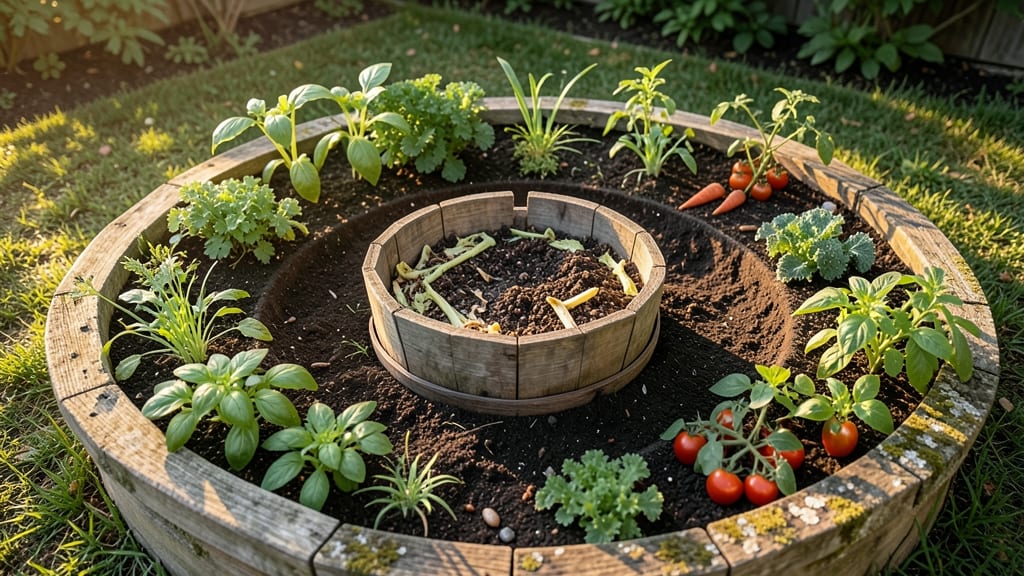
Turn your small garden into a self-sustaining ecosystem with a keyhole garden design, a circular bed that doubles as a composting powerhouse. This innovative layout features a central compost basket surrounded by planting circles, where kitchen scraps and yard waste decompose directly into nutrient-rich soil—eliminating waste while feeding your plants.
The design starts with a stone-lined compost hole in the center, surrounded by concentric rings of plants with varying sun and water needs. Place leafy greens like kale closest to the compost for extra fertility, then add carrots, onions, and herbs in the outer rings. Mulch with straw to retain moisture and regulate temperature, making this bed low-maintenance and perfect for drought-prone areas or busy gardeners.
Eco-conscious gardeners and urban farmers will love how this design reduces food waste while maximizing space—ideal for balconies, patios, or tiny backyards. Plus, the circular shape creates a natural focal point that’s both functional and beautiful. 🌱
Straw Bale Gardens
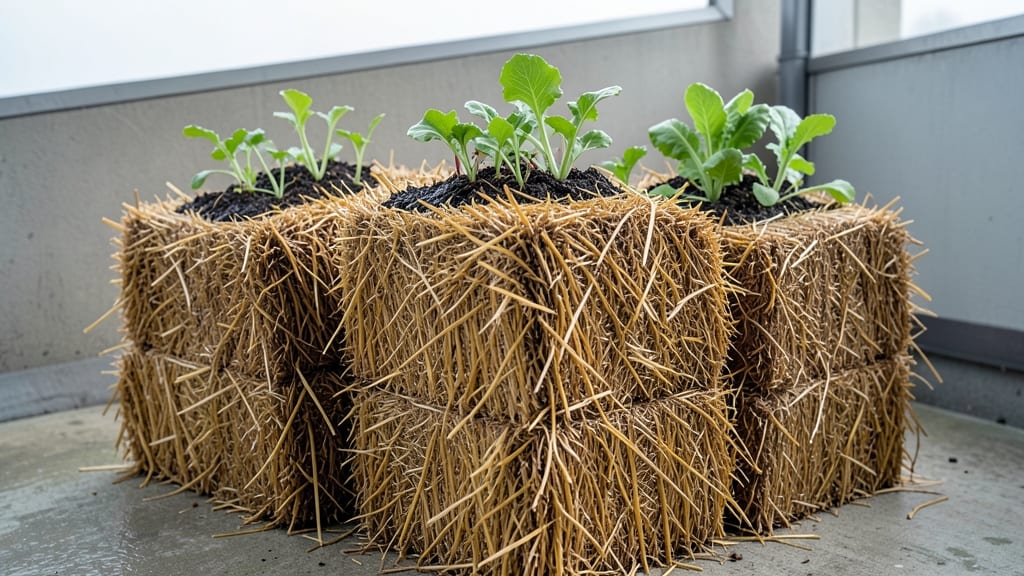
Skip the soil—straw bale gardens turn humble bales into self-contained, weed-free planters that grow radishes in 3 weeks and lettuce in under a month. This no-dig method works anywhere: balconies, patios, or even your driveway, making it ideal for renters or areas with poor soil.
Start by soaking bales for 2-3 days to kickstart decomposition, then plant directly into holes cut in the top. The bale’s natural insulation retains moisture, reducing watering to just once every 2-3 days for most crops. Fill gaps with compost or potting mix to give roots a nutrient boost. Fast growers like marigolds, spinach, and bush beans thrive here without competition from weeds.
Perfect for urban gardeners, beginners, or anyone with limited space, straw bale gardens eliminate the need for soil prep or heavy lifting. Just add plants, water, and watch your harvest grow—no dirt required! 🌱
Hanging Basket Salad Garden
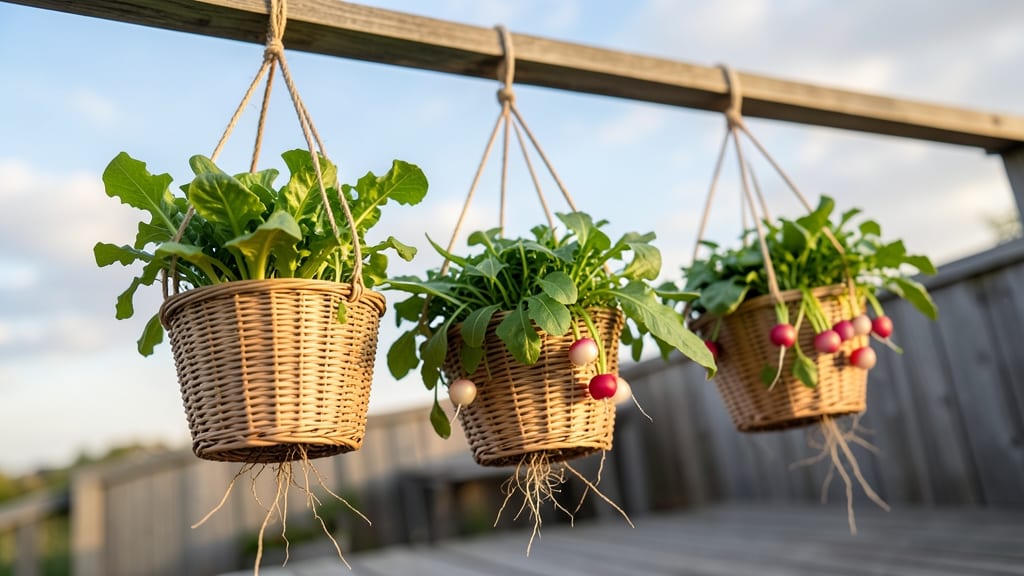
Skip the ground space and grow a fresh salad garden in the air with lightweight hanging baskets! This clever solution lets you cultivate crisp loose-leaf lettuce, peppery arugula, and quick-growing radishes without sacrificing your patio or deck floor. The key is using airy, lightweight baskets with drainage holes to prevent soggy roots while keeping the weight minimal.
Start with a high-quality hanging basket liner (like coconut coir) to retain moisture, then mix in a slow-release fertilizer to feed your greens for 6-8 weeks. Place baskets where they’ll get 4-6 hours of morning sun to prevent bolting, and water from the bottom to keep leaves dry. For a continuous harvest, succession plant radishes every 2 weeks—they mature in just 25 days!
Patio gardeners and balcony dwellers will love how this setup transforms dead space into a self-watering salad bar. Plus, the cascading greenery adds a lush, edible focal point that’s perfect for small spaces. 🌱
Mini Greenhouse Planters

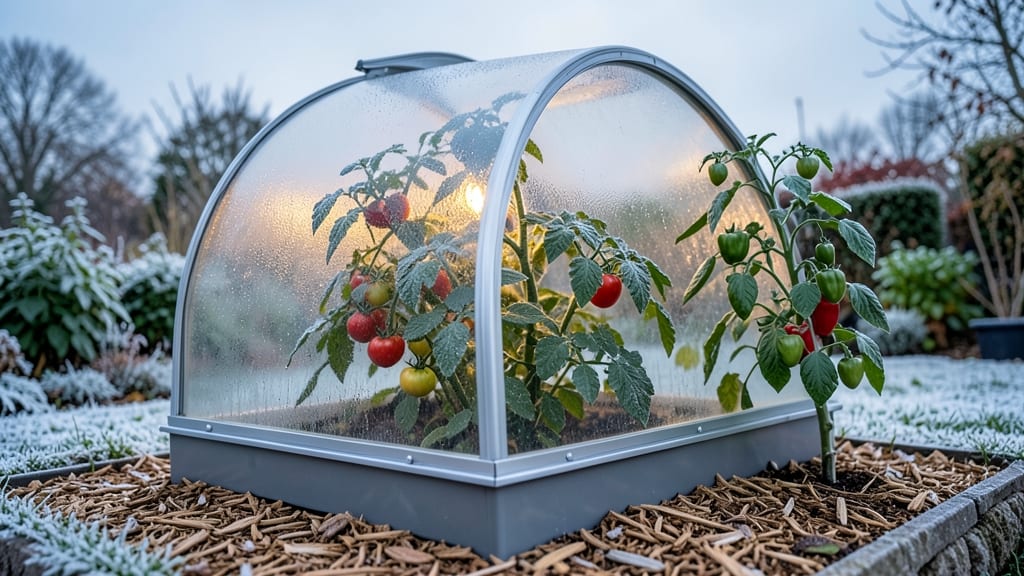
Cold climates and late fall shouldn’t mean the end of your tomato and pepper harvests—mini greenhouse planters are the secret weapon for extending growing seasons in tight spaces. These portable, self-contained units create a warm microclimate, allowing you to plant heat-loving crops 4-6 weeks earlier in spring or continue harvesting well into autumn.
Look for compact models (like the 4x4-foot hoop houses or countertop-sized domes) that fit balconies, patios, or even windowsills. Fill with well-draining potting mix and plant cherry tomatoes, jalapeños, or basil—all of which thrive in the controlled warmth. Most require just 3-4 hours of sunlight daily (supplement with grow lights if needed) and retain moisture better than open beds, cutting watering needs by half. For late-season plants, remove them before hard frosts to protect tender foliage.
Perfect for urban gardeners, small-space growers, or anyone craving homegrown peppers in November, these planters turn "too cold" into "prime growing time." Just add a thermometer to monitor temps—aim for 60-80°F for optimal fruit production. 🌻