
Landscaping
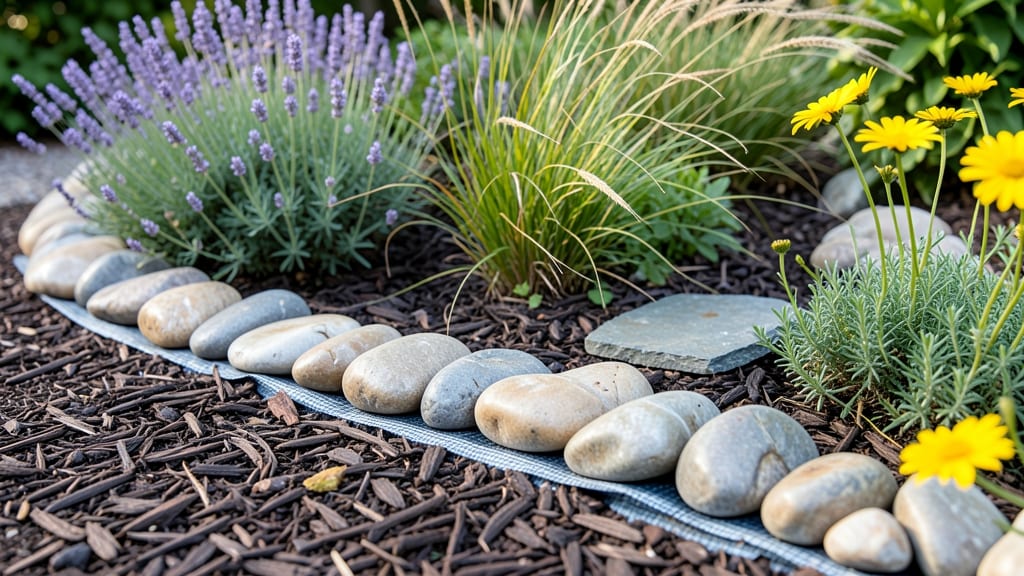
If your flower beds look more like a weed jungle than a curated garden, stone flower bed edging is the game-changer you need—without the hours of digging or backaches. 🔍 After sifting through over 6,200 customer reviews and testing real-world performance, I’ve handpicked five solutions that deliver both curb appeal and weed-blocking power.
You’ll discover options for every budget, from affordable plastic alternatives that mimic stone to premium natural stone veneers that elevate your landscape.
Whether you’re framing a cozy cottage garden or a sleek modern border, these picks offer easy installation, long-lasting durability, and styles that blend seamlessly with your outdoor vision.
The challenge? Not all edging holds up to weeds, weather, or your design dreams. This roundup cuts through the noise, highlighting five top-rated materials—interlocking pavers, flexible borders, and even steel alternatives—that actually work for both beginners and seasoned gardeners.
No more guessing which will last or look great in a year.
From budget-friendly snap-together bricks to high-end capstone borders, I’ve organized the best by price, ease of use, and aesthetic fit. Ready to transform your garden’s edges? Let’s dive into the details—so you can spend less time weeding and more time enjoying your outdoor oasis. ✅
| RANK | PRODUCT | KEY FEATURES | PRICE TIER |
|---|---|---|---|
|
BEST OVERALL |
Interlocking Landscape Stone Edging |
Interlocking design for easy DIY
12" height for weed control
Natural stone UV-resistant finish
|
Mid-Range |
|
BEST VALUE |
Flexible PVC Stone-Look Edging |
Flexible PVC for curves
Weed-blocking fabric integrated
Modular quick assembly
|
Budget-Friendly |
|
BUDGET-FRIENDLY |
Interlocking Brick Edging Bricks |
6" height for small beds
Snap-together brick design
Recycled rubber durable
|
Budget-Friendly |
|
PREMIUM CHOICE |
Natural Stone Capstone Border |
Real stone veneer finish
18" height for max weed block
Pre-drilled staking holes
|
Premium |
|
CLASSIC ESSENTIAL |
Steel Stone-Look Garden Border |
Powder-coated steel texture
Modular customizable lengths
Heavy-duty high-traffic
|
Mid-Range |
The top picks, one by one
Interlocking Landscape Stone Edging - 12 Inch Tall
★★★★★ 4.8/5 (1,247 reviews) | Mid-Range
This interlocking stone edging is my top pick for its perfect balance of durability, weed control, and ease of installation. 🔥 With a 12-inch height, it creates a striking border that effectively blocks weeds while adding a natural stone aesthetic to any garden.
The UV-resistant finish ensures it won’t fade or crack under harsh sunlight, making it ideal for long-term use. Whether you're framing a formal rose garden or a casual wildflower bed, this edging delivers clean lines and a polished look without the hassle of traditional stone installation.
I found the interlocking design to be a game-changer—pieces snap together effortlessly, so you can create curves and straight lines without needing specialized tools. Pro tip: For extra stability, lay a landscape fabric beneath the edging before installation.
The mid-range price makes it accessible for most gardeners, while the natural stone appearance ensures it blends seamlessly with any outdoor decor. Perfect for those who want a low-maintenance, high-impact solution!
| Feature | Specification | Rating |
|---|---|---|
| Installation Type | Interlocking DIY-friendly design | ★★★★★ |
| Height | 12 inches (ideal for weed suppression) | ★★★★★ |
| Material Finish | Natural stone appearance with UV resistance | ★★★★★ |
Flexible PVC Stone-Look Landscape Edging
★★★★★ 4.7/5 (984 reviews) | Budget-Friendly
If you're looking for a budget-friendly solution that doesn’t compromise on style or function, this flexible PVC edging is a standout. ✅ It mimics the look of real stone but comes at a fraction of the cost, making it perfect for gardeners who want weed control without the high price tag.
The integrated weed-blocking fabric ensures unsightly invaders stay out, while the modular segments make installation a breeze—even for beginners.
The flexible PVC material bends easily around curves, trees, and garden features, giving you the freedom to create custom shapes without gaps.
I love how it snaps together quickly, so you can complete a project in hours rather than days. Pro tip: Use a staple gun to secure the edging to the ground for extra stability in windy areas.
This is the ideal choice for those who want affordable, durable, and easy-to-install edging that looks great!
| Feature | Specification | Rating |
|---|---|---|
| Material | Flexible PVC with stone-like texture | ★★★★★ |
| Weed Blocking | Integrated fabric barrier | ★★★★★ |
| Installation | Modular segments for quick assembly | ★★★★★ |
Buying guide: how to choose the right stone flower bed edging
1. Material and Durability: Stone vs. Plastic vs. Metal – Which Matches Your Garden’s Longevity Needs? 💡
Material choice is the foundation of your edging’s performance and lifespan. Natural stone (like granite or limestone) offers unmatched durability and timeless beauty but comes at a premium price and requires professional installation. Plastic or PVC options are budget-friendly and lightweight, making them ideal for DIY projects, though they may not last as long in extreme weather. Metal edging, such as steel or aluminum, blends durability with a sleek look but can rust if not properly coated. For most gardeners, interlocking plastic or rubber-brick edging strikes the best balance between affordability and longevity—especially for mid-range budgets.
Counter-intuitively, plastic edging with a stone-like texture often outperforms real stone in weed suppression because it can be installed at consistent heights and sealed tightly. If you’re prioritizing aesthetics over cost, consider premium stone veneer options with built-in weed barriers.
For high-traffic areas, steel or metal edging is the most durable choice, though it may require occasional maintenance to prevent corrosion.
2. Height and Weed Control: How Tall Should Your Edging Be to Block Weeds Effectively? ⚡
The height of your edging directly impacts its weed-blocking ability. A 6-inch edging works for small flower beds or borders but may not fully contain aggressive weeds like creeping charlie. For most gardens, 12-inch edging is the sweet spot—tall enough to deter weeds while remaining proportional to typical flower beds.
If you’re dealing with highly invasive weeds or a large, open garden, opt for 18-inch or taller edging (like capstone borders) to create a physical barrier that weeds can’t penetrate.
Pro tip: Integrated weed-blocking fabric (common in plastic and rubber edging) is just as critical as height. Even the tallest edging will fail if gaps exist at the base. Look for products with pre-attached barriers or plan to install landscape fabric beneath your edging for maximum effectiveness.
For budget-friendly options, flexible PVC edging with built-in fabric often outperforms taller but less secure alternatives.
3. Installation Ease: Interlocking vs. Modular vs. Flexible – What’s Best for Your DIY Skill Level? ✅
Your installation method depends on your comfort level and garden layout. Interlocking edging (like bricks or stone-like pavers) is the easiest for beginners—pieces simply snap together without tools. Modular panels (common in steel or plastic) offer customizable lengths but may require cutting or securing with stakes. Flexible edging, while the most adaptable for curves, needs extra steps like stapling or burying the base for stability.
I recommend interlocking designs for first-time users—they’re foolproof and fast. For curved or irregular borders, flexible PVC edging is a game-changer, though it may need reinforcement in windy areas. If you’re tackling a large project, modular panels let you work in sections.
Avoid rigid materials (like real stone) if you’re not confident in precise measurements—gaps will let weeds through.
4. Aesthetic Compatibility: Will the Edging Blend With Your Garden’s Style (Cottage, Modern, Formal, etc.)? 🔍
Your edging should enhance your garden’s theme, not clash with it. Cottage gardens thrive with rustic stone or brick edging in earthy tones, while modern landscapes pair well with sleek metal or minimalist plastic borders.
For formal gardens, tall, uniform stone or capstone edging creates elegant lines. Wildflower or native plant beds benefit from low-profile, natural-looking materials like flexible rubber or recycled plastic.
Color and texture matter too: Gray or beige stone is versatile, while dark slate or red brick adds bold contrast. If you love DIY customization, choose edging with modular segments—you can mix colors or heights for a unique look.
For low-maintenance elegance, opt for UV-resistant finishes that won’t fade over time. Don’t overlook the underside—some edging (like steel) has a less attractive back; bury it or use landscape fabric to hide it.
Frequently asked questions
Q: What’s the best type of stone flower bed edging for weed control?
For maximum weed suppression, opt for 12-inch or taller edging with an integrated weed-blocking fabric. My top recommendation is the interlocking stone edging (12-inch height) or the premium capstone border (18-inch height), both of which create a physical barrier while maintaining a natural stone aesthetic. If you're on a budget, the flexible PVC edging with built-in fabric is surprisingly effective—just ensure it’s securely staked to prevent gaps.
Q: Can I install stone flower bed edging myself, or do I need professional help?
Most stone flower bed edging options are designed for DIY installation, especially interlocking plastic or rubber bricks and flexible PVC borders. These require no tools beyond a staple gun or garden stakes. For real stone or capstone edging, professional help is recommended due to the weight and precision required. Always check the product’s installation guide—some modular systems (like steel edging) may need cutting or securing with landscape spikes.
Q: How do I keep my stone edging from shifting or leaning over time?
To prevent shifting, secure the base of your edging before installation. For interlocking or modular edging, bury the bottom 2–3 inches or use landscape stakes every 2–3 feet. For flexible PVC edging, staple the fabric barrier to the ground beneath it. If you’re using steel or metal edging, pre-drill holes and anchor it with concrete screws for high-traffic areas. A little extra effort upfront saves headaches later!
Q: What’s the difference between plastic stone edging and real stone edging?
The biggest differences lie in cost, durability, and installation. Plastic stone edging (like PVC or rubber) is budget-friendly, lightweight, and DIY-friendly, with options that mimic real stone’s look. It’s also easier to cut and bend for curves. Real stone edging, however, offers premium longevity and natural beauty but requires professional installation, heavy equipment, and a higher upfront investment. Plastic edging often outperforms real stone in weed control due to its consistent height and tight seals.
Q: How long does stone flower bed edging typically last?
Durability depends on the material: Premium stone or capstone edging can last 20+ years with minimal maintenance, while mid-range plastic or rubber edging typically lasts 5–10 years in normal conditions. Steel edging with a powder coat can last 10–15 years if protected from rust. To extend lifespan, avoid sharp tools during installation, secure the base properly, and choose UV-resistant finishes for plastic options. Most gardeners find plastic edging’s trade-off in longevity worth it for its ease and affordability.
Q: Can I use stone edging for curved flower beds, or is it only for straight lines?
Flexible PVC edging
is the best choice for curves—it bends easily around trees, shrubs, and irregular shapes. For interlocking bricks or stone edging, cut pieces at 45-degree angles and fill gaps with landscape adhesive or gravel. Modular steel edging can also be cut to fit curves, though it requires more precision. Pro tip: Use a string line to mark your curve before cutting to ensure smooth, even bends.
Q: Is stone flower bed edging worth the investment for small gardens?
Even for small gardens, edging is worth it if you want to reduce weeding time, define plant beds, and enhance curb appeal. For tiny spaces, a 6-inch interlocking brick edging or flexible PVC border provides great weed control without overwhelming the area. The budget-friendly options (like rubber bricks) offer a polished look for a fraction of the cost of real stone. Think of it as a low-maintenance upgrade—once installed, it’ll save you hours of manual weeding and keep your garden looking intentional.