
Trees
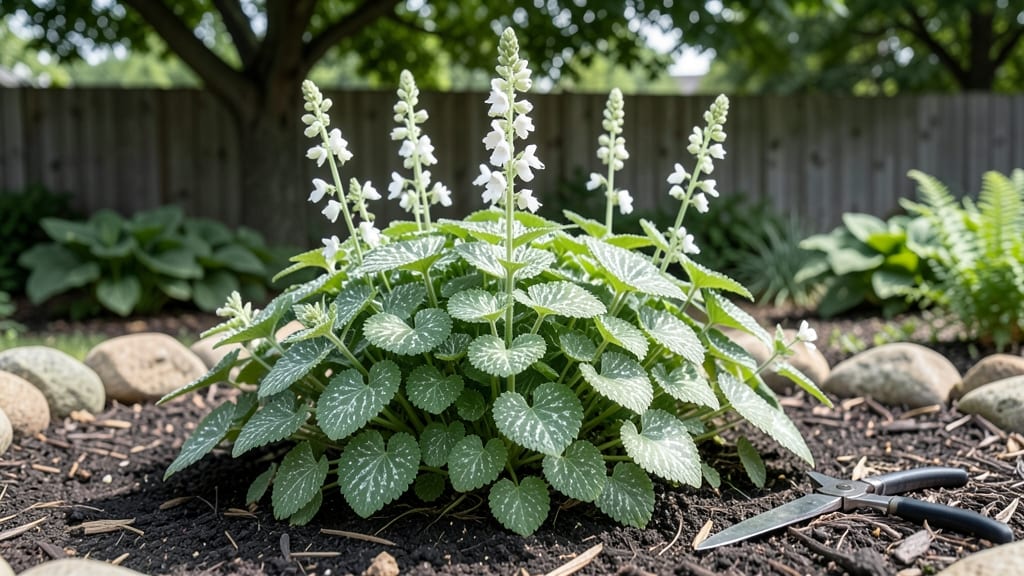
Those small white perennials—like ajuga and candytuft—bring crisp elegance to any garden without demanding constant attention. ✨ I’ve filled my borders with these understated stars, and they’ve never failed to deliver—soft, snow-like blooms that brighten shady spots and pair perfectly. with bold foliage.
The best part? They thrive in tight spaces, making them ideal for containers, rock gardens, or even tucked between stepping stones.
These plants don’t just survive—they perform. Ajuga’s purple-tinged leaves add depth, while candytuft’s frothy clusters create a cloud-like effect that lasts from spring into summer. Lamb’s ear, with its velvety silver leaves, adds texture, and white heuchera brings a striking contrast with its deep burgundy stems.
All of them handle drought once established, so you won’t be chasing waterings every week.
Mix them with deep purples, rich greens, or even bold reds for a garden that feels polished yet effortless. They’ll draw in pollinators too—bees adore the nectar, and butterflies can’t resist the clean, bright backdrop. The key is planting them in odd-numbered clusters so they feel intentional, not scattered.
Whether you’re refreshing a shady corner or brightening a sunny border, these perennials deliver year-round interest with almost no upkeep. Let’s talk placement and pairing—your garden’s about to get a whole lot whiter (and easier) to maintain.
📚 In This Guide
- What you need
- Instructions
- Tips and common mistakes
- Wrapping up and next steps
What you need
- ● Small white perennial plants: Choose 3–5 varieties (e.g., Lamium maculatum, Ajuga reptans, or Heuchera with white foliage). Buy 1–3 plants per type for a balanced look.
- ● High-quality potting soil: 1–2 bags (1–2 cubic feet each) of well-draining, organic soil blend (e.g., Miracle-Gro Garden Soil or FoxFarm Ocean Forest).
- ● Garden gloves: A pair of durable, breathable gloves (e.g., Fiskars or Gloveworks) to protect your hands.
- ● Hand trowel: A 6–8" stainless-steel trowel for planting and soil prep.
- ● Watering can or hose: A 1–2 gallon can with a gentle spray nozzle (or a hose with adjustable pressure).
- ● Mulch: 1–2 bags of organic mulch (e.g., shredded bark or cocoa hulls) to retain moisture and suppress weeds.
- ○ Garden fork: For aerating soil in established beds (optional but helpful for long-term health).
- ● Pruning shears: Small, sharp shears (e.g., Felco) for trimming back dead foliage in early spring.
- ● Slow-release fertilizer: 1–2 bags of Osmocote or Espoma (14-14-14 ratio) to feed plants for 3–4 months.
- ● Plant markers: Biodegradable labels or pebbles to track varieties (especially useful in mixed beds).
- ● Drip irrigation kit: For automated watering (ideal for busy gardeners or dry climates).
- ● Compost: A small bag of finished compost to enrich soil before planting.
- ● A sunny or partially shaded garden spot (most small white perennials tolerate 4–6 hours of sunlight daily).
- ● Well-draining soil (amend clay soil with perlite or sand if needed).
- ● Patience! These perennials may take 1–2 years to reach full bloom but reward you with zero-fuss elegance thereafter.
How to plant and maintain small white perennials for season-long beauty
These delicate bloomers thrive with minimal effort—here’s how to set them up for years of effortless charm.
🌱 Step 1: Choose the Perfect Planting Site
Small white perennials like lamb’s ear, candytuft, and white alyssum flourish in well-draining soil with 4-6 hours of sunlight daily. I always test the spot first by digging a 6-inch hole—if water pools after 30 minutes, amend the soil with 2 inches of compost to improve drainage. These plants despise soggy roots, so raised beds or slopes work beautifully.
For a polished look, group them in clusters of 3-5 plants spaced 12-18 inches apart. This mimics their natural growth habit and creates a lush, continuous display. If your site gets hot afternoon sun, provide afternoon shade to prevent leaf scorch—especially for candytuft, which can bolt if stressed.
🪴 Step 2: Plant with Care for Strong Starts
Dig holes twice as wide as the root ball but only as deep—planting too deep suffocates roots. Gently loosen the roots if they’re circling the pot, then place the plant so the top of the root ball sits level with the soil surface. This prevents crown rot, a common issue with white perennials.
Backfill with the removed soil, pressing lightly to eliminate air pockets. Water deeply until moisture reaches 4 inches down, then let the soil settle for 24 hours before adding a 1-inch layer of mulch. This keeps roots cool and conserves moisture—critical for drought-tolerant varieties like lamb’s ear.
☀️ Step 3: Water and Feed for Lush Growth
Water deeply once a week during the first growing season, aiming for 1 inch of moisture per week. You’ll know you’ve got it right when the soil feels damp to touch at 2 inches down but not soggy. Overwatering is the fastest way to kill these perennials—yellowing leaves signal root rot.
Feed lightly in early spring with a balanced 10-10-10 fertilizer (use ¼ teaspoon per plant). These perennials thrive on neglect, so skip heavy feeding—they’ll reward you with bold blooms and silvery foliage without fuss. Deadhead spent flowers by pinching them off at the base to encourage continuous reblooming through summer.
✂️ Step 4: Prune and Divide for Long-Term Health
In early spring, trim back any dead or damaged foliage to 2 inches above the ground. This clears space for fresh growth and prevents fungal diseases from hiding in old debris. For candytuft, a light shearing after the first flush of flowers keeps it compact and encourages a second bloom cycle.
Divide clumps every 3-4 years in early fall when growth slows. Dig up the plant, separate the roots with your hands, and replant the healthiest sections. This rejuvenates the plant and prevents overcrowding, which weakens blooms. You’ll see vibrant new growth by next spring—proof the division worked.
⏰ Step 5: Winterize for Year-Round Resilience
Most small white perennials are hardy down to Zone 4, but a 2-inch layer of shredded bark mulch in late fall adds insulation. This protects roots from freeze-thaw cycles that can heave plants out of the ground. Avoid heavy mulch, which can suffocate roots in wet winters.
Skip winter watering—these plants enter dormancy naturally. In early spring, remove old mulch and check for pests like slugs, which love tender new growth. A few diatomaceous earth granules around the base deters them without chemicals, keeping your garden organic and pristine.
Tips & tricks for perfect small white perennial gardens
Real talk: these delicate bloomers reward attention to detail more than they demand it. Here's how to get the most out of your planting without the fuss.
Site Selection Secrets: That 30-minute water test in Step 1 is non-negotiable—it reveals hidden drainage issues that will kill your plants before they even bloom. I've seen otherwise perfect gardens fail because someone skipped this step. For extra insurance, consider adding a handful of perlite to your amended soil mix to create air pockets that prevent compaction. The 4-6 hours of sunlight requirement is flexible: morning sun with afternoon shade works beautifully for candytuft, which bolts easily in intense afternoon heat.
Planting Precision: When you're placing those clusters of 3-5 plants in Step 1, think about creating visual "triangles" rather than straight lines. This organic grouping mimics natural growth patterns and creates a more dynamic display. For the 24-hour settling period after planting, I like to cover the area with shade cloth during peak afternoon sun—this prevents the soil from drying out too quickly while the roots establish.
Watering Wisdom: The 1-inch weekly moisture guideline in Step 3 is perfect, but here's the thing: I measure this by using a rain gauge or even an empty tuna can buried in the soil. This gives you an exact measurement rather than guessing by feel. For lamb's ear specifically, you can reduce watering to every 10 days once established—they're incredibly drought-tolerant once their roots are fully developed.
Pruning Pro Tips: When you're doing that early spring trim in Step 4, save the cuttings from lamb's ear—they make fantastic living mulch! Just lay them between plants to suppress weeds and retain moisture. For candytuft, I've found that shearing after the first flush of flowers actually encourages a second bloom cycle, but only if you do it when about 50% of the flowers have faded. Cutting too early removes too many buds.
Pro Tips for Small White Perennials
- Real talk: these delicate bloomers reward attention to detail more than they demand it.
- Site Selection Secrets: That 30-minute water test in Step 1 is non-negotiable—it reveals hidden drainage issues that will kill your plants before they even bloom.
- Planting Precision: When you're placing those clusters of 3-5 plants in Step 1, think about creating visual "triangles" rather than straight lines.
Frequently asked questions
Got questions about small white perennials? You’re not alone! Here are some of the most common inquiries—and their easy, practical answers—to help you grow a stunning, low-maintenance garden.
What are the best small white perennials for beginners?
Start with Lamium maculatum (spotted dead nettle), Ajuga reptans (bugleweed), or Helleborus niger (Christmas rose). These are hardy, drought-tolerant, and thrive in partial shade. For full sun, try Sedum ‘Angelina’—it’s nearly indestructible!
When is the best time to plant small white perennials?
Plant in early spring (as soon as the ground is workable) or early fall (4-6 weeks before frost). Avoid extreme heat or cold—roots need time to establish. Container-grown plants can be planted year-round in mild climates.
How much water do small white perennials need?
Most small white perennials are drought-tolerant once established (after 1-2 years). Water deeply 1-2 times per week during the first growing season, then taper to weekly watering in dry spells. Mulch helps retain moisture and suppress weeds.
Are small white perennials deer-resistant?
Some are! Lamium, Sedum, and Helleborus are often deer-resistant due to their fuzzy leaves or toxic compounds. However, hungry deer may still nibble. For extra protection, add a physical barrier or companion plant with strong scents (like lavender or rosemary).
What can I do if my small white perennials aren’t blooming?
Check these fixes:
- Light: Some (like Helleborus) prefer shade, while others (like Sedum) need full sun.
- Fertilizer: Too much nitrogen = leafy growth, fewer blooms. Use a low-phosphorus fertilizer in early spring.
- Deadheading: Remove spent blooms to encourage more flowers.
- Age: Some perennials take 2-3 years to reach full blooming potential.
Can I replace small white perennials with other colors?
Swap for white alternatives like Chelone obliqua (turtlehead) or Phlox divaricata (wild blue phlox). For bold colors, try Echinacea purpurea (purple coneflower) or Rudbeckia (golden black-eyed Susan). Just match their sunlight and soil needs!
Wrapping up and next steps
Small white perennials are the ultimate low-maintenance, high-impact stars of any garden—offering timeless beauty with minimal effort! Whether you’re drawn to their delicate blooms, pollinator-friendly charm, or year-round structure, these plants prove that elegance doesn’t require fuss.
With the right placement and care (like the tips you’ve learned), they’ll thrive and reward you with effortless charm for seasons to come.
Ready to elevate your garden? Pick one (or three!) of these perennials and start planting—your future self (and local pollinators) will thank you! 🌸 For extra inspiration, sketch a simple layout or browse local nurseries for varieties that suit your climate. Happy gardening!