
Flowers
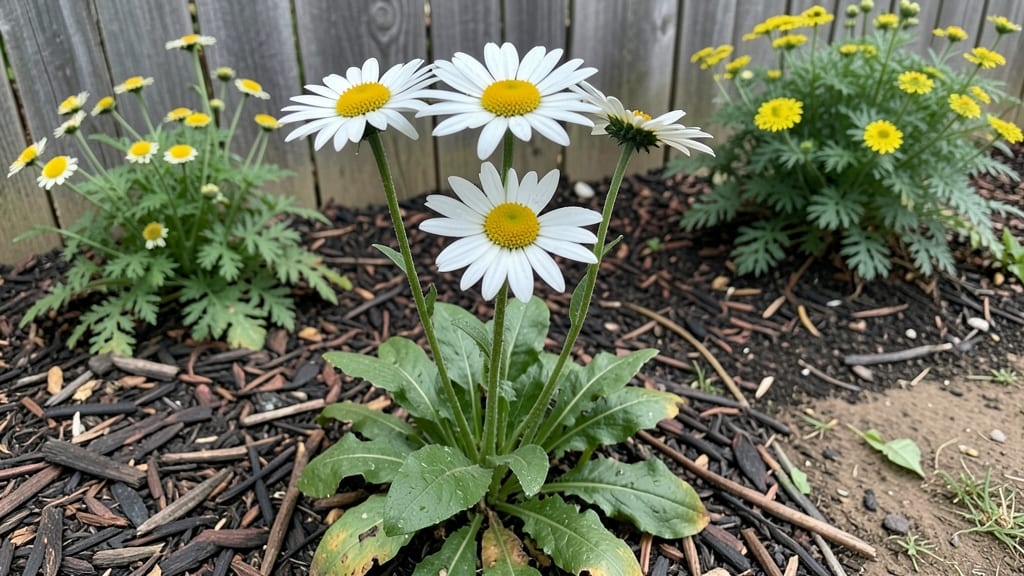
Whether you choose a shasta daisy annual or perennial, these cheerful bloomers transform summer borders with bold white flowers that shine from June until frost. I’ve grown them for years, and the secret to their longevity isn’t complicated: they’re cold-hardy, drought-tolerant, and happy to spread if you let them.
The confusion comes from how gardeners treat them—some plant them as annuals (replacing yearly), while others nurture them as perennials (letting them come back stronger).
The difference is all in the care. Treat them as annuals, and you’ll enjoy their blooms but miss out on their second-year vigor—those plants get even tougher and bushier. As perennials, they thrive in zones 5-9, with proper winter mulch keeping them alive through harsh winters.
I’ve seen mine bounce back after 20-degree nights with just a little protection. The key is cutting back stems in fall and feeding them in spring—simple steps that make all the difference.
What you get is four to six weeks of continuous blooms each summer, with fewer gaps than many perennials. The flowers are classic, but the real magic is how they fill in empty spaces naturally over time.
My oldest clumps are now five years old, and they’ve only gotten more reliable. The trade-off? You’ll need to divide them every few years to keep them from getting woody, but that’s a small price for plants that practically take care of themselves.
Whether you’re in a cold northern climate or a mild southern one, Shasta daisies adapt—but they do best with full sun and well-drained soil. The annual-or-perennial choice boils down to patience: treat them as perennials, and they’ll reward you with decades of effortless beauty.
Ready to make them a garden staple?
📚 In This Guide
- What you need
- Instructions
- Tips and common mistakes
- Wrapping up and next steps
What you need
- ● Shasta daisy plants: 3–5 plants per square yard (choose Leucanthemum × superbum varieties for best results).
- ● Well-draining potting mix: 1–2 bags (sterilized, peat-based or coconut coir blend).
- ● Garden soil (if planting outdoors): Amend with compost (1 part compost to 3 parts soil).
- ● Organic fertilizer: 5-10-5 or balanced 10-10-10 (1–2 lbs per 100 sq ft).
- ● Mulch: 2–3 inches of shredded bark or straw (to retain moisture and suppress weeds).
- ● Garden trowel or transplanter: For digging holes (6–8 inches deep).
- ● Garden fork: To loosen soil (especially in clay-heavy areas).
- ● Watering can or hose with a gentle nozzle: For consistent moisture (avoid overhead watering to prevent mildew).
- ● Pruning shears: For deadheading spent blooms and shaping plants.
- ● Gloves & knee pads: Because gardening is way more fun when you’re comfy! 😉
- ● Epsom salt: 1 tbsp per gallon of water (monthly foliar spray for vibrant blooms).
- ● Drip irrigation system: For automated watering (saves time and ensures consistency).
- ● Stakes or rings: To support tall varieties in windy areas.
- ● Cold-frame or row covers: For overwintering in very cold climates (Zone 5 and below).
How to determine and cultivate Shasta daisies as annuals or perennials
Shasta daisies thrive whether treated as annuals or perennials—here’s how to maximize their beauty year after year.
Assess Your Climate Zone for Planting Strategy
Shasta daisies are cold-hardy perennials in USDA Zones 5-9, meaning they’ll reliably return if winter temperatures don’t drop below -20°F. In colder zones (below 5), treat them as tender perennials—they’ll die back but often regrow from the roots. In warmer climates (above 9), they may act more like annuals, requiring replanting each spring.
Check your last frost date and plant 4-6 weeks before it for perennials. If you’re in a marginal zone, mulch heavily in fall to insulate the crown. I’ve seen daisies bounce back after -15°F with proper protection—just don’t push it.
Prepare the Soil for Long-Term Growth
Shasta daisies prefer well-draining, slightly acidic soil (pH 6.0-7.0) rich in organic matter. Amend native soil with 2-3 inches of compost mixed into the top 12 inches of bed. They hate soggy roots, so avoid heavy clay without amendment.
Test drainage by digging a 6-inch hole, filling it with water, and checking if it drains within 30 minutes. If not, raise beds or blend in sand or perlite (up to 20% of the mix). Overly fertile soil leads to weak stems—balance is key.
Plant for Perennial Success (Not Annual Convenience)
Space plants 2-3 feet apart to allow airflow and reduce disease. Dig holes twice as wide as the root ball but no deeper—planting too deep suffocates the crown. Loosen roots gently if pot-bound before setting in soil.
Water deeply immediately after planting to eliminate air pockets, then mulch with 2 inches of shredded bark to retain moisture and regulate soil temps. Perennials need consistent moisture the first season to establish roots—1 inch per week is ideal.
Maintain for Multi-Year Blooms (Not One-Season Fades)
Deadhead spent blooms weekly to encourage reblooming and prevent seed formation, which weakens perennial vigor. Cut back one-third of the foliage after the first flush of flowers to promote a second bloom cycle in fall.
Fertilize lightly in spring with 5-10-10 (use ½ pound per 100 sq ft)—too much nitrogen makes daisies leggy. In winter, leave foliage intact until spring to protect the crown from temperature swings.
Overwinter Perennials for Reliable Returns
In Zones 4-5, mound 4-6 inches of mulch (straw or leaves) around the base after the first hard frost. In Zones 6-9, a 2-inch mulch layer suffices. Avoid heavy mulch in wet climates—it traps moisture and invites rot.
Perennials often regrow from the crown or roots even after dieback. If stems blacken but the base feels firm, wait until spring before pruning. I’ve revived daisies that looked dead in -10°F—patience pays off.
Tips & tricks for perfect Shasta daisy cultivation
A few strategic moves will help your Shasta daisies thrive as either annuals or perennials—and return year after year with vibrant blooms.
Climate Zone Precision: The 4-6 week planting window before your last frost date is critical for perennial success. Use your local agricultural extension service’s frost calendar for exact timing—planting too early in cold climates can shock tender roots, while planting too late may leave them vulnerable to early frosts. In marginal zones (like Zone 5), I’ve found that adding a layer of straw mulch before the first hard frost at -15°F can make all the difference between survival and loss.
Soil Preparation Secret: When testing drainage with that 6-inch hole, pay attention to how quickly water disappears—not just whether it drains. If water pools at the bottom after 30 minutes, your soil needs more amendment. I’ve had success blending equal parts native soil, compost, and coarse sand for heavy clay gardens, which creates the ideal loose, aerated texture Shasta daisies crave. The goal is soil that feels like a well-worn sponge—not concrete.
Planting Depth Matters: The twice-as-wide hole specification isn’t just about root space—it’s about creating a stable base. When you’re loosening those pot-bound roots, gently separate them with your fingers rather than cutting them. This encourages outward growth rather than circling roots that strangle the plant. After planting, press the soil firmly around the base to eliminate air pockets, then water deeply to settle everything in place.
Overwintering Strategy: That 4-6 inch mulch recommendation for Zones 4-5 is non-negotiable during extreme cold snaps. I’ve seen daisies survive -20°F with proper protection, but the key is timing—apply mulch after the first hard frost when soil temps stabilize. In wet climates, use a breathable mulch like straw rather than heavy leaves that can suffocate roots. The goal is insulation, not moisture trapping.
Pro Tips for Shasta Daisy Annual Or Perennial
- A few strategic moves will help your Shasta daisies thrive as either annuals or perennials—and return year after year with vibrant blooms.
- Climate Zone Precision: The 4-6 week planting window before your last frost date is critical for perennial success.
- Soil Preparation Secret: When testing drainage with that 6-inch hole, pay attention to how quickly water disappears—not just whether it drains.
Frequently asked questions
Got questions about your Shasta daisies? You’re not alone! Here are some of the most common queries—plus quick answers to keep your garden blooming beautifully.
Is a Shasta daisy truly perennial, or does it die back every year?
A Shasta daisy is a perennial, but it may look dormant in winter. Its roots survive underground, and new foliage emerges in spring. In colder zones (like USDA 5-9), it thrives year after year with proper care—just avoid cutting back stems until late winter or early spring!
How cold can Shasta daisies tolerate before they suffer?
These hardy beauties handle temperatures as low as -20°F (-29°C) in winter. However, heavy snow or ice can damage blooms. Mulch around the base in late fall to protect roots, and avoid planting in low-lying areas where cold air pools.
Can I grow Shasta daisies as annuals instead of perennials?
Yes! If you’re in a warmer climate (like Zone 10+) or prefer replacing them yearly, treat them like annuals. Dig up and divide clumps every 2–3 years to refresh growth, or simply replant new ones each spring for vibrant, pest-free blooms.
Why are my Shasta daisy leaves turning yellow or spotted?
Yellow leaves often signal overwatering or fungal diseases (like powdery mildew). Spots? Check for aphids or slugs. Improve airflow, water at the base (not leaves), and apply neem oil if pests strike. Pro tip: Deadhead spent blooms to encourage new growth and reduce disease risk!
What’s the best time to divide Shasta daisies for more plants?
Divide in early spring (before new growth) or early fall for best results. Dig up clumps, separate roots gently, and replant divisions 12–18 inches apart. Avoid dividing in summer—it stresses the plant and may reduce next year’s blooms.
Wrapping up and next steps
So, whether you're dreaming of bold, cheerful blooms that brighten your garden year after year or just curious about the Shasta daisy’s resilience, you now know the truth: these beauties are perennials! 🌸 With the right care—like well-draining soil, full sun, and a little winter prep—they’ll reward you with stunning reblooms for seasons to come.
Ready to plant your own? Grab some cuttings or seeds, follow the tips above, and watch your garden transform into a sunny, low-maintenance paradise. Happy gardening—your future Shasta daisy will thank you! 🌿✨