
Landscaping
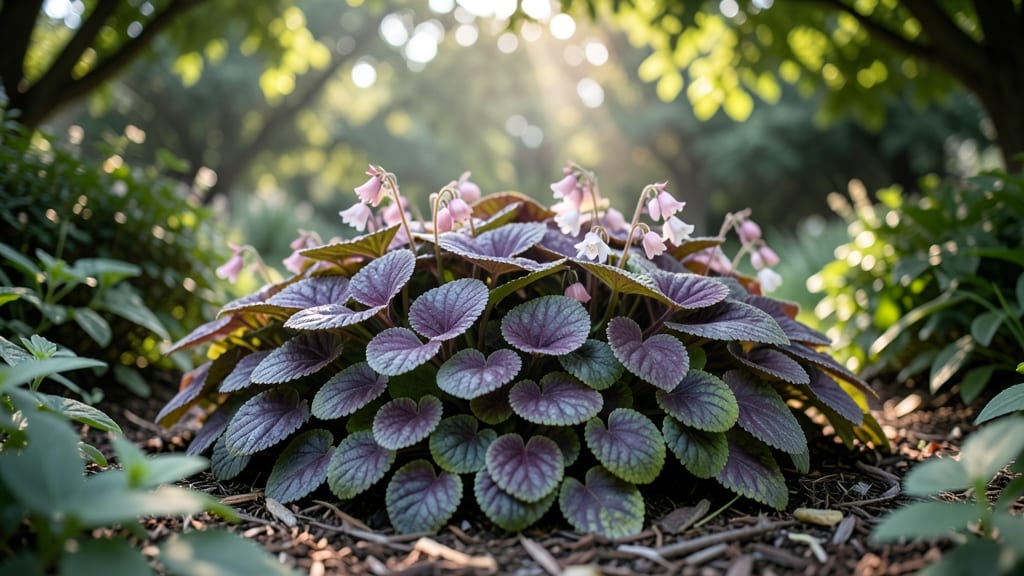
Struggling to make your shady garden spaces bloom? These 10 shade-loving flower bed ideas prove that low-light areas can rival sun-drenched gardens with vibrant colors, fragrant blooms, and lush foliage—no sunlight required.
Hostas with Fern Fringe for Textured Elegance
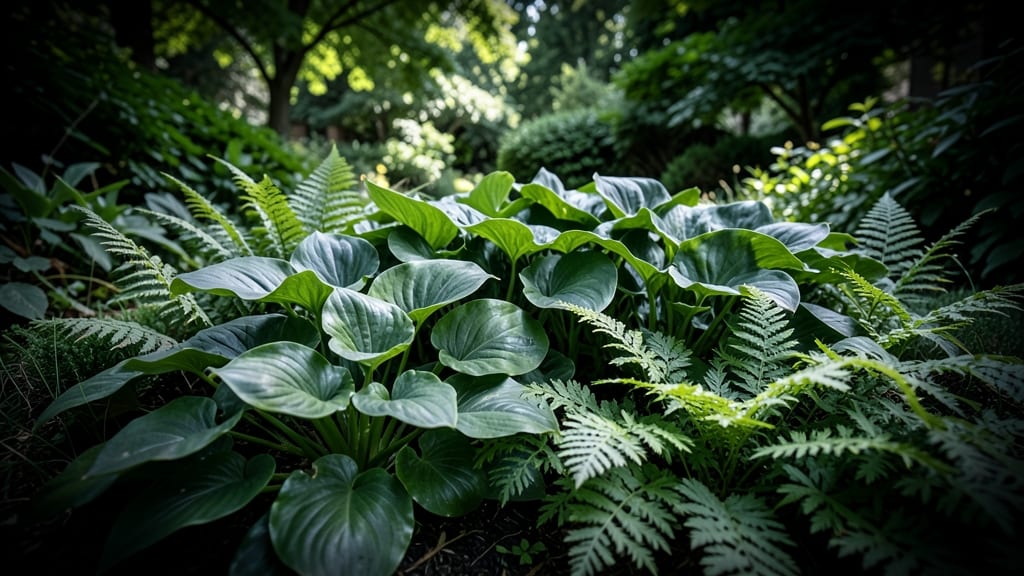
Turn your deep shade garden into a lush, year-round masterpiece by combining hostas with fern fringe for a textured, elegant look. While most plants struggle in low-light conditions, these two stars thrive together, creating a dynamic display that keeps your garden vibrant even when sunlight is scarce.
Start with hostas—their bold, heart-shaped leaves in shades of blue, green, and gold provide the perfect backdrop. Pair them with delicate ferns like Japanese painted fern or maidenhair fern, whose feathery fronds add softness and movement. Plant hostas in clusters at the back or center of your bed, then tuck ferns around their edges or in front for a cascading effect. Both love moist, well-draining soil, so mulch generously to retain moisture and suppress weeds.
This combo is ideal for gardeners who want low-maintenance beauty without sacrificing style. The ferns add height and airiness, while hostas ground the design with their sturdy foliage—perfect for woodland gardens, under trees, or along shady fences. 🌿
Bleeding Heart Vines for Romantic Arches
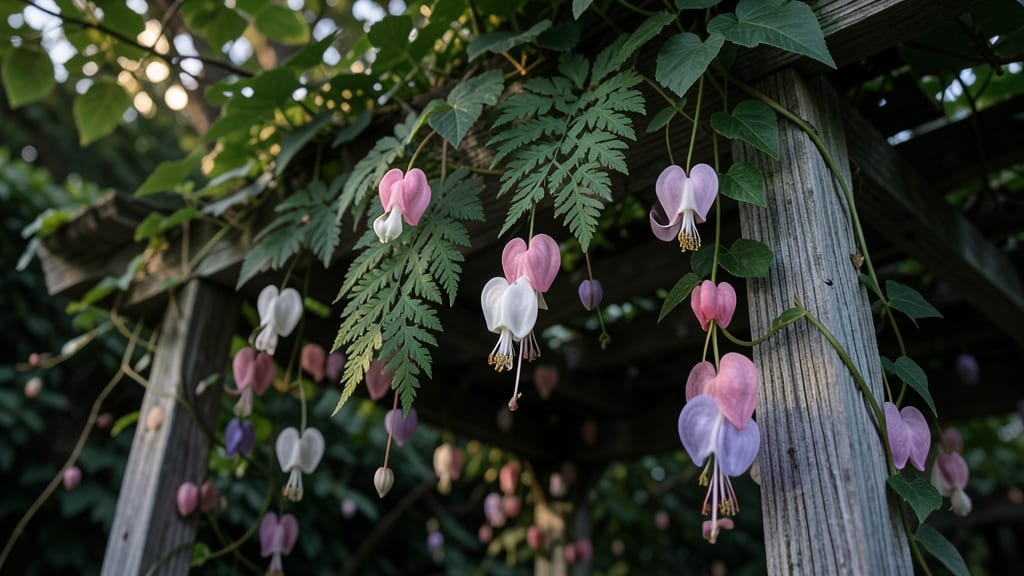
Transform that forgotten shaded corner into a whimsical focal point with bleeding heart vines (Dicentra spectabilis). These romantic climbers thrive in partial to full shade, where they produce cascades of heart-shaped blooms in soft pink, white, or lavender—perfect for draping over arbors, trellises, or old wooden fences.
Plant bleeding hearts in well-draining, moist soil enriched with organic matter, and provide support early to guide their graceful vines. They bloom prolifically in spring, then fade into lush foliage that adds texture through summer. For year-round interest, pair them with hostas or ferns at their base. This plant is ideal for cottage gardeners or anyone craving a low-maintenance, high-impact shade solution.
With their delicate charm and effortless growth, bleeding heart vines bring old-world romance to modern gardens—no sunlight required. 🌷
Hellebores for Winter and Spring Color
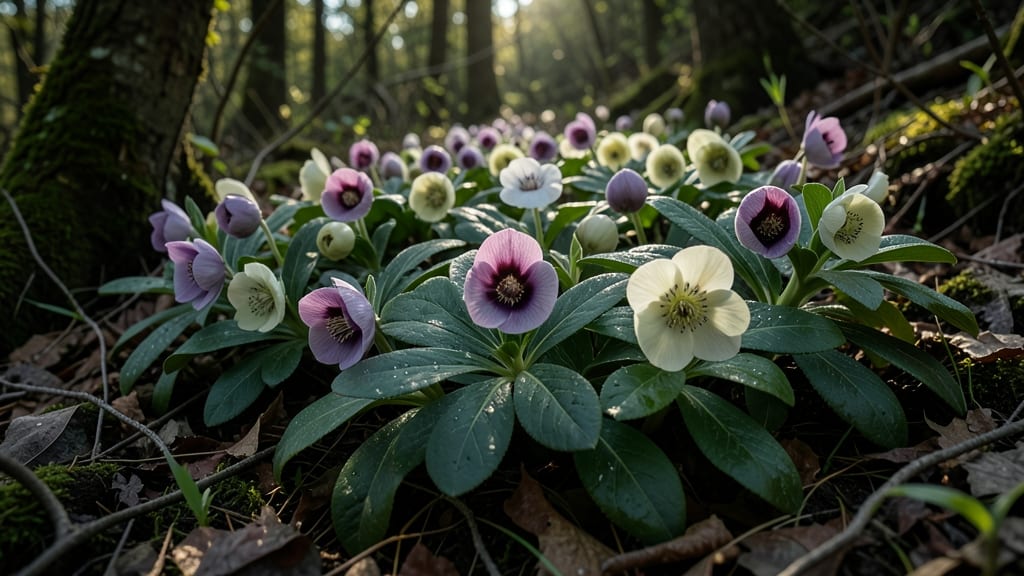
When winter’s grip finally loosens and the first whispers of spring arrive, helleborus—commonly called Lenten roses—burst into bloom like nature’s own celebration. These hardy perennials defy the odds by thriving in deep shade where other plants wilt, offering purple, white, and even green flowers that dance above leathery, evergreen foliage.
Plant them in well-draining soil with a thick layer of mulch to protect roots from freezing temperatures, and watch them reward you with early spring color (often as early as February or March, depending on your climate). Their disease-resistant nature means fewer pests and less fuss—ideal for gardeners who want beauty without the upkeep. Try pairing them with ferns or lungwort for a lush, woodland-inspired bed.
Perfect for urban gardeners with little sunlight or woodland gardeners craving early-season interest, hellebores prove that shade doesn’t mean sacrificing color. 🌷
Impatiens for Bursts of Summer Color
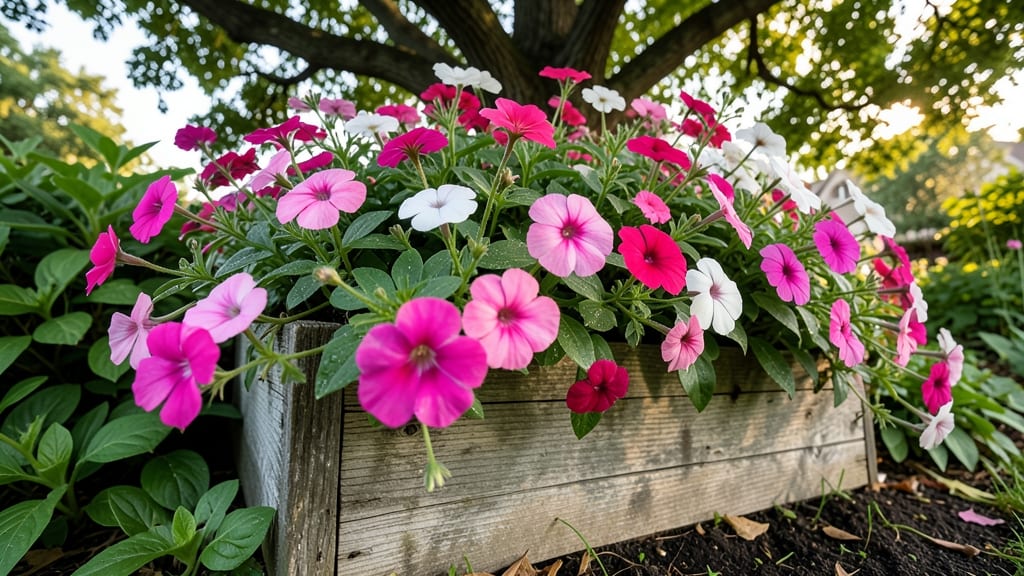
Tired of shady spots that look dull and lifeless? Impatiens are the secret weapon for instant summer color—blooming nonstop from spring until frost with zero fuss. These cheerful annuals thrive in partial to full shade, making them perfect for under trees, along north-facing walls, or in containers that never see direct sun.
Available in every color from vibrant red and orange to soft pink and white, impatiens produce blooms continuously if you deadhead spent flowers. They’re also disease-resistant and tolerate humidity, which means they’ll stay lush and happy even in the most challenging spots. For best results, plant them in well-draining soil and water regularly to keep the soil evenly moist—no drought stress here!
Urban gardeners and beginners will love how impatiens transform shady corners into vibrant focal points with minimal effort. Just pop them in the ground, water occasionally, and enjoy the show! 🌻
Astilbes for Feathered Plume Beauty
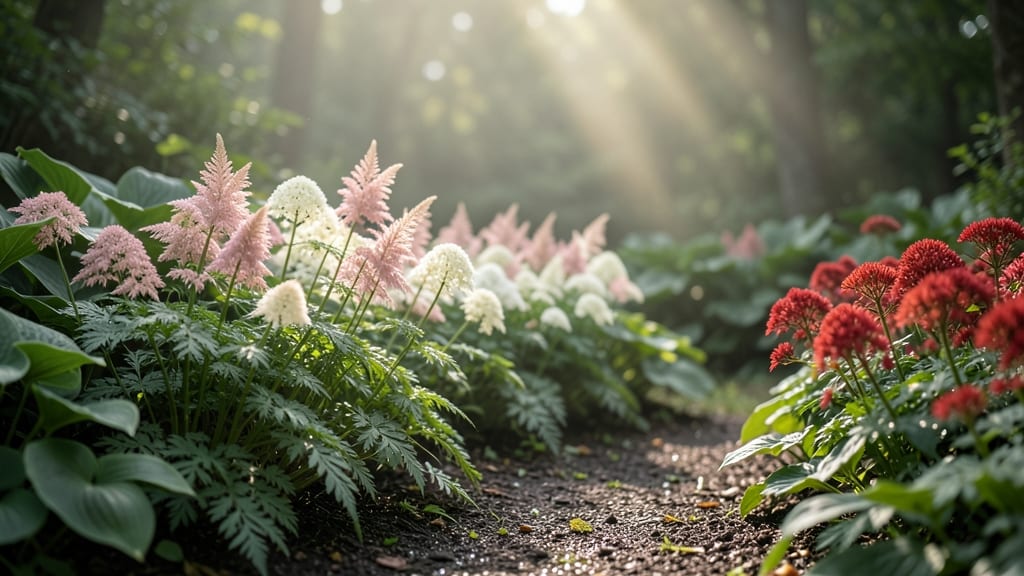
Transform your shady garden into a dreamy woodland retreat with astilbes, whose delicate, feathered plumes in blush pink, snow white, and fiery red create a soft, romantic focal point. Unlike many shade plants, astilbes thrive in moist, well-drained soil, making them ideal for rain gardens, pond edges, or areas where water collects.
These clump-forming perennials bloom from early to midsummer, offering three to four weeks of color before their seed heads add texture through fall. For best results, plant them in partial to full shade and keep the soil consistently moist—mulch helps retain moisture and suppress weeds. Varieties like 'Fanal' (deep pink) or 'Deutschland' (white) add height and drama to borders or containers.
Perfect for beginner gardeners and low-maintenance landscapes, astilbes pair beautifully with hostas or ferns, creating a lush, layered look. Their tolerance for humid conditions makes them a standout choice for shaded spots where other plants struggle. 🌷
Lungwort for Healing and Pollinator Appeal
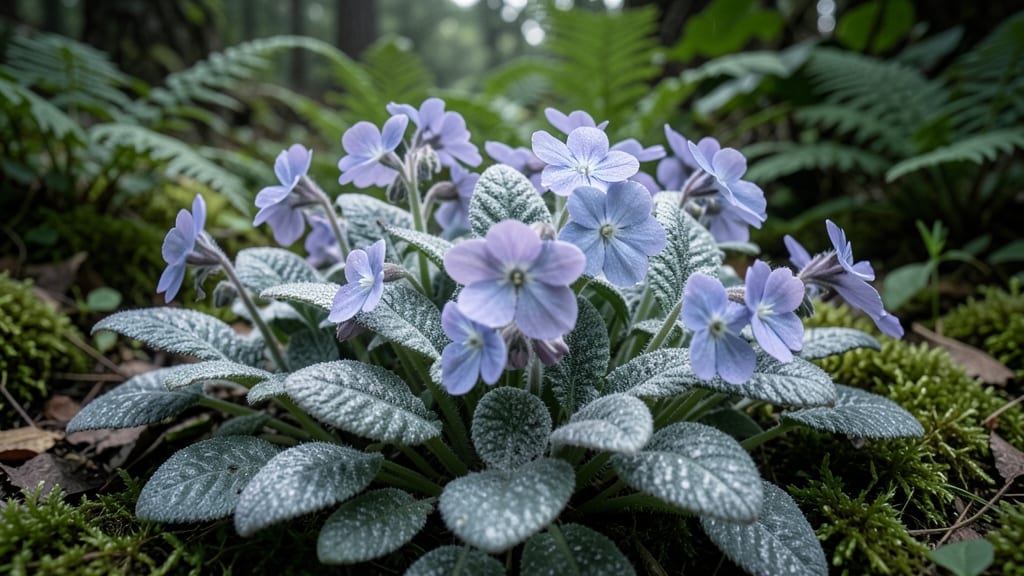
Looking for a shade-loving plant that does double duty—beautifying your garden while supporting local pollinators? Lungwort (Pulmonaria) is your answer, offering silver-spotted foliage and delicate blue-purple blooms that thrive in partial to full shade.
This medicinal herb (traditionally used for respiratory health) attracts bees early in the season when few other flowers are blooming. Plant it in moist, well-draining soil and watch it spread gently over time, creating a lush ground cover. Its year-round interest makes it perfect for woodland gardens or under trees.
Gardeners who prioritize function and form will love lungwort—it’s ideal for borders, cottage gardens, or pollinator-friendly meadows. 🌿
Japanese Painted Ferns for Lush Foliage
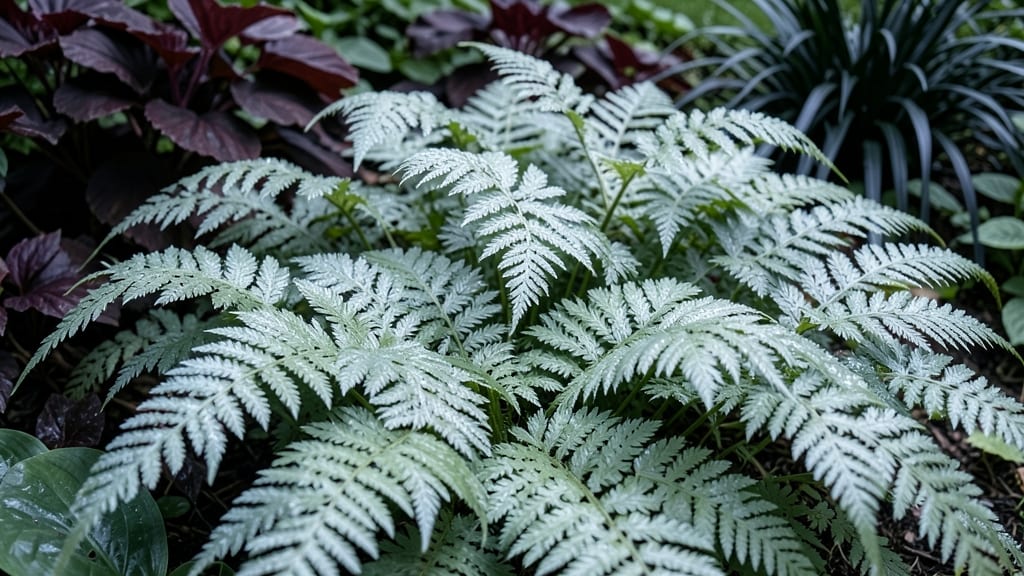
If your shady garden feels like a missed opportunity for drama, Japanese painted ferns are the secret weapon you’ve been waiting for. Their silvery-green fronds shimmer like moonlight on water, creating a mesmerizing contrast against darker foliage—no bright sunlight required.
These ferns thrive in partial to full shade, making them perfect for under trees or along north-facing walls. Once established, they’re drought-tolerant, so you’ll spend less time watering and more time admiring their arching, layered fronds. For extra impact, plant them alongside hostas or lungwort to create a lush, woodland-inspired scene that stays vibrant year-round.
Perfect for urban gardeners with limited space or low-maintenance enthusiasts, these ferns prove that shade gardens can be just as stunning as sunlit ones—with zero extra effort. 💚
Foxgloves for Tall, Dramatic Spikes
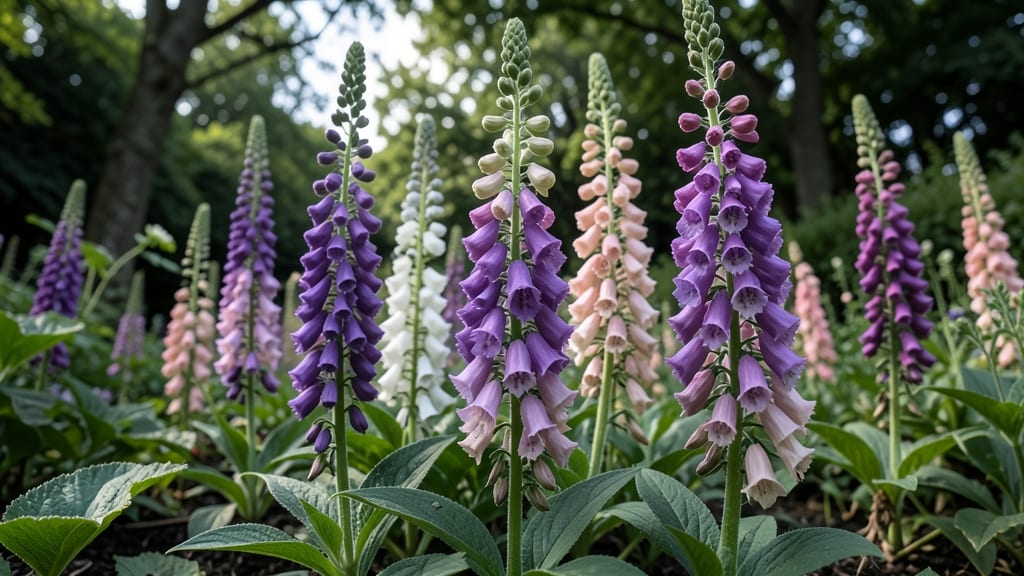
Add dramatic height to your shady garden with foxgloves, towering biennials that reach 3-5 feet with clusters of bell-shaped blooms in purple, white, and pink. Unlike most shade plants, foxgloves thrive in partial shade to full sun**, making them versatile for cottage gardens, wildflower meadows, or woodland edges.
Plant seeds in fall or early spring for the best results—they’ll establish a rosette their first year, then burst into flower the following season. Deadhead spent blooms to encourage a second flush, and avoid over-fertilizing, as foxgloves prefer poor, well-draining soil. Their tall spikes attract hummingbirds and bees, adding movement and pollinator appeal to your garden.
Perfect for beginner gardeners and low-maintenance landscapes, foxgloves self-seed reliably, creating natural drifts over time. Pair them with hostas or ferns to balance their height and add texture. 🌻
Sweet Woodruff for Fragrant Ground Cover
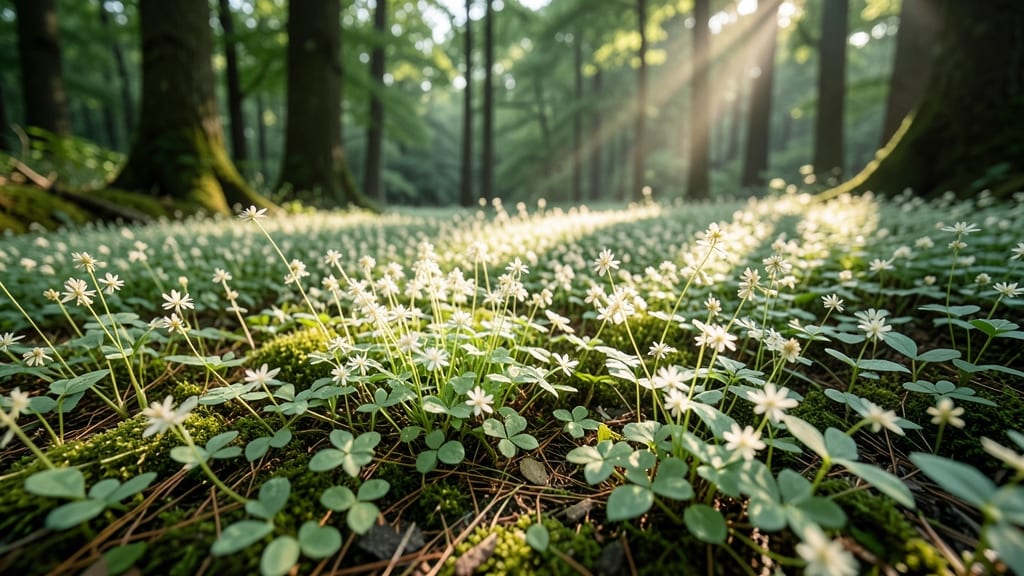
Want to turn your shady garden into a sensory paradise? Sweet woodruff (Galium odoratum) is the secret weapon—this delicate ground cover thrives in deep shade while filling the air with a vanilla-like fragrance when brushed against. Unlike other shade plants, it spreads effortlessly, creating a lush green carpet under trees or along north-facing walls.
Plant sweet woodruff in well-draining, slightly acidic soil and watch it form dense mats that suppress weeds naturally. Its tiny white flowers in spring add subtle charm, while its fragrant foliage releases scent even when dry—perfect for pathways or underfoot. Since it’s drought-tolerant once established, it’s ideal for low-maintenance gardens where other plants struggle.
This fragrant ground cover is especially magical for woodland gardeners or anyone who loves a whimsical, old-fashioned garden feel. Pair it with hostas or ferns for a dreamy, multi-layered shade bed. 🌿
Coral Bells for Season-Long Interest

Ready to add a colorful, low-maintenance star to your shady flower bed? Coral bells (Heuchera) bring season-long interest with their stunning foliage in shades of purple, silver, or lime green—plus delicate flowers that add subtle charm. Unlike many shade plants, they thrive in partial to full shade, making them perfect for containers, borders, or woodland gardens where sunlight is scarce.
Choose from over 100 varieties to match your garden’s style, from deep burgundy leaves like 'Palace Purple' to bright chartreuse 'Lime Rickey.' They’re also drought-tolerant once established, requiring minimal care beyond well-draining soil and occasional watering. For extra flair, pair them with ferns or hostas to create a layered, textured look that stays vibrant year-round.
Urban gardeners and modern landscape lovers will adore how coral bells elevate small spaces with bold foliage and subtle blooms—no sunlight required. 💚