
Pests and Diseases
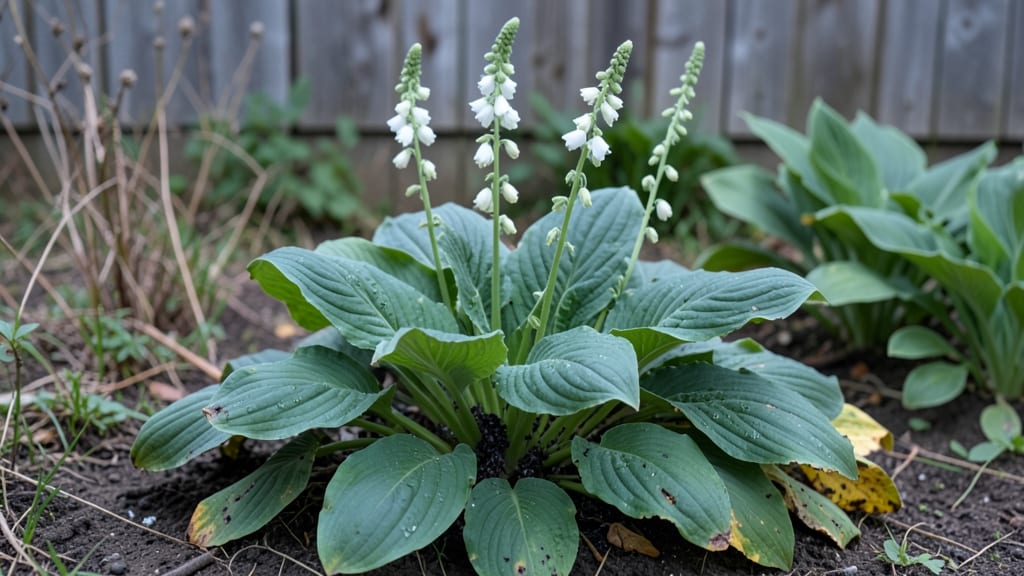
Round-leaf perennials like hostas and astilbes bring lush, velvety foliage that thrives with almost no fuss. 🌿 I’ve grown these plants for years, and the secret to their effortless beauty lies in understanding their natural habits—especially how to prune (or not prune) them.
The right approach keeps them vibrant all season without the constant upkeep other plants demand.
Most round-leaf perennials prefer partial shade and moist, well-draining soil, but they’re forgiving once established. Hostas, for example, handle shade beautifully, while astilbes appreciate morning sun.
The key is minimal pruning—cutting back dead foliage in early spring and trimming leggy growth in midsummer keeps them tidy without sacrificing next year’s blooms.
By summer’s end, you’ll have a garden corner that stays lush and productive with almost no work. These plants reward patience: hostas multiply over time, and astilbes return year after year with bold plumes.
The trade-off? A little upfront care now means decades of low-maintenance beauty—no annual replanting or high-stress upkeep.
Perfect for shady borders, woodland gardens, or even container plantings. Here’s how to keep them thriving with simple seasonal adjustments—no green thumb required.
📚 In This Guide
- What you need
- Instructions
- Tips and common mistakes
- Wrapping up and next steps
What you need
- ● Pro tip: 🔥 Sterilize tools between uses with rubbing alcohol (70%+) to prevent disease spread!
How to maintain round-leaf perennials for year-round elegance
Here’s the straightforward approach I’ve used for decades to keep round-leaf perennials thriving with minimal fuss.
🌿 Step 1: Establish Proper Planting Depth and Spacing
Dig holes twice as wide as the root ball but only as deep as the container’s base. Round-leaf perennials resent being buried too deep, which can suffocate roots and invite rot. Loosen the sides of the root ball gently with your fingers to encourage outward growth immediately after planting.
Space plants 18-24 inches apart for full, rounded foliage. Crowding leads to competition, resulting in smaller leaves and increased disease risk. Water deeply right after planting to settle the soil and eliminate air pockets around the roots.
⏰ Step 2: Master Seasonal Watering Adjustments
In spring, water once weekly until the top 2 inches of soil feel dry. Round-leaf perennials establish roots quickly—overwatering now causes crown rot. By midsummer, reduce to every 10-14 days unless your region experiences three consecutive days above 90°F, which demands deeper watering.
Here’s the trick: water at the base in the morning. This prevents fungal spores from splashing onto leaves and encourages deep root growth. You’ll know you’ve watered enough when excess drains freely from the bottom of the planting hole.
☀️ Step 3: Manage Light Exposure for Optimal Foliage
Most round-leaf perennials thrive in partial shade (4-6 hours of morning sun). If leaves scorch or yellow by late afternoon, they’re getting too much direct sunlight. Move plants to a spot with dappled light or provide afternoon shade with a sheer fabric screen.
In winter, avoid pruning unless dead foliage is unsightly. The withered leaves act as insulation, protecting the crown from freezing temperatures. Only remove them in early spring when new growth emerges—you’ll see fresh shoots at the base before the old leaves fall away.
✂️ Step 4: Prune Strategically for Continuous Bloom
Deadhead spent flowers by pinching back stems to the nearest leaf node. This redirects energy to foliage growth rather than seed production. I do this every 2-3 weeks during peak bloom—you’ll notice new buds forming within 10-14 days of the cut.
For leggy stems, cut back one-third of the plant’s height in early spring. This encourages bushier growth and prevents flopping. Avoid heavy pruning after midsummer—new growth won’t harden off before winter.
🪴 Step 5: Feed and Mulch for Long-Term Health
Apply a 2-inch layer of organic mulch (like shredded bark) around the base in early spring. This conserves moisture, regulates soil temperature, and slowly releases nutrients as it breaks down. Keep mulch 2 inches away from the stem to prevent rot.
Fertilize lightly in early spring with a balanced 10-10-10 formula at half the recommended rate. Round-leaf perennials are low-maintenance—they reward patience over heavy feeding. You’ll see richer foliage and more vibrant blooms without the risk of over-fertilization.
Tips & tricks for perfect round-leaf perennial care
A few subtle adjustments can transform your round-leaf perennials from merely surviving to thriving year after year. These are the details I’ve refined over decades of gardening that make all the difference.
The Root Ball Technique: When planting, don’t just drop your perennial into the hole—gently loosen the sides of the root ball with your fingers. This encourages roots to spread outward immediately, establishing a stronger foundation. I’ve seen plants with untouched root balls struggle for years to catch up compared to those given this simple treatment right from planting. The goal is to minimize transplant shock by replicating natural root growth patterns.
Watering Intelligence: The once-weekly spring watering guideline works perfectly when your top 2 inches of soil truly feel dry. To test this accurately, stick your finger into the soil—it should feel dry down to your first knuckle. In hotter climates where temperatures hit 90°F for three consecutive days, I increase watering frequency to every 5-7 days. The key is to water deeply at the base in the morning, which prevents fungal issues and ensures roots grow downward rather than staying shallow.
Light Management Nuances: While partial shade (4-6 hours of morning sun) is ideal, some round-leaf varieties like hostas can tolerate more shade, while others like peonies need at least 6 hours. If you notice leaves curling or developing brown edges by late afternoon, it’s a clear sign of too much direct sunlight. A simple solution is to install a sheer fabric screen or plant taller perennials nearby to create natural afternoon shade. This small adjustment can mean the difference between lush foliage and stressed plants.
Pruning Precision: When deadheading every 2-3 weeks during peak bloom, always pinch back to the nearest leaf node, never to bare wood. This small detail ensures the plant continues producing new growth rather than forming unsightly stubs. For leggy stems in early spring, cutting back one-third of the plant’s height stimulates bushier regrowth. I’ve learned the hard way that heavy summer pruning can leave plants vulnerable to winter damage, so I avoid it unless absolutely necessary.
Pro Tips for Round Leaf Perennial
- A few subtle adjustments can transform your round-leaf perennials from merely surviving to thriving year after year.
- The Root Ball Technique: When planting, don’t just drop your perennial into the hole—gently loosen the sides of the root ball with your fingers.
- Watering Intelligence: The once-weekly spring watering guideline works perfectly when your top 2 inches of soil truly feel dry.
Frequently asked questions
Got questions about keeping your round-leaf perennials thriving?
Here are some of the most common concerns—plus quick fixes to keep your garden looking lush year-round.
How often should I prune round-leaf perennials?
Prune round-leaf perennials once in early spring (before new growth) and again lightly after flowering to maintain shape. Avoid heavy pruning in fall—this can stress plants. Focus on removing dead or yellowed leaves to encourage fresh growth. Pro tip: Use clean, sharp shears to prevent disease!
Can round-leaf perennials survive winter?
Most round-leaf perennials are hardy and do survive winter with minimal care. Mulch around the base (2–3 inches) in late fall to insulate roots. In colder climates, add a layer of straw or leaves for extra protection. Watch for: Browning leaves—this is normal! New growth will emerge in spring.
What pests or diseases commonly affect round-leaf perennials?
Keep an eye out for aphids, slugs, and powdery mildew. Aphids? Blast them off with water. Slugs? Use beer traps or diatomaceous earth. Powdery mildew thrives in humidity—improve airflow and apply neem oil if needed. Prevention tip: Healthy soil = stronger plants!
Are there drought-tolerant round-leaf perennials?
Yes! Varieties like Hosta (e.g., 'Halcyon') and Lungwort (Pulmonaria) handle dry spells better than others. To boost drought resistance: mulch well, water deeply but infrequently, and choose shade-loving species for less evaporation. Bonus: Group plants with similar needs!
How do I revive a leggy or overgrown round-leaf perennial?
If your plant looks tall and sparse, it’s time for a rejuvenation prune! Cut back ⅓ of the foliage in early spring. For severely leggy plants, trim older stems at the base to encourage new, bushier growth. Over time, this will restore density. Patience pays off!
Wrapping up and next steps
Round leaf perennials are the low-maintenance superstars of your garden—packing year-round charm with just a little care! 🌿 Whether you're battling pests, preventing diseases, or simply keeping them thriving, remember that consistency is your best tool.
With the right tools, seasonal checks, and a proactive approach, these beauties will reward you with lush foliage and vibrant blooms for years to come.
Ready to take your gardening game to the next level? Start small:
- Pick one perennial to focus on this season.
- Grab your supplies and give it a health check today!
- Share your progress—your garden (and fellow green thumbs!) will thank you.