
Flowers
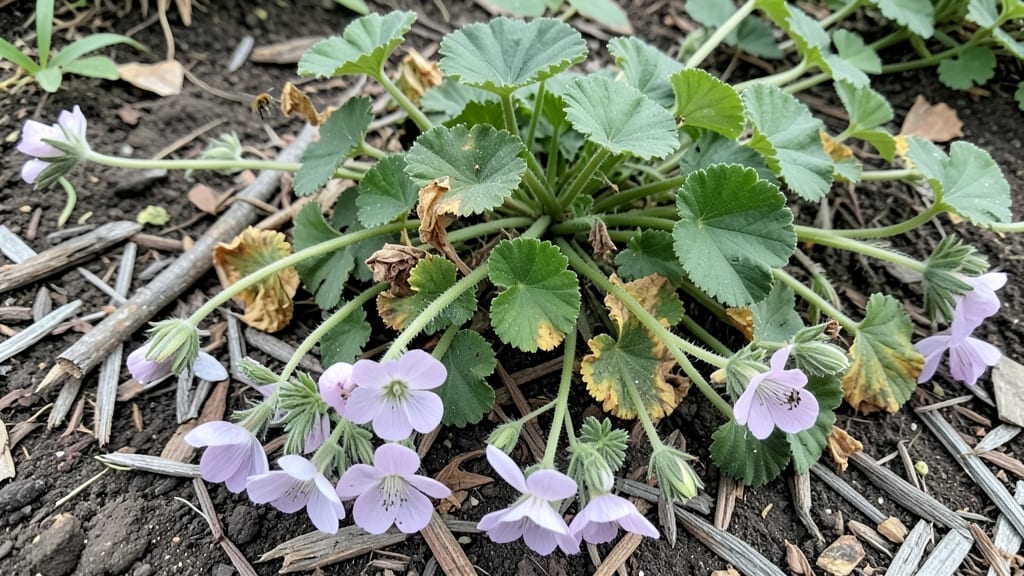
Perennial geranium care isn't complicated—it's about knowing when to step back and let these tough plants do their thing. 🌿 I've watched mine bounce back from drought, thrive in rocky soil, and bloom nonstop for years with barely any fuss.
The key isn't constant attention but smart timing, especially when it comes to pruning and watering.
These plants love full sun but won't melt in the heat—just give them 6+ hours daily and well-draining soil. Most people overwater them, but geraniums prefer dry spells between drinks.
A 3-inch-deep watering once a week in summer keeps them happy without drowning their roots. The real magic happens in early spring when you trim back last year's growth.
With the right approach, you'll end up with vibrant blooms from early summer through frost, and the plants will spread naturally over time. The foliage stays lush, the flowers never stop coming, and you spend less time fussing than with annuals.
Here's how to keep them looking their best all season.
Works equally well in garden beds, containers, or even rocky slopes where other plants struggle. The secret? Treat them like the survivors they are—minimal effort, maximum reward. Let's get your geraniums thriving with confidence.
📚 In This Guide
- What you need
- Instructions
- Tips and common mistakes
- Wrapping up and next steps
What you need
- ● Perennial geranium plants: Choose hardy varieties like Geranium macrorrhizum (crawling geranium) or Geranium sanguineum (blood geranium). Start with 3–5 plants for a small garden bed or 10+ for larger areas.
- ● Well-draining potting mix or garden soil: Use a blend with 50% native soil, 30% compost, and 20% perlite or sand (for containers). Aim for 1–2 cubic feet per plant.
- ● Organic mulch: 2–3 inches of shredded bark, straw, or pine needles to retain moisture and suppress weeds.
- ● Watering can or hose with a gentle spray nozzle: Geraniums hate soggy roots—opt for 1–1.5 gallons per plant every 2–3 days in dry climates.
- ● Pruning shears: Sharp, bypass-pruning shears (4–6 inch blades) for clean cuts. Sanitize with rubbing alcohol between plants.
- ● Fertilizer: Balanced, slow-release granular fertilizer (10-10-10 or 5-10-10) or liquid fish emulsion (diluted to 1 tbsp per gallon of water). Apply once in early spring and again after flowering.
- ○ Gloves (optional but recommended): Protect your hands from thorns (especially on Geranium macrorrhizum) and soil-borne pathogens.
- ● Slow-release fertilizer spikes: Convenient for container geraniums—just insert 1–2 spikes per 6-inch pot in spring.
- ● Drip irrigation kit: Automates watering and reduces fungal risks. Ideal for large garden beds.
- ● Compost tea or mycorrhizal fungi: Boosts soil health and root resilience. Mix 1 cup per gallon of water monthly during growing season.
- ● Plant supports (for trailing varieties): Use small stakes or wire cages to guide sprawling stems like Geranium macrorrhizum.
- ● Fungal preventative (copper fungicide): Spray every 4–6 weeks in humid climates to preempt powdery mildew.
Step-by-Step instructions for growing perennial geraniums year-round
Here’s how I keep my hardy geraniums blooming through seasons with just a few simple checks.
🌱 Step 1: Plant in Well-Draining Soil and Full Sun
Perennial geraniums thrive in full sun—at least 6 hours daily—and well-draining soil to prevent root rot. I dig in 2-3 inches of compost into the planting hole to enrich the soil before placing the plant. The roots should sit just below soil level, never buried deeper than they were in their container.
Gently press the soil around the base to remove air pockets, but don’t compact it. Water deeply right after planting to settle the roots. You’ll know it’s right when the soil feels moist 1 inch below the surface but not soggy. Mulch with 1-2 inches of organic mulch (like shredded bark) to retain moisture and suppress weeds.
☀️ Step 2: Water Deeply but Infrequently
Geraniums hate soggy roots, so I water once a week during dry spells, letting the soil dry out completely between waterings. Stick your finger 2 inches deep—if it feels dry, it’s time. Water at the base in the morning to avoid fungal issues from evening moisture.
Here’s the thing—overwatering is the fastest way to kill these plants. If the leaves yellow or the stems soften, you’re watering too much. Let the top 1-2 inches of soil dry out before watering again. In hot summers, you might need to water every 4-5 days, but always check the soil first.
✂️ Step 3: Prune for Bushier Growth and Longer Blooms
Pruning isn’t just about tidying up—it’s how you get more flowers and stronger stems. I cut back one-third of the plant in early spring, right after new growth appears. Use clean, sharp shears to snip just above a leaf node (where leaves meet the stem) to encourage branching.
Deadhead spent blooms regularly throughout the season to redirect energy into new flowers. Pinch back leggy stems in late summer to promote fresh growth before winter. If you skip this, your geraniums will look scraggly by fall. I promise, a little pruning now means bold blooms all season.
🌿 Step 4: Protect in Winter and Prepare for Spring
Perennial geraniums are hardy, but they need a little help in cold climates. After the first frost, cut back dead or damaged stems to 2-3 inches tall. Add a 2-3 inch layer of mulch (like straw or leaves) around the base to insulate roots. This protects them from freezing and thawing cycles.
In early spring, remove the mulch and check for new growth. If you see green shoots, it’s time to trim back any remaining dead stems. Water lightly once new growth appears—don’t drown them as they wake up. You’ll know they’re ready for full sun again when leaves unfurl fully.
Tips & tricks for perennial geranium care
A few simple tricks can make all the difference in keeping your hardy geraniums thriving through every season.
Soil Prep Secret: Before planting in Step 1, I always mix in a handful of perlite or sand into that 2-3 inches of compost. This extra boost ensures the well-draining soil stays loose and prevents those dreaded soggy roots. I learned this the hard way after losing plants to root rot in heavy clay soil—trust me on this.
Watering Wisdom: The once-a-week rule in Step 2 works perfectly in my climate, but I've found that sticking your finger 2 inches deep is more reliable than counting days. Morning watering is non-negotiable—it gives the leaves time to dry before evening, which prevents fungal diseases like powdery mildew that I've battled before.
Pruning Precision: When cutting back one-third of the plant in early spring (Step 3), I always use clean, sharp shears and make cuts just above a leaf node. This tiny detail makes all the difference in encouraging bushier growth. I mark my shears with tape to show exactly where to cut—no more guessing!
Winter Protection: For that 2-3 inch mulch layer in Step 4, I use a mix of straw and fallen leaves. The straw provides insulation while the leaves add organic matter that breaks down slowly. I always remove the mulch in early spring before new growth appears—this prevents the soil from becoming too compacted.
Pro Tips for Perennial Geranium Care
- A few simple tricks can make all the difference in keeping your hardy geraniums thriving through every season.
- Soil Prep Secret: Before planting in Step 1, I always mix in a handful of perlite or sand into that 2-3 inches of compost.
- Watering Wisdom: The once-a-week rule in Step 2 works perfectly in my climate, but I've found that sticking your finger 2 inches deep is more reliable than counting days.
Frequently asked questions
How often should I water perennial geraniums?
Water deeply 1-2 times per week, letting the soil dry slightly between waterings. In hot climates, they may need more frequent watering (every 2-3 days). Morning watering prevents fungal issues. Mulch helps retain moisture—just avoid piling it against stems.
When is the best time to prune perennial geraniums?
Prune in early spring (before new growth) to shape and remove dead stems. Light trimming after blooming keeps them tidy. Avoid heavy pruning in fall—it can stunt winter hardiness. Use clean, sharp shears to prevent disease.
Why are my geraniums’ leaves turning yellow?
Yellow leaves often mean overwatering or poor drainage. Check soil moisture—geraniums hate soggy roots. Fungal issues (like powdery mildew) can also cause yellowing. Improve airflow, space plants properly, and avoid wetting leaves when watering.
Can perennial geraniums survive winter?
Most varieties are hardy to USDA zones 5-10, but they need protection in colder areas. Cut back dead foliage in late fall, then mulch heavily (3-4 inches) with straw or leaves. In zone 4 or colder, dig up tubers and store them in dry peat moss.
Are there geranium alternatives that need less care?
If geraniums feel high-maintenance, try heuchera (coral bells) or sedum—both thrive with minimal pruning. Lavender is another drought-tolerant pick. For blooms, catmint or Russian sage offer similar beauty with less fuss.
Wrapping up and next steps
Caring for perennial geraniums is all about embracing their hardy nature with a little love and attention! With the right balance of sunlight, watering, and seasonal pruning, you’ll enjoy vibrant blooms year after year—minimal effort, maximum impact. 🌸
Ready to watch your garden flourish? Grab your pruners, pick a sunny spot, and get growing! For even more tips, explore our gardening resources or dive into other low-maintenance perennials to expand your blooming borders.