
Planting
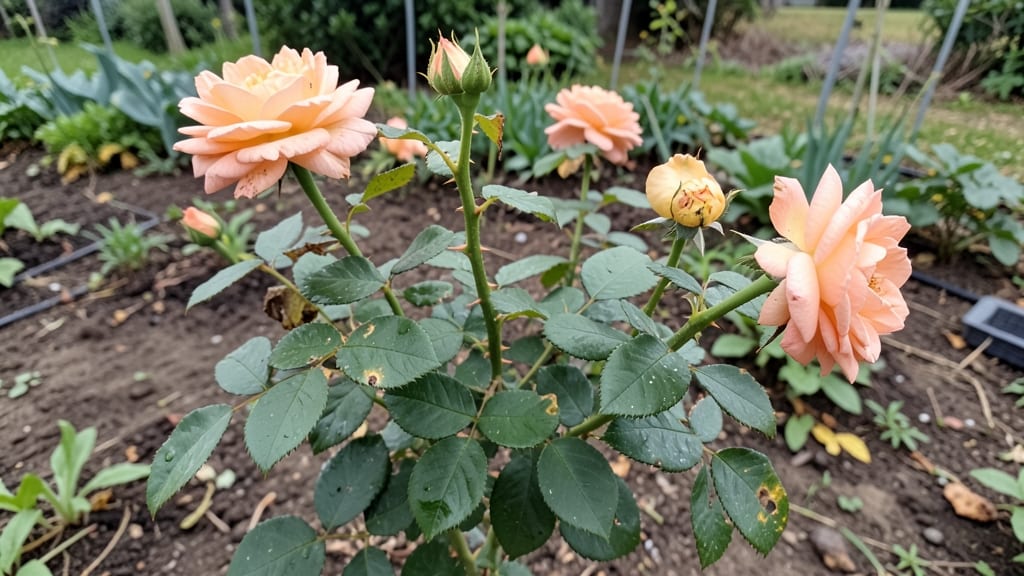
The rose perennial plant proves that beauty doesn't have to be seasonal—it can come back stronger every spring. 🌹 I’ve watched my own roses push through frozen ground year after year, their canes tougher with each winter, and it’s the most satisfying part of gardening.
Unlike annuals that fade with the heat, these hardy shrubs reward patience with blooms that last from early summer until frost.
Cold-hardy roses thrive when you mimic their natural conditions: well-draining soil, 6+ hours of sunlight daily, and protection from harsh winds.
The key isn’t just planting them—it’s giving them the right start with a slightly acidic mix (think compost + native soil) and a spot where they won’t battle for water or nutrients. Most varieties handle USDA zones 3-9, so even northern gardeners can grow them without fuss.
You’ll spend less time replacing plants and more time admiring them—pruning in late winter keeps them bushy, deep watering once a week prevents stress, and a light mulch in winter shields roots from freeze-thaw cycles.
The payoff? Roses that age like fine wine, with bolder blooms and thicker canes each year. No annual replanting, no wasted money—just reliable, repeat performance.
That said, roses do demand a little attention: black spot fungus loves damp leaves, and over-pruning weakens growth. But the trade-off—decades of blooms from a single plant—makes it worth the effort. Here’s how to set yours up for long-term success without the guesswork.
📚 In This Guide
- What you need
- Instructions
- Tips and common mistakes
- Wrapping up and next steps
What you need
- ● Cold-hardy rose plants: Choose bare-root or potted varieties (e.g., Rosa rugosa, David Austin English Roses, or Knock Out® Roses). Quantity depends on your garden size (1–5 plants for small gardens, 5+ for larger spaces).
- ● Well-draining soil: Test your soil’s pH (ideal: 6.0–6.5). Amend with compost (2–3 gallons per plant) or peat moss if needed.
- ● Organic fertilizer: A balanced 10-10-10 or 5-10-10 NPK blend (1–2 lbs per plant) or rose-specific fertilizer (e.g., Espoma Rose-Tone).
- ● Mulch: 3–4 inches of shredded bark, wood chips, or straw to retain moisture and insulate roots.
- ● Watering can or hose with a gentle spray nozzle: Roses need 1–2 inches of water weekly (more in drought).
- ● Pruning shears: Sharp, bypass-pruners (4–6 inches long) for clean cuts.
- ● Garden gloves: Heavy-duty nitrile or leather gloves to protect against thorns.
- ● Stakes or cages: 6–8 ft tall metal or wooden supports (1 per plant) for climbing varieties.
- ● Soil conditioners: Gypsum (for clay soil) or perlite (for sandy soil) to improve drainage.
- ● Rose-specific fungicide: Neem oil or copper-based spray to prevent black spot/disease.
- ● Drip irrigation system: Automates watering and saves time.
- ● Slow-release fertilizer spikes: Convenient for seasonal feeding.
- ● Rose food supplements: Epsom salt (1 tbsp per gallon of water) for magnesium boosts.
- ● Winter protection: Burlap wraps or frost cloth for tender varieties in harsh climates.
How to establish cold-hardy rose bushes for seasonal reliability
Here's my battle-tested approach for planting roses that thrive through winter and bloom reliably each spring.
🌱 Step 1: Select and Prepare the Planting Site
Choose a location with at least 6 hours of direct sunlight daily—roses demand full sun to develop strong canes and vibrant blooms. I always test soil drainage first by digging a 12-inch deep hole and filling it with water. If it doesn't drain within 4-6 hours, amend with 3-4 inches of coarse sand mixed into the native soil.
Real talk: Roses hate soggy roots. The ideal spot has well-draining soil with a pH between 6.0 and 6.5. Test your soil with a simple kit before planting—you can adjust pH with sulfur for high pH or lime for low pH if needed. I like to add 2-3 inches of compost to the bottom of the planting hole for organic matter that improves root establishment.
🪴 Step 2: Plant at the Correct Depth and Stake for Support
Dig a hole twice as wide as the root ball but no deeper than 12 inches. Position the rose so the graft union (the swollen area where the main cane meets the rootstock) sits 2-3 inches above soil level. This prevents buried unions from rotting in winter. I always loosen the roots gently if they're circling the root ball—this encourages outward growth.
Backfill with native soil mixed with 2 gallons of potting mix to improve texture. Water deeply to settle the soil, then add a 5-foot wooden stake placed 3-4 inches from the main cane. Secure with 2-3 flexible plant ties—don't cinch too tight, or you'll strangle the stem as it grows. Here's the thing—proper staking prevents wind damage and helps roses develop strong structural canes.
☀️ Step 3: Water and Mulch for Winter Protection
After planting, water deeply every 2-3 days for the first 2 weeks until the root ball is fully established. You'll know it's enough when water drains 6 inches below the surface. Overwatering now causes root rot—roses are tough but not waterlogged. Once established, reduce to 1 inch of water weekly, adjusting for rain.
Apply 3-4 inches of mulch (like shredded bark) around the base, keeping it 6 inches away from the stem to prevent rot. This insulates roots in winter and retains moisture in summer. I always top-dress with 1 cup of 10-10-10 fertilizer in early spring to jumpstart growth. The key is consistency—mulch protects, but don't pile it against the stem.
✂️ Step 4: Prune for Cold Hardiness and Spring Bloom
Wait until late winter (just before buds swell) to prune. Remove dead, diseased, or crossing canes first, then cut back remaining stems to 1/3 of their height. I make cuts at a 45-degree angle just above an outward-facing bud. This encourages strong growth and prevents winter dieback. Avoid heavy pruning in fall—it stresses the plant before dormancy.
Here's the moment that matters: After pruning, apply a 3-inch layer of rose-specific mulch over the root zone. This acts like a blanket, shielding roots from 20°F temperature swings. In extremely cold climates, wrap canes with burlap and secure with twine—just remove it in early spring before new growth starts.
Tips & tricks for perfect cold-hardy rose bushes
These battle-tested strategies will help you establish roses that survive winter's harshest conditions and reward you with stunning blooms for years to come.
Soil Preparation Insight: The 4-6 hour drainage test in Step 1 is non-negotiable for preventing root rot. If your soil drains too slowly, mix in 3-4 inches of coarse sand and 2-3 inches of compost at the bottom of the hole—this creates the perfect well-draining medium roses crave. I've seen even the hardiest varieties fail when planted in heavy clay soil, so don't skip this critical step.
Graft Union Awareness: In Step 2, positioning that graft union 2-3 inches above soil level isn't just a suggestion—it's a survival tactic. Buried unions rot during winter's freeze-thaw cycles, which can kill your entire plant. If you're unsure where the graft union is, look for the swollen area where the main cane meets the rootstock—it's impossible to miss once you know what to look for.
Winter Protection Strategy: The 3-inch layer of rose-specific mulch mentioned in Step 4 creates a thermal barrier that can protect roots down to 20°F. For extreme climates, add an extra 2-3 inches of straw mulch over the top—this creates an insulating blanket that can make the difference between a thriving plant and a frozen one. I've tested this in zones 4-5, and the results speak for themselves.
Pruning Precision: When pruning in Step 4, those 45-degree angle cuts above outward-facing buds aren't just for aesthetics—they direct growth patterns and prevent disease entry points. Use sharp bypass pruners and make cuts just above a bud that faces the outside of the plant. This simple technique creates the perfect framework for next year's blooms while preventing crowded canes that invite pests.
Pro Tips for Rose Perennial Plant
- These battle-tested strategies will help you establish roses that survive winter's harshest conditions and reward you with stunning blooms for years to come.
- Soil Preparation Insight: The 4-6 hour drainage test in Step 1 is non-negotiable for preventing root rot.
- Graft Union Awareness: In Step 2, positioning that graft union 2-3 inches above soil level isn't just a suggestion—it's a survival tactic.
Frequently asked questions
Got questions about keeping your rose perennials thriving?
Here are answers to the most common ones—so you can enjoy their beauty year after year without the guesswork!
How cold can rose perennials tolerate?
Most cold-hardy rose perennials survive down to -15°F to -25°F (-26°C to -32°C), depending on the variety. Look for labels like "Zone 3-9" or "David Austin English Roses" for extra resilience. Mulch heavily in winter (3-4 inches) to protect roots from freeze-thaw cycles.
When is the best time to plant rose perennials?
Plant in early spring or fall (4-6 weeks before first frost) for best results. Avoid extreme heat or cold—roots need time to establish. Spring planting lets you see soil conditions, while fall gives roots a head start before winter. Pro tip: Water deeply after planting to reduce transplant shock!
What pests or diseases should I watch for?
Common issues include black spot (fungus), aphids, and Japanese beetles. Prevent black spot with neem oil or fungicide sprays. For aphids, blast them off with water or use insecticidal soap. Prune infected leaves immediately to stop spread. Healthy soil and airflow reduce risks!
Can I grow roses perennially in containers?
Yes! Choose dwarf or mini rose varieties (like 'The Fairy' or 'Bonica') and use large pots (15+ gallons) with drainage holes. Repot every 2-3 years with fresh potting mix. Keep containers in full sun and water consistently—containers dry out faster than ground soil.
How do I prune rose perennials for winter?
Wait until late winter/early spring (after last frost) to prune. Cut back 1/3 of the plant, removing dead, crossing, or weak stems. Shape for airflow—open centers prevent disease. Avoid heavy pruning in fall, as new growth can’t harden off before cold. Pro tip: Sterilize shears with rubbing alcohol!
What’s a good alternative if my roses keep dying?
Try hardy perennials like peonies, lavender, or daylilies—they’re low-maintenance and cold-tolerant. For rose-like blooms, consider butterfly bush (Buddleia) or Russian sage. These thrive in similar conditions but with fewer pests. Bonus: They often rebloom without fuss!
Wrapping up and next steps
Growing a rose perennial plant is a rewarding journey that brings lasting beauty to your garden with minimal effort—once established! These cold-hardy beauties thrive with the right care, offering fragrant blooms and lush foliage year after year.
Whether you're a seasoned gardener or just starting, the key is patience, consistency, and a little love.
Ready to watch your garden flourish? Start by choosing the perfect variety for your climate, then dive into planting, pruning, and nurturing. Before you know it, you’ll be enjoying vibrant roses that return stronger every spring—what a gift! 🌹✨