
Shrubs
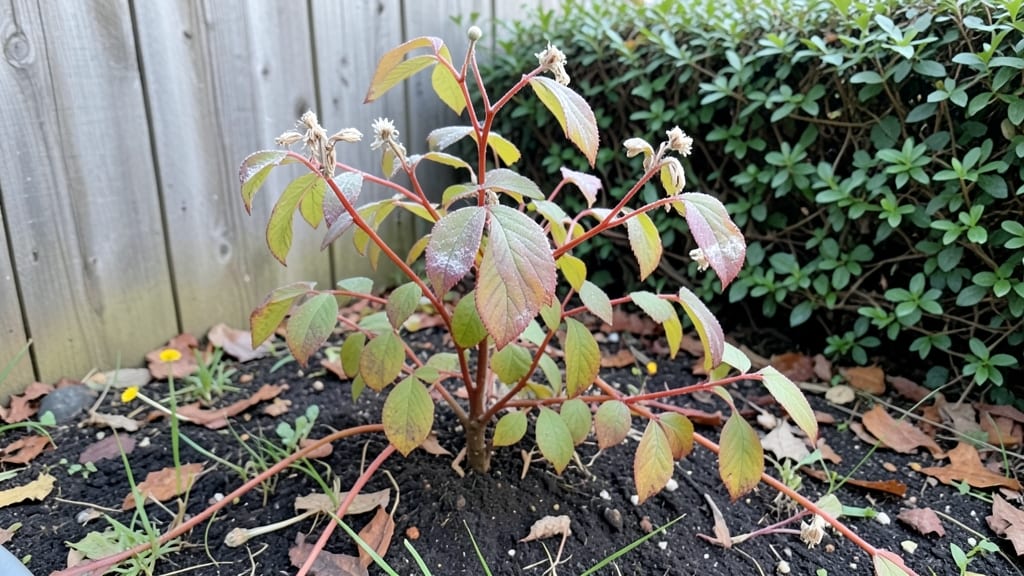
Red perennial shrubs transform any garden into a year-round statement piece without the fuss of annual replacements. 🌿 I’ve designed borders with barberry’s fiery foliage and cotoneaster’s berry-laden branches, and they’ve never let me down—just vibrant color through winter, spring blooms, and fall interest.
The secret lies in pairing the right shrubs for your climate and sunlight, then letting them shine as the backbone of your design.
Start with three hardy standouts: barberry for sharp, glossy red leaves, cotoneaster for cascading branches and berries, and hydrangea for dramatic blooms that shift color. These thrive in full sun to partial shade, handle drought once established, and mix effortlessly with evergreens or perennials.
My front yard’s focal point? A 6-foot-tall barberry hedge that stays lush even in deep freeze—no dead zones, no replanting.
By mid-summer, you’ll have a garden that pops with deep crimson foliage, clusters of tiny white flowers, and berries that persist through winter. The best part? These shrubs play well with others—plant them alongside silver foliage for contrast or purple blooms to make the reds sing.
Even my neighbor’s "black thumb" can’t kill these.
Works for small city gardens or sprawling estates—just adjust spacing. Need a privacy screen? Try cotoneaster. Want a bold accent? Go for hydrangea. The key is layering: combine heights, textures, and bloom times for round-the-clock drama. Let’s pick your perfect mix!
📚 In This Guide
- What you need
- Instructions
- Tips and common mistakes
- Wrapping up and next steps
What you need
- ● Red perennial shrubs: Choose from Cotoneaster, Viburnum dentatum (Arrowwood), Hydrangea paniculata (Limelight or Little Lime), or Rhododendron (e.g., ‘PJM’ or ‘Catawbiense’). Buy 3–5 plants for a fuller look.
- ● Well-draining soil: Mix 50% native soil + 30% compost + 20% perlite or sand (adjust for clay-heavy areas). Test soil pH—most red shrubs prefer 5.0–6.5 (use a soil pH test kit if unsure).
- ● Organic mulch: 2–3 inches of pine bark fines or shredded leaves to retain moisture and suppress weeds.
- ● Slow-release fertilizer: 10-10-10 or 20-20-20 (apply once in early spring and again in midsummer).
- ● Watering can or hose with a gentle spray nozzle (for deep watering 1–2 times per week in the first year).
- ● Garden gloves (to protect hands from thorns or rough bark).
- ● Hand trowel or transplant spade (for digging holes 2–3 times wider than the root ball).
- ● Pruning shears (sharp, bypass-style for clean cuts).
- ○ Stakes & twine (optional, for young shrubs in windy areas).
- ○ Drip irrigation kit (optional, for automated watering).
- ○ Epsom salt (magnesium sulfate) (optional, 1 tbsp per gallon of water in late summer for red-leaf varieties like Cotoneaster).
Step-by-Step guide to planting and maintaining red perennial shrubs
Here's how I establish vibrant red perennial shrubs that thrive with minimal intervention.
🌱 Step 1: Select and Prepare Planting Sites
Choose locations with 6+ hours of sunlight daily—most red perennials like Barberry or Sumac demand full sun for their signature color. I always test soil drainage first by digging a 12-inch deep hole and filling it with water; if it drains within 30 minutes, the site is perfect. Poor drainage causes root rot, and these shrubs hate soggy feet.
Amend heavy clay soil with 2-3 inches of compost mixed into the top 12 inches of soil. This improves aeration and nutrient availability without overwhelming the plants. I avoid peat moss—it acidifies soil and can stress these shrubs, which prefer a slightly alkaline pH of 6.5-7.5.
🪴 Step 2: Plant at the Right Depth and Spacing
Dig holes twice as wide as the root ball but only as deep as the container. This prevents burying the stem, which causes suffocation. Place the shrub in the hole, then backfill with native soil mixed with 1 part compost (from your 2 gallons of compost supply) to encourage root establishment. Press gently around the base to remove air pockets.
Space plants 3-5 feet apart depending on the variety—Sumac needs 5 feet for its airy habit, while Barberry thrives at 3 feet. I always stagger rows to create natural windbreaks and improve airflow between plants. This spacing prevents fungal diseases that thrive in crowded, humid conditions.
☀️ Step 3: Water Deeply and Establish a Routine
Water immediately after planting to settle the soil, then again every 2-3 days until new growth appears. You'll know it's enough when the top 2 inches of soil feel moist but not saturated. Overwatering now leads to root suffocation, especially in heavy clay. I use a soaker hose to deliver water slowly at the base, avoiding wetting foliage.
After 4-6 weeks, reduce watering to once weekly unless rainfall provides 1 inch of moisture. Mature red perennials are drought-tolerant once established, but young plants need consistent moisture to develop strong root systems. Mulch with 2 inches of shredded bark to retain moisture and suppress weeds—this is where your 1 bag of mulch comes in.
✂️ Step 4: Prune for Shape and Health
Prune in early spring before new growth appears to remove dead or crossing branches. I use clean, sharp pruners to make cuts at a 45-degree angle just above a leaf node. This encourages outward growth and prevents disease entry. Never prune more than 1/3 of the plant in a single season—red perennials rebound slowly from heavy cuts.
Shape the shrub by thinning out crowded branches to improve airflow. You'll see healthier foliage and brighter red hues within 2-3 weeks of proper pruning. I avoid pruning in fall—new growth won't harden off before winter, leaving plants vulnerable to frost damage.
Tips & tricks for perfect red perennial shrubs
Here's what I've learned after years of cultivating these vibrant, low-maintenance plants—simple secrets that make all the difference.
Soil Test Matters: The 30-minute drainage test in Step 1 is non-negotiable. If water lingers beyond that, you're risking root suffocation. I've seen Barberry plants thrive in amended clay soil but fail miserably in soggy conditions. For heavy clay, mix in 2-3 inches of compost into the top 12 inches of soil—this improves aeration without overwhelming the plants. Real talk: I once planted Sumac in unamended clay and lost it within a year. Don't make my mistake.
Planting Depth Secret: When digging holes in Step 2, use a reference marker at container depth—burying the stem even an inch too deep causes suffocation. I always press firmly around the base to eliminate air pockets, which prevents root rot. For Sumac, which needs 5 feet spacing, I mark the center of the hole with a stake to ensure perfect placement.
Watering Wisdom: The 2-3 day watering schedule in Step 3 works best with a soaker hose—it delivers moisture directly to roots without wetting foliage, which prevents fungal diseases. I check moisture by feeling the top 2 inches of soil; if it's damp but not soggy, you're golden. After 4-6 weeks, I switch to weekly watering unless we've had 1 inch of rain, which is when these shrubs prove their drought tolerance.
Pruning Precision: Early spring pruning in Step 4 is your best bet for vibrant red foliage. I always make cuts at a 45-degree angle just above a leaf node—this encourages outward growth and prevents disease. Never prune more than 1/3 of the plant in one season; I learned this the hard way when I over-pruned a Barberry and it took two years to recover. The 2-3 week recovery time for brighter hues is worth the patience.
Pro Tips for Red Perennial Shrubs
- Here's what I've learned after years of cultivating these vibrant, low-maintenance plants—simple secrets that make all the difference.
- Soil Test Matters: The 30-minute drainage test in Step 1 is non-negotiable.
- Planting Depth Secret: When digging holes in Step 2, use a reference marker at container depth—burying the stem even an inch too deep causes suffocation.
Frequently asked questions
Got questions about adding red perennial shrubs to your landscape? You’re not alone! Here are answers to the most common concerns—from planting tips to long-term care—so you can confidently choose and grow these vibrant, low-maintenance beauties.
What’s the easiest red perennial shrub for beginners?
Start with Hydrangea macrophylla (like ‘Endless Summer’) or Weigela florida. Both thrive in partial shade, handle average soil, and bloom reliably with minimal fuss. For full sun, Abelia ‘Kaleidoscope’ offers glossy foliage and red-pink flowers—just keep it well-watered the first year.
When is the best time to plant red perennial shrubs?
Fall (4–6 weeks before your first frost) is ideal—cooler temps reduce stress, and roots establish before winter. Spring planting works too, but water deeply 2–3 times a week until roots spread. Avoid planting in extreme heat or drought; shrubs need moisture to root.
Can I grow red perennial shrubs in containers?
Dwarf varieties like Heuchera ‘Fire Alarm’ or Cotoneaster ‘Dragon’s Blood’ thrive in pots (12–18" diameter). Use well-draining soil, a container with drainage holes, and repot every 2–3 years. Place in partial shade to prevent leaf scorch, and fertilize lightly in spring.
How do I keep pests and diseases away from my red shrubs?
Prevention is key! Prune for airflow, water at the base (not leaves), and mulch to retain moisture. Watch for aphids (spray with soapy water) or powdery mildew (remove infected leaves and improve airflow). For tougher issues, neem oil or insecticidal soap works gently. Healthy soil = happy shrubs!
What’s a great red shrub alternative if I have poor soil?
Try Andromeda ‘Rubra’ (evergreen, acidic-loving) or Pieris japonica ‘Cavendishii’ (tolerates clay). For alkaline soil, Callicarpa bodinieri (purple berries!) or Viburnum ‘Dawn’ (pink/red blooms) are forgiving. Amend soil with compost or peat moss if possible—most red shrubs reward patience with stunning color!
Wrapping up and next steps
Red perennial shrubs are the ultimate low-maintenance superstars for adding year-round vibrancy to your garden—no fuss, just stunning color! 🌸 Whether you’re drawn to hardy varieties like Coralberry or the bold drama of Dwarf Fothergilla, these plants thrive with minimal effort while rewarding you with seasonal interest.
Now that you’re armed with the right knowledge, why not take the next step? Pick one (or two!) that excites you, grab your gloves, and give your landscape a bold, effortless upgrade this season.