
Tools
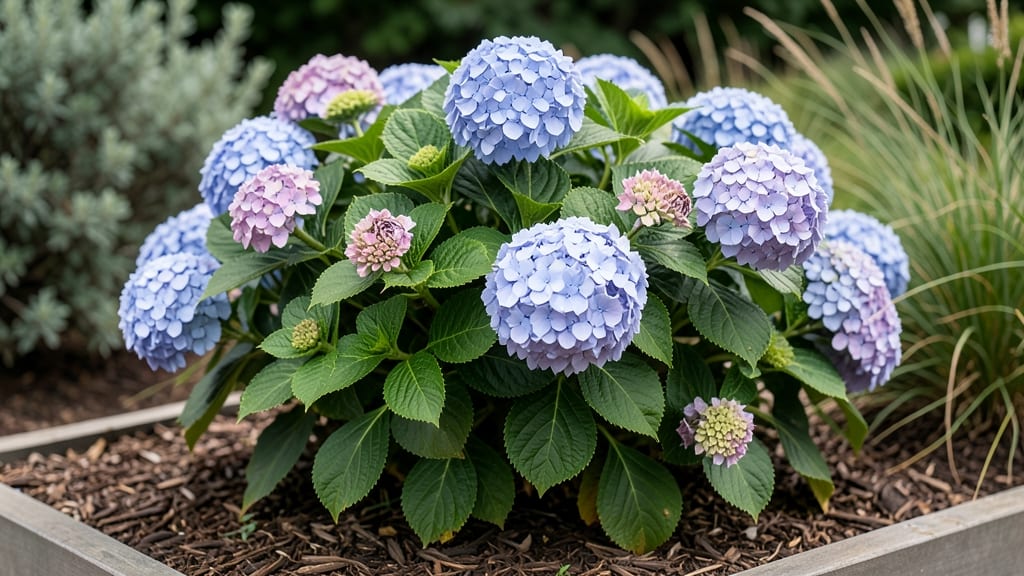
A garden bed along your foundation with Endless Summer hydrangeas creates a lush, low-maintenance border that softens your home’s lines while delivering blooms from summer through fall. 🌸 The key is choosing the right depth, spacing, and drainage—hydrangeas hate soggy roots but love consistent moisture, and their sprawling habit needs room to shine without crowding the house.
Start with a 6- to 8-inch-deep bed (deeper if your soil drains poorly) and line it with landscape fabric to prevent weeds while letting roots breathe.
Space your hydrangeas 4 to 5 feet apart—they’ll grow wider than tall—and pair them with shade-tolerant perennials like hostas or ferns to fill gaps elegantly. A 2-inch layer of gravel beneath the soil keeps roots from sitting in foundation runoff.
By summer’s end, you’ll have a wall of blooms that frames your home beautifully, with minimal deadheading needed. The secret? Mulch heavily to retain moisture and prune in late winter to encourage those iconic lavender-blue blooms all season long.
No other plant delivers this much curb appeal with so little fuss.
This design works for any foundation style—modern, ranch, or colonial—and adapts to partial shade or morning sun. Just avoid full afternoon heat, and your hydrangeas will reward you with years of effortless beauty. Ready to transform that blank wall into a showstopper?
📚 In This Guide
- What you need
- Instructions
- Tips and common mistakes
- Wrapping up and next steps
What you need
- ● Endless Summer Hydrangea Plants: 3–5 mature plants (spaced 3–5 feet apart, depending on desired fullness).
- ● Garden Soil: 2–3 cubic yards (amended with 20% compost or peat moss for drainage).
- ● Mulch: 2–3 bags of pine bark fines or shredded cedar (3–4 inches deep).
- ● Landscape Fabric: 1 roll (to suppress weeds and retain moisture).
- ● Garden Gloves & Knee Pads: For comfort and protection.
- ● Shovel & Spade: For digging and planting.
- ● Wheelbarrow: For hauling soil and mulch.
- ● Measuring Tape & Stakes: To mark plant spacing.
- ● Watering Can or Hose: With a gentle spray nozzle.
- ● Slow-Release Fertilizer: 10–20 lbs of balanced 10-10-10 or hydrangea-specific granules.
- ● Edging Material: Landscape timbers or metal edging to define the bed.
- ● Decorative Stones: For a polished look (e.g., river rocks or flagstone).
- ● Plant Support: Small stakes or rings for young hydrangeas (if needed).
- ● Drip Irrigation Kit: For automated watering (great for foundation beds!).
How to create a foundation-friendly garden bed for Endless Summer hydrangeas
This design keeps roots happy while protecting your home's exterior—just follow these clean steps.
🪴 Step 1: Plan the Foundation-Friendly Layout
Measure your foundation's length and mark a planting zone 12-18 inches away from the house, using wooden stakes and string. This distance prevents root intrusion into foundation walls while allowing the hydrangea's sprawling habit to shine. For 4 plants, space them 4-5 feet apart—Endless Summer varieties need room to develop their signature blooms.
Check for existing downspouts or grading issues. If water pools near the foundation, create a 6-inch high berm on the outer edge to redirect flow away. I always sketch the layout first; hydrangeas look best when positioned to frame windows or entryways, but their roots need consistent moisture.
🌱 Step 2: Prepare the Soil with Proper Drainage
Remove any sod or weeds within the marked area, then dig down 12 inches deep to loosen compacted soil. Amend the native soil with 3 inches of compost and 2 inches of perlite to improve drainage—hydrangeas hate soggy roots. I mix these in thoroughly so the amended soil looks uniformly dark and crumbly.
For extra insurance, lay a 4-inch wide landscape fabric strip along the foundation edge before backfilling. This prevents future root migration while still allowing water penetration. Test your soil's pH now (hydrangeas prefer 5.2-6.0 for blue blooms), and adjust with sulfur if needed.
☀️ Step 3: Plant Hydrangeas at the Right Depth
Dig holes twice as wide as the root ball but no deeper than the container's depth. Gently remove each hydrangea from its pot and tease the roots outward if they're circling. Place the plant so the top of the root ball sits 1 inch above the surrounding soil level—this prevents rot in heavy rains.
Fill the hole halfway with soil, then water deeply to settle it. Top with 2 inches of mulch, keeping it 6 inches away from the stem to prevent moisture buildup. I always water again after mulching to help roots settle into their new home. The first flush of leaves tells me everything's working.
💧 Step 4: Establish a Consistent Watering Routine
Water newly planted hydrangeas every other day for 2 weeks, then taper to 2-3 times weekly once established. The soil should stay 2-3 inches moist at all times—probe with your finger to check. For blue blooms, I use 1 tablespoon of aluminum sulfate per gallon of water monthly during bloom season.
Install a drip irrigation line along the bed if possible—hydrangeas respond poorly to overhead sprinklers, which can cause fungal issues. After the first year, your plants will develop deeper roots and need less frequent watering, but always monitor during heatwaves. Wilting leaves mean it's time to water immediately.
✂️ Step 5: Prune and Maintain for Year-Round Blooms
Prune Endless Summer hydrangeas right after blooming in late summer, cutting back 1/3 of the oldest stems to encourage new growth. This keeps the plant bushy and promotes continuous flowering. I always sterilize my pruners with rubbing alcohol between cuts to prevent disease spread.
Fertilize in early spring with 10-10-10 granular fertilizer, working it into the top 2 inches of soil. Avoid high-nitrogen fertilizers—they produce lush foliage at the expense of blooms. Deadhead spent flowers in fall to redirect the plant's energy into root development for next year's display.
Tips & tricks for perfect foundation-friendly hydrangea planting
Creating a stunning garden bed along your foundation doesn't have to be complicated—just follow these pro tips to ensure your Endless Summer hydrangeas thrive while protecting your home.
Spacing is Everything: When planting your 4 hydrangeas 4-5 feet apart, think about their mature size. Endless Summer varieties can reach 5-6 feet wide, so leave extra room if you want a fuller look. I always sketch the layout first, using wooden stakes to visualize the spacing before digging. This prevents overcrowding and makes future pruning easier.
Soil Prep Secrets: The 12-inch deep soil preparation in Step 2 is non-negotiable for drainage, but here's the pro move: mix in 1/2 cup of bone meal along with the compost and perlite. This adds phosphorus for root development and flower production. For clay-heavy soils, add an extra 1 inch of perlite to prevent compaction.
Root Ball Placement Matters: That 1-inch above soil level positioning in Step 3 isn't just about preventing rot—it also helps establish strong root systems faster. After planting, gently press the surrounding soil to eliminate air pockets, then water deeply. I like to add a 1-inch layer of orchard sand around the root ball for extra drainage if my soil is particularly dense.
Watering Wisdom: The 2-3 inches moist soil guideline in Step 4 works, but here's how to check properly: Insert your finger 2 inches deep—if it feels dry, water immediately. For blue blooms, I've found that adding 1 tablespoon of aluminum sulfate per 2 gallons of water (instead of 1 gallon) gives even more vibrant color without risking over-acidification.
Pro Tips for Garden Bed Along The Foundation With Endless Summer Hydrangea
- Creating a stunning garden bed along your foundation doesn't have to be complicated—just follow these pro tips to ensure your Endless Summer hydrangeas thrive while protecting your home.
- Spacing is Everything: When planting your 4 hydrangeas 4-5 feet apart, think about their mature size.
- Soil Prep Secrets: The 12-inch deep soil preparation in Step 2 is non-negotiable for drainage, but here's the pro move: mix in 1/2 cup of bone meal along with the compost and perlite.
Frequently asked questions
about creating a garden bed along your foundation with Endless Summer hydrangeas—because every gardener deserves a little clarity!How close to the foundation can I plant my hydrangeas?
Keep the plants at least 12–18 inches away from your home’s siding or foundation to prevent moisture buildup and potential rot. Use a French drain or gravel layer beneath the bed to redirect water away from the house. Endless Summer hydrangeas thrive in this spacing—they’ll reward you with lush blooms without compromising your home’s integrity!
When is the best time to plant them?
Spring (after the last frost) or early fall (4–6 weeks before the first frost) are ideal. Endless Summer hydrangeas establish roots quickly in cooler weather, giving them a head start for vibrant blooms next season. Avoid planting in extreme heat—hydrangeas hate stress!
Will this bed attract pests or damage my foundation?
Not if designed properly! Hydrangeas are pest-resistant, but proper drainage is key. Ensure the bed slopes away from the house (1–2% grade) and use well-draining soil (amend with compost). A gravel layer beneath the bed deters burrowing pests like termites while protecting your foundation.
Can I use other plants instead of hydrangeas?
Pair Endless Summer hydrangeas with foundation-friendly plants like:
- Boxwoods (evergreen, low-maintenance)
- Dwarf lilacs (fragrant, compact)
- Heucheras (colorful foliage, shade-tolerant)
- Creeping thyme (drought-resistant ground cover)
How do I keep the soil moist without water pooling near the house?
Use mulch (2–3 inches) (wood chips or straw) to retain moisture while preventing soil compaction. Install a drip irrigation system with emitters spaced 12–18 inches apart to deliver water directly to roots. Never let water pool—always ensure the bed has a slight slope away from the foundation.
Wrapping up and next steps
Creating a garden bed along your foundation with Endless Summer hydrangeas is a game-changer for curb appeal and low-maintenance beauty! 🌸 These hardy shrubs thrive in tight spaces, offer year-round interest, and even help with drainage—making them the perfect foundation plant.
Whether you’re a beginner or a seasoned gardener, this project is doable, rewarding, and packed with impact.
Now that you’re armed with the materials, tips, and answers to common questions, it’s time to roll up your sleeves! Start by sketching your design, gather your supplies, and transform that empty foundation space into a lush, blooming paradise. Happy planting—your future self (and neighbors!) will thank you! 🌿