
Orchid Care
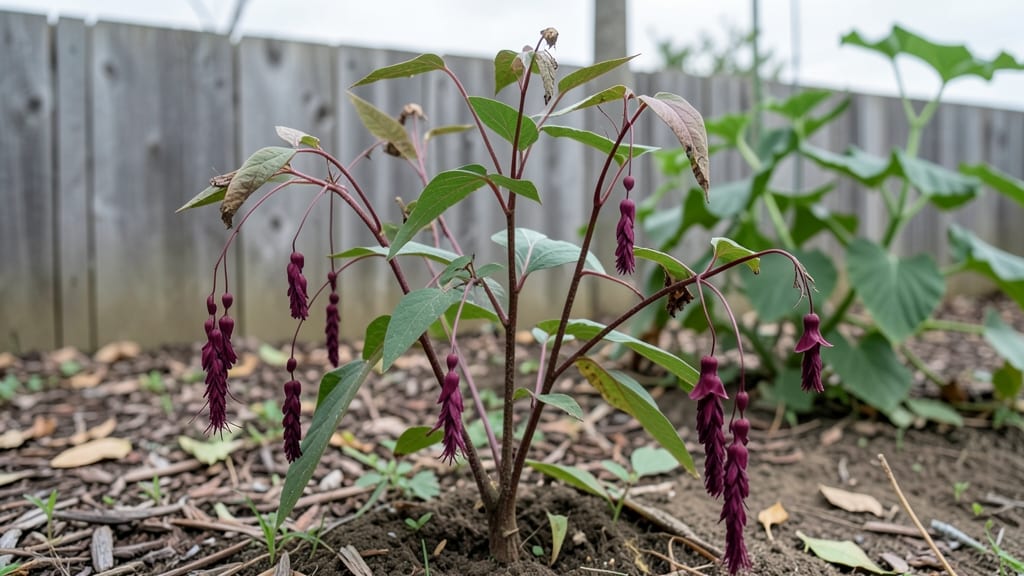
Amaranthus thrives as an annual, meaning it grows rapidly from seed, flowers, produces seeds, and then completes its cycle within a single season. 🌱 However, certain varieties—like the 'Love Lies Bleeding' type—can surprise you by sending up new shoots from their roots if you trim them back before they fully mature.
This isn't true perennial growth, but it does extend your harvest window if you act quickly and protect the roots from harsh winter conditions.
What sets amaranthus apart is its resilience. Unlike true perennials that return year after year from established root systems, amaranthus relies on fresh seeds each spring.
The key to maximizing its potential lies in understanding its growth stages—from germination to seed production—and working with these natural rhythms rather than against them.
💡 In This Article
- Amaranthus Life Cycle: Annual Growth Stages Explained
- Growing Amaranthus Like a Perennial: Tips for Year-Round Cultivation
Amaranthus life cycle: annual growth stages explained
Amaranthus begins its life cycle as a seed that germinates within 7-14 days under ideal conditions—soil temperatures of 70-85°F and consistent moisture.
The key trigger here is photoperiod sensitivity: most varieties need 12-14 hours of daylight to initiate germination, which explains why planting too early in cold climates often results in slow starts.
During this phase, the seedling develops a taproot system that can reach 12-18 inches deep, anchoring the plant for its rapid upward growth.
Once emerged, amaranthus enters its vegetative stage, where it focuses on leaf production rather than flowering. This phase lasts 4-6 weeks and produces 3-5 foot tall plants with broad, lance-shaped leaves.
The plant's growth rate accelerates with 14+ hours of daylight, a condition met naturally in summer months above 35° latitude. At this stage, amaranthus resembles a bushy green machine—its leaves contain 25-30% protein, making it a nutritional powerhouse for both humans and wildlife.
The flowering stage begins when the plant detects shortening daylight hours (typically after 14 weeks of growth). Flowers emerge as tiny green spikes that transform into the plant's signature red, orange, or gold panicles.
This transition is triggered by a combination of temperature drops below 75°F and reduced daylight—similar to how photoperiod-sensitive crops like poinsettias bloom. The flowering phase lasts 3-4 weeks, during which the plant shifts its energy from leaf production to seed development.
Seed maturation occurs over 4-6 weeks, with the plant's energy now focused entirely on producing 100,000-200,000 seeds per plant. Each seed contains 14-18% protein and 25-30% carbohydrates, explaining why amaranthus was a staple crop in ancient Aztec and Inca diets.
What's fascinating is how the plant's stem often becomes woody and hollow during this stage—a survival adaptation that helps distribute nutrients to developing seeds. Once seeds mature and dry on the plant, the entire above-ground structure dies back, completing the annual cycle.
Here's what most gardeners miss: while amaranthus is technically annual, its root crown (the base where stems emerge) can remain dormant underground for 1-2 years if protected from freezing. This is why some varieties might sprout again if you cut them back before seed production—though this isn't true perennial behavior.
The root crown lacks the specialized buds of true perennials, meaning it won't reliably regenerate year after year without careful overwintering strategies.
The entire life cycle from seed to seed takes 90-120 days in optimal conditions, though this varies by variety. For example, 'Joseph's Coat' completes its cycle in 90 days, while 'Red Garnet' takes closer to 120 days.
Understanding these timelines helps gardeners plan succession plantings or harvest leaves before the plant shifts energy to seed production. The plant's rapid growth makes it ideal for short-season gardens, where it can produce edible greens in as little as 30-40 days after germination.