
Companion Plants
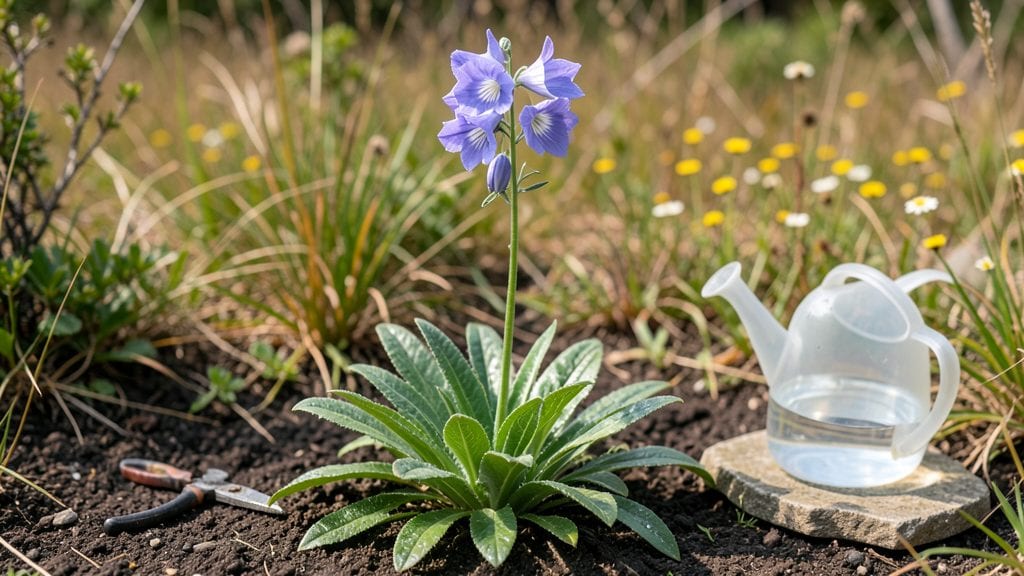
Finding rare perennial plants that thrive in cold climates feels like uncovering hidden treasures in your garden. 🌱 These cold-hardy gems don’t just survive winter—they multiply year after year, rewarding patience with striking foliage, unusual flowers, and effortless growth.
I’ve hunted for these underrated perennials for years, and the ones that make it through harsh winters always steal the show in spring.
The best part? Most of these plants demand less fuss than annuals. They thrive in partial shade, tolerate poor soil, and spread reliably once established. Think hardy geraniums with silvery leaves, Russian sage that blooms from midsummer to frost, or the delicate, almost fairy-tale-like blooms of Aquilegia hybrids.
These aren’t just survivors—they’re showstoppers that turn a garden into a living tapestry.
You’ll need to source them from specialty nurseries or plant swaps, as they’re rarely found in big-box stores. But once you plant them, they’ll reward you with decades of color, fragrance, and that quiet pride of growing something truly special.
The key? Choosing varieties matched to your zone and giving them space to establish strong roots before winter hits.
Whether you’re filling a shady corner, brightening a border, or adding height to a mixed bed, these perennials deliver drama with minimal effort. Here’s how to pick the right ones for your climate and keep them thriving for years to come.
📚 In This Guide
- What you need
- Instructions
- Tips and common mistakes
- Wrapping up and next steps
What you need
- ● Perennial Plants: 1–5 rare perennial plants (species like Hepatica nobilis, Dodecatheon meadia, or Erythronium americanum—choose based on your USDA hardiness zone).
- ● Certified organic or disease-free specimens (avoid wild-collected plants unless sourced responsibly).
- ● Soil Amendments: 5–10 gallons of well-draining compost (e.g., leaf mold or aged cow manure).
- ● 1–2 bags of peat moss or coconut coir (for sandy or clay-heavy soils).
- ● 1 lb of bone meal or worm castings (for phosphorus-rich soil).
- ● Planting Tools: 1 hand trowel (for delicate root handling).
- ● 1 garden fork (to loosen soil without damaging roots).
- ● 1 measuring tape or ruler (for spacing plants 6–24 inches apart, depending on species).
- ● Watering Supplies: 1 watering can with a rose attachment (for gentle, deep watering).
- ○ Optional: drip irrigation kit (to maintain consistent moisture in dry climates).
- ● Mulch: 2–3 inches of organic mulch (e.g., shredded bark, straw, or pine needles).
- ● Protective Gear: 1 pair of gardening gloves (nitrile-coated for durability).
- ● 1 wide-brimmed hat and sunscreen (for prolonged outdoor work).
- ● Cold-Frame or Cloche: 1–2 clear plastic domes or mini cold frames (to extend the growing season in early spring or late fall).
- ● Soil pH Test Kit: Rare perennials often prefer slightly acidic to neutral soil (pH 6.0–7.0)—test before planting!
- ● Slow-Release Fertilizer: 1 lb of 10-10-10 or fish emulsion (apply sparingly in early spring).
- ● Plant Labels: Biodegradable markers to track varieties (especially useful for rare species!).
- ● Wildlife Deterrents: Chicken wire or mesh (to protect young plants from deer or rabbits in colder zones).
Step-by-Step guide for cultivating rare perennial plants
Here’s how to establish these cold-hardy beauties with minimal fuss.
🌱 Step 1: Select and Prepare Planting Sites
Start by choosing spots that match each plant’s natural habitat. Rare perennials often thrive in partial shade or dappled sunlight, especially in hotter climates. I dig a hole twice as wide as the root ball but only as deep as the container—this prevents burying the crown too deeply, which can cause rot.
Amend the soil with 1-2 inches of compost mixed into the bottom of the hole. This ensures drainage while retaining moisture. If your soil is heavy clay, add 1 part perlite to 3 parts native soil to improve aeration. Test the hole’s depth by placing the plant inside—it should sit at the same level as it did in its container.
🪴 Step 2: Plant and Stake for Stability
Gently remove the plant from its container and loosen the roots if they’re circling. Place it in the hole, then backfill with native soil, pressing lightly to eliminate air pockets. Water deeply to settle the soil around the roots—this helps prevent gaps that can dry out.
Stake taller varieties (like cimicifuga or ligularia) with 3-foot bamboo stakes tied loosely to the stem. Avoid tight ties, which can girdle the stem as it grows. Mulch with 2-3 inches of shredded bark to retain moisture and suppress weeds, but keep mulch 6 inches away from the crown to prevent rot.
☀️ Step 3: Water Deeply and Protect New Growth
Water once weekly for the first month, soaking the soil to a depth of 12 inches. You’ll know it’s enough when water drains from the bottom of the hole. Overwatering is the biggest mistake—rare perennials often come from dry, rocky soils and won’t tolerate soggy roots.
After planting, shield new growth from direct afternoon sun for 2-3 weeks using shade cloth. This helps prevent transplant shock. Watch for wilting leaves—a sign of stress—and adjust watering if the soil dries too quickly. Most perennials establish roots within 4-6 weeks, but some rare species take up to 3 months.
✂️ Step 4: Prune and Divide Strategically
Wait until late spring before pruning, when new growth is 2-3 inches tall. Trim back dead foliage to 6 inches above the ground, but leave healthy stems intact. Rare perennials often have unique foliage—cutting too aggressively can reduce next year’s display.
Divide clumps every 3-5 years in early spring or fall. Dig up the plant, separate sections with a sterilized knife, and replant divisions 12 inches apart. This keeps plants vigorous and prevents overcrowding. Label each division to track varieties—some rare perennials look nearly identical until they flower.
🌿 Step 5: Overwinter with Care
Most cold-hardy perennials need no special winter care, but mulch heavily (4-6 inches) in Zone 5 or colder to protect roots. Remove mulch in early spring once soil thaws to 50°F. Avoid disturbing plants until new shoots emerge—this ensures they’re not still dormant.
Watch for brown, crispy foliage in spring—a sign of winter dieback. Don’t panic: many rare perennials regrow from the crown. If leaves stay brown past late April, gently scratch the soil surface to check for green growth beneath. Patience is key—some species take 6-8 weeks to break dormancy.
Tips & tricks for perfectly cultivating rare perennial plants
These simple strategies will help you establish thriving rare perennials that multiply beautifully each year.
Soil Depth Matters: In Step 1, when digging the hole, use a reference like your container's height to ensure the crown sits at the same level it did in the pot. Burying the crown too deeply can cause rot, while planting too high may expose roots to drying. I always test by placing the plant in the hole and checking the crown height before backfilling. This small step makes all the difference for rare species that often have delicate root structures.
Root Care Technique: During Step 2, when loosening circling roots, be gentle but thorough. Use your fingers to carefully separate roots rather than pulling them apart. This prevents damage that can stress the plant. For particularly tangled roots, soak the root ball in water for 10 minutes before planting to help loosen them naturally. The goal is to maintain root integrity while encouraging outward growth.
Watering Wisdom: The once-weekly watering in Step 3 is crucial, but timing matters too. Water in the morning so leaves have time to dry, preventing fungal issues. Use a trowel to check soil moisture at 12 inches deep—if it's dry, water again. I've found that rare perennials often need less water than common varieties, so resist the urge to overwater, especially in clay soils where drainage becomes critical.
Seasonal Pruning Insight: When pruning in late spring (Step 4), look for new growth that's 2-3 inches tall before cutting. This timing ensures you're not removing potential foliage that could support photosynthesis. I've learned that rare perennials often have unique leaf shapes—preserving some of the previous year's foliage can actually help protect emerging stems from harsh winds and late frosts.
Pro Tips for Rare Perennial Plants
- These simple strategies will help you establish thriving rare perennials that multiply beautifully each year.
- Soil Depth Matters: In Step 1, when digging the hole, use a reference like your container's height to ensure the crown sits at the same level it did in the pot.
- Root Care Technique: During Step 2, when loosening circling roots, be gentle but thorough.
Frequently asked questions
Got questions about rare perennial plants? You’re not alone! Here are some of the most common concerns—plus straightforward answers to help you grow with confidence.
What makes a perennial plant "rare"?
Rare perennials stand out because they’re uncommon in nurseries, often due to slow growth, specific growing conditions, or limited natural habitats. Many are cold-hardy gems that thrive in tough climates but aren’t mass-produced like daylilies or hostas. Look for species with unique foliage, flowers, or ecological quirks—like Hepatica nobilis (liverleaf) or Dodecatheon meadia (shooting star).
How do I know if a rare perennial is truly cold-hardy?
Check the USDA Hardiness Zone label (e.g., Zones 3–7) on seeds or plants. Most rare perennials list their limits clearly. For extra peace of mind, research their native range—plants from northern climates (like Ligularia dentata) often handle frost better than tropical imports. Pro tip: Mulch heavily in winter (3–4 inches of straw or leaves) to protect shallow roots!
Can I grow rare perennials from seed, or should I buy established plants?
It depends! Some rare perennials (like Echinacea varieties) germinate easily from seed but take years to bloom. Others, such as Dryas octopetala (mountain avens), are better bought as small pots—they’re slow to establish. For speed, opt for division-ready plants from specialty growers (e.g., North Creek Nurseries).
Why did my rare perennial die over winter? Troubleshooting tips.
Common culprits:
- Frost heave: Roots lift out of the soil. Fix: Add a thick layer of mulch before freezing temps.
- Poor drainage: Soggy soil = rot. Fix: Amend clay soil with sand or grit.
- Deer/rabbits: Rare perennials are tasty snacks! Fix: Use repellent sprays or fencing.
Are there rare perennials that attract pollinators but stay low-maintenance?
Try these pollinator magnets:
- Asclepias tuberosa (butterfly weed) – Drought-tolerant, Zones 3–9.
- Monarda punctata (spotted bee balm) – Deer-resistant, blooms all summer.
- Silphium perfoliatum (cup plant) – Native to prairies, thrives in poor soil.
Wrapping up and next steps
Discovering rare perennial plants is like unlocking a treasure chest of resilience and beauty—these cold-hardy gems thrive year after year with minimal fuss. 🌿 Whether you're a seasoned gardener or just starting, their adaptability and striking features make them a must-have for any landscape. Ready to transform your garden?
Start small: research one plant from this list, gather the right tools, and give it a try! Your garden—and future generations of pollinators—will thank you. Happy planting! 🌱