
Tools
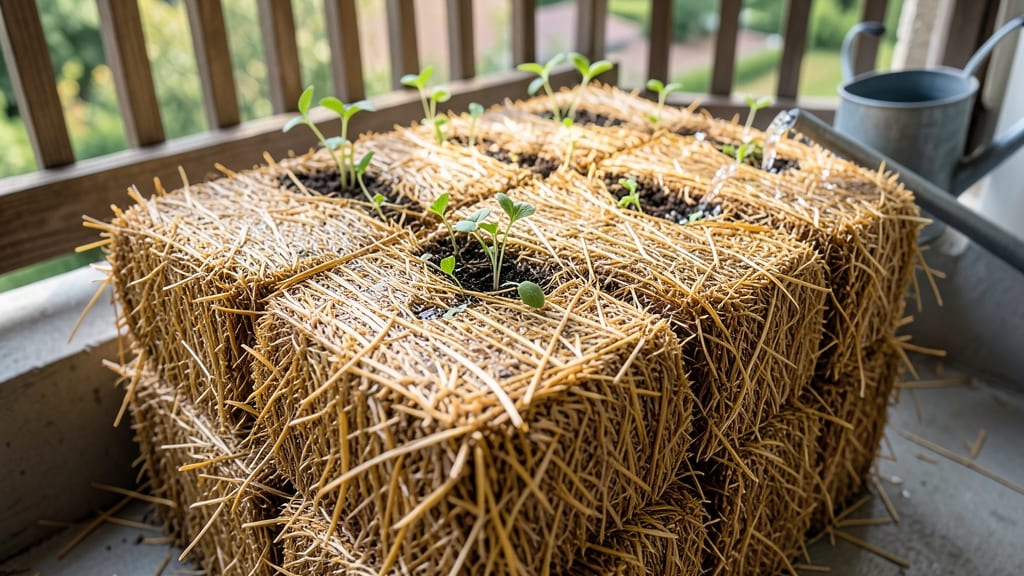
Small spaces shouldn’t limit your gardening dreams. These 10 raised vegetable garden bed ideas maximize yield while saving space—perfect for balconies, patios, and tight backyards—whether you’re growing herbs, greens, or full-size veggies.
Vertical Stacked Planter Boxes for Urban Gardens
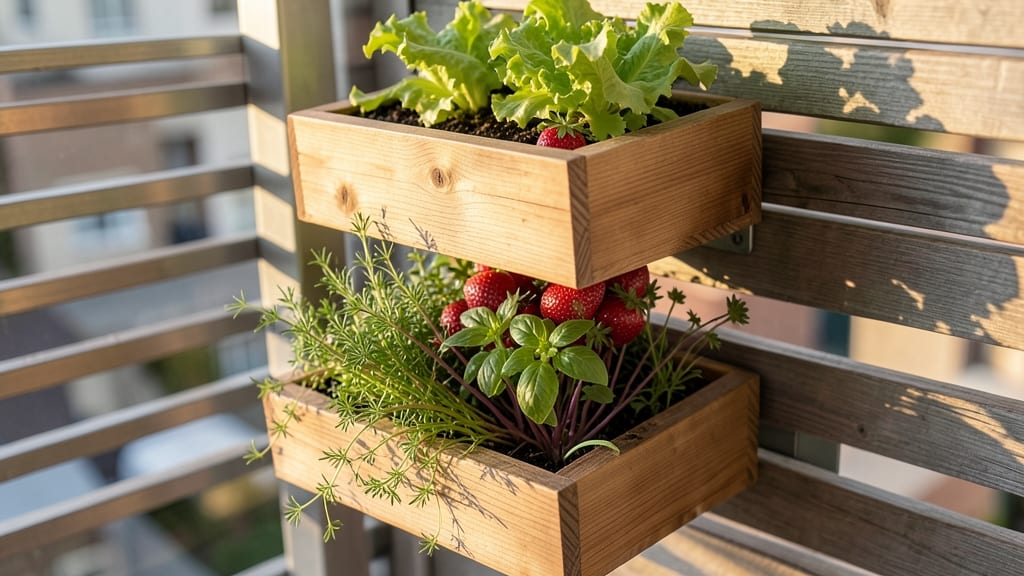
Turn your balcony or tiny yard into a high-yield garden with vertical stacked planter boxes—the ultimate space-saver for urban growers. These tiered systems let you grow lettuce, strawberries, and herbs in a single footprint, doubling your harvest without expanding your square footage.
Start with a sturdy base (like cedar or composite lumber) and stack two or three shallow boxes (8-12 inches deep) with drainage holes between layers. Place sun-loving strawberries on the top tier for maximum light, lettuce in the middle for moderate shade, and herbs like basil on the bottom where they’ll thrive with consistent moisture. Use lightweight potting mix to reduce weight, and add a drip irrigation system to keep watering effortless.
Perfect for renters or city dwellers, these planters require minimal maintenance and can be mounted on railings or walls. With just 6 hours of sun daily, you’ll enjoy a year-round bounty of fresh produce—no yard required! 🌱
Window Box Planters for Herbs and Greens
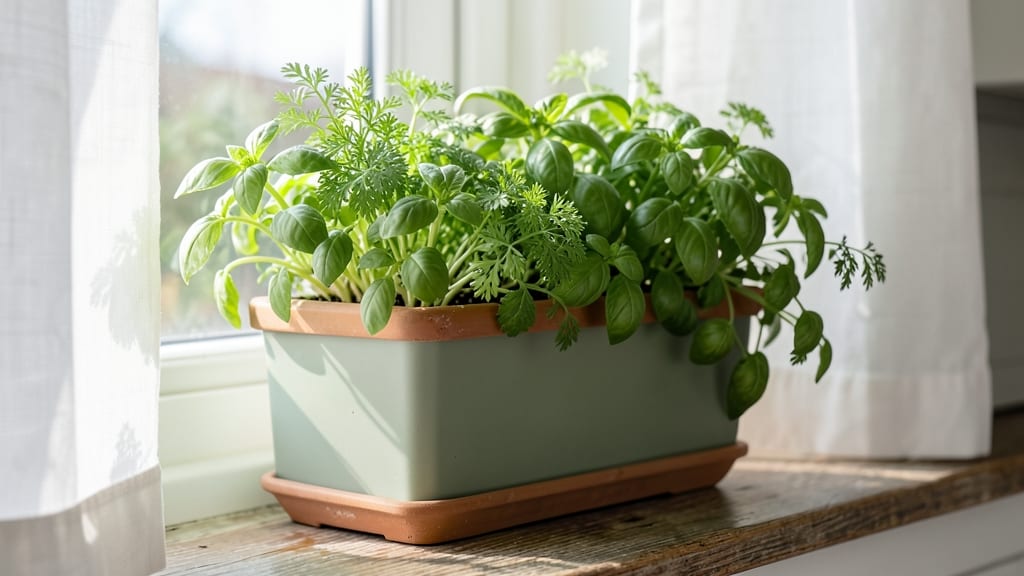
Transform your kitchen into a self-sufficient herb garden with window box planters—these shallow, decorative beds bring freshness to your meals while requiring minimal space. Perfect for south-facing windowsills or railings, they thrive with fast-growing herbs like basil and parsley, plus leafy greens such as spinach and kale.
Choose a box with 6-8 inches of depth to accommodate root growth, and opt for lightweight materials like cedar or resin to avoid straining window frames. Use well-draining potting mix and water consistently—herbs prefer moist but not soggy soil. Add a drip irrigation system or self-watering tray to keep plants happy while you're away.
These planters are ideal for urban gardeners, renters, or anyone with limited outdoor space who still crave homegrown flavors. Snip fresh basil for pesto or parsley for garnishes—your kitchen will thank you! 🌿
Spiral Herb Garden Raised Bed
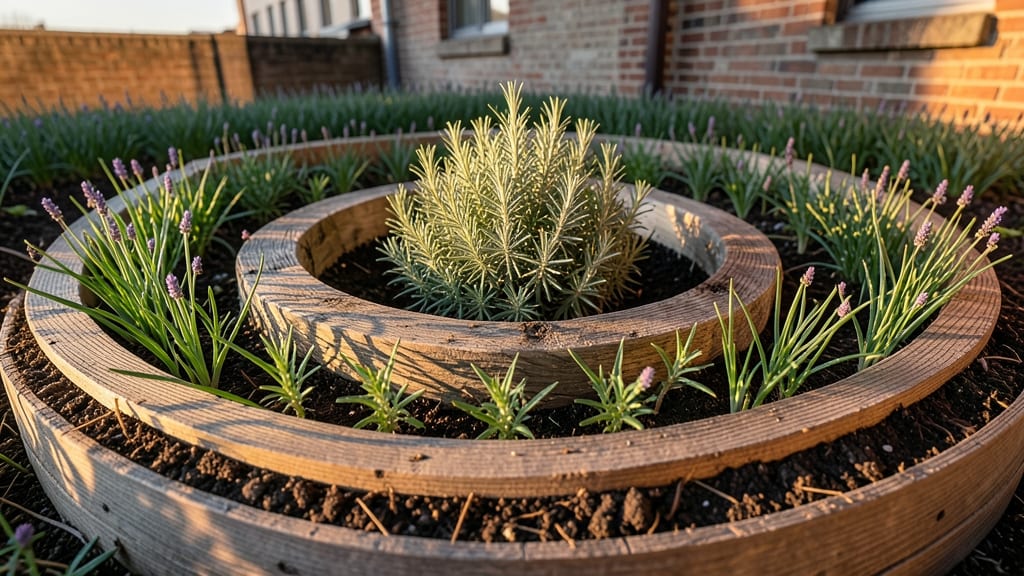
Turn your small urban plot into a herb haven with a spiral raised bed, where sunlight and shade play together like a well-choreographed dance. This clever design lets you grow sun-loving rosemary at the center while tucking shade-tolerant chives along the outer edges—perfect for spots with uneven light.
The spiral shape creates microclimates naturally, so each herb gets ideal conditions without extra work. Build it from cedar or composite lumber (resistant to rot) and arrange plants in concentric circles, starting with the most sun-hungry varieties in the middle. Add a layer of gravel at the bottom for drainage and fill with well-draining potting mix to keep roots happy. 💡
Urban gardeners with limited space will love how this design fits snugly in corners or against fences while giving you year-round access to fresh herbs. Plus, the curved edges make it a stunning focal point for your garden. 🌿
Modular Grid Planters for Flexible Layouts
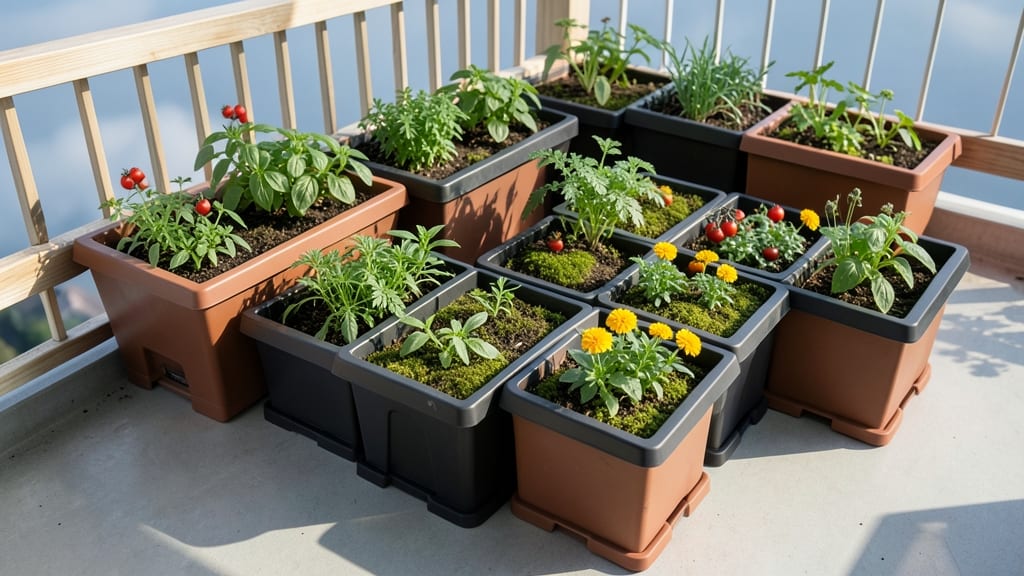
If you’ve ever moved into a new rental or wanted to rearrange your garden without the hassle, modular grid planters are your answer. These interlocking squares let you create custom shapes—rectangles, L-shapes, or even spirals—by simply snapping planters together like puzzle pieces. Perfect for growing tomatoes, peppers, or salad mixes, they adapt to any space while keeping plants organized.
Most systems use lightweight materials like plastic or cedar, making them easy to move and store when not in use. For example, a 12-inch square planter holds one pepper plant or a small tomato bush, while larger grids can accommodate entire salad mixes. The modular design also prevents soil erosion and makes weeding a breeze—just lift and rearrange as needed. Plus, the grid structure improves airflow, reducing fungal diseases in crowded plants.
Renters and DIYers will love this flexibility, as you can disassemble the entire setup when moving or adjust layouts seasonally. Whether you’re growing on a balcony or a backyard patio, these planters turn gardening into a portable, stress-free experience. 🌱
Hanging Pocket Planters for Trailing Veggies
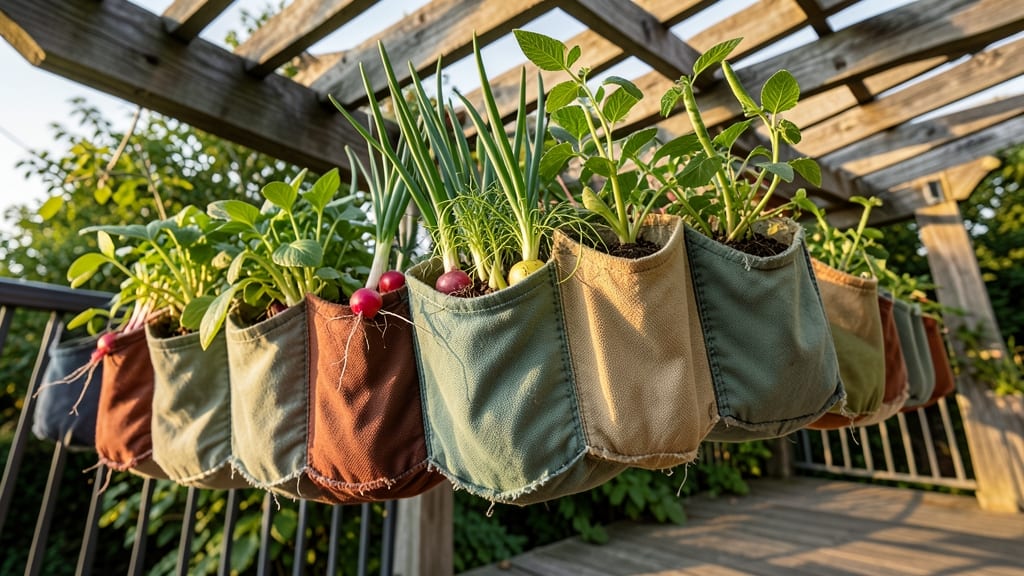
Turn your patio or deck into a thriving veggie patch without sacrificing floor space. Hanging pocket planters let you grow radishes, green onions, and bush beans vertically, using fabric pockets that hang from pergolas, railings, or hooks—perfect for renters or small spaces.
These planters feature built-in drainage holes at the bottom of each pocket, preventing root rot while keeping soil moist. Plant fast-growing radishes in the sunniest pockets and shade-tolerant green onions in slightly cooler spots. The modular design lets you mix crops or swap out plants seasonally, and the lightweight fabric won’t weigh down your structure. 🌱
Corner Pocket Raised Bed with Trellis
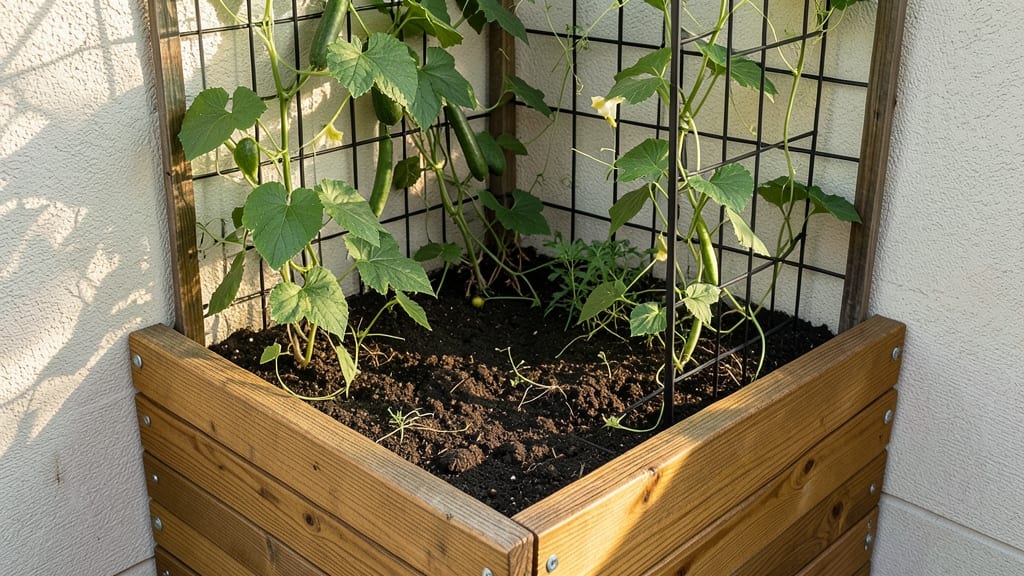
Turn that awkward corner of your yard into a powerhouse of productivity with a corner pocket raised bed with trellis. This space-saving design tucks neatly into tight spots while maximizing vertical growth—perfect for urban gardeners or anyone with limited square footage.
Plant deep-rooted crops like carrots and beets in the lower pocket, where they’ll have the space to grow long and straight. Then, train cucumbers or peas up the built-in trellis, turning wasted corner space into a two-in-one growing system. The fabric or wood construction resists rot and allows for easy customization—just adjust the depth based on what you’re growing.
This design is ideal for beginners or small-space gardeners who want year-round productivity without sacrificing aesthetics. Plus, the trellis adds vertical interest while keeping vining plants off the ground. 🌱
Pallet Wood Raised Bed for Budget Growers
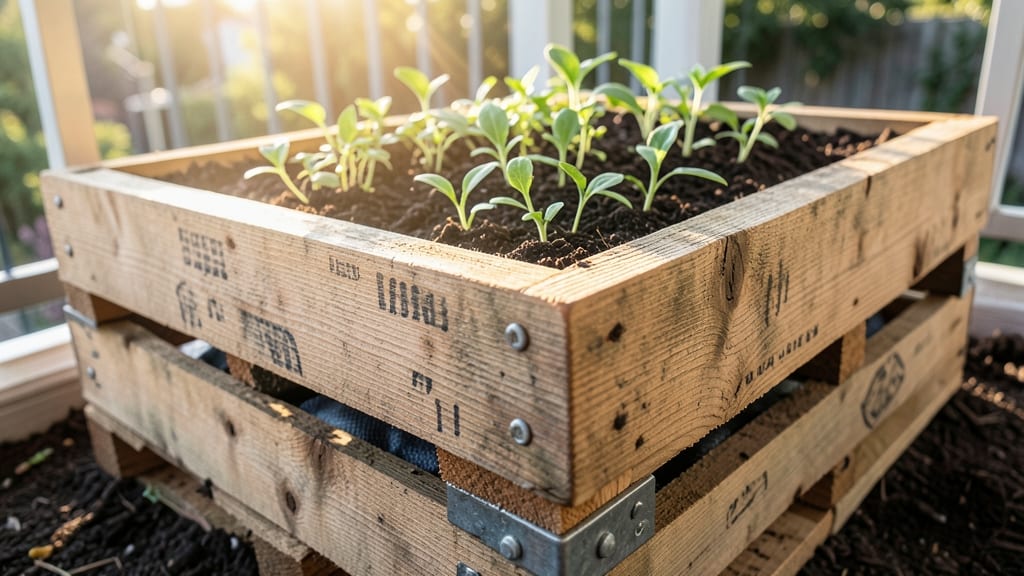
Skip the expensive lumber store run—wooden pallets are your secret weapon for a free or low-cost raised bed that’s just as sturdy. These versatile crates, often discarded after shipping, transform into customizable garden beds with minimal effort and zero guilt about waste.
Start by sanding or staining the pallets to remove splinters and prevent chemical leaching (opt for HT-stamped pallets only, as they’re heat-treated and safe for plants). Stack two pallets to create a 12-18 inch deep bed—ideal for most vegetables—then line the bottom with landscape fabric to block weeds. Drill drainage holes along the sides to prevent waterlogging, and fill with a mix of topsoil and compost. The elevated height alone makes harvesting easier on your back while improving drainage for root health.
This DIY solution is perfect for beginners or budget-conscious gardeners who want a functional bed without the upfront cost. Plus, the rustic charm adds character to any garden! 🌱
Keyhole Garden Bed for Drought-Resistant Plants
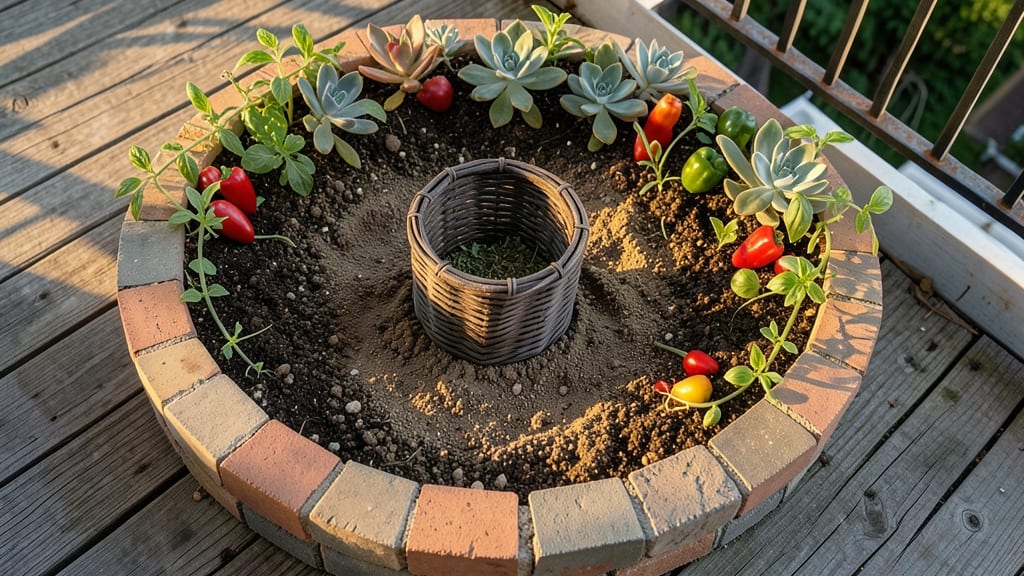
If you live in a dry climate or want to slash water usage without sacrificing harvests, the keyhole garden bed is your game-changer. This circular design features a central compost basket that acts as a moisture reservoir, keeping roots hydrated while reducing evaporation—ideal for succulents, peppers, and eggplants that thrive with minimal water.
Build yours with a 3-foot diameter base (or larger for bigger plants) and fill the compost basket with kitchen scraps, leaves, or straw. The compost breaks down slowly, feeding plants while retaining moisture—perfect for arid regions where traditional beds dry out quickly. Plant drought-resistant crops like chili peppers or rosemary around the edges for a low-maintenance, high-reward garden.
This design is a lifesaver for water-conscious gardeners or those with poor soil, offering year-round growing potential with almost no irrigation. 🌻
Mini Greenhouse Raised Bed for Cold Climates
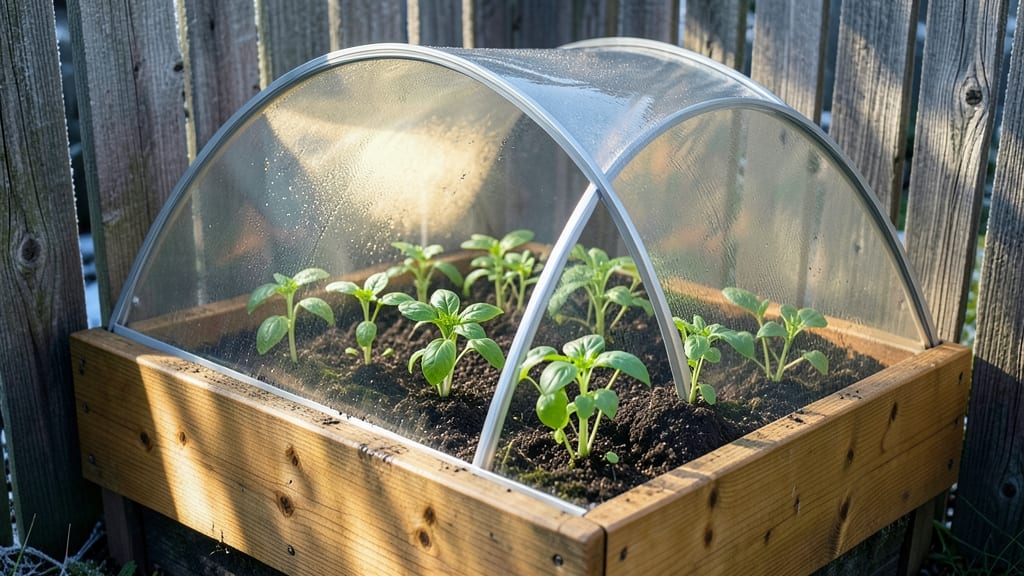
If you live in a frost-prone zone and want to beat the last frost date, a mini greenhouse raised bed is your secret weapon. This clever design combines the benefits of a raised bed with a low-profile greenhouse dome, creating a cozy microclimate that keeps roots warm and seedlings thriving—even when outdoor temperatures dip below freezing.
Built with a clear plastic dome or arched roof, these beds trap sunlight and radiant heat during the day and release it slowly at night, raising soil temperatures by 5-10°F. Plant cold-hardy greens like spinach or lettuce 3-4 weeks earlier than your usual outdoor schedule, or use it to nurture seedlings until they’re ready for transplanting. For best results, place the bed on a south-facing surface to maximize sunlight exposure and add a layer of straw mulch to insulate the soil further.
This solution is perfect for urban gardeners in Zone 4 or colder, small-space growers, or anyone who wants to extend their growing season without investing in a full greenhouse. It’s also beginner-friendly, requiring minimal maintenance beyond regular watering and occasional ventilation on warm days. 💡
Elevated Straw Bale Garden for No-Dig Planting

Skip the soil prep and heavy lifting—straw bale gardens transform bales into instant, lightweight planting beds that require zero digging. This no-dig method is ideal for renters, urban balconies, or areas with compacted or poor soil, offering a ready-made growing space within days.
Simply soak the bale for 2-3 days to kickstart decomposition, then top with 2-3 inches of compost and plant directly into the bale’s center. Herbs like dill and chives, flowers such as nasturtiums, and shallow-rooted veggies like radishes thrive here, with roots growing into the bale’s nutrient-rich core. Stack bales vertically or horizontally to maximize space, and enjoy a low-maintenance, portable garden that moves with you.
Perfect for beginners or anyone craving a quick, hassle-free harvest, straw bale gardens prove you don’t need soil—or a yard—to grow fresh produce. 🌱