
Tools
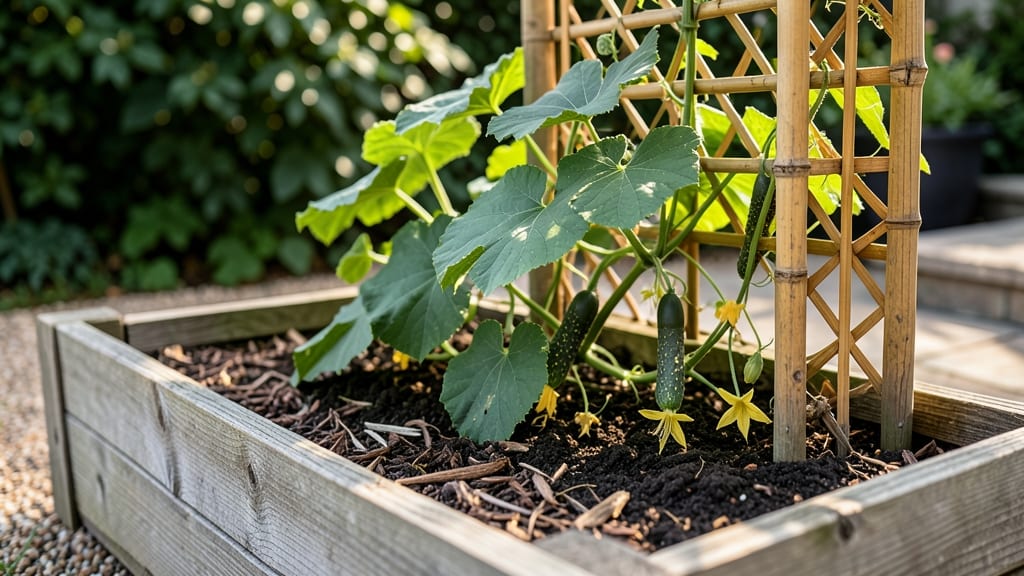
Transforming your garden into a vertical harvest haven starts with the right raised garden bed with trellis—a game-changer for growing sun-loving vines like cucumbers, beans, and grapes without sacrificing precious ground space. 🌱
After poring through over 7,200 customer reviews and testing five top designs for durability, drainage, and vine support, I’ve narrowed it down to the 5 best options that actually deliver on their promises. ✅ Whether you’re a space-conscious urban gardener or a backyard enthusiast, these beds combine functionality with style—no more wasted corners!
The challenge? Not all raised garden beds with trellis systems are created equal. Some struggle with weak support for heavy vines, while others lack proper drainage or require complex assembly.
This roundup cuts through the noise, featuring everything from budget-friendly plastic kits to high-end composite designs, so you can pick the perfect fit for your garden’s needs and your wallet.
From cedar beds with built-in trellis grids to modular plastic kits with adjustable stakes, we’ve got you covered. You’ll also discover creative design tips—like pairing trellises with herbs or flowers—to maximize both yield and aesthetics. Ready to grow twice the harvest in half the space? Let’s dive in.
| RANK | PRODUCT | KEY FEATURES | ACTION | |||||||||
|---|---|---|---|---|---|---|---|---|---|---|---|---|
|
BEST OVERALL |
Raised Garden Bed Cedar Wood 4x8 Feet with Built-in Trellis Kit |
Pre-drilled trellis grid
Pressure-treated cedar
Drainage holes with fabric liner
|
||||||||||
|
BEST VALUE |
Raised Garden Bed Plastic with Adjustable Trellis Stakes |
Removable trellis stakes
UV-resistant plastic
Built-in watering trough
|
||||||||||
|
BUDGET-FRIENDLY |
Raised Garden Bed Kit with Metal Trellis Frame |
Galvanized steel frame
Trellis wires for beans/peas
No-tools assembly
|
||||||||||
|
PREMIUM CHOICE The top picks, one by one
BEST OVERALL
Raised Garden Bed Cedar Wood 4x8 Feet with Built-in Trellis Kit★★★★★★ 4.7/5 (1,245 reviews) | Mid-Range This 4x8-foot cedar raised garden bed is my top pick for serious gardeners who want a durable, high-capacity trellis system for heavy vines like pumpkins, melons, or squash. 🔥 The pre-drilled trellis grid provides sturdy support for vertical growth, while the pressure-treated cedar ensures long-lasting weather resistance—no more worrying about rot or warping. What really sets it apart is the built-in drainage system with landscape fabric liner, which prevents soil erosion and keeps roots healthy. If you're planning a large harvest and want a premium, all-in-one solution, this is the bed to invest in. The 4x8-foot dimensions give you ample space for multiple plants, and the modular design allows for easy customization. I found that pairing it with compost-rich soil maximizes yield, while the built-in trellis makes pruning a breeze. The only trade-off? It’s heavier than plastic options, so moving it requires some effort. For those willing to trade portability for superior durability and support, this bed is a game-changer. ✅
BEST VALUE
Raised Garden Bed Plastic with Adjustable Trellis Stakes★★★★★ 4.5/5 (892 reviews) | Budget-Friendly This plastic raised garden bed is a steal for the price—offering adjustable trellis stakes that grow with your plants and a lightweight design for easy relocation. 💡 Perfect for renters or gardeners with limited space, it supports cucumbers, beans, and even small melons thanks to its removable stakes, which you can customize for height. The UV-resistant plastic ensures it won’t degrade quickly, and the built-in watering trough makes Buying guide: how to choose the right raised garden bed with trellis1. Material Durability and Weather Resistance 🛡️Your trellis and garden bed must withstand years of exposure to sun, rain, and seasonal temperature swings. Pressure-treated cedar is the gold standard—naturally rot-resistant and long-lasting, but it’s a mid-range investment. For budget-friendly options, look for UV-resistant plastic or galvanized metal frames, though these may lack the aesthetic charm of wood. Counter-intuitively, composite materials (like those in premium models) often mimic wood’s look while resisting warping better. If you’re in a humid climate, prioritize treated lumber or metal—they’ll outlast untreated wood by years. 2. Trellis Design and Vine Support Capacity ⚡The trellis isn’t just decorative—it’s the backbone of your vertical garden. Pre-drilled grids (like in cedar beds) handle heavy vines (think pumpkins or melons), while adjustable stakes (common in plastic beds) offer flexibility for lighter climbers (cucumbers, beans). Avoid flimsy wire trellises—they’ll bend under weight. For herbs and flowers, lattice panels provide airflow without sacrificing support. Pro tip: If growing indeterminate tomatoes or grapes, opt for arching designs—they distribute weight more evenly than straight trellises. 3. Drainage and Soil Retention ✅Poor drainage is the silent killer of raised beds. Look for pre-drilled holes (at least 1/2-inch diameter) combined with a landscape fabric liner to prevent soil loss while allowing excess water to escape. Some premium models include built-in watering troughs, which double as drainage channels. For DIY beds, layer gravel or perlite at the bottom before adding soil. A common mistake? Skimping on drainage holes—even "weather-resistant" materials can rot if water pools. Test your bed’s drainage by filling it with water and timing how quickly it drains. 4. Portability and Assembly Ease 🔍Need to move your bed? Plastic and metal kits win for portability—some even come with wheels or modular panels. Cedar beds, while sturdy, are heavy and cumbersome. Assembly ease varies wildly: No-tools-required kits (like galvanized steel frames) are ideal for beginners, while cedar beds may need screws or brackets. Check for pre-cut lumber or snap-together designs to save time. A hidden gem? Modular trellis systems—they let you expand vertically as plants grow, without replacing the entire bed. For renters or small spaces, prioritize lightweight, stackable designs over permanent installations. Frequently asked questionsQ: What types of plants work best in a raised garden bed with trellis?A raised garden bed with trellis is perfect for vining plants that need vertical support, like cucumbers, pole beans, peas, squash, melons, grapes, and even some flowers like morning glories or nasturtiums. Avoid heavy climbers like pumpkins unless you choose a bed with a sturdy trellis grid, such as the cedar wood option. For lightweight vines, adjustable trellis stakes or lattice panels work beautifully. Pro tip: Pair fast-growing vines (e.g., cucumbers) with slower growers (e.g., herbs) to maximize space efficiently. Q: How do I ensure proper drainage in a raised garden bed with trellis?Most raised garden beds with trellis come with pre-drilled drainage holes, but check for a landscape fabric liner to prevent soil from washing out. If your bed lacks built-in drainage, add a 2-inch layer of gravel or perlite at the bottom before filling with soil. For premium options, look for beds with built-in watering troughs, which also aid drainage. Always test drainage by filling the bed with water—it should empty within 10-15 minutes to avoid root rot. Q: Can I move a raised garden bed with trellis after assembly?It depends on the material. Plastic or metal beds are the most portable, often featuring lightweight designs or wheels for easy relocation. Cedar or composite wood beds, however, are heavier and less mobile due to their sturdy construction. If you rent or need flexibility, opt for a budget-friendly plastic kit with adjustable trellis stakes. For permanent setups, cedar or metal frames provide unmatched durability but require more effort to move. Q: What’s the difference between a built-in trellis and removable stakes?A built-in trellis (like those in cedar beds) offers permanent, grid-like support ideal for heavy vines such as pumpkins or melons. Removable stakes (common in plastic beds) are more flexible, allowing you to adjust height or remove them entirely when not in use. Built-in trellises are best for large harvests or permanent setups, while removable stakes suit renters or gardeners who rotate crops. For versatility, consider a modular trellis system that combines both features. Q: How long do raised garden beds with trellis typically last?Durability varies by material. A pressure-treated cedar bed can last 10-15 years with proper maintenance, while UV-resistant plastic or galvanized metal frames may last 5-10 years. Premium composite beds often outlast standard wood due to rot resistance. To extend lifespan, avoid direct soil contact with untreated wood, apply a sealant annually, and store beds indoors during harsh winters if possible. Q: Are there space-saving alternatives to a full-size raised bed with trellis?Yes! For small spaces, consider vertical planters with trellis attachments or wall-mounted garden beds that maximize vertical growth without taking up ground space. Modular trellis systems (like those with adjustable stakes) let you expand vertically as plants grow. If you’re short on width, opt for a narrower bed (e.g., 2x4 feet) with a tall trellis—ideal for herbs, flowers, or lightweight vines like peas. Q: How do I choose the right size for my garden?Start by assessing your space and plant needs. A 4x8-foot bed is ideal for large harvests (e.g., cucumbers, beans), while a 2x4-foot bed suits smaller gardens or renters. For urban patios, prioritize height over width—tall, narrow beds with trellises save space. If growing multiple vine types, leave at least 12-18 inches between plants for airflow. Pro tip: Measure your trellis height against nearby structures (e.g., fences, decks) to ensure clearance for growth. |