
Tools
Too much sun scorching your heat-sensitive plants? These 10 shade solutions for raised garden beds protect delicate greens, herbs, and flowers while maintaining airflow and soil health—without sacrificing productivity.
Drip Irrigation with Shade Cloth
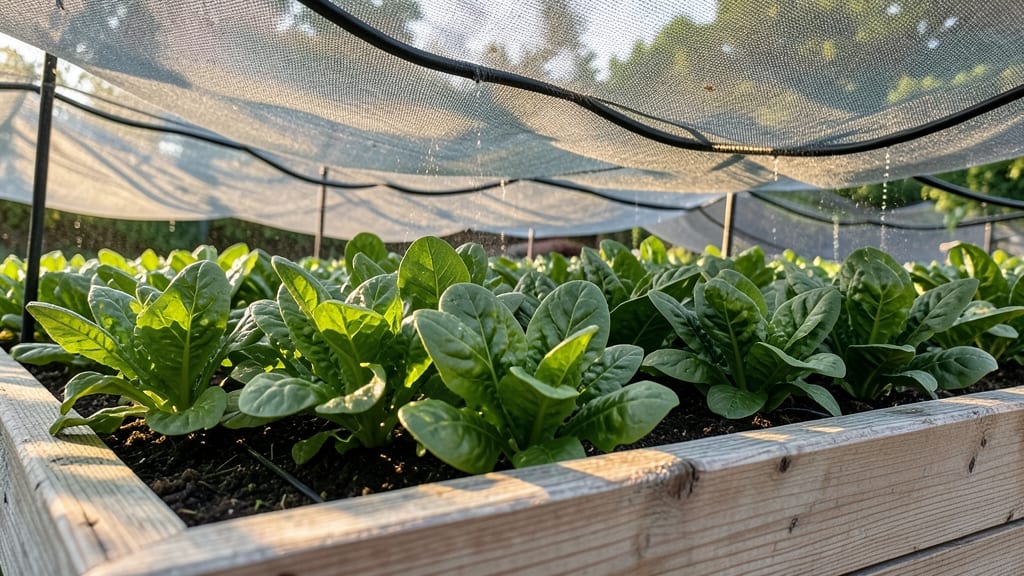
Struggling to keep your lettuce and spinach crisp in scorching summer heat? Pairing drip irrigation with 30-50% shade cloth creates a cooling microclimate that prevents wilting while maintaining airflow—no greenhouse needed.
Install drip lines above the shade cloth to create a misting effect as water drips onto the fabric, evaporating and lowering air temperature by 5-10°F. This dual system works best with lightweight, breathable shade cloth (like Agribon 30) that filters 50% of sunlight while allowing rain to pass through. For maximum efficiency, space emitters 12-18 inches apart and run irrigation during peak afternoon heat.
This setup is perfect for urban gardeners with limited space or hot-climate beginners who want foolproof heat protection. 💚
DIY Hoop House Frame
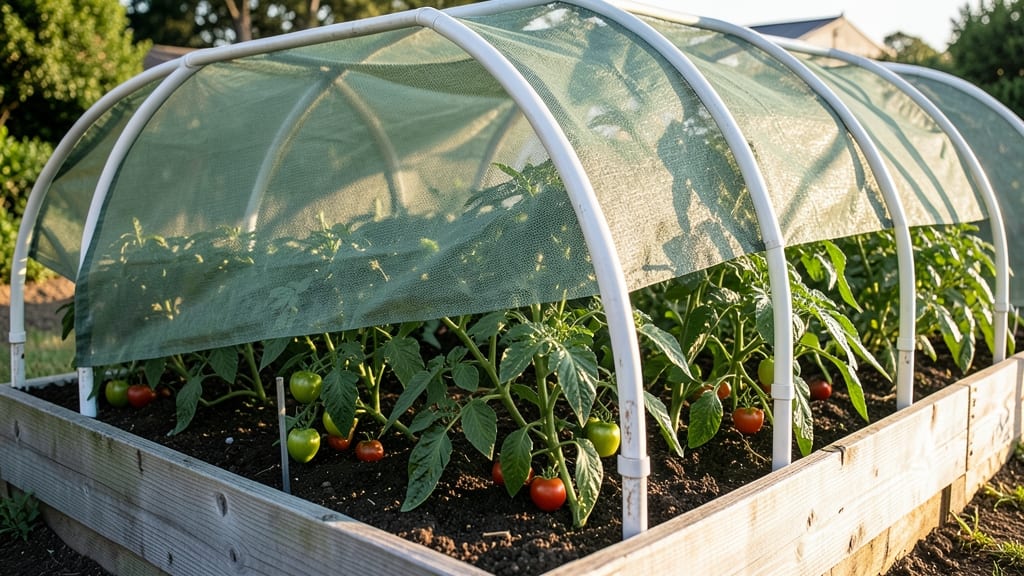
Want to grow tomatoes and peppers longer into fall without breaking the bank? A DIY hoop house frame creates a mini greenhouse effect using simple materials like PVC pipes and shade fabric—no welding skills required.
Start with 4-6 foot tall PVC hoops spaced every 3 feet along your raised bed’s length. Secure them with stakes or zip ties, then drape 30-50% shade cloth or clear plastic over the frame. The arched shape traps cool air at plant level, protecting crops from late-season frost while allowing sunlight to filter through. For extra durability, add a removable fabric cover that rolls up during sunny days.
This solution is perfect for urban gardeners with limited space or beginners who want to extend their growing season without complex setups. 🌱
Living Shade with Fast-Growing Vines
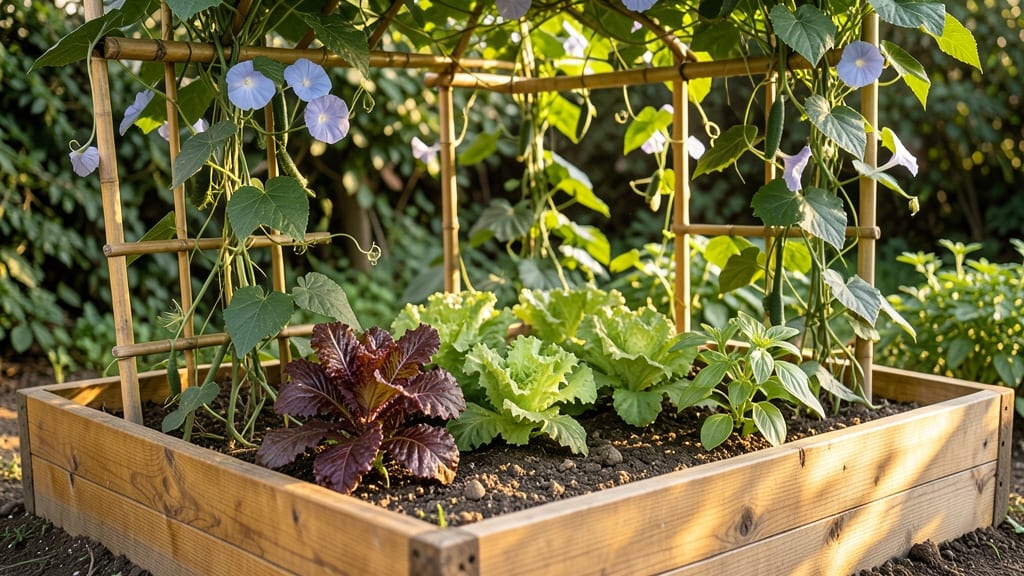
Turn your raised garden bed into a self-sustaining shade haven by growing fast-growing vines like morning glories or cucumbers on trellises. These sun-loving climbers create natural shade for heat-sensitive crops below while producing edible harvests—no extra materials needed beyond a simple trellis system.
Plant morning glories or cucumbers along the edges of your bed, training them upward with bamboo stakes or wire trellises. The vines will quickly spread, casting dappled shade over lettuce, spinach, or strawberries growing beneath. For best results, choose varieties that mature quickly (like Black Knight cucumbers) to provide shade within weeks.
This dual-purpose approach is perfect for urban gardeners with limited space or beginners who want low-maintenance shade solutions. Plus, you'll enjoy fresh cucumbers or edible flowers while protecting your other plants from scorching. 🌻
Adjustable Row Cover System
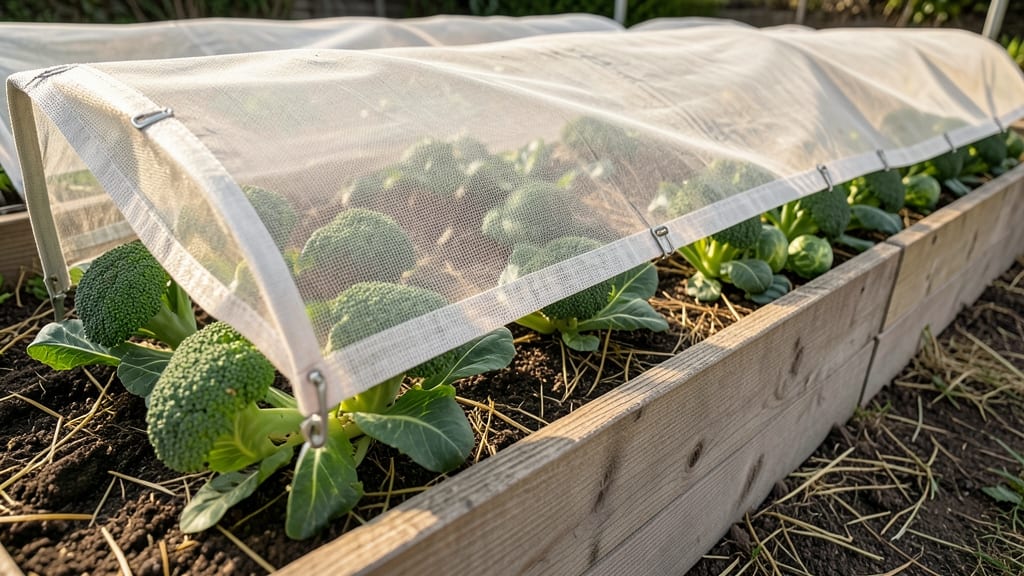
Tired of guessing whether your broccoli and Brussels sprouts need more shade or sun? An adjustable row cover system lets you fine-tune protection by season—no permanent installations required. Simply clip lightweight fabric over your raised bed and loosen or tighten the straps to control shade levels from 30% to 70% coverage.
These covers block harsh winds while filtering sunlight to prevent bolting in cool-season crops. For variable climates, use them in spring/fall for extra warmth and remove them during summer's peak heat. The removable design also makes cleanup easy—just shake off debris and store until needed again. Perfect for gardeners who want flexibility without the hassle of permanent structures.
This system is ideal for small-space gardeners or those with unpredictable weather, giving you precise control over plant conditions without sacrificing airflow or soil health. 🌱
Reflective Mulch for Radiant Cooling
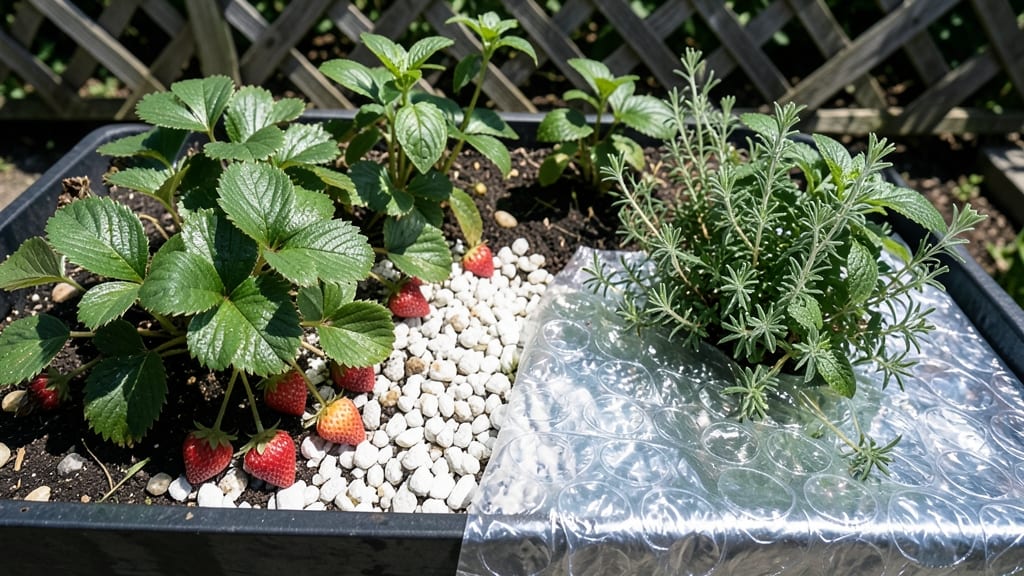
Tired of watching your strawberries and herbs wilt under intense midday sun? Reflective mulch acts like a built-in sunblock, bouncing sunlight away from roots while keeping weeds at bay—no extra watering or fabric required.
Spread a 2-3 inch layer of white gravel or silver bubble wrap (cut to fit) around your plants. The reflective surface lowers soil temperatures by up to 15°F while suppressing weeds by blocking light. For containers, line the bottom with bubble wrap before adding soil for year-round cooling. This method works especially well for heat-sensitive herbs like basil and cilantro, plus strawberries that thrive in cooler roots.
Perfect for container gardeners or those with limited space, this zero-maintenance hack keeps your plants happy without sacrificing sunlight exposure. 💡
Vertical Shade Screens with Trellises
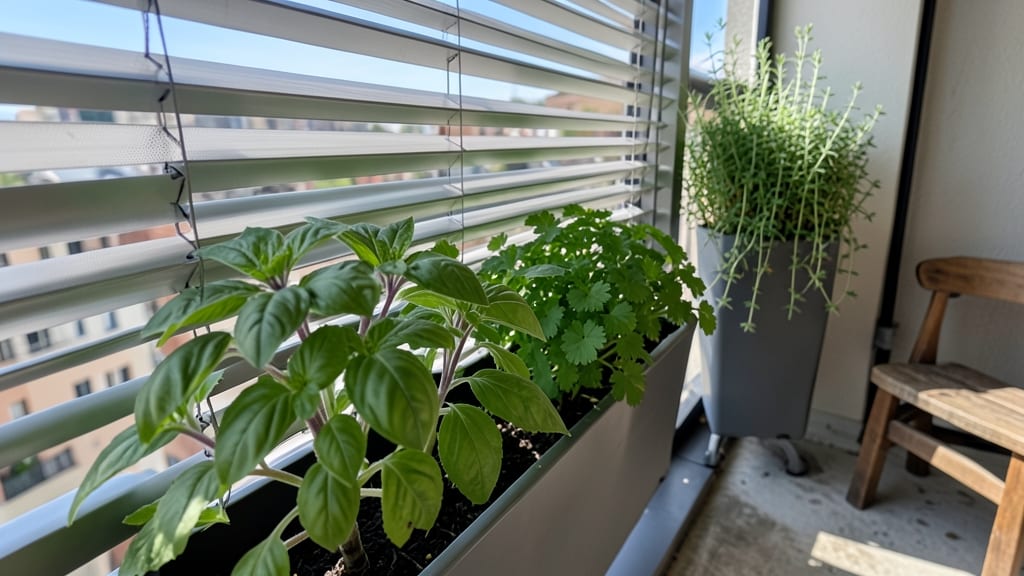
Struggling to protect your heat-sensitive herbs like basil and parsley on a small urban balcony? Vertical shade screens with adjustable louvers offer a sleek, space-saving solution that blocks harsh sun while maintaining airflow—no bulky shade cloths or permanent structures required.
Mount freestanding or wall-mounted screens (like those from companies such as SunBlaze) near your raised beds, adjusting the louvers to filter 30-70% of sunlight depending on the season. These systems often include built-in trellises for climbing herbs like thyme or oregano, maximizing your vertical growing space. For urban gardeners, opt for powder-coated aluminum frames that resist rust and blend with modern aesthetics.
This setup is ideal for balcony gardeners or those with limited square footage, providing customizable shade without sacrificing sunlight exposure. Plus, the adjustable design means you can tweak protection as the sun shifts throughout the day. 🌿
Self-Watering Shade Tents
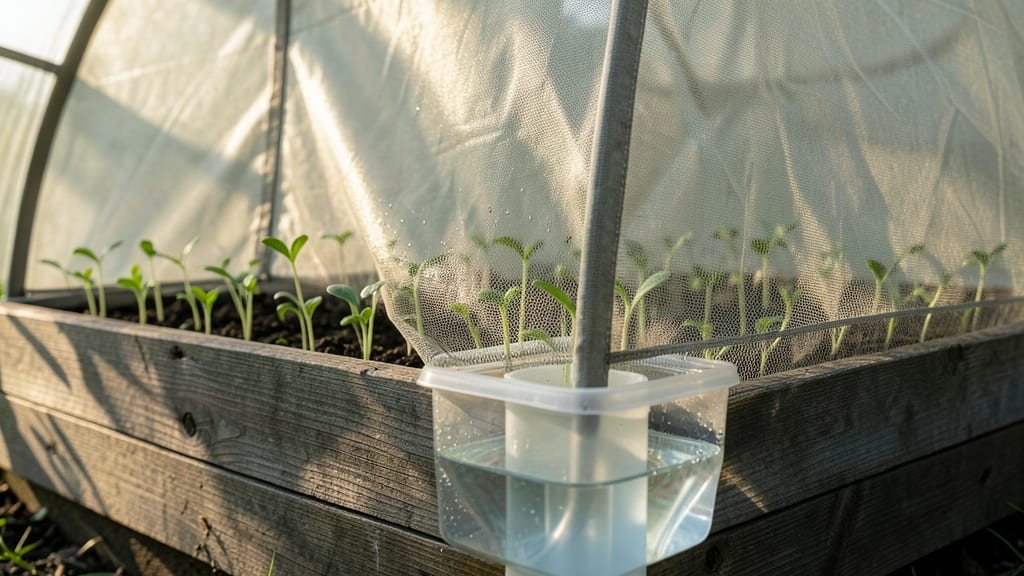
Struggling to keep your seedlings from drying out or overheating in greenhouse conditions? A self-watering shade tent combines shade protection with built-in hydration—no more guessing whether your plants need water or sun.
These portable fabric tents feature a water reservoir at the base that slowly releases moisture to the soil through wicking fabric. The shade canopy reduces temperature swings by up to 15°F while maintaining airflow, making them ideal for heat-sensitive seedlings like peppers, tomatoes, or herbs. Simply set up the tent over your raised bed, fill the reservoir, and let the system do the work—perfect for gardeners who travel frequently or want hands-off care.
This solution is a game-changer for greenhouse beginners or anyone with inconsistent watering schedules, ensuring your young plants stay hydrated and cool without extra effort. ✨
Underground Cooling Tubes
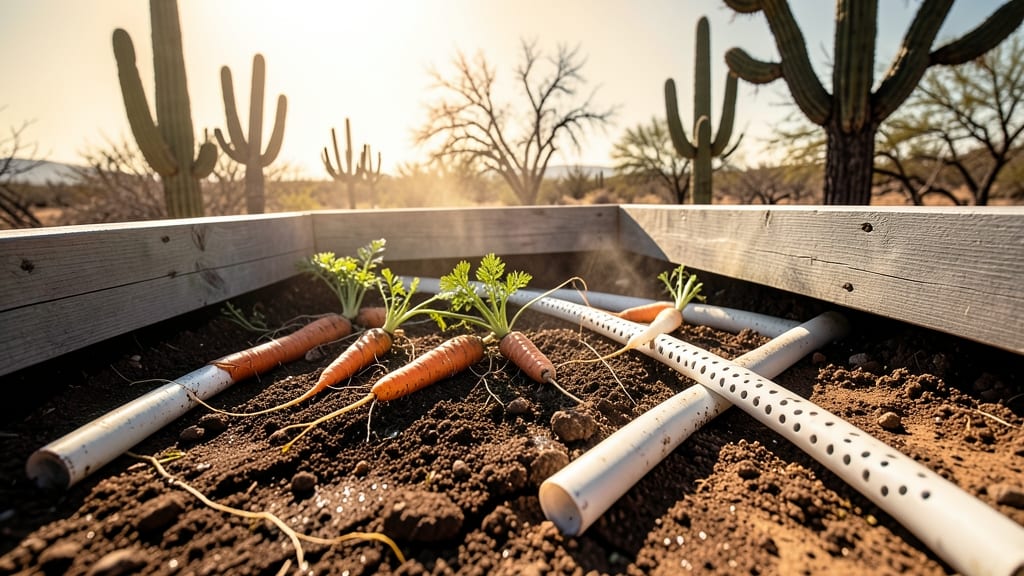
If you're growing carrots and radishes in a desert climate, you already know how quickly soil can turn into a scorching oven. Underground cooling tubes—simple perforated PVC pipes buried near roots—create a natural airflow system that keeps soil temperatures stable, even under blazing sun.
Install ½-inch diameter PVC pipes with ⅛-inch holes drilled every 6 inches along the length. Bury them 6-8 inches deep, parallel to your raised bed’s edges, and connect them to a small fan or outdoor vent. This setup pulls cool air underground, lowering soil temps by 10-15°F while preventing root stress. For best results, pair them with drip irrigation to maintain moisture levels in the cooler soil environment.
This passive cooling method is perfect for desert gardeners or anyone growing root crops in high-heat zones. It’s a low-cost, no-maintenance solution that works year-round without blocking sunlight. 🌱
Potted Shade Rotation System
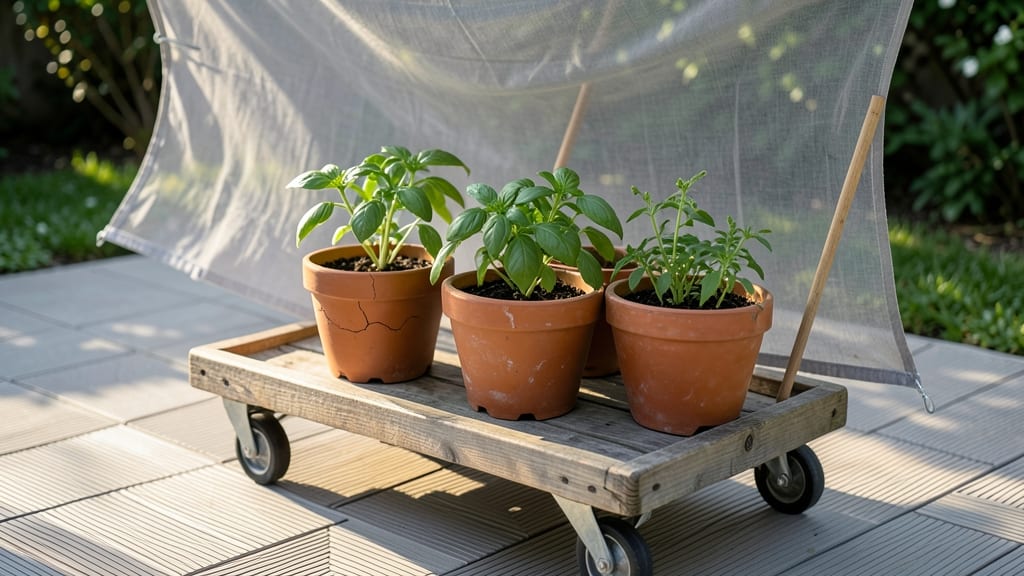
Tired of guessing whether your basil or pepper seedlings need more shade or sun? A potted shade rotation system lets you move delicate plants between sunny and shaded spots daily—no permanent structures or guesswork required. Simply place your lightweight containers on a rolling cart or deck, rotating them every few hours to mimic natural light conditions.
Start with small, breathable pots (6-8 inches wide) to prevent overheating while allowing easy movement. Use a timer to rotate plants every 2-3 hours during peak sun (10 AM–4 PM), giving them gradual exposure. This method works especially well for heat-sensitive herbs, seedlings, and young perennials that need controlled sunlight to thrive. For extra convenience, add wheels to your cart or use a dolly for larger setups.
Perfect for urban gardeners with balconies or small-space containers, this flexible system adapts to your plants' needs without permanent installations. 🌱
Aquaponic Shade Canopy

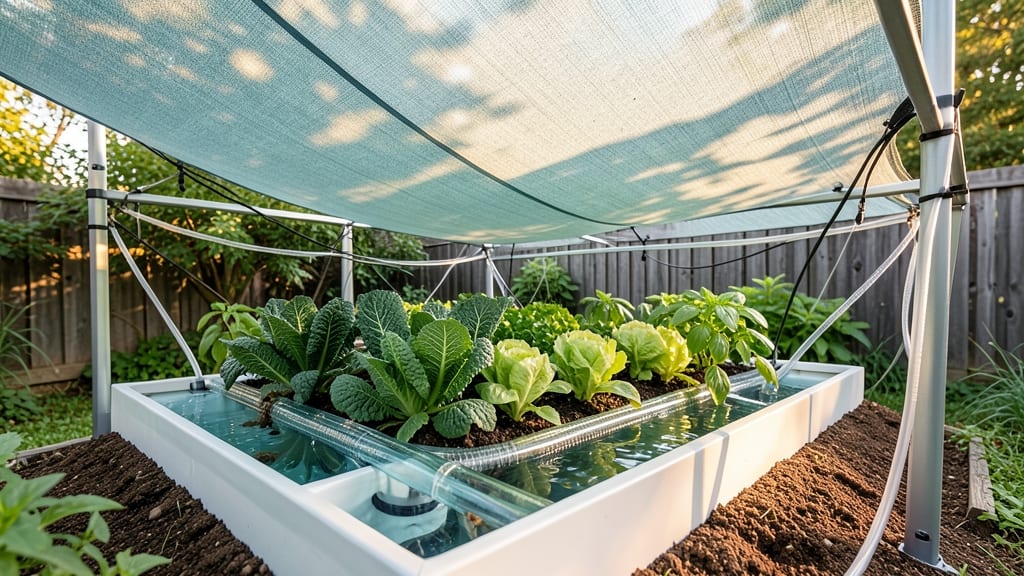
Ready to revolutionize your high-heat garden with a self-cooling, high-yield system? An aquaponic shade canopy merges the benefits of fish tank cooling with 70% shade fabric, creating an ideal microclimate for leafy greens like lettuce, kale, and herbs—without sacrificing productivity or water efficiency.
Start by setting up a small aquaponics system (like a grow bed connected to a fish tank) beneath a black shade netting stretched 2-3 feet above the plants. The fish tank’s circulating water naturally cools the air below, while the shade fabric blocks 70% of direct sunlight, reducing soil temperatures by 10-15°F. Add blue LED grow lights for supplemental lighting during cloudy days, and you’ll enjoy year-round harvests with minimal water use—just feed the fish, and the plants thrive.
This system is perfect for urban gardeners with limited space or advanced growers looking to maximize efficiency in scorching climates. The dual cooling effect means fewer wilting plants and more consistent yields. ✨