
Tools
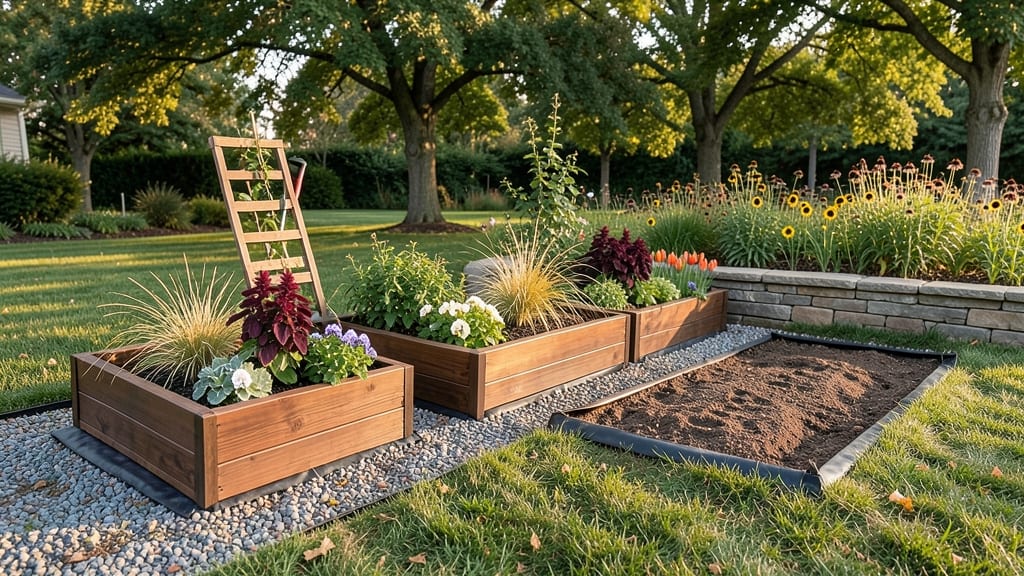
Transform your front yard into a lush, functional garden with these 10 raised bed designs. These layouts maximize curb appeal while optimizing plant growth—ideal for small spaces, urban homes, or traditional landscapes.
Modern Minimalist Wooden Raised Beds
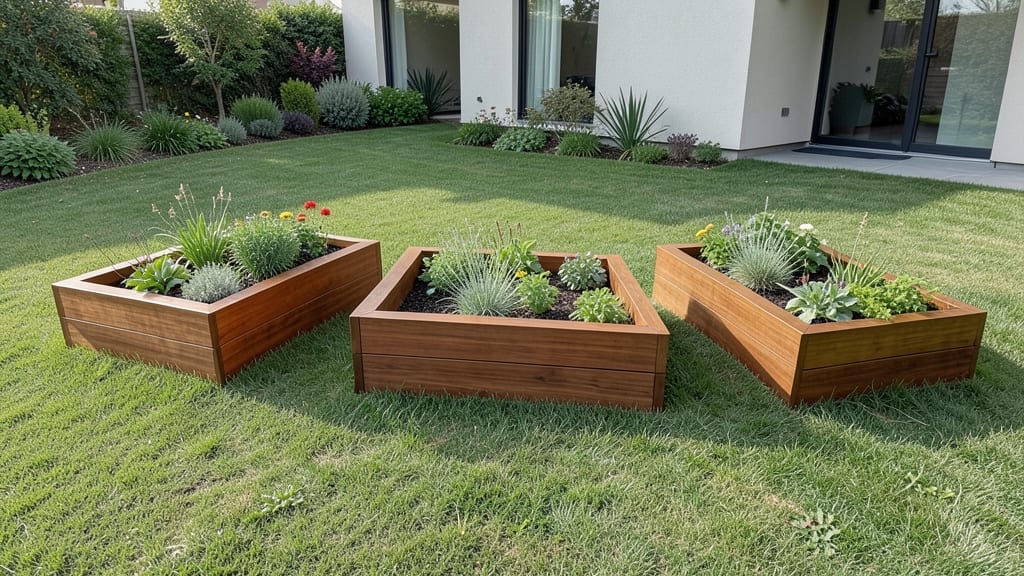
Skip the bulky, rustic look—modern minimalist raised beds bring clean, architectural appeal to your front yard while maximizing growing space. These sleek cedar beds feature straight lines, subtle geometric patterns, and a polished finish that blends seamlessly with contemporary homes.
Opt for pre-finished cedar planks (naturally rot-resistant) to avoid staining, and keep bed heights between 10-12 inches for easy access. Pair them with gravel pathways to define the space and reduce weeds, while low-maintenance plants like ornamental grasses, lavender, or thyme keep the look tidy. The key is symmetry—align beds in a grid or staggered formation for a cohesive, high-impact design.
This style is ideal for urban gardeners or homeowners with small front yards who want curb appeal without sacrificing functionality. The clean lines make maintenance effortless, and the elevated design protects plants from soil-borne pests. 🌿
Tiered Stone Raised Garden Edges
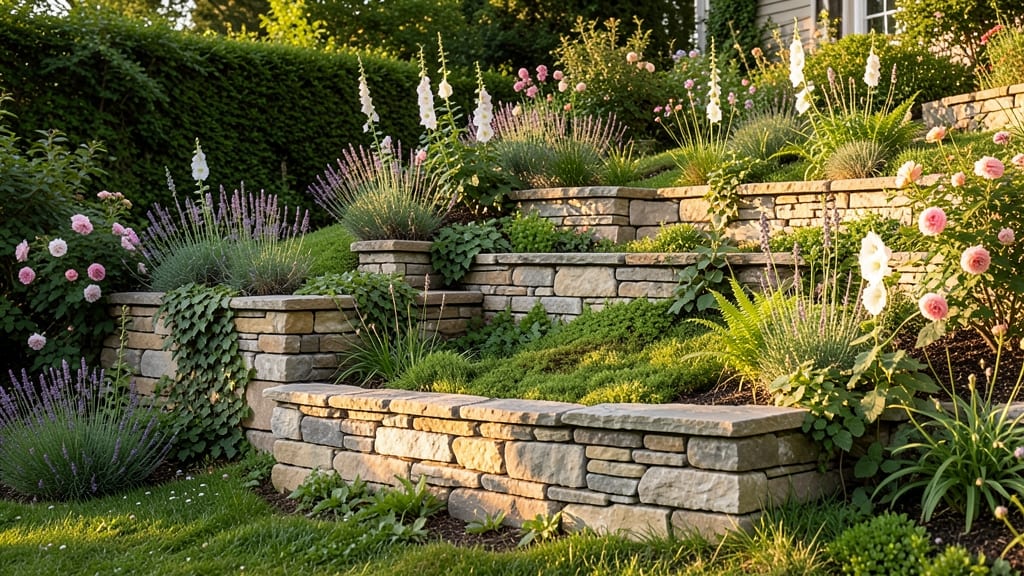
If your front yard has a gentle slope or you love the look of a traditional cottage garden, tiered stone raised edges are the perfect solution. These borders create visual interest while solving a common gardening problem—soil erosion—by containing plants and stabilizing the ground naturally.
Use stacked river stones, flagstone, or fieldstone to build layered edges that follow the natural grade of your yard. The stones should be placed tightly at the base of each tier to prevent soil from washing away during rain. For extra charm, plant drought-tolerant perennials like lavender or sedum along the edges—they’ll spill over beautifully while requiring minimal care.
This design is especially ideal for homeowners with sloped front yards or those who want to add timeless appeal without modern materials. The rustic look blends seamlessly with historic homes or natural landscapes. 🌿
Vertical Raised Garden Planters
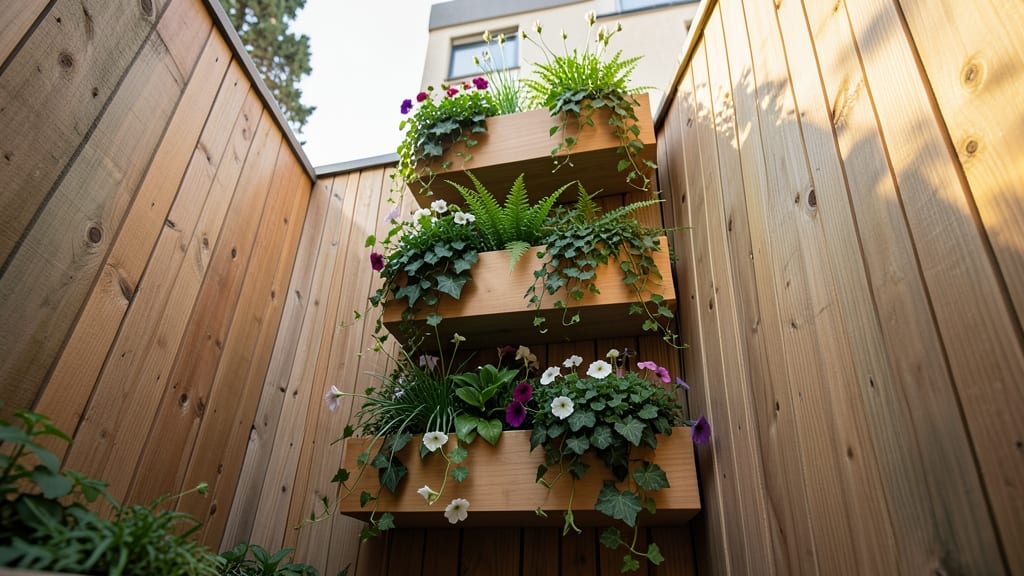
Turn your narrow front yard into a lush vertical oasis with wall-mounted planters that grow up instead of out. These space-saving designs transform blank walls or fences into vibrant green displays, perfect for urban homes where every inch counts.
Use lightweight materials like cedar or composite panels for durability, and choose trailing plants such as nasturtiums, strawberries, or creeping thyme to spill over the edges. Install brackets at least 12 inches apart for proper drainage and root space, and fill with well-draining soil mix to prevent waterlogging. For a polished look, add LED strip lighting along the base to highlight your plants after dark.
This solution is ideal for renters, small-space gardeners, or anyone wanting to add instant curb appeal without sacrificing functionality. 🌱
Curved Cedar Raised Garden Arches
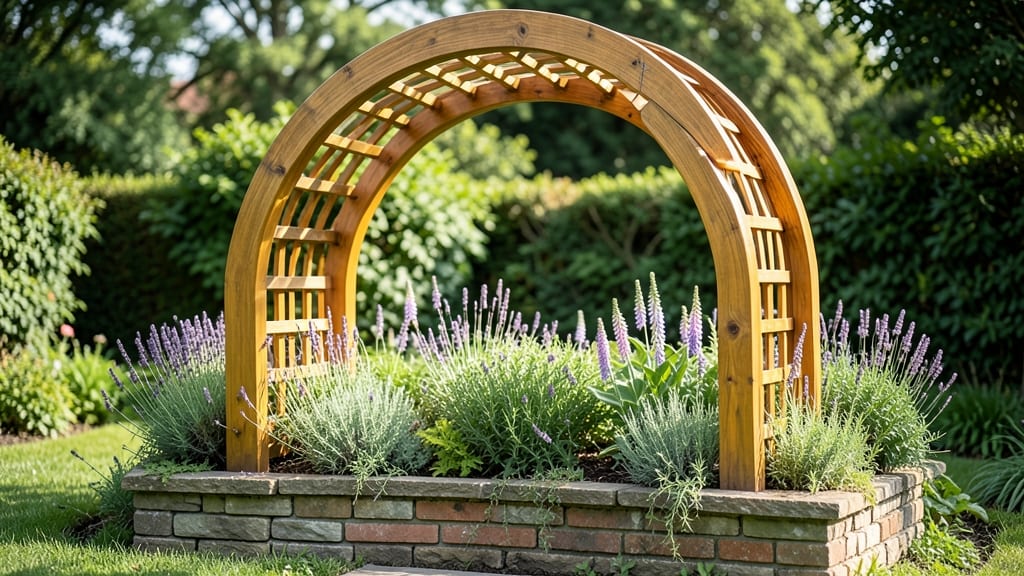
Step into a storybook with curved cedar raised garden arches that frame your front yard like a living doorway. These whimsical structures transform ordinary garden beds into a magical entrance, perfect for cottage-style homes or fairy-tale-inspired landscapes.
Construct arches using pre-cut cedar planks (naturally rot-resistant) bent into gentle curves and secured with hidden brackets. Fill the beds with climbing roses, clematis, or sweet peas to soften the lines and create a romantic canopy. For extra charm, add pastel-colored annuals like petunias or lobelia at the base to complement the arch’s organic shape. The key is maintaining a 12-inch depth for healthy root growth while keeping the width narrow (2-3 feet) to emphasize the arch’s elegance.
This design is ideal for homeowners who love storybook aesthetics or want to create a welcoming garden entrance. The curved lines draw the eye naturally, making it perfect for front yards where first impressions matter most. ✨
Mixed-Material Raised Garden Beds
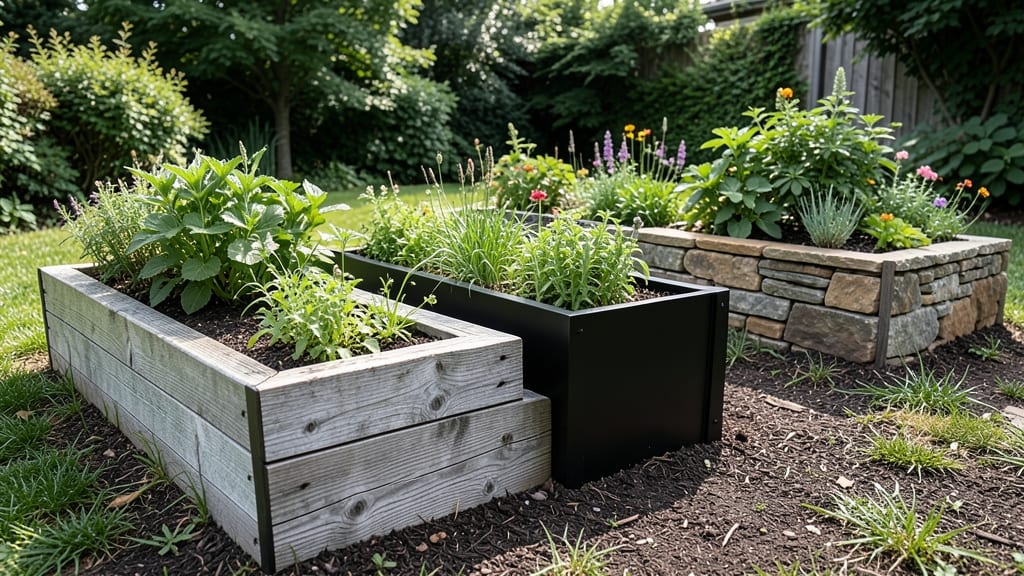
Want a front yard that reflects your unique style without looking like a matchy-match DIY project? Mixed-material raised beds blend reclaimed wood, black metal, and natural stone for an eclectic yet polished look that pairs perfectly with eclectic homes or mixed architectural styles.
Start with a wooden base (cedar or redwood) for durability, then add black powder-coated metal edging for sharp contrast and rust resistance. Top with fieldstone or cobblestones along the top edge to create texture and prevent soil spillage. For a cohesive vibe, stick to a neutral color palette—think warm wood tones, matte black metal, and earthy stone—while letting the plants add pops of color.
This approach is ideal for homeowners who love mixing styles or have urban lofts with industrial touches. The contrasting materials create visual depth while keeping maintenance simple—just ensure proper drainage at the base to prevent water pooling. 💚
Geometric Metal Raised Garden Frames
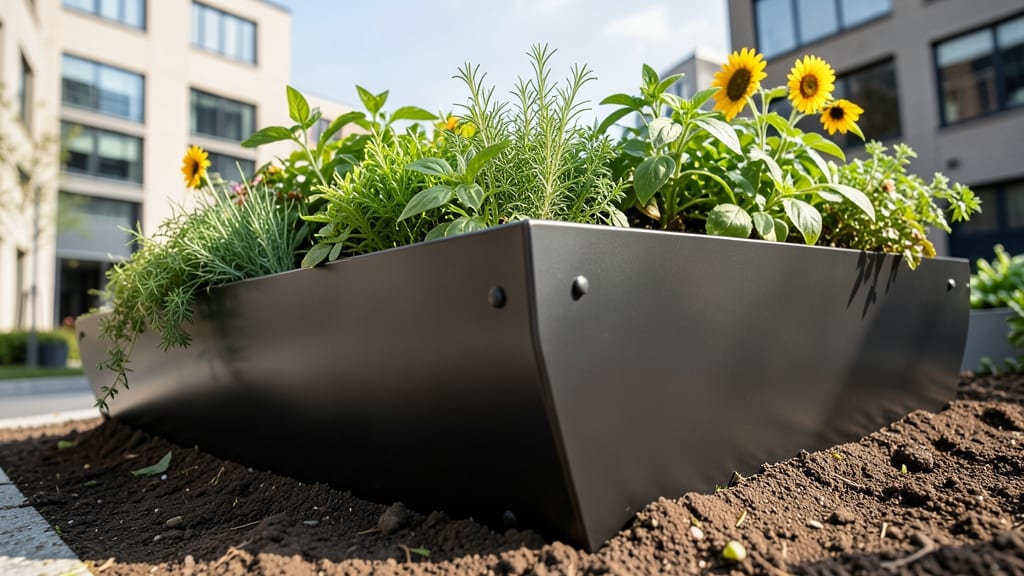
Make a statement with geometric metal raised garden frames that blend industrial chic with lush greenery. These sleek, sharp-edged beds transform urban front yards into striking focal points, perfect for contemporary homes or city landscapes where bold design meets functionality.
Choose powder-coated steel or galvanized iron frames in black, gray, or copper tones to resist rust and weathering. Arrange them in squares, rectangles, or asymmetrical patterns for visual impact, and pair with drought-tolerant plants like sedum, ornamental grasses, or succulents to minimize maintenance. For extra durability, add corner brackets and drainage holes to ensure longevity and healthy root growth.
This design is ideal for urban gardeners or homeowners who love modern aesthetics and want a low-maintenance, high-impact front yard. The clean lines and metallic sheen create a striking contrast with soft greenery, making it perfect for small spaces with big design ambitions. ✨
Sunken Raised Garden Beds with Stone
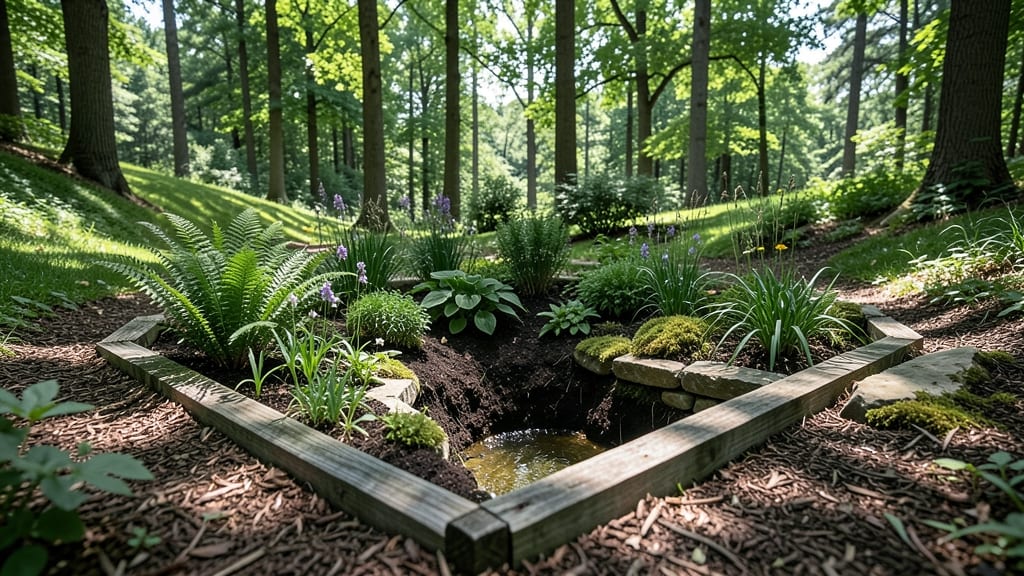
Create a serene woodland retreat in your front yard with sunken raised garden beds that blend seamlessly into the landscape. Unlike traditional raised beds, these sunken designs sit below ground level, creating a natural depression that reduces soil visibility and adds depth to your garden while requiring less material.
Line the edges with local fieldstone or river rock to enhance the organic look, and fill with moisture-retentive soil ideal for shade-loving plants like hostas, ferns, and astilbes. The sunken design also helps regulate soil temperature, keeping roots cooler in summer and warmer in winter—a boon for woodland perennials. For extra texture, surround the beds with mulch or ground cover like creeping thyme to soften the transition to the lawn.
This approach is perfect for homeowners with a natural or woodland-inspired aesthetic, as it mimics the layered look of a mature forest floor. The sunken design also makes maintenance easier by keeping soil contained while creating a lush, inviting focal point. 🌿
Raised Garden Bed Walkway Integration
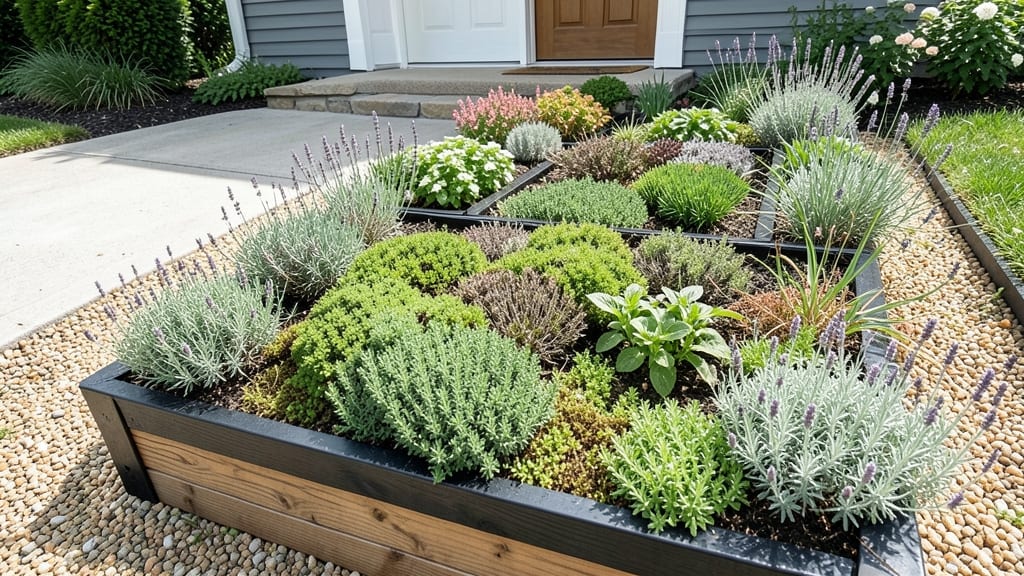
Turn your front yard’s walkway into a living carpet with raised garden beds integrated directly into the path. This clever design eliminates wasted space while creating an inviting, seamless transition from driveway to doorstep—perfect for narrow or compact layouts where every square inch matters.
Build beds with 12-inch-wide planting strips between gravel or pavers, using cedar or composite lumber for durability. Fill them with low-growing perennials like creeping thyme, ajuga, or ornamental grasses that thrive under foot traffic. For a polished look, add edging stones to define the beds while keeping the path clean and accessible. This approach also reduces maintenance by minimizing weeds between the planted strips.
Ideal for urban gardeners or homeowners with limited front yard space, this design transforms a utilitarian path into a lush, functional feature. The soft greenery invites guests to linger while adding year-round charm. 🌱
Themed Raised Garden Beds for Pollinators
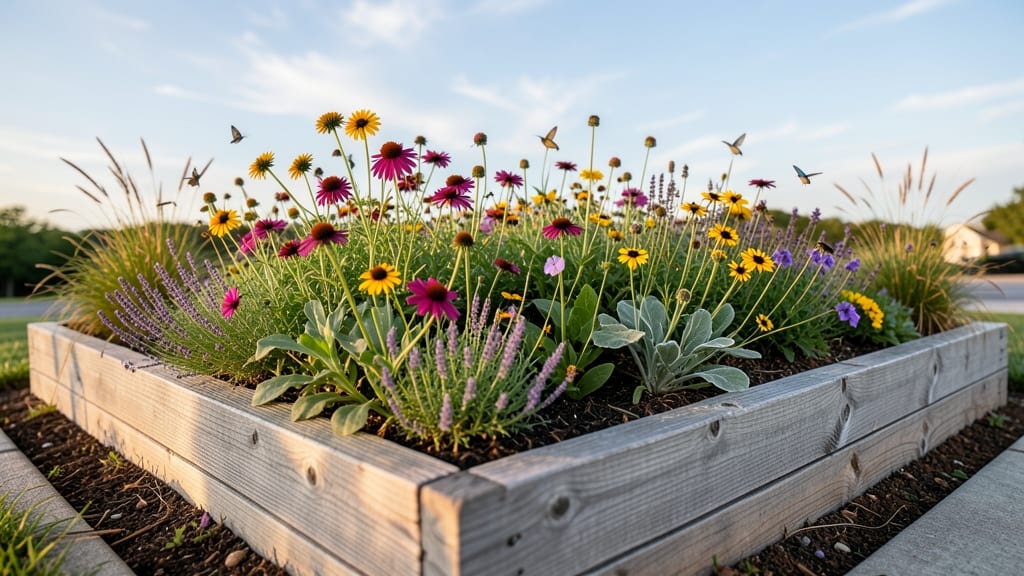
Turn your front yard into a buzzing hub for pollinators with a themed raised garden bed designed to attract bees, butterflies, and hummingbirds. Unlike decorative beds, this design prioritizes native wildflowers and host plants that provide food and shelter, creating a thriving ecosystem right outside your door.
Start with drought-tolerant perennials like purple coneflower, black-eyed Susan, and milkweed—these plants bloom at different times, ensuring a steady food source from spring to fall. Add herbaceous plants such as bee balm and goldenrod for extra color and fragrance, and include host plants like parsley or milkweed to support butterfly life cycles. Use well-draining soil and keep beds 12-18 inches deep to accommodate deep-rooted natives.
This design is perfect for eco-conscious gardeners or those who want to make a visible impact on local wildlife. The vibrant blooms also boost curb appeal while supporting biodiversity—win-win for your yard and the planet! 🌻
Seasonal Raised Garden Bed Rotations

Tired of static front yard gardens that look the same year-round? Seasonal raised bed rotations let you swap out plants with the seasons, keeping your front yard vibrant and productive without adding more beds. This smart system works by using identical-sized, interchangeable beds that you simply rotate and replant every few months.
Start by building three identical beds (or more, depending on your space) with the same dimensions and materials. In spring, plant cool-season crops like lettuce, spinach, or pansies. By late spring, swap them for summer vegetables like tomatoes, peppers, or basil. Finish the year with fall crops such as kale, carrots, or ornamental cabbage before transitioning to winter interest plants like evergreens or dormant bulbs. The key is using lightweight, movable containers or modular bed frames to make swaps easy.
This approach is perfect for gardeners in climates with distinct seasons or those who want to grow different plants without expanding their footprint. It also minimizes soil depletion by letting beds rest between crops, and the rotating display keeps your front yard looking fresh and intentional all year. 🌻