
Tools
Transform your raised bed garden into a high-yield, low-maintenance paradise with these 10 layering techniques. Discover how strategic soil composition extends growing seasons, boosts harvests, and adapts to any climate—from urban balconies to rural homesteads.
Lasagna Gardening for Zero-Waste Soil Layers
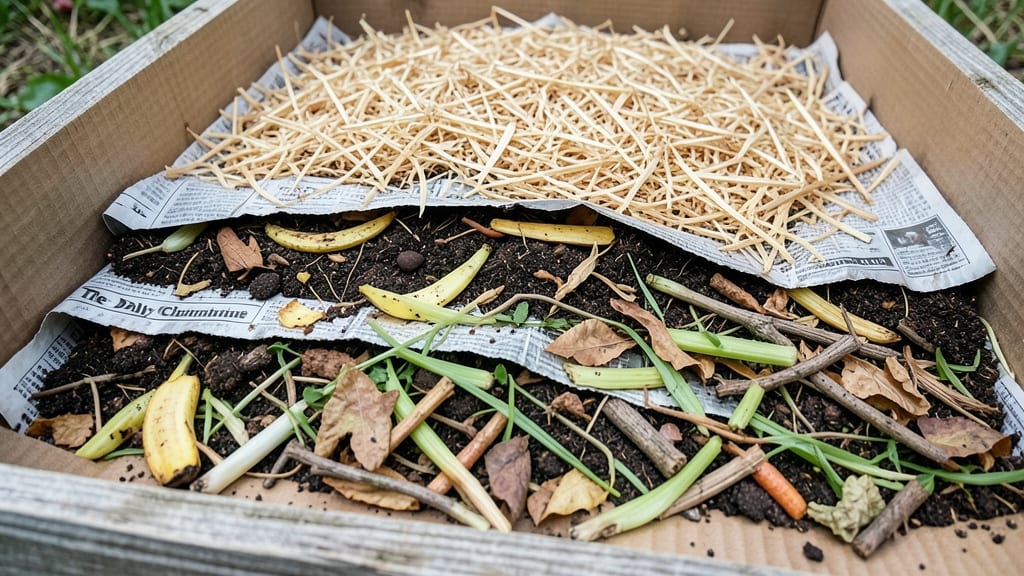
Tired of buying bags of expensive soil when your kitchen scraps and yard waste could be creating a nutrient goldmine instead? Lasagna gardening turns your trash into treasure by layering organic materials into a rich, self-fertilizing bed—no compost pile required.
Start with a base of cardboard (to block weeds) topped with green layers (grass clippings, coffee grounds) and brown layers (shredded leaves, newspaper). Add a thin layer of finished compost or manure, then plant directly into the top. Within 4-6 weeks, the layers break down into fluffy, fertile soil perfect for tomatoes, peppers, or herbs. Urban gardeners love it because it uses zero-waste scraps and fits into tight spaces.
This method is beginner-friendly, budget-conscious, and reduces landfill waste—making it a win for your garden and the planet. Plus, you’ll skip the heavy lifting of traditional soil prep. 🌱
Square Foot Gardening with Mesh Grid
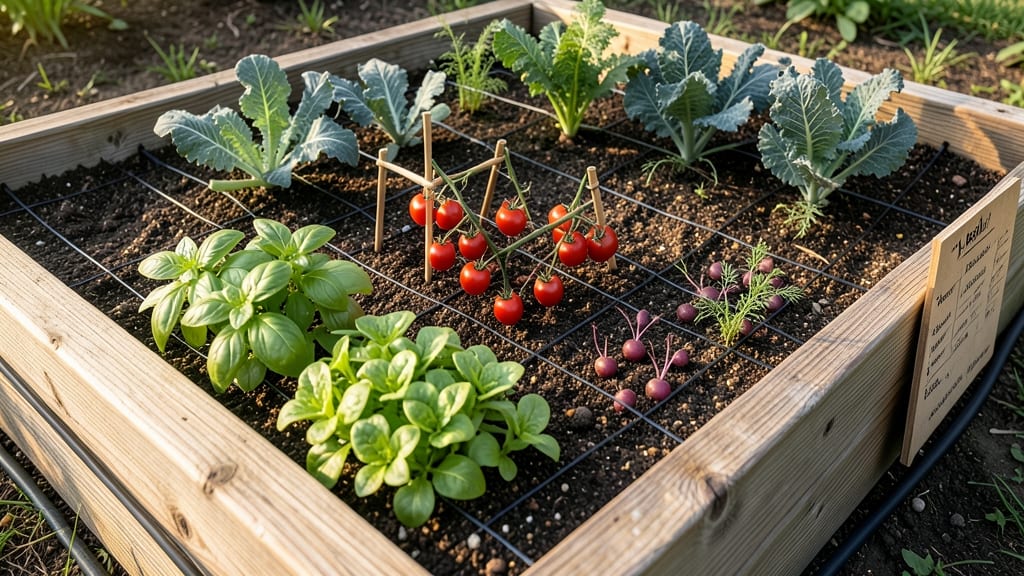
Turn your small raised bed into a high-output garden with square foot gardening, a method that lets you grow more in less space by eliminating wasted soil. This grid system divides your bed into 1-foot squares, each perfectly sized for specific plants—no guesswork, no overcrowding.
Start by dividing your bed into a 12x12-foot grid (or smaller for compact beds) using a mesh or wooden lattice. Each square can hold 16 bush beans, 9 onion plants, or 1 basil plant, with spacing charts available online. The key is matching plant spacing to square size—leafy greens like lettuce thrive in 4 squares, while root vegetables like radishes need just 1. This method also simplifies rotation and maintenance, as each square can be replanted independently.
Perfect for urban gardeners or anyone with limited space, square foot gardening ensures every inch of your raised bed works harder. Try it with fast-growing herbs and greens for instant gratification! 🌱
Deep Root Vegetable Trench System
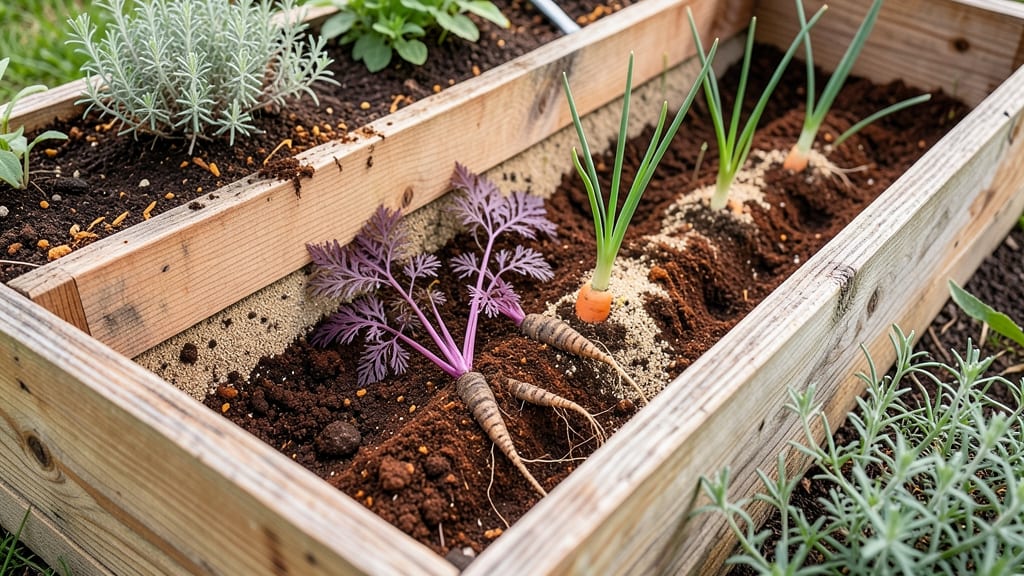
If you’ve ever struggled to fit asparagus crowns or long-rooted carrots into shallow raised beds, a deep root vegetable trench system is your game-changer. This method turns your bed into a vertical growing zone, letting roots stretch downward while keeping the surface free for other crops.
Dig a 12–18-inch-deep trench along one side of your raised bed, filling it with loose, well-draining soil mixed with compost. Plant asparagus crowns at the bottom (they’ll send roots deep) and carrot or potato seeds on top. The trench’s depth ensures roots grow straight down, while shallower crops like lettuce or herbs can thrive in the remaining surface area. For potatoes, plant seed pieces in layers as they sprout—each layer will produce new tubers.
This system is ideal for gardeners with limited space who want to grow high-value root crops without sacrificing square footage. It’s especially great for first-year beds where deep-rooted plants need room to establish. 🌱
Companion Planting Zones for Pest Control
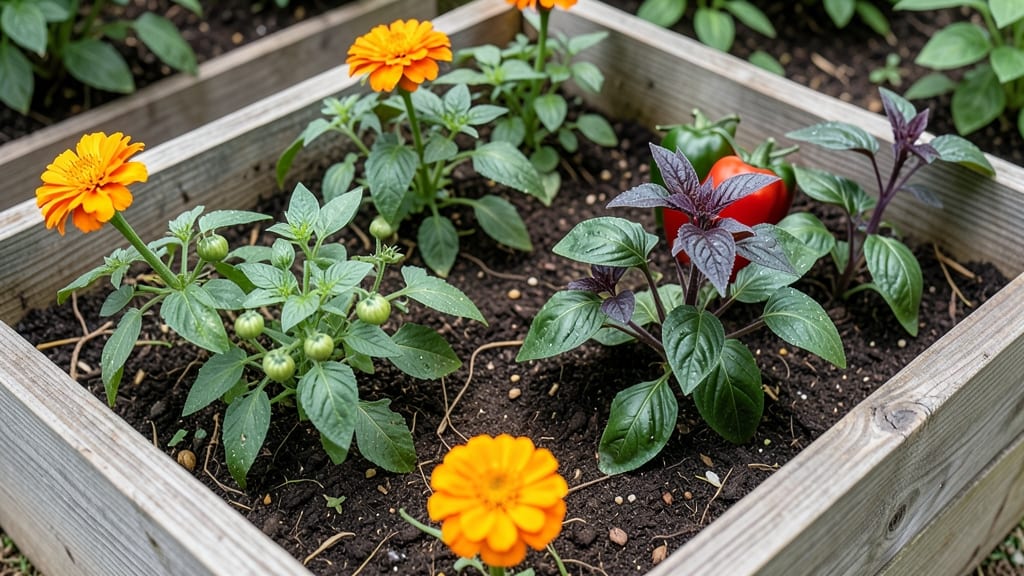
Tired of pests ruining your hard work? Companion planting zones act like nature’s pest control, keeping bugs at bay without chemicals. By strategically placing marigolds near tomatoes or basil beside peppers, you create a garden ecosystem where pests avoid your prized crops.
Marigolds release a scent that repels nematodes and aphids, while basil deters whiteflies and mosquitoes—both are easy to grow and thrive in raised beds. For best results, plant one row of marigolds around the perimeter of your tomato patch or tuck basil plants directly into pepper beds. This method works year-round in warm climates and during the growing season in cooler areas.
Organic gardeners and beginners will love this low-effort solution that boosts yields while keeping your garden chemical-free. 🌻
Hydroponic Raised Bed Hybrid System
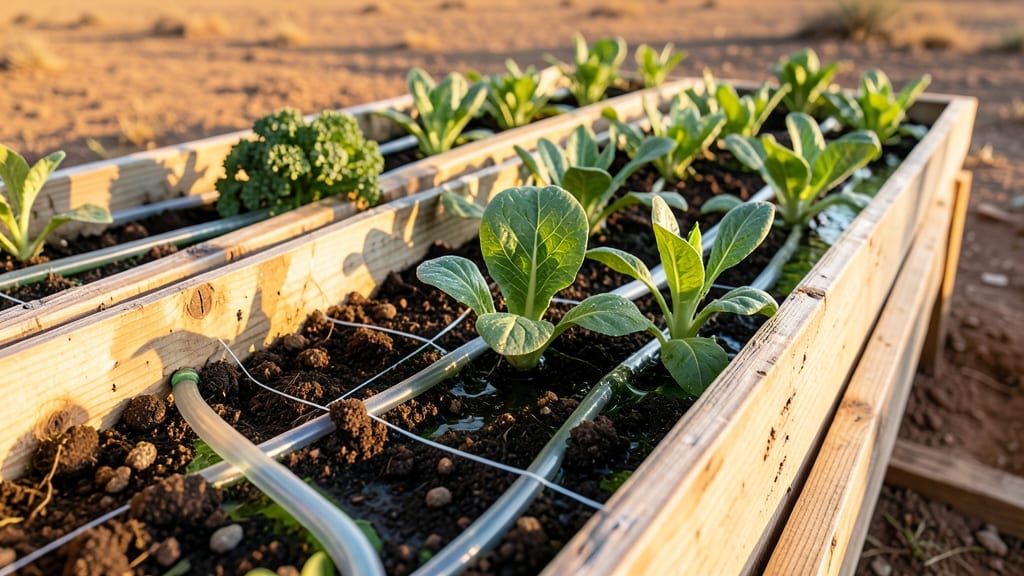
Drought-prone areas don’t have to mean wilted greens—this hydroponic raised bed hybrid system marries water efficiency with soil benefits for 30% faster growth of leafy crops. By embedding shallow water channels alongside soil pockets, you get the best of both worlds: nutrient-rich roots and precise moisture control.
Start by dividing your raised bed into two zones: one filled with hydroponic channels (for lettuce, spinach, or herbs) and the other with traditional soil (for root crops). Use a recirculating system to deliver nutrient-rich water directly to the plants’ roots, cutting evaporation by up to 70%. The soil zone acts as a backup for drought-tolerant varieties like thyme or rosemary.
This setup is a game-changer for urban gardeners or those with limited water access—no more wasted resources or struggling seedlings. Plus, the modular design lets you expand or shrink zones as your needs change. 💡
Strawberry Tower with Hanging Baskets
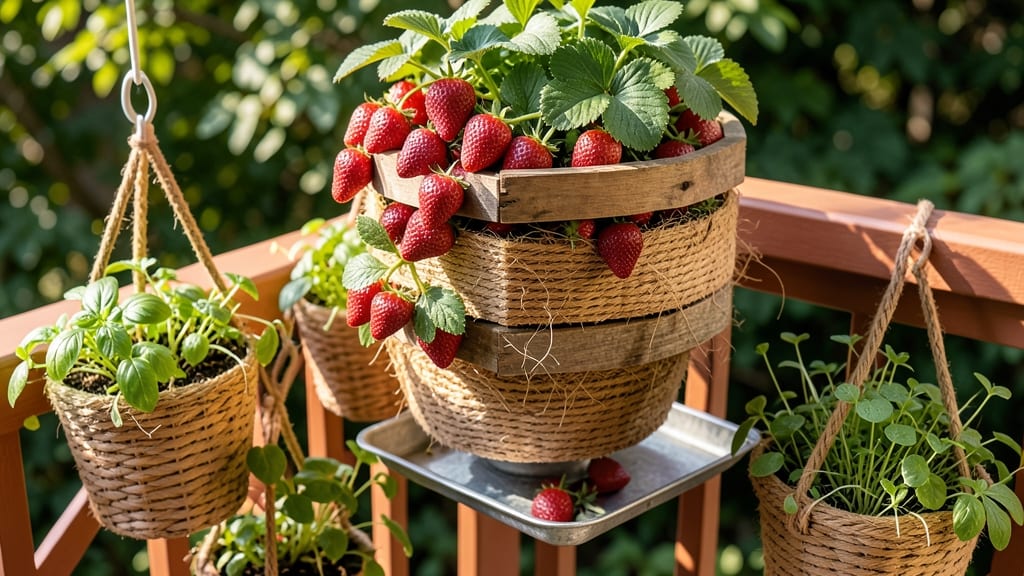
If your balcony or patio feels too cramped for traditional raised beds, a strawberry tower with hanging baskets turns vertical space into a sweet harvest. This clever design lets strawberries spill over while keeping the ground clear for herbs or salad greens—ideal for urban gardeners with limited square footage.
Build a tower from cedar planks or repurpose a wooden ladder, spacing baskets 12–18 inches apart for airflow. Use everbearing varieties like 'Albion' or 'Seascape' for year-round fruit, and add a drip irrigation line to keep roots consistently moist. Baskets should be 10–12 inches deep with drainage holes to prevent rot.
This setup is perfect for renters or small-space gardeners who want fresh berries without sacrificing ground-level crops. Plus, the cascading foliage adds a charming, edible curtain to any outdoor area. 🌻
Cold Frame Layering for Winter Greens
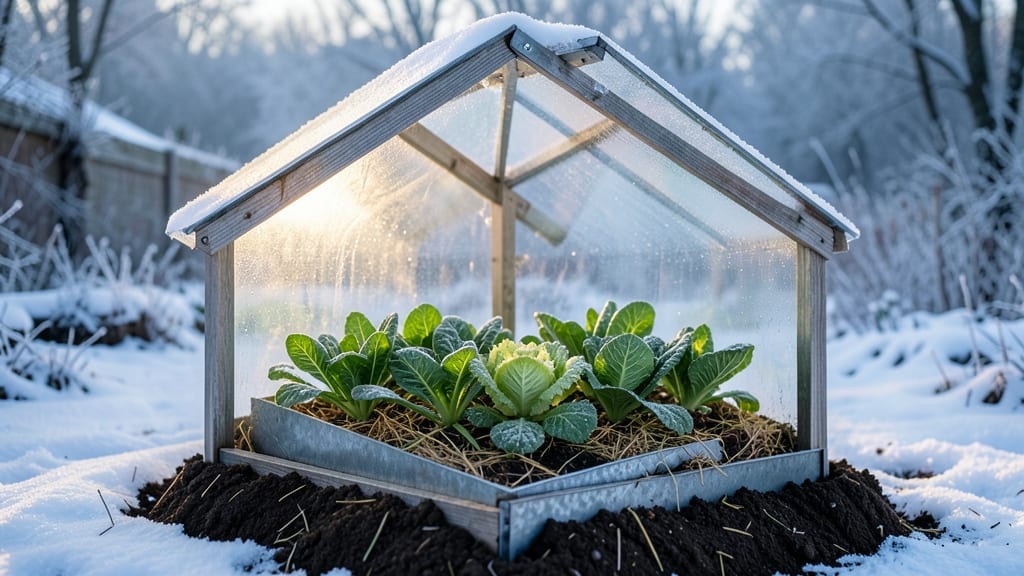
When winter chills threaten to end your harvest, a cold frame becomes your secret weapon for growing spinach, kale, and lettuce under snow. This simple, passive system traps sunlight like a greenhouse without electricity, letting you harvest fresh greens even when outdoor temps drop below freezing.
Build a frame from wood or repurpose an old window box, then cover it with clear plastic or glass to create a mini greenhouse effect. Plant cold-hardy greens in your raised bed 6–8 weeks before first frost, then place the frame over them. Ventilate on mild days to prevent overheating, and watch your crops thrive in sub-freezing conditions. A single frame can extend your growing season by 2–3 months with minimal effort.
This low-tech method is perfect for urban gardeners with small spaces or rural homesteaders looking to maximize yields. No electricity, no fuss—just fresh greens when others are digging through snow. 🌱
Mushroom Log and Straw Mix Beds
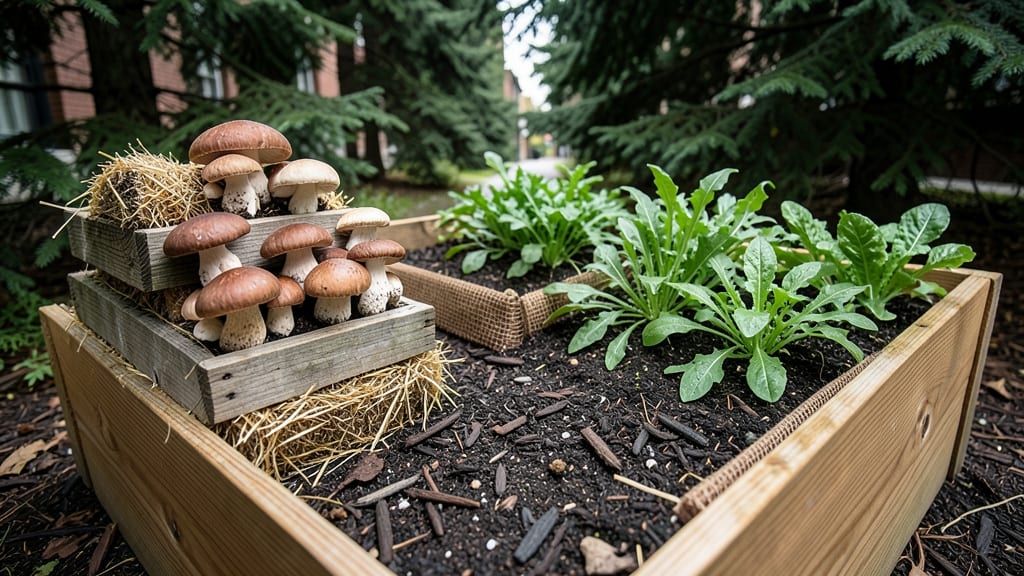
Turn your shady raised bed into a productivity powerhouse with a dual-purpose design that grows both gourmet mushrooms and fresh greens simultaneously. This innovative setup thrives where sun-loving crops fail, making it ideal for forest edges, north-facing patios, or dense urban backyards.
Divide your bed into two sections: one filled with sterilized hardwood logs (like oak or maple) inoculated with mushroom spawn, and the other with straw mulch for microgreens or leafy salad mixes. The logs provide a steady harvest of oyster or shiitake mushrooms every 4-6 weeks, while the straw side supports fast-growing greens like arugula or spinach. Keep logs moist but not soggy—mist them daily—and maintain straw at 60-70% moisture for optimal growth.
This system is perfect for small-space gardeners or those with limited sunlight who still want fresh produce year-round. Plus, the mushrooms add a unique culinary dimension to your harvests while improving soil health as they decompose. 🌿
Keyhole Garden with Central Compost Hub
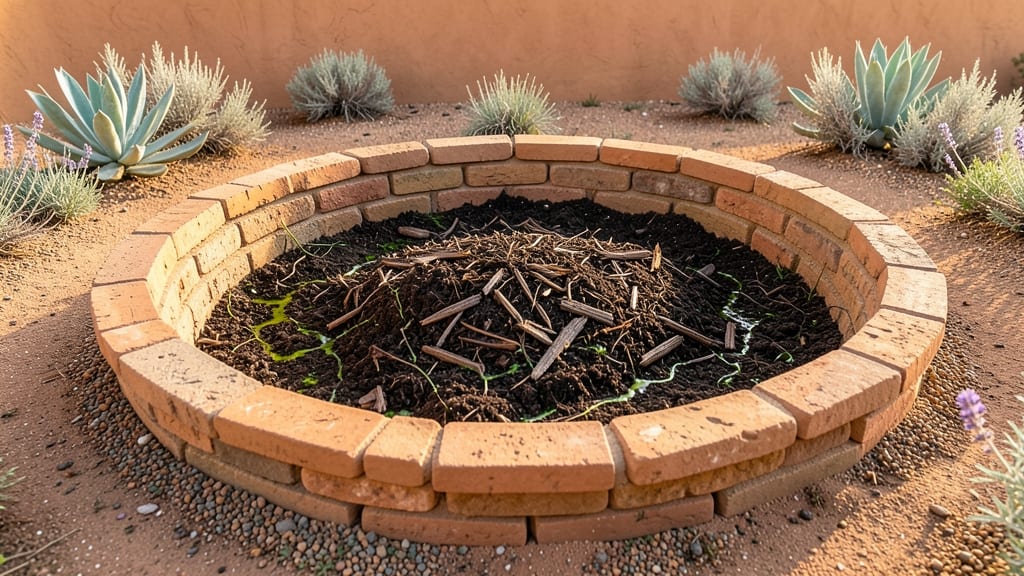
If you're gardening in a dry climate where water is precious, the keyhole garden could be your game-changer. This circular design features a compost-filled center that acts as a moisture reservoir, reducing irrigation needs by up to 50% while feeding your plants continuously.
Build a circular bed with a central compost pit (about 12–18 inches wide) surrounded by soil. Plant sweet potatoes, beans, or peppers in the outer ring—their roots will naturally draw nutrients from the compost. The design also improves soil structure, making it ideal for sandy or rocky soils where traditional beds struggle.
This system is perfect for small-space gardeners in desert regions or anyone looking to cut water bills. Plus, the compost hub means fewer fertilizers and more sustainable growing. 💚
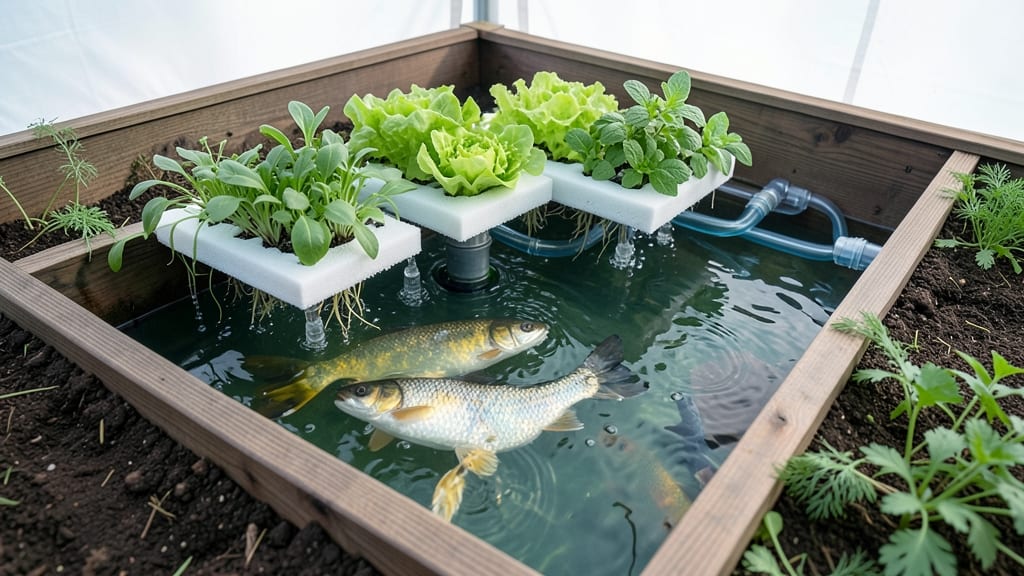
Aquaponics Raised Bed for Fish and Greens

Turn your raised bed into a dual-purpose protein and produce powerhouse with an aquaponics system that marries fish farming with leafy greens—no separate ponds or aquariums required. This closed-loop system lets you grow tilapia or trout in the water layer while watercress, lettuce, and herbs float above, filtering nutrients naturally and reducing waste.
Start with a 4-foot-deep raised bed (deeper than standard beds) and install a fish tank section at the bottom, connected to grow beds via PVC pipes. Use fast-growing fish like tilapia (harvestable in 6–12 months) and plant rooted greens in net pots above the water line. The fish waste fertilizes the plants, while the plants clean the water—cutting your maintenance time by 70% compared to traditional aquariums.
Homesteaders and off-grid enthusiasts will love this setup for its self-sustaining efficiency, while urban gardeners with balconies can scale it down. Just add LED grow lights for year-round harvests, and you’ve got a protein-packed garden that feeds both you and your fish. ✨