
Pruning
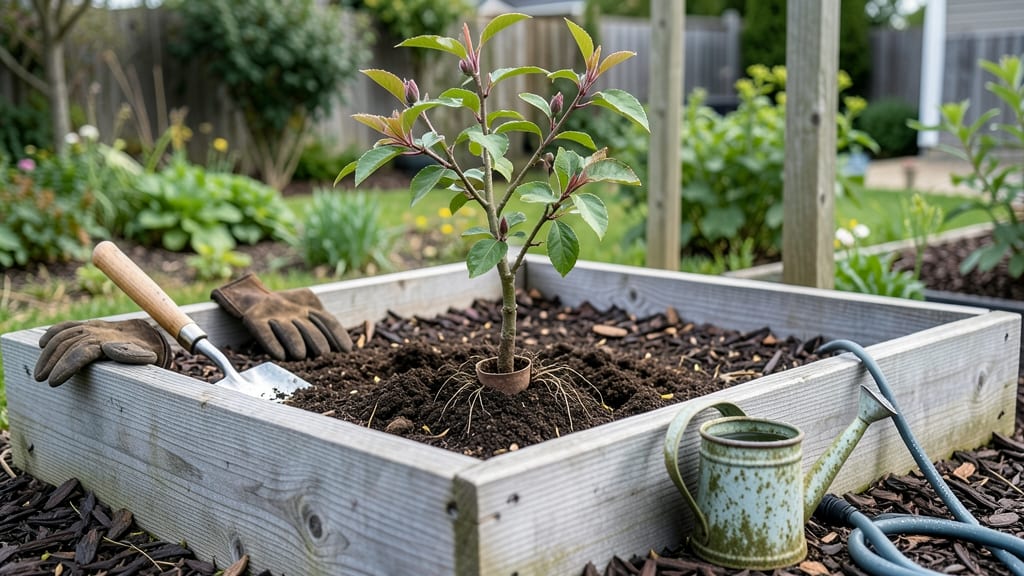
Planting trees in raised beds gives them a head start—literally. 🌳 The right technique lets roots spread deep without competing with grass or compacted soil, and I’ve learned which trees thrive (and which struggle) in these elevated spaces after years of trial and error.
First, the soil must be the right mix: 60% topsoil, 30% compost, and 10% perlite for drainage. Choose dwarf or columnar varieties like Japanese maples or columnar apple trees—their roots won’t outgrow the bed as quickly as full-sized trees.
A 24-inch-deep bed is the minimum for most species, and wider beds (at least 4 feet) give roots room to branch out.
You’ll end up with trees that grow 2-3 feet taller per year—faster than in-ground planting—because the soil stays loose and well-aerated. The key is mulching heavily (3-4 inches) to retain moisture while keeping roots cool, and watering deeply twice a week once established.
Just avoid over-mulching, which can suffocate roots.
This method works best for small yards, urban spaces, or areas with poor native soil. The trade-off? You’ll need to stake young trees and monitor for stability as they grow taller. But the payoff—lush canopies in half the time—makes it worth it.
📚 In This Guide
- What you need
- Instructions
- Tips and common mistakes
- Wrapping up and next steps
What you need
- ● Raised Bed Frame: Wood (cedar or redwood recommended for durability) – 4x 8-foot boards (2x6 or 2x8 inches thick) or pre-cut kits
- ● OR Galvanized metal or composite frames (check depth—at least 2 feet deep for tree roots)
- ● Hardware: Stainless steel screws (2.5–3 inches long) or galvanized nails (for wood frames)
- ● Landscape Fabric: 1 piece (size matches bed dimensions) to block weeds
- ● Soil Mix: 50% topsoil (well-draining)
- ● 30% compost (for nutrients)
- ● 20% perlite or coarse sand (for aeration)
- ● Mulch: 2–3 inches of wood chips or straw (organic, weed-free)
- ● Tree: Young sapling (check root ball size—should fit easily in the bed)
- ● Tools: Shovel or spade
- ● Wheelbarrow (for soil transport)
- ● Measuring tape
- ● Gloves (heavy-duty for digging)
- ● Watering can or hose with nozzle
- ● Drainage Layer: 1–2 inches of gravel or crushed stone at the bottom (if soil is clay-heavy)
- ● Slow-Release Fertilizer: Tree-specific granules (follow package rates)
- ● Support Stakes: 2–3 bamboo stakes + soft ties (for young, top-heavy trees)
- ● Drip Irrigation Kit: For consistent moisture (especially in dry climates)
- ● Edging Material: Metal or stone to define the bed neatly
Step-by-Step guide to planting trees in raised beds
Here's how to create the perfect deep-root environment for strong, healthy trees in raised beds.
🪴 Step 1: Design and Prepare the Raised Bed Foundation
Start with a raised bed that's at least 3 feet wide and 2 feet deep—this gives roots room to spread without circling. I like to build mine with untreated cedar or redwood lumber to resist rot, then line the bottom with landscape fabric to prevent weeds from invading while still allowing water drainage.
Fill the bottom 6 inches with a mix of 50% coarse sand and 50% composted wood chips to improve drainage and aeration. This layer mimics the natural soil profile trees prefer. Compact it lightly with your hands—just enough to settle it without creating hardpan that roots can't penetrate.
🌱 Step 2: Select and Prepare the Tree
Choose a tree variety suited for container growing, like dwarf fruit trees, ornamental cherries, or Japanese maples. Dig the planting hole in your nursery pot or bare-root container twice as wide as the root ball but no deeper. Gently loosen the roots if they're circling—this encourages outward growth instead of girdling.
Soak the root ball for 15-20 minutes before planting to rehydrate any dried roots. You'll know it's ready when water runs clear from the bottom. Avoid over-soaking—waterlogged roots suffocate just as much as dry ones.
☀️ Step 3: Plant with Proper Spacing and Soil Support
Place the tree in the center of the bed, ensuring the top of the root ball sits 1 inch below the bed's rim. This prevents erosion from heavy watering. Fill the hole with a mix of 60% native soil, 30% compost, and 10% perlite to create a loose, fertile medium. Tap the soil gently as you add it to eliminate air pockets.
Water deeply until the soil settles 1-2 inches. You'll see the soil level drop as it compresses—this is normal. Add more of your soil mix to bring it back to the original level. Mulch the surface with 3 inches of wood chips, keeping it 6 inches away from the trunk to prevent rot.
💧 Step 4: Establish a Watering and Fertilizing Routine
Water newly planted trees every 2-3 days for the first 4 weeks, providing 1 gallon per inch of trunk diameter. For example, a 2-inch diameter tree needs 2 gallons each time. Check moisture by sticking your finger 3 inches deep—if it's dry, water again.
After the initial establishment period, reduce to once a week during dry spells, but always water deeply. Feed with a balanced 10-10-10 fertilizer every 6 weeks during the growing season, but halve the recommended dose—trees in raised beds are more vulnerable to salt buildup from over-fertilizing.
✂️ Step 5: Prune and Monitor for Long-Term Health
Prune in late winter or early spring to remove any dead, crossing, or inward-growing branches. Make cuts just outside the branch collar where it meets the trunk. This encourages strong regrowth and prevents disease entry points. I also thin out crowded branches to improve air circulation—aim for an open vase shape.
Watch for signs of stress like yellowing leaves or stunted growth. These often signal compacted roots or insufficient water. If you notice roots circling at the soil surface, gently tease them apart with your fingers or a small tool. Trees in raised beds need occasional root checks to prevent girdling, which can strangle the trunk over time.
Tips & tricks for perfect raised bed tree planting
These pro strategies will help you create an ideal root environment for trees that grow strong and tall in raised beds.
Foundation Depth Matters: The 2-foot depth in Step 1 is non-negotiable for trees taller than 10 feet at maturity. Shallower beds restrict root growth and lead to stunted trees. For extra insurance, add a 2-inch layer of expanded clay pellets at the very bottom—this creates air pockets that prevent waterlogging while still allowing drainage. Think of it as giving your tree's roots a spa treatment right from the start.
Root Ball Prep Secret: In Step 2, when you're loosening circling roots, don't just pull them apart—gently spread them outward like spokes on a wheel. This encourages radial growth rather than upward pressure against the bed walls. For container-grown trees, make 2-3 vertical slits around the root ball with a knife before removing from the pot. This mimics natural root expansion and prevents transplant shock.
Soil Mix Science: The 60-30-10 soil ratio in Step 3 is perfect, but here's the pro move: pre-mix your soil components in a wheelbarrow before planting. This ensures even distribution and eliminates hot spots where roots might suffocate. I also like to add a handful of mycorrhizal fungi granules to the planting hole—they form beneficial relationships with tree roots, boosting nutrient uptake by up to 80%.
Watering Wisdom: That 1-2 inch soil settlement in Step 3 is your first clue about proper watering technique. After planting, I always do a "settlement test"—water until you see 1-2 inches of compaction, then add more soil mix to maintain that 1-inch depth below the rim. This prevents erosion and keeps roots properly oxygenated. For the initial 4-week watering routine, consider using a drip irrigation system on a timer—it delivers consistent moisture without the risk of overwatering that hand-watering can cause.
Pro Tips for Raised Bed Tree Planting
- These pro strategies will help you create an ideal root environment for trees that grow strong and tall in raised beds.
- Foundation Depth Matters: The 2-foot depth in Step 1 is non-negotiable for trees taller than 10 feet at maturity. Sha...
- Root Ball Prep Secret: In Step 2, when you're loosening circling roots, don't just pull them apart—gently spread them...
Frequently asked questions
Got questions about planting trees in raised beds? You’re not alone! Here are answers to the most common concerns to help you grow strong, healthy trees with confidence.
Can I plant any type of tree in a raised bed?
Not all trees thrive in raised beds—stick to dwarf or semi-dwarf varieties (like fruit trees, ornamental cherries, or Japanese maples). Avoid large species (oaks, pines) unless your bed is at least 4 feet deep and wide. Root space matters!
When is the best time to plant a tree in a raised bed?
Plant in early spring or fall when soil temps are mild (50–70°F). Avoid summer heat or winter frosts—roots need time to establish without stress. Pro tip: If planting in containers, soak roots for 1–2 hours before transferring!
How often should I water a tree in a raised bed?
Raised beds dry out faster! Water deeply 2–3 times per week (more in hot/dry climates) for the first year. Use a drip irrigation system or soaker hose to keep roots consistently moist. Watch for: Wilting leaves or dry soil 2 inches below the surface.
What if my tree isn’t growing well in the raised bed?
Check these fixes:
- Soil mix: Amend with compost or organic matter if drainage is poor.
- Sunlight: Most trees need 6+ hours of sun—relocate if shaded.
- Pests/disease: Inspect leaves for spots, chewed edges, or sawdust-like frass.
Can I use raised beds for bonsai or dwarf trees?
Raised beds are perfect for bonsai or dwarf trees (e.g., ‘Tiny’ apple trees). Use well-draining mix (50% potting soil, 30% perlite, 20% compost) and prune regularly to maintain shape. Bonus: Containers let you move trees indoors in winter!
Wrapping up and next steps
Raised bed tree planting isn’t just a smart gardening hack—it’s a game-changer for nurturing strong, healthy trees with deep roots and vibrant growth. By choosing the right soil, spacing, and support, you’re setting your trees up for long-term success while saving space and effort.
Whether you’re a seasoned gardener or just starting out, this method makes tree care accessible and rewarding.
Ready to get growing? Start small—pick one tree, gather your supplies, and dig in! Watching your tree thrive in its raised bed will be so satisfying, and soon, you’ll be expanding your green haven with confidence. 🌱✨