
Pests
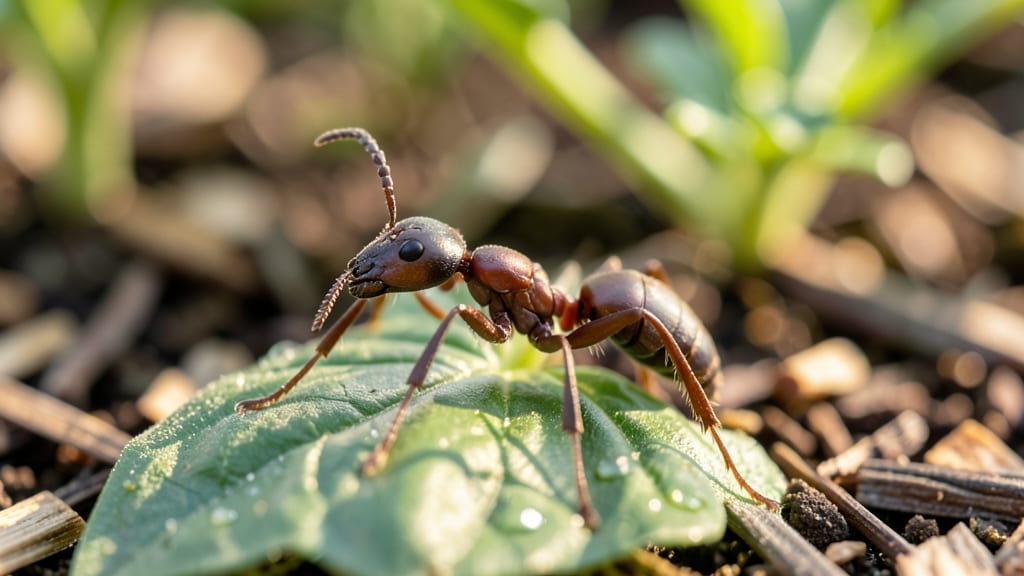
My raised bed vegetable garden became an ant superhighway last summer—tiny invaders marching through every row. 🐜 The problem isn't just the ants themselves (though they're annoying), but what they bring: aphids, root damage, and even plant diseases hiding in their trails.
Most "solutions" just chase them away temporarily, but I found three natural barriers that actually keep them out for good—no poison needed.
The key is understanding why they're there: ants farm aphids for honeydew, so they're drawn to struggling plants. I started with diatomaceous earth around the bed edges (it's like microscopic glass to them) and added cinnamon near plant stems—both disrupt their trails without harming soil.
For long-term defense, I planted mint and tansy around the perimeter; their strong scents confuse ant navigation systems. Honestly, the garden feels safer already.
What you'll end up with is a raised bed where ants think twice before crossing the border. Your veggies grow stronger because they're not under siege, and you avoid the collateral damage from chemical sprays.
The best part? These methods work for years, not just one season. No more watching your broccoli plants get turned into ant highways.
Works for any raised bed size, whether you're growing tomatoes in 4x8-foot beds or salad greens in 2x4-foot containers. The same principles apply—just scale the barriers to your space. Let's make your garden their last stop before giving up.
The Hidden Triggers Behind Ants
Ants in your raised bed vegetable garden aren’t just random visitors—they’re drawn by specific conditions that turn your garden into an all-you-can-carry buffet. Understanding these triggers is the first step to reclaiming your space. Let’s break down the science behind why these tiny invaders show up uninvited.
Ants are attracted to moisture-rich soil because it provides easy hydration and a pathway to spread their colonies. But here’s the kicker: they’re not just after water—they’re hunting for honeydew, a sugary substance excreted by aphids, mealybugs, and other sap-sucking pests.
These insects feed on plant sap, then release honeydew, which ants love as a high-energy food source.
- Why it matters: If your raised bed has aphids or other sap-sucking insects, ants will follow the scent trail like a GPS straight to your veggies.
- Actionable fix: Inspect leaves for sticky residue (a honeydew giveaway) and remove infested plants immediately.
Ants are omnivores with a weakness for decaying plant material and protein-rich food sources.
In a raised bed, this could mean: - Old plant debris (leaves, stems, or uneaten fruit) left in the soil. - Protein sources like dead insects, slugs, or even your compost pile if it’s too close.
- Why it matters: A single rotting tomato or a pile of fallen leaves can become an ant hotel, complete with food and nesting space.
- Actionable fix: Keep your raised bed free of debris and store compost bins at least 10 feet away from your garden.
Ants prefer to build nests in warm, undisturbed areas where they can thrive without competition.
Raised beds provide the perfect microclimate: - Loose, aerated soil (ideal for digging tunnels). - Edge spaces between the bed and mulch or wood. - Cracks in wood or stones (if your bed has a wooden frame or rock borders).
- Why it matters: If ants find a cozy spot, they’ll defend it aggressively, expanding their colony into your garden.
- Actionable fix: Seal gaps in wooden frames with caulk and avoid piling mulch directly against the bed’s edges.
Some plants actively attract ants by producing scents or nectar that signal food.
Common culprits in vegetable gardens include: - Basil, dill, and fennel (attract aphids, which in turn attract ants). - Squash and melons (their flowers produce nectar that ants love). - Weeds like clover or plantain (often harbor hidden ant trails).
- Why it matters: Ants don’t just stop at your veggies—they’ll farm these plants like a 24/7 fast-food joint.
- Actionable fix: Rotate crops away from ant magnets and remove weeds regularly.
Ants are highly responsive to weather changes:
- After rain: Soil softens, making it easier for them to dig and expand their colonies.
- Drought conditions: Ants seek out moisture in your raised bed, leading to increased activity.
- Early spring/late summer: These are peak nesting times when ants look for new territories.
- Why it matters: A single rainstorm can turn a minor ant presence into a full-blown invasion.
- Actionable fix: Monitor weather forecasts and take preemptive action (like barriers) before heavy rains.
Ants can travel on garden tools, pots, or even plant starts you bring home from nurseries. If an infested plant or tool touches your raised bed, you’ve just given ants a free ride to your garden.
- Why it matters: One contaminated seedling or shovel can introduce an entire colony.
- Actionable fix: Inspect new plants and tools before bringing them near your garden. Store them separately for a few days to check for stowaways.
Here’s the harsh truth: ants don’t just eat your veggies—they protect other pests (like aphids) in exchange for honeydew. Breaking this cycle starts with disrupting their food and shelter sources. The moment you remove one trigger (like honeydew or decaying matter), you weaken their entire operation.
Next up: We’ll dive into natural barriers that actually work to keep ants out—without chemicals! 🚫🐜
Practical Fixes for Tiny Garden Invaders
Ants in your raised bed vegetable garden might feel like an overwhelming problem, but with the right strategies, you can reclaim your space—without resorting to harsh chemicals. Below are targeted solutions based on the most common causes, from quick fixes to long-term prevention.
Each method is designed to be easy, effective, and eco-friendly, so you can protect your plants while keeping your garden thriving.
Ants often farm aphids for their honeydew, so disrupting this relationship is key.
🍳 Step 1: Introduce Aphid Predators
Encourage natural enemies of aphids to outcompete the ants:
- Ladybugs (release them in the morning for best results).
- Lacewings (their larvae devour aphids voraciously).
- Parasitic wasps (like Aphidius colemani—order online if local options are limited).
👨🍳 Step 2: Remove Aphid Hotspots
- Prune infested leaves (especially on soft-stemmed plants like basil, squash, or roses).
- Spray aphids off with a strong stream of water in the early morning.
- Use insecticidal soap (1 tbsp mild soap + 1 quart water) if populations explode—reapply every 3–5 days.
🥘 Step 3: Disrupt Ant Trails
Ants rely on pheromone trails to find aphids. Confuse them with:
- Diatomaceous earth (DE) sprinkled lightly along ant paths (reapply after rain).
- Cinnamon or cayenne pepper (sprinkle a thin line—ants avoid it).
- Double-sided tape or petroleum jelly on raised bed edges (sticky barriers block entry).
If you spot mounds or tunnels, the colony is likely established. Starve them out and encourage them to leave.
⏰ Step 1: Cut Off Their Food Sources
- Remove sweet fruits/veggies (like tomatoes, melons, or corn) that attract ants.
- Avoid overwatering—ants seek moist soil; water deeply but infrequently.
- Use mulch alternatives: Replace wood chips (which ants love) with gravel or straw around the bed edges.
🔪 Step 2: Natural Repellents
- Vinegar spray (1:1 ratio with water; spray soil and trails daily for a week).
- Lemon juice or citrus peels (ants hate the scent—place peels near entry points).
- Coffee grounds (sprinkle around the bed; the acidity repels them).
🏡 Step 3: Relocate the Colony (Gently)
If the nest is small and accessible:
- Dig a shallow trench around the mound (6–8 inches deep).
- Place a cardboard box over the mound and secure it with rocks.
- Relocate 20+ feet away (ants will move their colony overnight).
- Fill the old mound with boiling water (kills stragglers) or vinegar.
Ants may be raiding your garden for seeds, nectar, or fallen fruit. Fortify your defenses with physical and scent-based barriers.
🛡️ Step 1: Physical Barriers
- Copper tape (wrap it around raised bed edges—ants avoid the electric-like charge).
- Fine mesh hardware cloth (bury 2–3 inches deep around the bed’s perimeter).
- Crushed eggshells (sprinkle around plants—sharp edges deter ants).
✨ Step 2: Scent-Based Deterrents
- Peppermint oil (soak cotton balls in oil and place near entry points; reapply weekly).
- Clove oil (mix 10 drops with 1 cup water; spray along bed edges).
- Crushed mint or lavender (plant these around the garden’s perimeter).
📊 Step 3: Trap and Remove Workers
- Borax/sugar bait (mix 1 part borax to 3 parts sugar + water; place in shallow containers—only use away from pets/kids).
- Peanut butter traps (dab on cardboard; ants carry it back to the colony—dispose of traps after 24 hours).
- 🌱 Keep your garden tidy: Remove fallen fruit, weeds, and debris (ants love hiding spots).
- 🌿 Plant ant-repelling herbs: Basil, thyme, and oregano around your raised beds.
- 🚫 Avoid protein-rich fertilizers: Ants are drawn to nitrogen—opt for balanced or organic compost instead.
- 🐝 Support native predators: Birds, toads, and ground beetles eat ants—create habitats for them (like a small water feature or rock piles).
- 🔄 Rotate crops: Ants may target specific plants; rotating veggies disrupts their patterns.
- ❌ Avoid chemical sprays (they harm beneficial insects and can contaminate your soil).
- ❌ Don’t overwater (ants thrive in damp conditions).
- ❌ Skip the gloves (some repellents, like DE, can irritate skin—wear protection).
With these practical, nature-friendly fixes, you’ll see fewer ants in your raised bed within 1–2 weeks. The key is consistency—combine a few methods for the best results, and soon your garden will be ant-free (or at least ant-tolerant) while keeping your veggies safe and sound! 🥬🌱
Frequently asked questions
Are ants in my raised bed actually harmful to my vegetables?
Indirectly, yes! While ants rarely eat your veggies directly, they protect aphids and other sap-sucking pests in exchange for honeydew. These pests weaken plants by draining nutrients, and ants create tunnels that disrupt root systems. The real damage comes from their ecosystem—not the ants themselves.
How do I know if ants are nesting in my raised bed or just passing through?
Look for visible mounds (like tiny volcanoes) or tiny holes in the soil—these are nesting signs. If you only see trails without mounds, they're likely foraging for food. Check under mulch or wood chips too—ants love nesting there. A magnifying glass helps spot tiny entry points!
Will diatomaceous earth (DE) work if it rains?
No—DE loses effectiveness when wet because it needs to stay dry to work. After rain, reapply a light dusting around your raised bed edges. For longer protection, combine DE with a physical barrier like copper tape. Rain also washes away other natural repellents like cinnamon, so plan to refresh those too.
Can I use coffee grounds as a repellent around my plants?
Sprinkle used coffee grounds around your raised bed—they repel ants with their acidity. Just avoid piling them directly against plant stems (they can compact soil). For extra protection, mix grounds with crushed eggshells—the sharp edges deter ants while adding calcium to your soil.
What's the fastest way to stop ants from farming aphids on my basil?
Start by spraying aphids off with water, then introduce ladybugs or lacewings (they eat aphids). Disrupt ant trails with double-sided tape on pot edges or a thin line of cinnamon. Remove fallen leaves where aphids hide. This combo breaks their cycle in 3-5 days.