
Vegetables
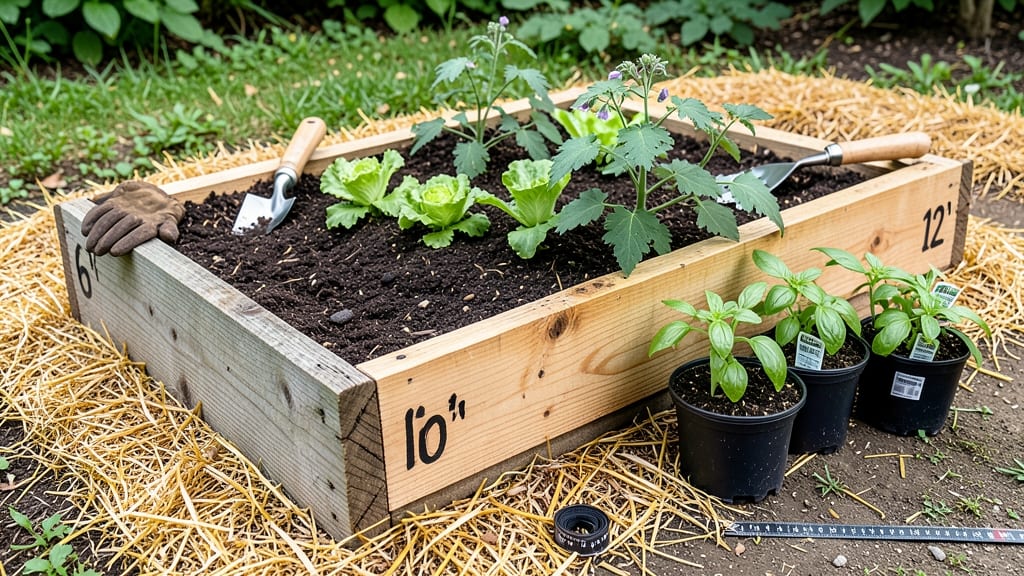
The ideal raised bed height for vegetables is 6 to 12 inches deep, allowing sufficient root space for most crops while ensuring accessibility for planting, weeding, and harvesting without straining your back or knees.
Most home gardeners aim for 6-12 inches because this range accommodates shallow-rooted veggies like lettuce and herbs while still giving deeper-rooted crops like carrots or beets enough room to thrive. 🌱 The extra height also prevents soil compaction, which improves drainage and root development—critical for consistent harvests.
I've found that taller beds (12+ inches) work best for heavy clay soils, while lighter soils can sometimes get away with the minimum 6-inch depth.
What's interesting is how height affects your gardening experience beyond just plant growth. A 10-12 inch bed puts planting and harvesting at a comfortable working height for most adults, reducing back strain during long gardening sessions.
For those with mobility challenges, 18-24 inch beds (with removable boards) create an even more accessible growing space without sacrificing soil volume.
💡 In This Article
- How Root Depth and Soil Volume Affect Vegetable Growth
- Choosing the Best Raised Bed Height for Accessibility and Soil Mix
How root depth and soil volume affect vegetable growth
Vegetable roots need space to spread and access nutrients, which is why 6-12 inches becomes the magic number for most crops. Shallow-rooted plants like leafy greens (spinach, lettuce) thrive in just 4-6 inches of soil, while deeper varieties (carrots, potatoes) require 10-12 inches to reach maturity.
The extra depth in raised beds creates a looser soil structure compared to compacted ground soil, allowing roots to penetrate more easily and absorb water more efficiently.
Soil volume also impacts moisture retention—deeper beds hold water closer to roots during dry spells. For example, a 12-inch deep bed can store 30-50% more water than a 6-inch one, reducing irrigation needs by up to 40% in hot climates.
The increased surface area also improves aeration, which is crucial for beneficial microbes that break down organic matter into plant-available nutrients. This microbial activity peaks in the top 6-8 inches of soil, making deeper beds particularly advantageous for nutrient-hungry crops like tomatoes and peppers.
What most gardeners overlook is how bed height affects soil temperature. Deeper beds warm up more slowly in spring but stay cooler in summer—ideal for heat-sensitive crops like peas or cucumbers.
The 6-12 inch range strikes a balance: shallow enough to warm quickly for early planting, yet deep enough to maintain stable temperatures for root development. In my experience, beds taller than 12 inches can actually become too cool for fast-growing varieties unless amended with compost to improve heat retention.
Comparing to in-ground planting reveals another advantage: raised beds prevent soil compaction from foot traffic. Compacted soil reduces root growth by 30-50% in some cases, while raised beds maintain a fluffy, aerated growing medium year after year.
This structural benefit becomes especially noticeable with heavy clay soils, where roots can spread 2-3 times wider in raised conditions than in ground-planted beds.
For crops with specialized needs, adjustments become necessary. Radishes and beets can handle 6 inches minimum, but varieties like 'Detroit Dark Red' beets need 10+ inches to develop their full bulb shape.
The key is matching bed depth to your specific varieties—not just the general category. A 12-inch bed gives you maximum flexibility to grow both shallow and deep-rooted crops simultaneously without compromising yields.
One surprising benefit is how bed depth influences weed competition. Deeper beds allow you to fill the entire volume with mulch or soil amendments, creating a 12-18 inch weed-free zone where sunlight can't reach weed seeds.
This passive weed control can reduce hand-pulling by 60-70% compared to ground-level planting, saving you countless hours over a growing season.