
Landscaping
Protecting your raised beds from harsh weather, pests, and debris is key to maximizing your growing season. These 10 weatherproof cover ideas help extend harvests, preserve soil quality, and reduce maintenance while keeping your plants thriving year-round.
Floating Row Cover Fabric for Frost Protection
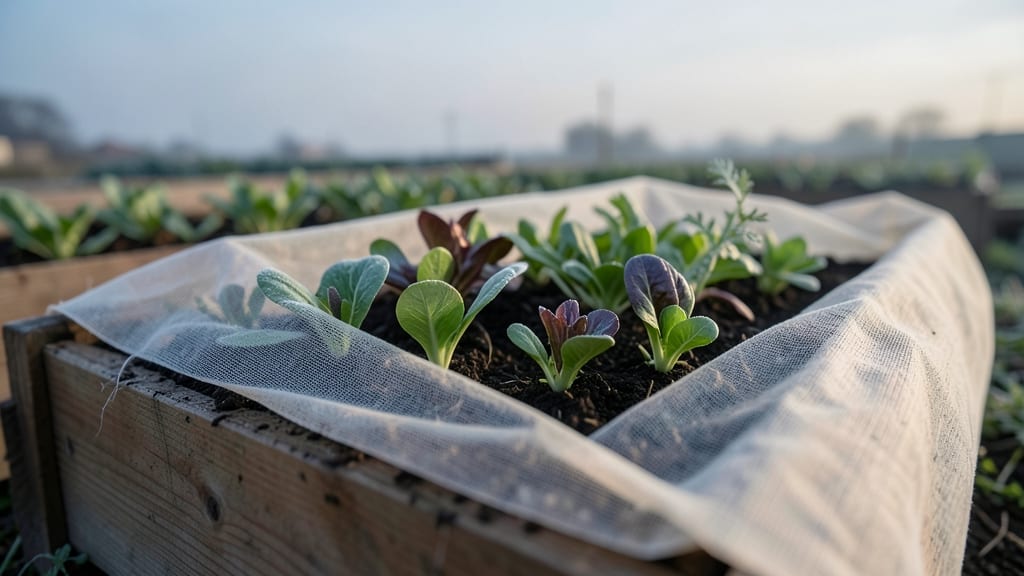
When early spring or late fall temperatures flirt with frost but your seedlings are too tender to brave the chill, floating row cover fabric is your secret weapon. This lightweight, breathable material creates a protective barrier that shields delicate plants like lettuce and spinach from light frosts while still allowing sunlight, water, and airflow to reach your crops.
Made from polypropylene, this fabric is easy to drape over raised beds and secure with clips, stakes, or bricks. It raises slightly above plants (hence "floating"), preventing direct contact that could cause damage. For best results, use it when nighttime temperatures dip to 28-32°F, extending your growing season by 2-4 weeks without creating a humid greenhouse effect. It’s also reusable for years, making it a cost-effective choice.
Perfect for beginner gardeners or anyone with a tight schedule, this cover requires minimal setup and maintenance. Just remove it on sunny days when temperatures rise above 50°F to prevent overheating. Your seedlings will thrive without the stress of frost damage. 🌱
Heavy-Duty Garden Fleece for Winter Insulation
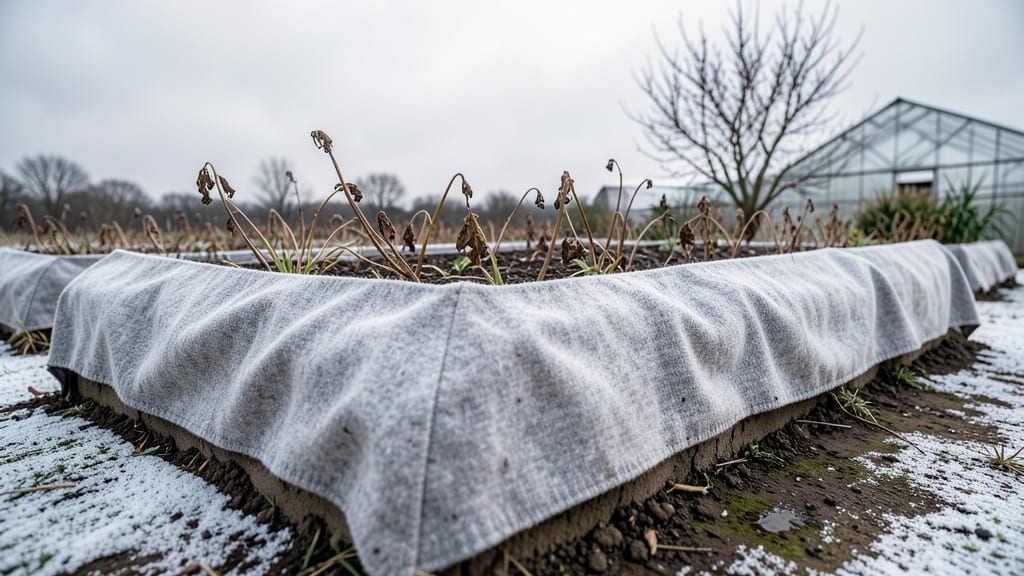
When winter’s icy grip threatens your hardy perennials and overwintering crops, heavy-duty garden fleece becomes your secret weapon. Unlike lightweight row covers, this thicker, wind-blocking fabric traps heat while allowing sunlight and moisture to reach plants—ideal for cold climates where temperatures plummet below freezing.
Perfect for protecting kale, garlic, or asparagus, this fleece creates a cozy microclimate that shields roots from frost damage. Secure it loosely over plants with bricks or stakes, ensuring airflow to prevent rot. For extra insulation, layer it with straw mulch on top. This is the ultimate solution for gardeners in USDA Zones 3-5 who refuse to let winter halt their harvests.
Whether you’re a beginner extending your growing season or a veteran protecting high-value crops, this fleece delivers year-round reliability without the hassle of greenhouses. 💪
UV-Resistant Polycarbonate Panels for Heat Control
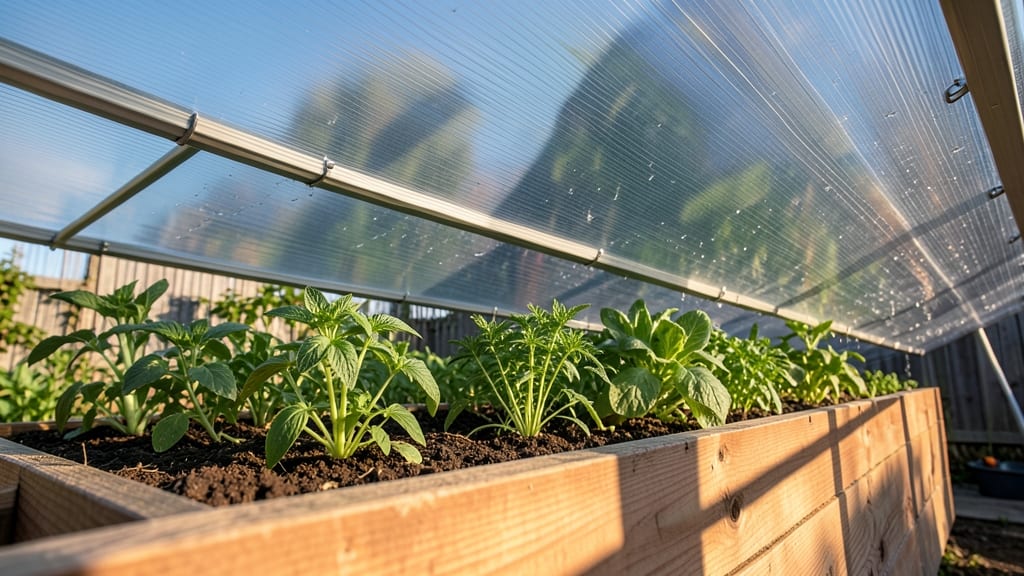
When summer heat turns your raised bed into a sauna, UV-resistant polycarbonate panels are your secret weapon. These durable, see-through panels block 50% of sunlight while letting rainwater pass through—ideal for scorching climates where traditional shade cloth melts in the sun.
Install them directly over your bed to shield heat-sensitive crops like tomatoes, peppers, and basil from sunburn and wilting. The panels also reduce evaporation, keeping soil moist for up to 30% longer than uncovered beds. Secure them with clips or weights, and remove them during cooler evenings to prevent overheating at night.
Perfect for urban gardeners or those with limited shade, these panels offer a low-maintenance way to extend your growing season without sacrificing sunlight. 🌻
Wire Hoop and Shade Cloth System
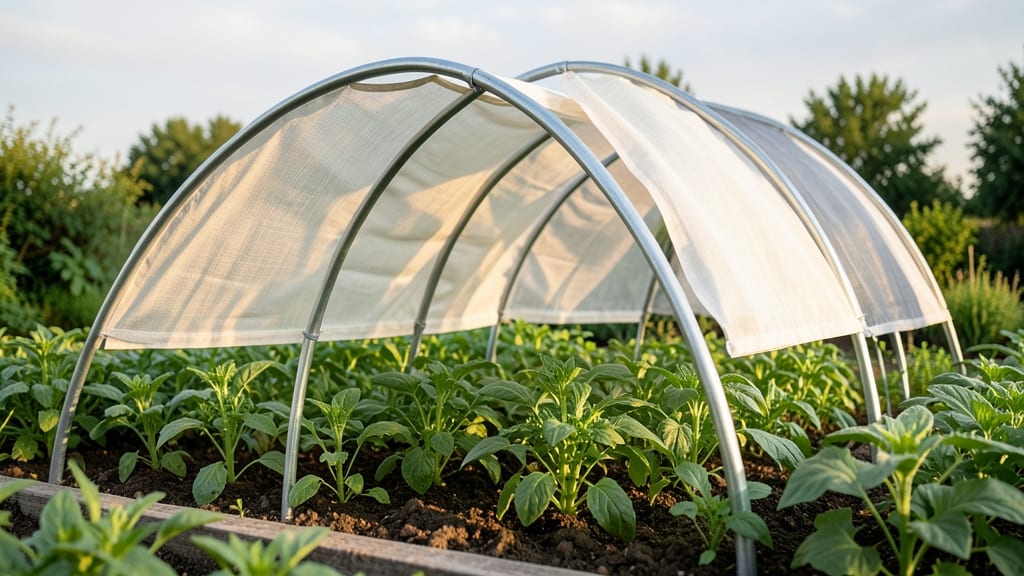
Tired of guessing whether your raised bed plants need extra shade or warmth? A wire hoop and shade cloth system turns your garden into a self-regulating microclimate—no guesswork required. This DIY-friendly setup uses flexible galvanized wire hoops (or PVC pipes) bent into arches over your bed, topped with adjustable shade cloth (30-50% blockage). The hoops create structure while the cloth filters sunlight, reducing heat stress in summer and trapping warmth in cooler months.
For hot climates, use 30-40% shade cloth to block intense rays while allowing airflow, protecting peppers, herbs, and leafy greens from scorching. In cool climates, opt for lighter cloth (10-20%) or remove it during sunny days to maximize warmth. The system also reduces humidity buildup (unlike plastic covers) by allowing excess moisture to escape, preventing fungal diseases. Install in minutes with U-clips or zip ties, and adjust the cloth’s height or density as seasons change.
This is the ultimate multi-season solution for gardeners who hate seasonal swaps—whether you’re battling summer heatwaves or spring frosts, the same setup adapts to your needs. Urban gardeners with limited space will love how it maximizes vertical growing room too. 💡
Corrugated Plastic Sheets for Pest Barriers
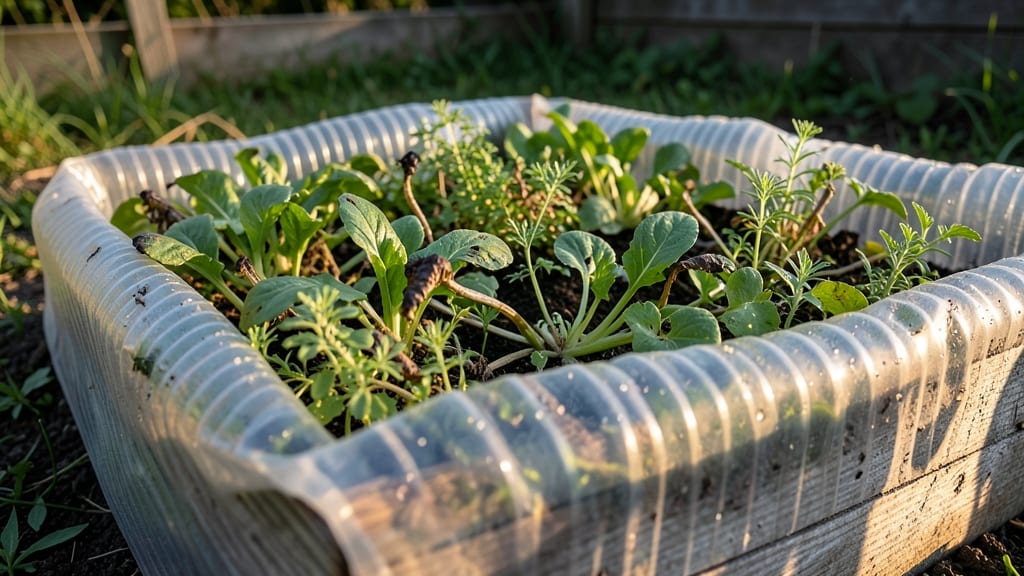
When rabbits, deer, or slugs turn your raised bed into an all-you-can-eat buffet, corrugated plastic sheets become your budget-friendly knight in shining armor. These inexpensive, translucent sheets create a physical barrier that pests can’t chew through, while still allowing sunlight, air, and rain to reach your plants—unlike solid barriers that suffocate crops.
Use them to protect new transplants during peak pest seasons (like spring or early summer) or guard vulnerable crops such as tomatoes, lettuce, and young carrots. Secure the sheets with bricks, landscape staples, or heavy rocks to prevent critters from tunneling underneath. The corrugated design also sheds rainwater effectively, reducing soil erosion while keeping pests out. For extra durability, opt for UV-treated plastic to prevent brittle cracks after months of sun exposure.
This solution is perfect for urban gardeners, beginners, or anyone with a tight budget—it’s one of the most affordable pest deterrents available, often costing less than $1 per square foot. Just remember to remove or fold them when pests are less active to avoid overheating tender plants. 💡
Burlap Sacks for Wind and Erosion Control
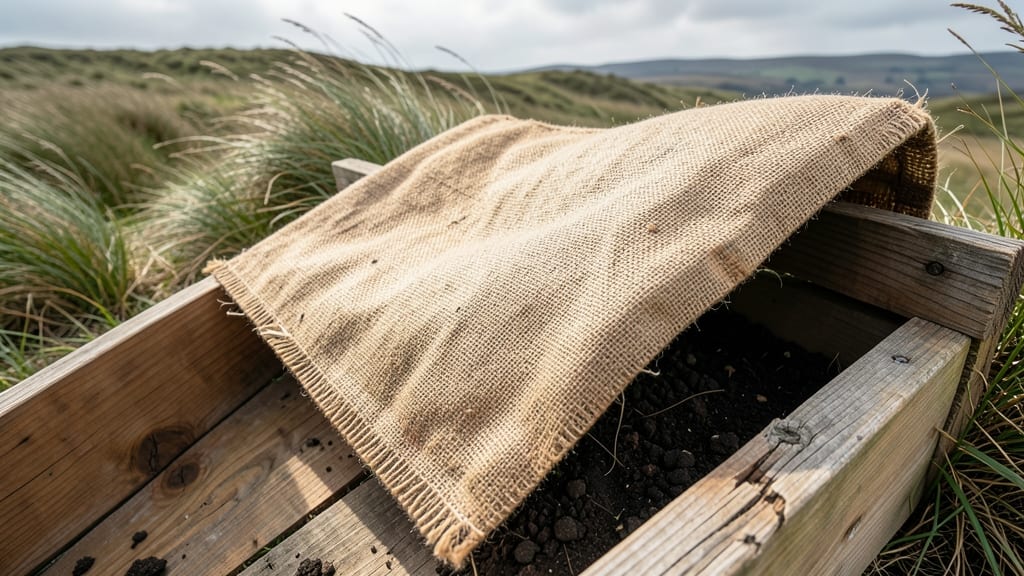
If your raised bed sits on a slope or gets blasted by wind, burlap sacks are your unsung hero—naturally biodegradable and tough enough to hold soil in place while letting roots breathe. Unlike plastic or synthetic covers, burlap breaks down over time, enriching the soil with organic matter as it decomposes, making it a zero-waste solution for erosion-prone areas.
Line the edges of your bed with stapled or weighted burlap sacks (or cut open burlap bags) to create a windbreak that slows down gusts without suffocating plants. This method works especially well for newly planted seedlings or loose soil in spring or fall, when erosion risks spike. For extra stability, fill the sacks with compost or straw before securing them—this adds weight while improving soil fertility.
Perfect for eco-conscious gardeners or those with steep slopes, burlap is also budget-friendly and reusable for multiple seasons. It’s the ideal choice when you want to protect your soil without synthetic materials. 🌿
Removable PVC Hoop House Frame
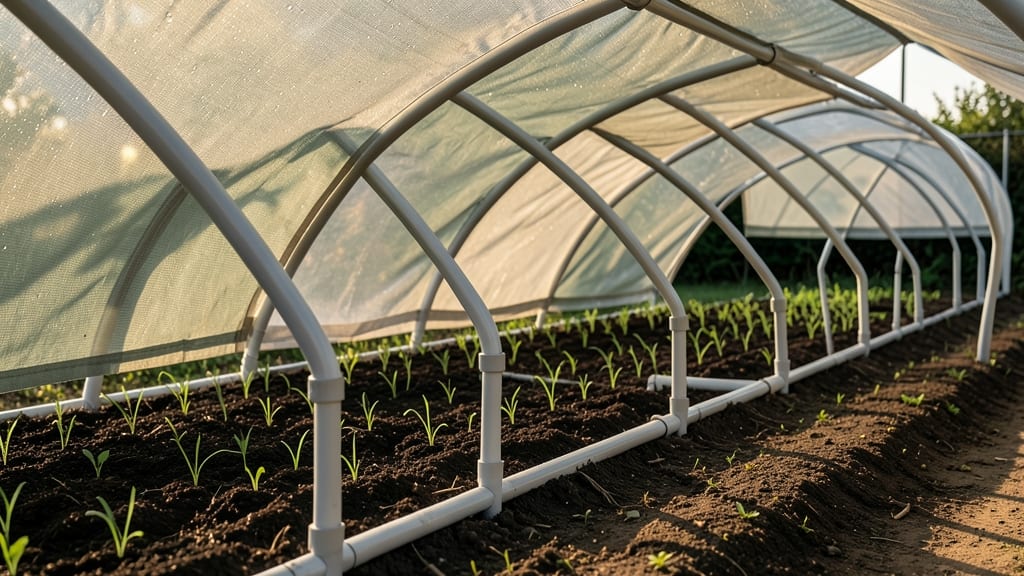
Tired of committing to one fixed greenhouse location? A removable PVC hoop house frame brings the benefits of a greenhouse anywhere in your garden—without permanent installation. This modular system uses lightweight PVC pipes bent into arches, covered with clear plastic or breathable fabric, to create a portable growing space that moves with your needs.
Assemble the frame over any raised bed in minutes using simple connectors, then secure the cover with zip ties or clips. The clear plastic version maximizes light for fast-growing crops like lettuce and herbs, while fabric covers work better for heat-sensitive plants in summer. Unlike permanent structures, you can relocate this hoop house to protect different beds as seasons change—ideal for small urban gardens or multi-crop layouts.
Perfect for gardeners who rotate crops or face unpredictable weather, this system gives you the flexibility of a greenhouse without the space commitment. Just store the components when not in use. 🌱
Straw Mulch Layer for Moisture Retention
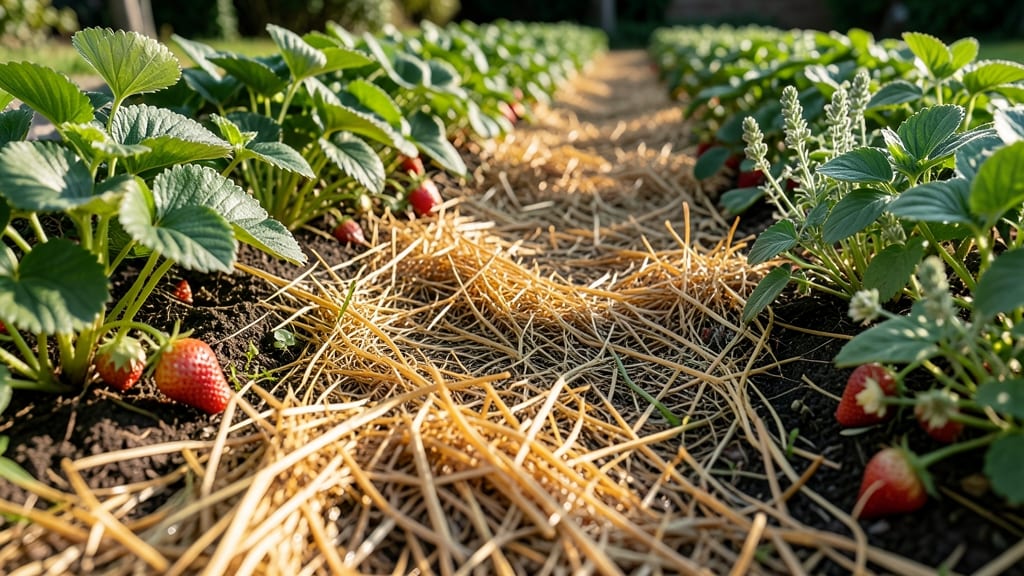
If you’ve ever struggled to keep your strawberries or herbs from drying out between waterings, a straw mulch layer is your game-changer. Unlike synthetic covers, organic straw acts as a living blanket—retaining moisture, regulating soil temperature, and smothering weeds without blocking sunlight or airflow.
Spread 2-3 inches of straw over your raised bed after planting, keeping it 6 inches away from plant stems to prevent rot. For drought-prone areas, this layer can reduce watering needs by up to 50%, while also improving soil health as it decomposes. It’s especially effective for shallow-rooted plants like thyme, mint, or strawberries, which thrive with consistent dampness.
This low-cost, zero-maintenance solution is perfect for beginner gardeners or anyone tired of battling weeds and wilting herbs. Plus, its rustic charm adds a cozy touch to your raised beds—no high-tech gadgets required! 🌱
Metal Mesh Hardware Cloth for Rodent Protection
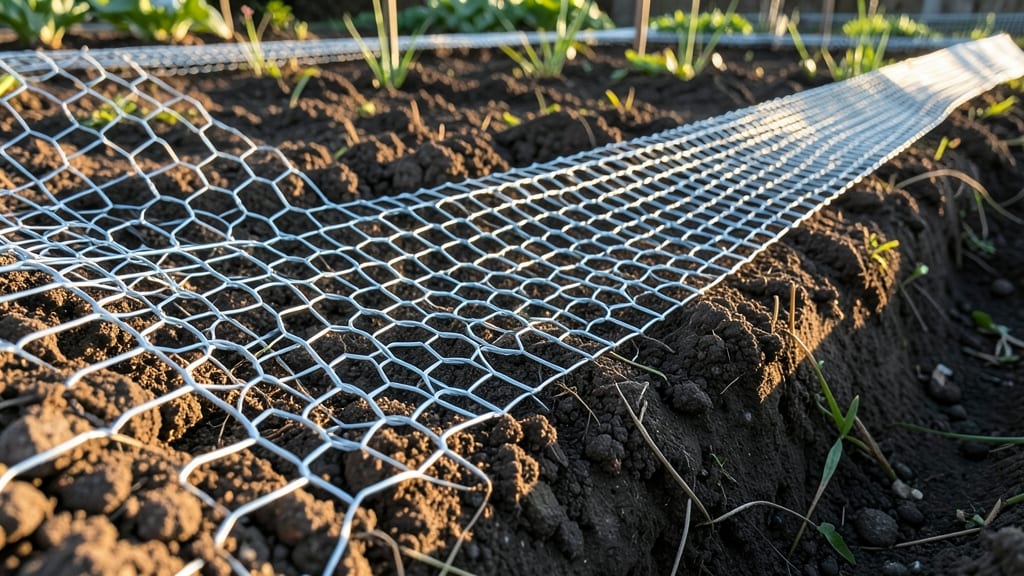
When gophers, voles, or mice turn your vegetable garden into their personal buffet, metal mesh hardware cloth becomes your underground fortress. Unlike flimsy plastic barriers, this fine, durable mesh (typically ¼-inch or smaller) creates an impenetrable shield against burrowing pests while still allowing water, air, and sunlight to reach your plants—no suffocating greenhouse effect here.
Install it by wrapping the mesh around the entire perimeter of your raised bed, securing it with staples or landscape fabric staples to the bed’s sides. For extra protection, bury the bottom edge 6 inches deep to block tunneling. This solution works wonders for root crops like carrots and radishes, which are especially vulnerable to rodent damage. The mesh lasts for years and can be reused season after season, making it a cost-effective investment for gardeners in areas with persistent rodent problems.
Perfect for urban gardeners, homesteaders, or anyone growing high-value crops, this cover requires minimal maintenance—just check occasionally for tears and patch as needed. Your carrots and potatoes will grow undisturbed, free from the frustration of vanished harvests. 💪
Solar-Powered Automatic Shade Sails

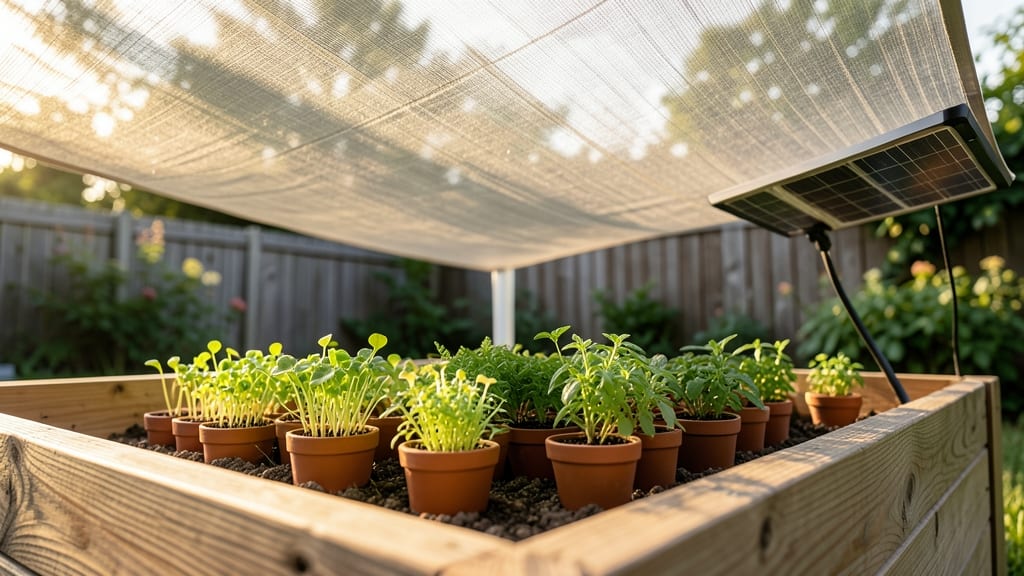
If your raised beds are home to high-value crops like microgreens or delicate container gardens, solar-powered automatic shade sails are the ultimate upgrade. These sleek, high-tech covers adjust their shade automatically based on sunlight intensity, creating the perfect growing conditions without manual intervention—ideal for urban gardeners or anyone with limited time.
Equipped with built-in sensors and solar panels, these sails deploy or retract as needed, shielding plants from intense midday sun while allowing optimal light for photosynthesis. They’re especially useful for heat-sensitive crops like basil, lettuce, or microgreens, which can bolt or wilt under too much direct sunlight. Installation is straightforward: mount the sail above your bed with adjustable arms, and let the system do the work. Many models also include remote controls for manual override on cloudy days.
This isn’t just a functional solution—it’s a stylish addition to modern gardens, blending seamlessly with contemporary landscapes. Perfect for tech-savvy gardeners or those with small-space container setups, these sails eliminate guesswork while maximizing yield. Your plants will thrive effortlessly. ✨