
Tools
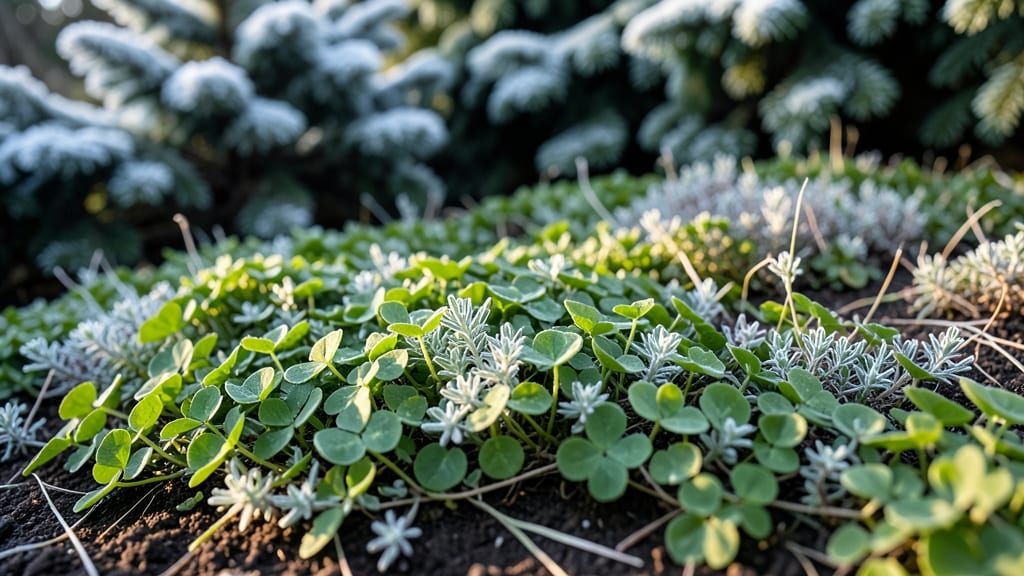
Cold climates can shorten your growing season—but these 10 garden bed cover ideas protect plants from frost, extend harvests, and improve soil health. Discover budget-friendly to premium solutions tailored for cold-hardy gardening.
Floating Row Covers for Early Planting
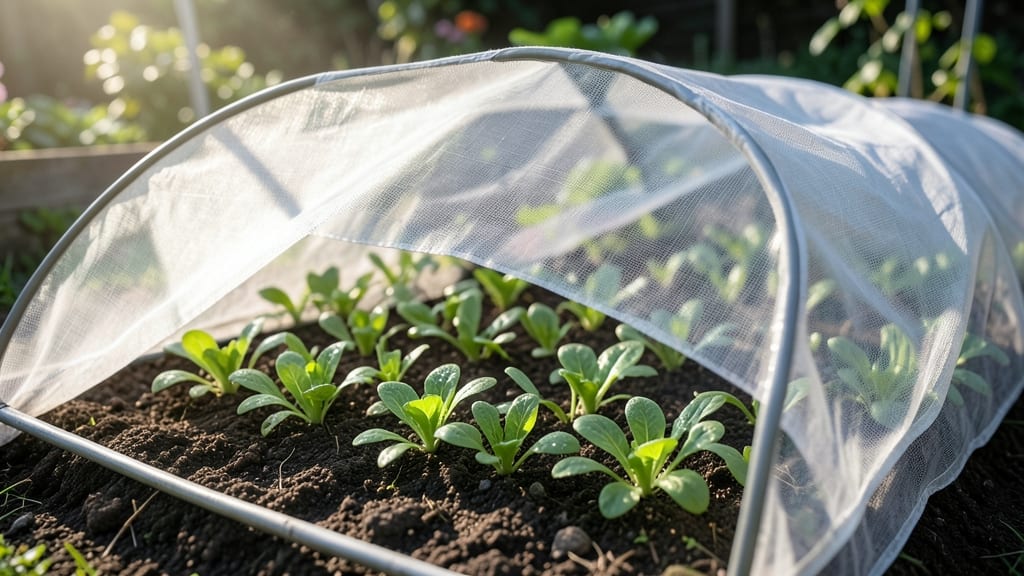
Want to beat the clock and enjoy fresh lettuce or spinach weeks before your neighbors? Floating row covers are your secret weapon—these lightweight fabrics let sunlight through while trapping warmth to jumpstart cool-season crops.
Made from breathable materials like polyester or polypropylene, these covers raise soil temperatures by 10-15°F, allowing you to plant 3-4 weeks earlier than usual. Simply drape them over seedlings or young plants, securing edges with bricks or soil to prevent wind damage. They also protect against pests like cabbage moths and flea beetles without chemicals.
Perfect for beginners or small-space gardeners, floating row covers are easy to install and remove when plants outgrow their protection. Just remember to remove them during pollination for crops like cucumbers or squash. 🌱
Heavy-Duty Plastic Mulch for Frost Protection
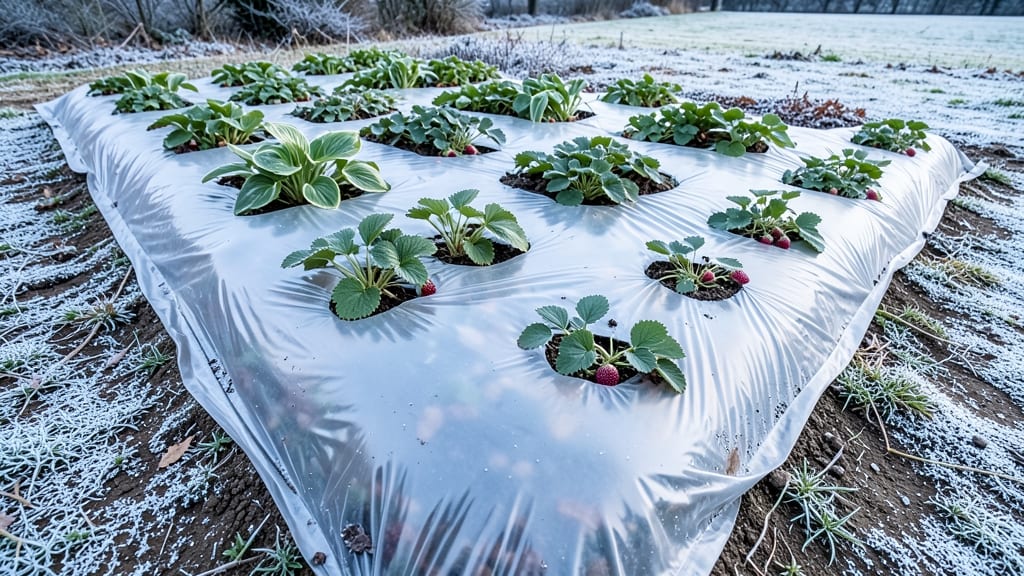
When winter’s bite threatens your tender perennials or precious strawberry patches, heavy-duty plastic mulch becomes your unsung hero. Unlike flimsy row covers, this thick, clear barrier creates a microclimate that traps radiant heat—keeping roots insulated even when temperatures plunge below zero.
Lay the plastic directly over the bed before the first frost, securing edges with bricks or soil to prevent wind from lifting it. For overwintering plants, leave small gaps for airflow while maintaining warmth. Strawberries and artichokes thrive under this protection, often surviving sub-zero nights without damage. Just remember to remove it in early spring to avoid overheating.
This solution is a game-changer for gardeners in Zone 5 and colder, especially those with high-value crops. It’s also reusable for years, making it a cost-effective way to push your growing season’s limits. 💡
Straw Mulch for Soil Insulation
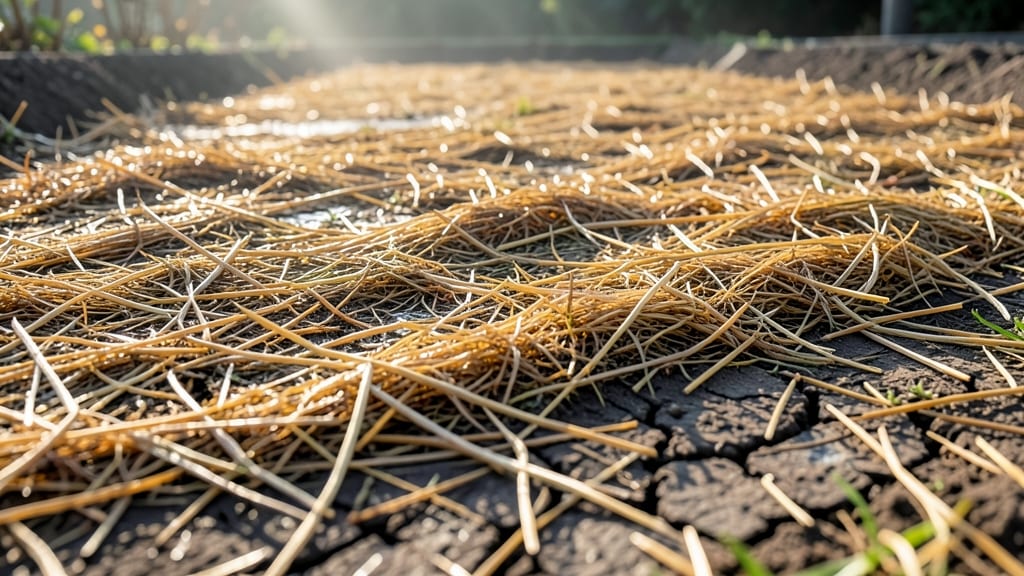
Tired of battling clay-heavy soil that freezes solid or dries out too quickly? Straw mulch is your secret weapon—a slow-decomposing, weed-suppressing blanket that keeps roots cozy year-round. Unlike synthetic covers, it breaks down gradually, enriching soil with organic matter while shielding tender plants from temperature swings.
Spread a 3-4 inch layer of straw (not hay) over moist soil to lock in moisture and smother weeds. It works especially well for perennials, root crops, and frost-sensitive vegetables like kale or Swiss chard. For extra insulation in winter, top with a 6-inch layer—just remember to pull it back slightly in spring to prevent overheating.
This is the ultimate budget-friendly solution for gardeners with heavy clay or freezing soils. Whether you're protecting a new planting or insulating overwintering crops, straw mulch delivers long-term benefits without the hassle of synthetic materials. 🌱
Burlap Sacks as Windbreaks and Frost Blankets
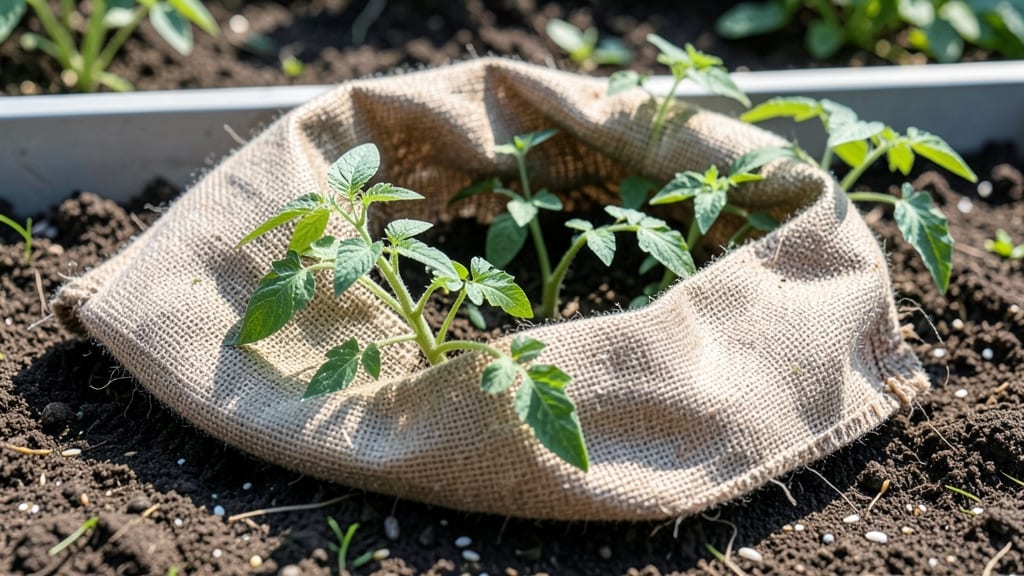
Tired of losing tender seedlings to sudden late-spring frosts or whipping winds? Repurposed burlap sacks offer a free, breathable shield that protects without suffocating your plants—unlike plastic covers that trap moisture.
Drape a burlap sack loosely over young transplants (like tomatoes or peppers) to block harsh winds while allowing airflow and sunlight. For frost protection, anchor the sack with bricks or stakes—its natural fibers insulate better than cardboard but won’t smother roots. Reuse them season after season, even for windbreaks along garden edges.
Perfect for urban gardeners with limited space or beginners who want a zero-cost, eco-friendly solution. Just remember to remove covers on warm days to prevent overheating. 💪
Geotextile Fabric for Weed Barriers
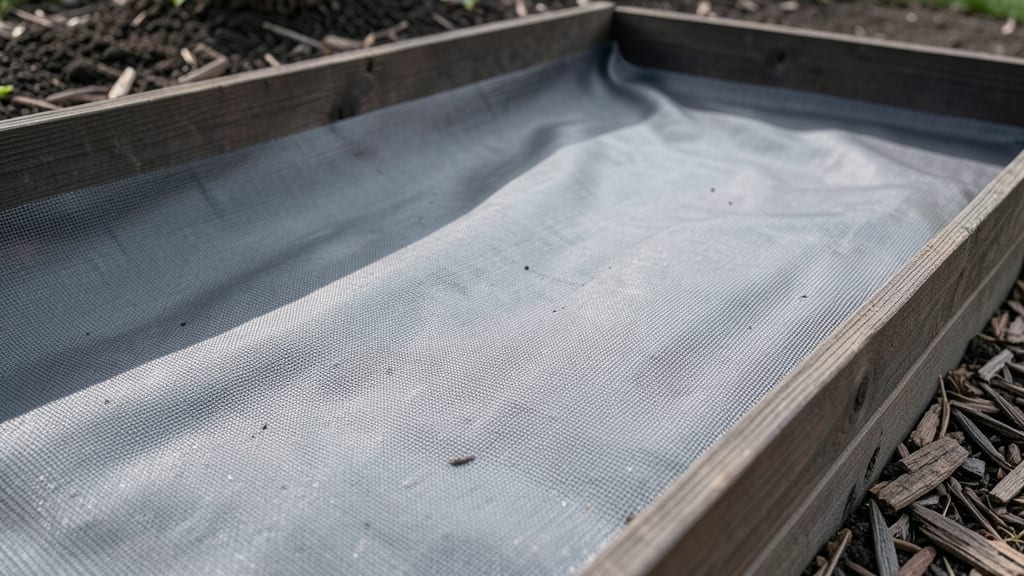
Tired of battling weeds in your raised beds every spring? Geotextile fabric offers a permanent, low-maintenance solution that lets water and air reach your roots while blocking weeds—perfect for cold climates where frozen soil makes traditional mulch ineffective.
This breathable, synthetic fabric allows moisture and oxygen to penetrate while creating a barrier that weeds can’t penetrate. Unlike plastic mulch, it won’t suffocate plants or trap heat—ideal for Zone 3-5 gardens where soil freezes deeply. Simply lay it over the bed before planting, and enjoy year-round weed suppression without disturbing your soil structure.
Gardeners with raised beds or those struggling with invasive weeds will love this hassle-free option. It’s especially valuable for perennial gardens or long-term planting areas where you want to avoid annual mulching. 💪
Hoop House with Clear Polycarbonate Panels
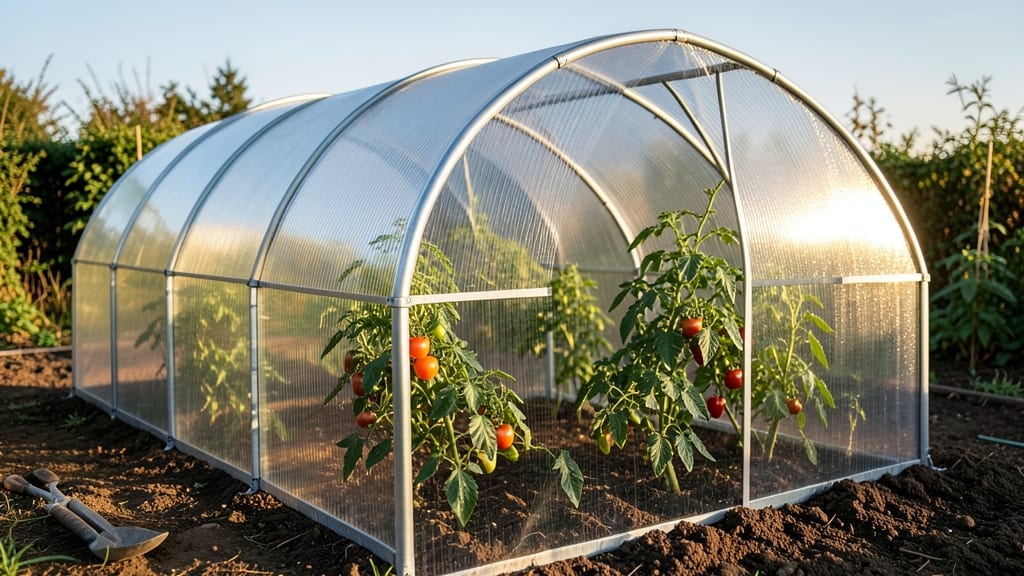
Tired of watching your tomato and pepper plants succumb to early frosts in Zone 4? A hoop house with clear polycarbonate panels can transform your garden into a frost-free oasis, extending your growing season by 4-6 weeks—without breaking the bank.
This DIY-friendly structure uses arching metal or PVC hoops covered with durable polycarbonate sheets, which let in 90% of sunlight while trapping heat. Unlike glass greenhouses, polycarbonate is shatterproof, lightweight, and won’t collapse under snow. For best results, plant heat-loving crops like tomatoes, peppers, and cucumbers in early spring or late fall, and remove the cover when temperatures stabilize.
Perfect for small-space gardeners or those with limited budgets, a hoop house gives you greenhouse benefits without the complexity. Plus, it’s reusable for years—ideal for anyone who wants to push their growing limits. 🌱
Pine Needles for Acid-Loving Plants
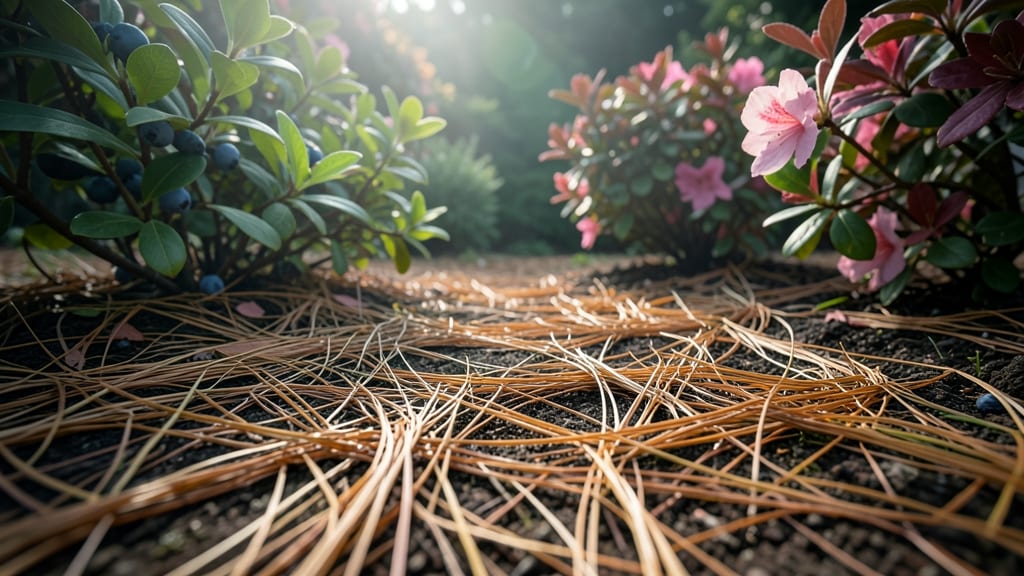
If you’re growing blueberries, azaleas, or rhododendrons in your garden, you already know these plants thrive in acidic soil—but maintaining the right pH can be tricky. A free, natural solution lies right under your feet: pine needles. This organic mulch slowly acidifies soil over time while suppressing weeds and retaining moisture, making it a dream cover for cold, acidic climates like the Pacific Northwest.
Spread a 3- to 4-inch layer of fresh or dried pine needles around your acid-loving plants in early spring or fall. Unlike wood chips, which can rob nitrogen from soil, pine needles break down slowly and release beneficial organic acids. They also create a cool, moist microclimate that protects roots from extreme temperature swings—critical for tender perennials in frost-prone zones. Plus, their natural decomposition adds humus over time, improving soil structure.
This is the perfect choice for gardeners who want a low-maintenance, sustainable way to support their acid-loving shrubs without synthetic amendments. Just avoid using needles from treated wood or chemically sprayed trees. 🌱
Cardboard Boxes for Overwintering Bulbs
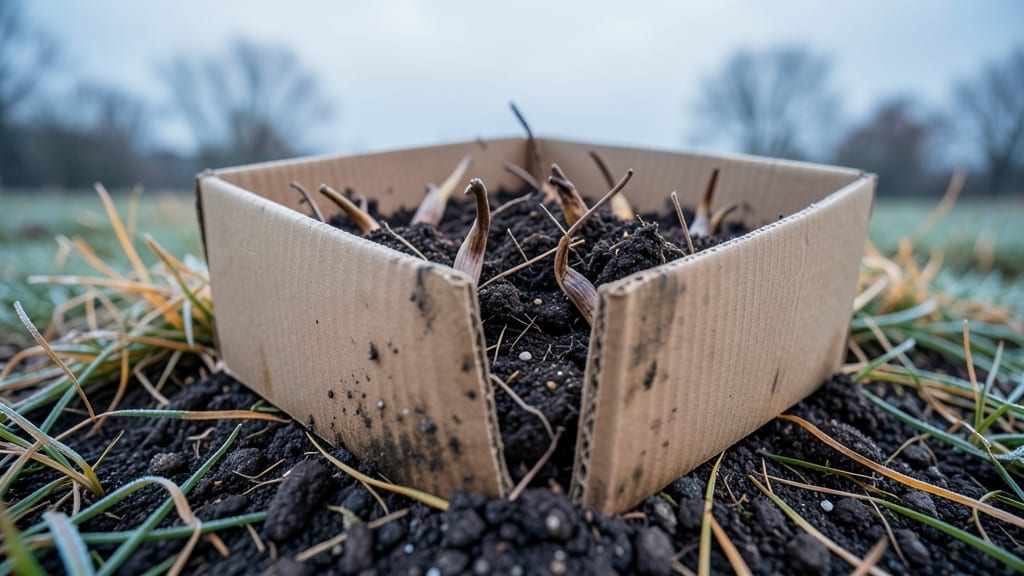
Tired of digging up tulips and daffodils every fall just to protect them from freezing soil? Cardboard boxes offer a zero-cost, zero-effort solution that lets you skip the backbreaking work while still safeguarding your bulbs.
Simply place boxes filled with soil over your dormant bulbs in late fall, leaving the tops exposed. The cardboard acts as an insulating blanket, preventing soil heaving and temperature fluctuations that can damage roots. By spring, the boxes will decompose naturally, leaving no trace—and your bulbs will emerge ready to bloom. This method works especially well in Zone 4-6 climates where winters are harsh but springs are reliable.
Perfect for beginners or gardeners short on time, this trick requires no special tools or materials. Just save those delivery boxes and give your spring blooms a fighting chance against winter’s worst. 🌱
Thermal Blankets with Reflective Coating
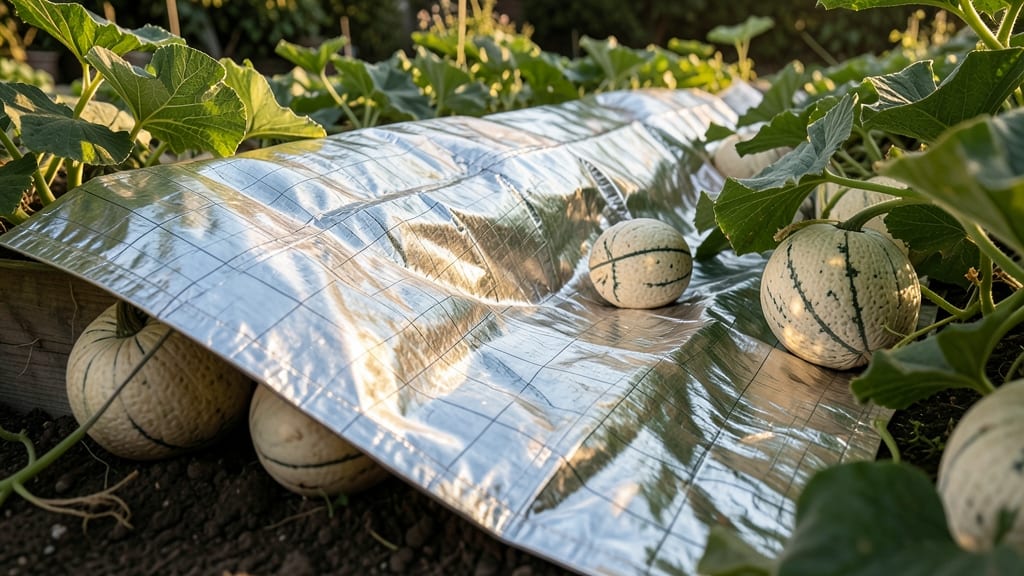
When your high-value crops like melons or squash need extra warmth but your growing season is fading, thermal blankets with reflective coating are the game-changer you didn’t know you needed. These high-tech covers don’t just insulate—they bounce sunlight back onto plants, creating a microclimate that can add weeks to your harvest window in late fall.
The reflective silver coating traps radiant heat during the day and radiates it back at night, keeping roots warm even when temperatures dip. For greenhouse extensions or cold frames, these blankets can raise soil temps by 10-15°F, protecting delicate crops from early frosts. Secure them with brass fasteners or weights to prevent wind damage, and remove them during sunny days to avoid overheating.
Ideal for serious gardeners with limited space or those extending seasons in Zone 5 and colder, these blankets pay for themselves with larger yields. 💡
Living Mulch with Clover or Creeper Plants

Tired of battling weeds and soil erosion in your cold-climate garden? Living mulch with clover or creeping thyme transforms these challenges into a low-maintenance, soil-enriching solution. Unlike traditional mulches, these perennial ground covers grow right where you need them, smothering weeds while their roots add valuable nitrogen to the soil.
For cold climates, opt for white Dutch clover (hardy to Zone 4) or creeping thyme (Zone 5), both of which thrive in full sun to partial shade. Plant them in early spring before your main crops, spacing them about 6–12 inches apart. They’ll establish quickly, reducing erosion from wind and water while improving soil structure over time. Perfect for gardeners who want a zero-waste, long-term fix that also supports pollinators.
This approach is especially valuable for organic gardeners or those with sloped beds, as it eliminates the need for synthetic fertilizers or frequent mulch replacements. Once established, these living mulches require minimal care—just occasional mowing or trimming to keep them in check. 💚