
Flowers
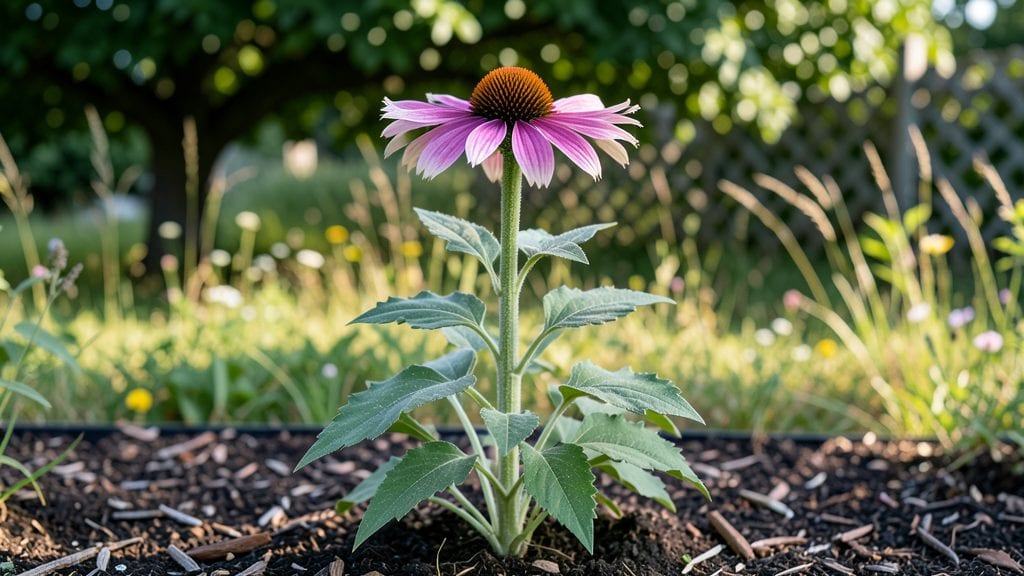
Purple coneflower (Echinacea purpurea) is classified as a perennial, meaning it returns year after year, but its lifespan depends heavily on growing conditions. 🌿 In cooler climates (USDA zones 3-9), it often lives 5+ years with strong roots and minimal stress.
However, some varieties—especially those in hotter regions—may act more like biennials, blooming heavily one year before fading. The key to extending its life lies in soil health and water management, as these factors directly impact root development and disease resistance.
What many gardeners don’t realize is that purple coneflower can also self-sow, creating new plants that behave like annuals in their first year. This natural propagation explains why some gardens see "new" coneflowers appearing annually even when the parent plant is perennial.
Proper deadheading after blooming encourages both longevity and seed production, giving you the best of both worlds: established perennials and fresh seedlings.
💡 In This Article
- Climate Zones Where Purple Coneflower Stays Perennial
- Tips to Extend Purple Coneflower’s Lifespan in Gardens
Climate zones where purple coneflower stays perennial
Echinacea purpurea thrives as a perennial because its deep taproot system stores nutrients and moisture, allowing it to survive harsh winters and dry summers. This hardy plant has evolved to dominate USDA zones 3 through 9, where winter temperatures can drop to -40°F without killing the root system. The key lies in its dormancy strategy—when temperatures fall below 40°F, the plant enters a state of suspended growth, conserving energy until spring.
The plant's cold hardiness is remarkable when you compare it to other garden perennials. For example, while lavender (zone 5-9) struggles below 15°F, purple coneflower's roots remain viable even at -20°F in zone 3.
This resilience comes from its native range across eastern North America, where it adapted to continental climate extremes. In zone 9, however, the challenge shifts to heat tolerance—prolonged temperatures above 95°F can stress the plant, sometimes causing it to act more like a biennial.
What most gardeners don't realize is how soil temperature affects winter survival. The roots need frozen ground to protect them—when soil stays too moist during winter, it creates insulation that can actually harm the plant.
In colder zones (3-5), a layer of snow provides perfect protection, while in warmer zones (7-9), mulching with 2-3 inches of organic material prevents temperature fluctuations that could damage emerging shoots in early spring.
The plant's lifespan also varies by region due to different stress factors. In northern climates, purple coneflower often lives 7-10 years with minimal care, while in southern climates, it may only persist 3-5 years without division.
This difference occurs because southern plants experience more intense summer heat and humidity, which promotes fungal diseases like powdery mildew that weaken the root system over time.
Interestingly, the plant's flowering cycle also adapts to climate. In cooler zones, it typically blooms from mid-summer to early fall, while in warmer zones, it may start blooming as early as late spring.
This adaptation ensures the plant can complete its reproductive cycle before winter dormancy begins, which is crucial for its perennial nature. The longer bloom season in cooler climates also means more energy is stored in the roots for winter survival.
For gardeners in marginal zones (4 or 10), the secret to perennial success lies in site selection. Planting in locations with afternoon shade and well-draining soil can push the plant's limits by reducing heat stress.
In zone 4, for example, I've seen coneflowers thrive when protected from late-season winds, while in zone 10, they do best when given afternoon shade from taller plants.