
Flowers
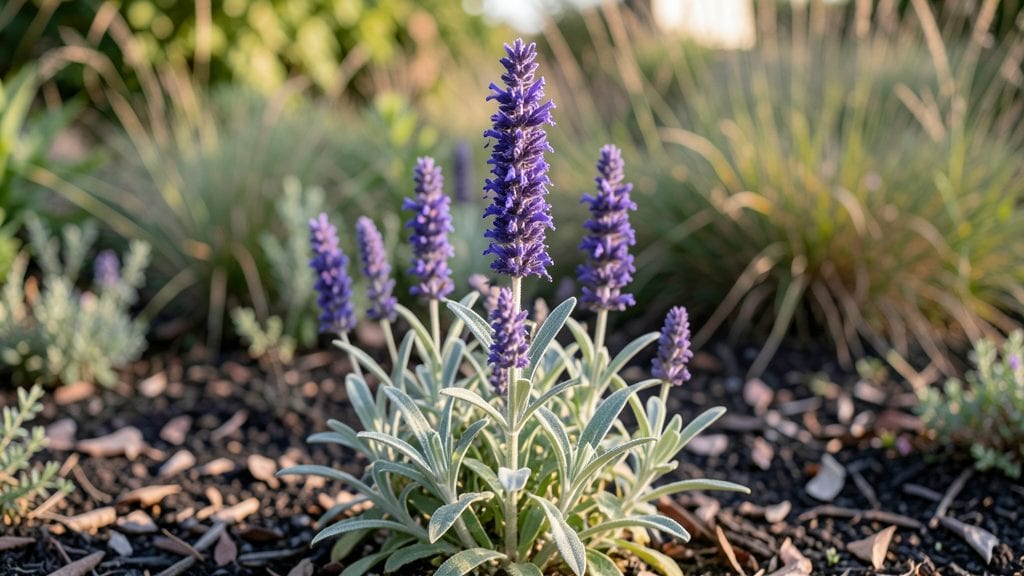
These plants earn their name because they establish deep root systems early, allowing them to withstand drought, poor soil, and seasonal extremes once mature. 🌱 Unlike annuals that die back yearly or perennials that may decline after 5-10 years, post perennials continue thriving for generations.
Think of them as the "grandparents" of the garden world—they age gracefully while requiring almost no attention beyond occasional pruning.
What makes them truly special is their ability to self-sustain through harsh conditions. Many post perennials like yucca or Russian sage enter dormancy during droughts, then rebound when moisture returns—something annuals simply can't do.
This resilience translates directly to your garden's long-term health, reducing replanting costs and water needs over time.
💡 In This Article
- How Post Perennial Plants Defy Conventional Lifespans
- Best Post Perennial Plants for Low-Maintenance Gardens
How post perennial plants defy conventional lifespans
The secret to their extraordinary longevity lies in their deep taproot systems, which can extend 10-20 feet underground. Unlike annuals that develop shallow roots or perennials with modest root depth, post perennials establish these massive root networks within their first 2-3 years.
This allows them to access water and nutrients from deep soil layers, making them far more drought-resistant than most garden plants. 🌱
Their ability to survive extreme conditions comes from a combination of seasonal dormancy and adaptive growth cycles. During droughts or cold snaps, these plants enter a semi-dormant state where metabolic activity slows dramatically, conserving energy.
For example, yucca plants can survive 90+°F temperatures with minimal water, while Russian sage thrives in -30°F winters. This dormancy isn't just survival—it's an active strategy that resets their growth cycles annually, preventing the wear-and-tear that plagues shorter-lived perennials.
Biologically, post perennials exhibit clonal propagation, where new growth emerges from established roots rather than seeds. This means they can spread horizontally while maintaining genetic consistency, creating dense colonies that outcompete weeds naturally.
Unlike annuals that must regrow from seed each year or perennials that decline after 5-10 years, these plants continue expanding their root systems indefinitely, effectively "aging backward" in terms of vigor.
Consider agave plants as a prime example—they can live for 20-30 years while producing new shoots from their base, ensuring continuous growth. Their leaves store water like succulents, while their roots tap into underground moisture reserves.
This dual strategy explains why they thrive in USDA zones 7-11 with almost no supplemental care, unlike traditional perennials that may require annual division or fertilization to maintain health.
Their resilience extends to soil quality too. Post perennials often improve their own growing conditions over time—yucca breaks up compacted soil with its roots, while Russian sage attracts beneficial microbes that enhance nutrient availability.
This self-sustaining cycle creates what gardeners call a "feedback loop of health," where the plant and its environment mutually reinforce each other's vitality over decades.
What most gardeners overlook is their phenological plasticity—the ability to adjust growth patterns based on environmental cues. A post perennial might delay flowering during drought years or produce more seeds in wet seasons, ensuring survival regardless of short-term conditions.
This flexibility is what allows them to persist where annuals would fail completely and traditional perennials would gradually decline. 💫