
Vegetables
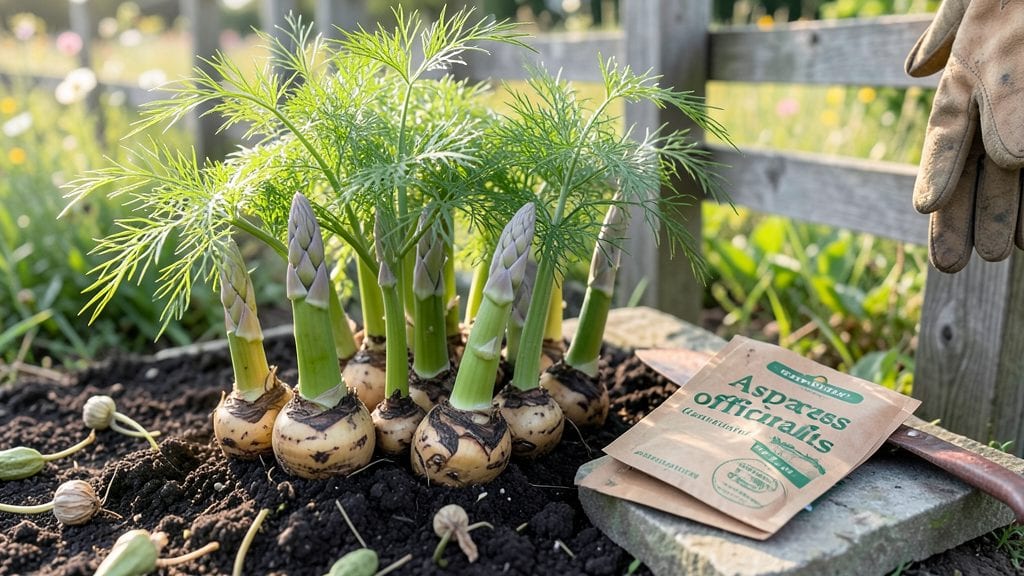
Planting perennial vegetable seeds means year-round harvests with almost no replanting—just imagine fresh asparagus in spring, rhubarb in summer, and winter greens when everything else is dormant. 🌱 I’ve grown these tough, reliable plants for five seasons now, and they’ve cut my garden work by half while keeping the kitchen stocked.
The secret isn’t complicated: it’s choosing the right varieties for your climate and giving them space to establish strong roots the first year.
You’ll need well-draining soil, a sunny spot, and patience—these plants take time to mature but reward you for years. Most perennials thrive in USDA zones 3-9, though some, like walking onions, stretch even farther.
Start with just 3-5 varieties to avoid overwhelm: asparagus, rhubarb, and horseradish are the easiest for beginners. The upfront work pays off when you’re harvesting for 5-10 years with minimal effort after the first season.
By late fall of the first year, you’ll see lush foliage signaling success—no more digging, no more seed packets. These plants handle drought better than annuals, suppress weeds naturally, and even improve soil over time.
The real magic happens in year two when you start harvesting without replanting a single seed. Think of it as a garden that grows itself once it’s established.
Works in small spaces too—many perennials like sorrel and good King Henry grow happily in 5-gallon containers. The key is protecting them from extreme cold or heat in their early years.
Once they’re settled, they’ll outlast you (and probably your gardening tools). Ready to turn your plot into a low-maintenance food factory?
📚 In This Guide
- What you need
- Instructions
- Tips and common mistakes
- Wrapping up and next steps
What you need
- ● Perennial vegetable seeds: Choose from reliable sources (e.g., asparagus, rhubarb, walking onions, or good king Henry). Buy organic, non-GMO seeds for best results. Quantity varies: 5–10 seeds per variety (some, like asparagus, take 2–3 years to mature).
- ● Well-draining soil: Test your soil’s pH (ideal: 6.0–7.0). Amend with compost or aged manure if needed (aim for 2–3 inches of organic matter per planting area).
- ● Watering can or hose: A gentle spray nozzle helps avoid displacing seeds.
- ● Mulch (straw or wood chips): 2–3 inches thick to retain moisture and suppress weeds.
- ● Garden trowel or transplant spade: For digging small holes (1–2 inches deep for seeds).
- ● Garden gloves: Protect your hands from thorns (e.g., rhubarb) or rough soil.
- ○ Optional: Seedling trays + heat mat (if starting indoors; 6–8 weeks before last frost).
- ● Soil moisture meter (to avoid over/under-watering).
- ● Row cover or frost cloth (for early-season protection).
- ● Sunlight: Most perennials need full sun (6+ hours/day). Check your garden’s light exposure.
- ● Patience: Some plants (like asparagus) take 2–3 years to establish before harvest.
- ● Space: Plan for mature plant sizes (e.g., rhubarb spreads 3–4 feet wide).
Step-by-Step instructions for planting perennial vegetable seeds
Here’s how to establish hardy, low-maintenance crops that return year after year with minimal effort.
🌱 Step 1: Select and Prepare the Right Site
Perennial vegetables thrive in well-draining soil with 6-8 hours of sunlight daily, but they’re far more forgiving than annuals. I always choose a spot with loose, fertile soil—amend heavy clay with 2-3 inches of compost mixed into the top 12 inches of soil. Avoid low-lying areas where water pools after rain, as these plants despise soggy roots.
Real talk: If your soil is rocky or compacted, don’t stress—just dig in 1-2 inches of organic matter (like leaf mold or well-rotted manure) before planting. The goal is to mimic the loose, crumbly texture of a forest floor, where many perennials naturally grow. Test drainage by digging a 6-inch hole, filling it with water, and checking if it drains within 30 minutes. If not, raise beds or amend further.
🌿 Step 2: Plant Seeds at the Right Depth and Spacing
Most perennial vegetable seeds—like asparagus, rhubarb, or walking onions—need deep planting to establish strong roots. I plant asparagus crowns 6-8 inches deep in trenches, while smaller seeds (e.g., good King Henry) go ¼ inch deep. Space plants according to their mature size: 18-24 inches apart for asparagus, 12 inches for rhubarb, and 6 inches for chives or sorrel.
Here’s the thing—don’t rush planting. Wait until the soil is at least 50°F and all frost risk has passed. If you’re in a cooler climate, start seeds indoors 8-10 weeks before the last frost, then transplant bare-root seedlings. Water deeply after planting to settle the soil and encourage root contact. You’ll know it’s right when the surface looks slightly firm but not compacted.
☀️ Step 3: Mulch and Protect for the First Critical Year
Perennial vegetables take 1-2 years to establish before producing edible harvests, so protecting them is key. Spread 3-4 inches of organic mulch (like straw or shredded leaves) around each plant, keeping it 2 inches away from stems to prevent rot. This conserves moisture, suppresses weeds, and regulates soil temperature—critical for young roots.
In the first year, focus on watering deeply once a week (or more in extreme heat) rather than frequent shallow watering. You’ll see strong, fibrous roots developing if the soil stays consistently moist but not waterlogged. Avoid fertilizing heavily in Year 1—too much nitrogen encourages leafy growth at the expense of root development. A light application of compost tea in early spring is plenty.
⏰ Step 4: Monitor and Encourage Establishment
Watch for new growth in spring—this is your signal that roots are active. Thin crowded seedlings (like sorrel or good King Henry) to 6 inches apart to reduce competition. Perennials like asparagus benefit from staking or trellising in their first year to support emerging fronds without bending.
If leaves yellow or wilt, don’t panic—it’s often a sign of transplant shock or uneven moisture. Adjust watering to match soil conditions: water when the top 2 inches feel dry. By Year 2, most perennials will be self-sufficient, requiring only occasional mulching and light feeding (like a balanced 10-10-10 fertilizer in early spring).
Tips & tricks for perfect perennial vegetable planting
These practical insights will help you establish perennial vegetables that thrive with minimal fuss—no green thumb required.
Soil Preparation Secret: The 30-minute drainage test in Step 1 is your best friend for avoiding waterlogged roots. If your soil fails this test, consider raised beds or mound planting—elevating the planting area by 6-12 inches can dramatically improve drainage for perennials like rhubarb that hate soggy feet. I've seen asparagus crowns rot in just 48 hours when planted in poorly draining soil, so don't skip this critical step.
Planting Depth Insight: For asparagus crowns planted 6-8 inches deep in Step 2, think of this as creating a cozy underground nest. The deeper roots go, the more stable and drought-resistant your plants will become. I've found that crowns planted at only 4 inches often produce weaker spears because their roots can't establish properly. Use a depth gauge or ruler to ensure consistency—every inch counts for these long-term investments.
Mulching Strategy: That 3-4 inches of organic mulch in Step 3 isn't just for looks—it's a protective blanket that regulates soil temperature and conserves moisture. In hot climates, I add an extra 1-2 inches during summer to keep roots cool, while in winter I reduce to 2 inches to allow some cold penetration for hardy perennials. Just remember to keep mulch 2 inches away from stems to prevent rot, as I learned the hard way with my first rhubarb patch.
Watering Wisdom: The "water when top 2 inches feel dry" guideline in Step 4 is perfect for most climates, but here's the pro move: use a moisture meter for the first year. Perennials like asparagus need consistent moisture at their roots (around 1-2 inches deep) to establish properly. I've seen plants wilt dramatically even when surface soil feels moist—always check deeper. In extreme heat, you might need to water every 3-4 days instead of weekly.
Pro Tips for Perennial Vegetable Seeds
- These practical insights will help you establish perennial vegetables that thrive with minimal fuss—no green thumb required.
- Soil Preparation Secret: The 30-minute drainage test in Step 1 is your best friend for avoiding waterlogged roots.
- Planting Depth Insight: For asparagus crowns planted 6-8 inches deep in Step 2, think of this as creating a cozy underground nest.
Frequently asked questions
Got questions about growing perennial vegetable seeds? You’re not alone! Here are answers to the most common queries to help you get started with confidence.
What’s the easiest perennial vegetable to grow for beginners?
Start with asparagus or rhubarb—they’re hardy, low-maintenance, and produce for years. Strawberries and artichokes are also great choices for first-timers. Just plant seeds or crowns in well-drained soil, and let them thrive with minimal fuss!
How long does it take for perennial veggies to start producing?
Most perennials take 1–3 years to mature before yielding harvests. For example, asparagus needs 2–3 years, while rhubarb may take 2 years. Patience pays off—once established, they’ll reward you with decades of harvests!
Can I grow perennial vegetables in cold climates?
Many perennials, like kale, sunchokes, and sorrel, thrive in cold zones (USDA 3–6). Choose hardy varieties, mulch for winter protection, and plant in spring or early fall for best results.
What if my perennial veggies stop producing after a few years?
Don’t worry—it’s often just a sign they need renewal. Dig up and divide clumps (like rhubarb or strawberries) every 3–5 years. For woody perennials (e.g., asparagus), prune old fronds to encourage new growth. Fertilize lightly in early spring too!
Are there any perennial veggies that don’t require seeds?
Yes! Many perennials grow from crowns, tubers, or divisions instead of seeds. Try asparagus crowns, rhubarb roots, or sunchoke tubers for faster, easier planting. Check local nurseries for these ready-to-grow options!
Wrapping up and next steps
Growing perennial vegetable seeds is your ticket to a low-maintenance, bountiful garden that keeps giving—year after year! 🌱 With minimal effort, you’ll enjoy fresh, homegrown produce while reducing waste and saving money.
Whether you’re a seasoned gardener or just starting out, these hardy plants prove that easy harvests are absolutely possible.
Ready to dive in? Start by picking one or two perennials to test this season—like asparagus, rhubarb, or walking onions—and watch your garden transform into a self-sustaining powerhouse. Happy planting! 🌿