
Shrubs
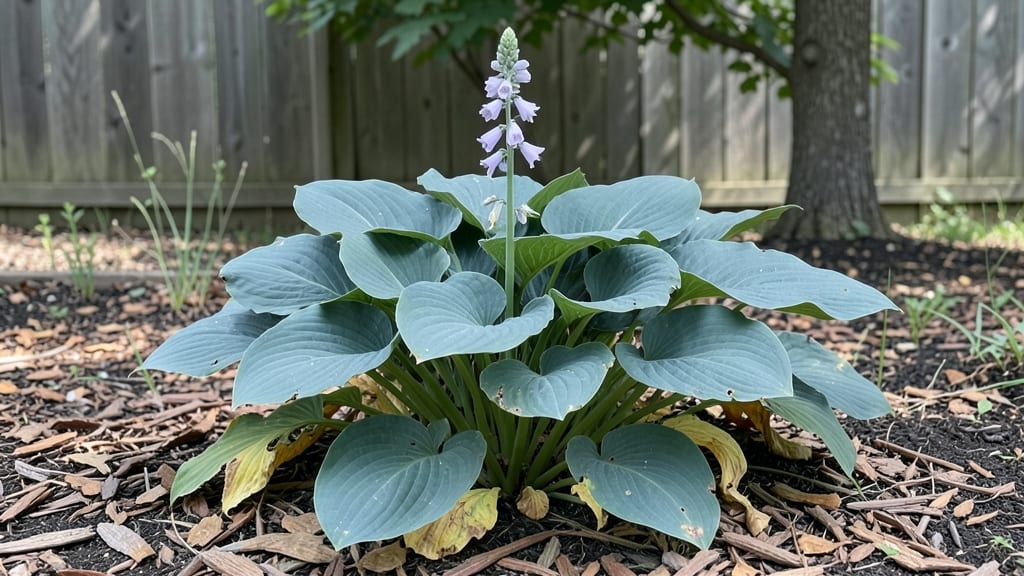
My shady garden finally got the hearty perennial shrubs for shade it needed after years of struggling with flimsy annuals that wilted by August.
These tough plants thrive where others fail, offering lush foliage and structure that never skips a season—no matter how deep the shade or how little fuss you want to put in. The right choices turn gloomy corners into vibrant, low-maintenance backdrops that outperform anything from a nursery flat.
What makes these shrubs special? They handle 6+ hours of shade daily, tolerate poor soil, and bounce back from deer nibbles or winter neglect. Think inkberry holly for glossy leaves, spirea for cascading blooms, or boxwood for that classic, manicured look—all without the high-maintenance reputation.
Most need just one trim per year and water only when the soil feels bone-dry. I’ve designed entire garden borders with them, and the only regret is not planting more sooner.
By the end of summer, you’ll have a shade garden that feels alive year-round—velvety foliage in spring, delicate flowers in summer, and sturdy structure in winter. These shrubs play well with ferns, hostas, and even spring bulbs, creating layers that look intentional (even if you’re just starting).
The best part? They grow slowly, so you won’t spend years waiting for impact. Let’s pick the perfect mix for your space.
Works for woodland gardens, foundation plantings, or even tight urban courtyards where sunlight is scarce. The key is matching leaf textures and heights to create depth without overcrowding. Here’s how to choose the right combo for your shade level and style.
📚 In This Guide
- What you need
- Instructions
- Tips and common mistakes
- Wrapping up and next steps
What you need
- ● Perennial shrubs: Choose 3–5 shade-tolerant varieties (e.g., Hydrangea, Azalea, Boxwood, or Pieris japonica). Plan for 1–3 plants per square foot, depending on mature size.
- ● High-quality potting soil: 2–3 bags (1–2 cubic feet each) of moisture-retentive, well-draining mix (e.g., 60% topsoil, 30% compost, 10% perlite).
- ● Mulch: 2–3 bags of organic mulch (e.g., shredded bark or pine needles) to retain moisture and suppress weeds.
- ● Slow-release fertilizer: 1 bag of balanced, organic fertilizer (10-10-10 or similar) for planting.
- ● Garden trowel or spade (for digging holes).
- ● Garden gloves (to protect your hands).
- ● Watering can or hose with a gentle spray nozzle (for post-planting hydration).
- ● Measuring tape or ruler (to ensure proper spacing).
- ○ Optional: Pruners (for shaping after planting) and a wheelbarrow (for hauling soil/mulch).
- ● Sunlight assessment: Confirm your area gets (partial to full shade).
- ○ Soil test (optional but helpful): Check pH (ideal: 5.0–6.5 for most shade perennials).
- ● Water source nearby: Ensure easy access for deep watering 1–2x/week after planting.
How to plant and maintain hardy perennial shrubs in shade
Here’s the straightforward approach I’ve used to keep shade gardens lush and low-maintenance for years.
Choose the Right Shrubs for Your Shade Level
Not all shade is equal—some spots get dappled light while others remain deep shade all day. For full shade (less than 3 hours of sun), go for inkberry holly, Japanese pieris, or hydrangeas. In partial shade (3-6 hours of sun), azaleas, rhododendrons, or fothergilla thrive. I always check the mature height of each shrub to avoid overcrowding—most need 3-6 feet of space between them.
Dig a hole twice as wide as the root ball but only as deep as the container’s base. This prevents burying the trunk too deeply, which can suffocate the plant. Loosen the roots if they’re circling in the pot—gently tease them apart with your fingers. Here’s the thing—never amend the planting hole with compost or fertilizer. The surrounding soil is what matters most for long-term health.
Prepare the Soil and Plant Correctly
Before planting, mix 2-3 inches of compost into the top 6 inches of native soil within the planting area. This improves drainage and adds nutrients without overwhelming the roots. I like to work the compost in with a garden fork, breaking up any compacted layers. If your soil is clay-heavy, add 10% perlite to improve aeration—just don’t overdo it, or the roots will dry out too fast.
Place the shrub in the hole so the top of the root ball sits level with the surrounding soil. Fill the hole halfway with soil, then water deeply to settle it. This prevents air pockets that could strangle roots. Once the water drains, finish filling the hole and press the soil gently around the base. Don’t tamp it down hard—you want the soil to stay loose for root expansion.
Water and Mulch for Long-Term Success
After planting, water deeply once a week for the first month, then taper to every 10-14 days once established—unless your area gets no rain for 2 weeks. Shade-loving shrubs need consistent moisture but hate soggy roots. I always check moisture by sticking my finger 2 inches into the soil—if it’s dry, it’s time to water. Overwatering in shade is a common mistake that leads to root rot.
Spread 3 inches of mulch (like shredded bark or pine needles) around the base, keeping it 3 inches away from the trunk. Mulch conserves moisture, regulates soil temperature, and suppresses weeds. Replenish it annually—it breaks down faster than you’d think. Here’s a pro tip: never pile mulch against the stem. That’s how pests and disease take hold.
Prune and Fertilize for Healthy Growth
Most shade shrubs need minimal pruning—just remove dead or crossing branches in early spring. If you’re shaping, prune after flowering to avoid cutting off next year’s blooms. I use clean, sharp bypass pruners and make cuts at a 45-degree angle just above a leaf node. This encourages new growth and keeps the plant looking tidy without stressing it.
Fertilize once a year in early spring with a balanced, slow-release fertilizer (like 10-10-10). Too much nitrogen makes shade plants grow weakly and flop over. I scatter the granules 6 inches from the base and water them in. If your shrubs look pale or leggy, they might need a soil test—sometimes shade plants just need better-draining soil rather than more food.
Monitor and Adjust Over Time
Watch for yellowing leaves, which often signal overwatering or poor drainage. If the soil stays wet for more than 48 hours after rain, amend it with sand or compost to improve aeration. Brown edges on leaves usually mean too much sun—move the plant if it’s creeping into a sunnier spot. Shade gardens are forgiving, but even hardy plants need the right conditions to thrive.
Every 3-5 years, check the soil pH—many shade shrubs prefer slightly acidic soil (pH 5.0-6.5). If yours is too alkaline, add sulfur or peat moss to lower the pH gradually. I test mine in early spring before new growth starts. A little extra care now means decades of trouble-free greenery—that’s the beauty of perennials.
Tips & tricks for perfectly hardy perennial shrubs in shade
These practical insights will help you avoid common pitfalls and create a thriving shade garden that requires minimal upkeep once established.
Shade Level Matters: Pay close attention to the 3-6 hour sunlight distinction when selecting shrubs. I’ve learned the hard way that placing a full-shade plant like inkberry holly in partial shade leads to leggy growth and fewer berries. Always observe your garden throughout the day—morning sun behaves differently than afternoon sun, and this affects plant placement. For example, fothergilla thrives in partial shade with morning sun but may struggle if exposed to intense afternoon rays.
Root Health is Non-Negotiable: When loosening circling roots in Step 1, don’t just pull them apart—gently tease them with your fingers to avoid damaging the delicate root tips. I’ve seen many gardeners rush this step and end up with broken roots that take months to recover. Also remember that the 2-3 inches of compost should be worked into the surrounding soil, not just the planting hole. This creates a nutrient-rich zone that encourages root expansion beyond the original root ball.
Watering Wisdom: The first month’s weekly deep watering is crucial, but timing matters just as much as quantity. Water in the morning so plants have all day to absorb moisture before evening. I’ve noticed that watering in the evening can lead to fungal issues, especially in humid climates. And when checking soil moisture with your finger, aim for the 2-inch depth mentioned—this gives you a true reading of what the roots are experiencing rather than just surface moisture.
Mulch Maintenance: That 3-inch layer of mulch does more than just suppress weeds—it creates a microclimate that protects roots from temperature swings. I’ve found that pine needles work particularly well in acidic soil conditions, which many shade-loving shrubs prefer. The key is replenishing annually, but don’t overdo it. Too much mulch can smother roots and create anaerobic conditions that prevent proper oxygen flow to the roots.
Pro Tips for Hearty Perennials Shade
- These practical insights will help you avoid common pitfalls and create a thriving shade garden that requires minimal upkeep once established.
- Shade Level Matters: Pay close attention to the 3-6 hour sunlight distinction when selecting shrubs.
- Root Health is Non-Negotiable: When loosening circling roots in Step 1, don’t just pull them apart—gently tease them with your fingers to avoid damaging the delicate root tips.
Frequently asked questions
Got questions about thriving perennials in shady spots?
You’re not alone! Here are answers to the most common concerns—so you can enjoy lush, low-maintenance greenery all year long.
What are the easiest perennials for deep shade that still thrive year-round?
Look for Hosta, Heuchera (coral bells), Astilbe, and Lungwort (Pulmonaria). These toughies handle less than 3 hours of sunlight daily and bounce back after cold snaps. For extra drama, try Japanese Painted Fern—it’s drought-tolerant once established!
How long does it take for shade-loving perennials to fill out?
Most perennials take 1–2 years to reach their full potential, but some like Hosta or Foxtail Fern may show noticeable growth in 6–12 months. Patience pays off—divide clumps every 3–4 years to keep them vigorous! Pro tip: Mulch annually to speed up root development.
Why are my shade perennials turning yellow or leggy?
Yellowing leaves often signal too much moisture (check drainage!) or nutrient deficiencies (feed with slow-release fertilizer in spring). Leggy growth? Your plants crave more light—try moving them to a partial shade spot (3–6 hours of sun). Overcrowding can also stress roots, so thin out clumps if needed.
Can I plant shade perennials in winter?
Yes! Winter planting works well in mild climates (Zones 7–10), but avoid freezing ground in colder areas. Choose bare-root plants and water thoroughly after planting. Spring (March–May) is ideal for most regions—just ensure soil isn’t waterlogged. Hot tip: Add compost to winter plantings for a nutrient boost.
What’s a great alternative if my yard has very wet shade?
Opt for Swamp Milkweed (Asclepias incarnata), Sweet Woodruff, or Marsh Marigold—they thrive in soggy soil and attract pollinators. For ground cover, Creeping Jenny or Alum Root (Heuchera) handle moisture like pros. Drainage issues? Raise beds with organic matter to improve airflow!
Wrapping up and next steps
Transforming your shady spots into lush, low-maintenance gardens is easier than you think! Hearty perennial shrubs like Hellebores, Pieris, and Daphne bring year-round color and texture with minimal effort—perfect for busy gardeners or beginners.
Their resilience and adaptability mean you’ll enjoy vibrant greenery (and blooms!) without the fuss of seasonal replanting.
Ready to elevate your space? Start small: Pick one or two shrubs that match your shade level and soil, then expand as you gain confidence. Happy gardening—your future self (and your plants!) will thank you! 🌿✨