
Tools
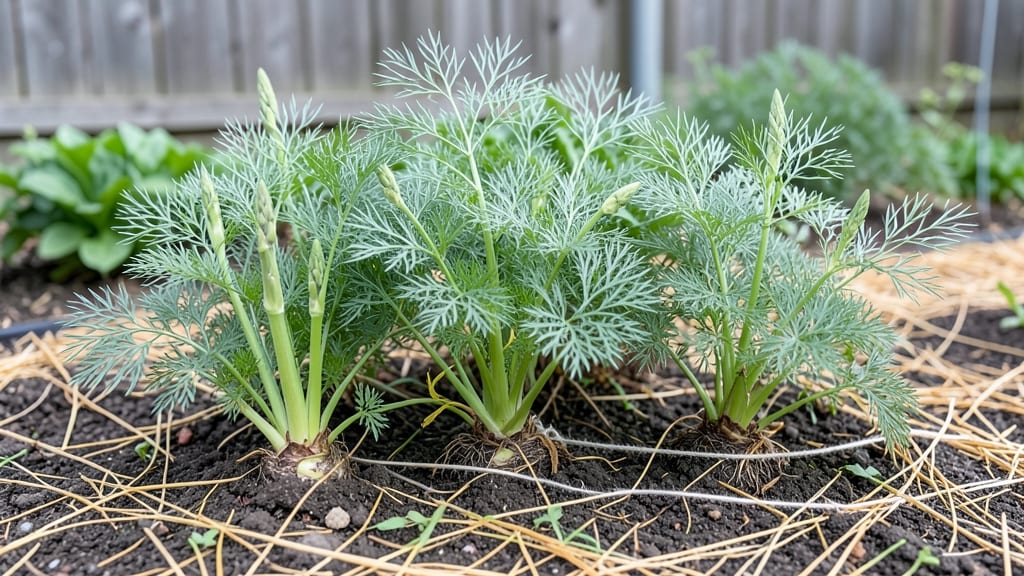
My first perennial vegetable garden changed everything—no more annual replanting, no more weeding the same spots every spring, just years of harvests with almost no extra work. 🌱 The secret isn't complicated: it's about choosing the right plants, arranging them so they support each other, and giving them space to thrive without annual disruption.
Most people think perennials take too long to establish, but the truth is they pay you back for years. Asparagus crowns take 2-3 years to peak, but then they produce for 15+ years. Rhubarb comes back stronger each spring, and artichokes get better with age.
The layout itself is simple: group plants by their needs—sun-loving types together, moisture-loving types near irrigation, and tall plants on the edges to avoid shading.
By summer, you'll be harvesting asparagus spears in May, rhubarb stalks through June, and artichokes from July onward—all while the beds stay tidy and the soil improves. The best part?
Once established, these plants need far less water and fertilizer than annuals, and they outcompete weeds naturally. This is gardening that actually gets easier over time.
Whether you have a small corner or a full sunbed, the principles stay the same. We'll cover the exact plant combinations that work together, how to space them for maximum yield, and the seasonal tweaks that keep everything thriving. No fuss, just reliable harvests year after year.
📚 In This Guide
- What you need
- Instructions
- Tips and common mistakes
- Wrapping up and next steps
What you need
- ● Garden Space: Sunlight: 6–8 hours/day (full sun is ideal for most perennials).
- ● Soil: Well-draining, fertile loam (amend with compost if needed). Test pH (aim for 6.0–7.0).
- ● Space: Minimum 4’x4’ plot (expand as desired—perennials thrive in dedicated beds!).
- ● Soil Amendments: Compost (2–3 inches mixed into top 12” of soil).
- ● Organic matter (e.g., leaf mold, aged manure, or coconut coir).
- ● Mulch (3–4” of straw, wood chips, or leaves to retain moisture).
- ● Perennial Plants: Start with 3–5 varieties (e.g., asparagus, rhubarb, artichokes, good King Henry, or walking onions). Check hardiness zones!
- ● Crowns/roots (purchased from nurseries or online—avoid bare-root if possible).
- ● Basic Tools: Garden fork (for aerating soil).
- ● Hand trowel (for precise planting).
- ● Pruners (sharp, for trimming).
- ● Watering can or hose with adjustable nozzle (gentle watering = happy perennials!).
- ● Measuring tape (to space plants 2–4’ apart, depending on variety).
- ● Drip irrigation system (automates watering—perennials love consistency!).
- ● Raised beds (if soil quality is poor or drainage is an issue).
- ● Garden journal (track planting dates, harvests, and notes for next year!).
- ● Fertilizer (low-nitrogen, organic options like fish emulsion or compost tea).
- ● Row covers or shade cloth (protect young plants from pests or harsh sun).
- ● Decorative edging (stone, bricks, or logs to define your garden beds).
How to design a low-maintenance perennial vegetable garden
Here's how to create a self-sustaining edible landscape that thrives with minimal seasonal work.
🌱 Step 1: Select Complementary Perennial Vegetables
Start with 4-5 hardy perennial vegetables that share similar growing conditions. Asparagus, rhubarb, and walking onions thrive in cooler climates, while artichokes and sunchokes prefer Mediterranean warmth. I group plants by sunlight needs—full sun lovers like asparagus together, partial shade tolerators like rhubarb nearby.
Check each plant's mature size to avoid overcrowding. Asparagus crowns need 18 inches apart in rows 3 feet apart, while rhubarb tolerates 2 feet spacing. Mixing root crops with leafy perennials creates natural pest barriers—carrots deter onion flies, while chives repel aphids from your rhubarb.
🪴 Step 2: Prepare Soil for Long-Term Productivity
Test your soil's pH and amend before planting. Perennial vegetables need 6.0-7.0 pH and rich organic matter. I dig in 3 inches of compost and 1 cup of bone meal per planting hole for phosphorus, which supports root development. For heavy clay soils, blend in 20% perlite to improve drainage.
Work the amendments into the top 12 inches of soil. Perennial roots grow deep, so deep soil preparation prevents future nutrient deficiencies. Water the amended soil until it's evenly moist to 12 inches deep—this helps roots establish quickly.
☀️ Step 3: Plant in Permanent Beds with Strategic Spacing
Layout beds along the garden's natural contours to maximize water efficiency. I use 4-foot-wide beds with 2-foot pathways for easy access. Plant taller perennials like artichokes on the north side to avoid shading shorter crops. Mark planting locations with stakes to maintain proper spacing.
Dig holes twice as wide as the root ball but no deeper. Place each plant so the crown sits 1 inch above soil level—this prevents rot. Backfill with native soil, tamp gently, and water deeply to eliminate air pockets. Mulch with 3 inches of straw to retain moisture and suppress weeds.
💧 Step 4: Establish Watering and Maintenance Routines
Water deeply 2-3 times per week during the first growing season to encourage deep root growth. Use drip irrigation or soaker hoses to deliver water at the soil level. I set timers for 30 minutes every morning to maintain consistent moisture without waste.
Fertilize lightly in early spring with ½ cup of 5-10-10 fertilizer per plant. Perennial vegetables build soil fertility over time—avoid heavy feeding, which leads to excessive foliage at the expense of harvestable parts. Prune dead foliage in late fall to reduce disease overwintering but leave established plants undisturbed.
✂️ Step 5: Plan for Year-Round Harvest and Renewal
Harvest asparagus in its second year, cutting spears when they reach 8-10 inches tall. Rhubarb stems are ready when 12 inches long, and I cut them at the base, leaving the crown intact. Sunchokes produce tubers that can be dug in early spring or fall—never harvest more than ⅓ of the plant in a season.
Rotate harvest locations within beds to prevent soil depletion. In late summer, top-dress with 1 inch of compost to replenish nutrients. By winter, your garden will be established, requiring only seasonal mulch adjustments and occasional weeding.
Tips & tricks for perfect perennial vegetable garden layouts
Creating a thriving perennial vegetable garden starts with smart planning—these insider strategies will help you avoid common pitfalls and maximize your harvest year after year.
Sunlight Strategy: Pay close attention to sunlight exposure in Step 1 when selecting plant locations. I always map my garden with a simple sketch, marking areas that receive at least 6 hours of direct sun for asparagus and artichokes, while rhubarb and walking onions can tolerate partial shade. Use a solar path calculator app to track sunlight patterns throughout the day—this prevents underperforming crops due to shading.
Soil Preparation Secret: In Step 2, don't just amend the top layer—focus on the full 12-inch depth where perennial roots will grow. I use a broadfork to loosen compacted soil without disturbing the soil structure. For clay-heavy soils, incorporate 20% perlite by volume to improve drainage while maintaining moisture retention. This creates an ideal environment for deep root development.
Planting Precision: When planting in Step 3, use a string line and stakes to ensure perfect spacing—18 inches apart for asparagus crowns and 2 feet apart for rhubarb. I mark planting locations with biodegradable plant markers labeled with each variety. This prevents overcrowding and makes future maintenance easier. The 1-inch crown height above soil level is critical for preventing rot during heavy rains.
Watering Wisdom: The 30-minute daily watering in Step 4 is your foundation, but timing matters just as much. I set my drip irrigation to run in early morning to minimize evaporation and prevent fungal diseases. During extreme heat, I extend the watering to 45 minutes while keeping the same frequency. Mulching with 3 inches of straw locks in moisture and reduces watering needs by 30%.
Pro Tips for Perennial Vegetable Garden
- Creating a thriving perennial vegetable garden starts with smart planning—these insider strategies will help you avoid common pitfalls and maximize your harvest year after year.
- Sunlight Strategy: Pay close attention to sunlight exposure in Step 1 when selecting plant locations.
- Soil Preparation Secret: In Step 2, don't just amend the top layer—focus on the full 12-inch depth where perennial roots will grow.
Frequently asked questions
Got questions about diving into a perennial vegetable garden? You’re not alone! Here are some of the most common queries—and their straightforward answers—to help you get started with confidence.
What’s the easiest perennial vegetable to grow for beginners?
Start with asparagus or rhubarb—both are hardy, low-maintenance, and produce for years. Strawberries and artichokes are also great picks. These plants thrive in most climates and forgive occasional neglect!
How long does it take for a perennial veggie garden to become productive?
Patience is key! Most perennials take 1–3 years to establish and yield harvests. For example, asparagus crowns need 2–3 years before full production, while rhubarb may take 1–2 years. Plan ahead—your future self will thank you!
Can I grow a perennial vegetable garden in cold climates?
Cold-hardy options like kale, salsify, and sorrel thrive in zones 3–7. Use mulch in winter to protect roots, and choose varieties native to your region. Jerusalem artichokes are another frost-resistant superstar!
What do I do if my perennial veggies stop producing?
Common causes include overcrowding, poor soil, or lack of nutrients. Solution: Divide clumps every 3–5 years, amend soil with compost, and fertilize lightly in early spring. If pests are the issue, handpick bugs or use organic sprays like neem oil.
Are there any perennial vegetables that don’t need much sunlight?
Yes! Hostas (edible leaves), winter purslane, and good king henry tolerate partial shade (4–6 hours of sun). Pair them with sun-lovers like asparagus for a balanced, low-light garden. Just ensure they get some direct sunlight!
Still curious? Drop your question in the comments—we’re happy to help troubleshoot your perennial veggie paradise!
Wrapping up and next steps
A perennial vegetable garden isn’t just about saving time—it’s about reclaiming it while enjoying a bounty of fresh, flavorful produce year after year. By focusing on low-maintenance layouts, hardy crops, and smart planning, you’ve got everything you need to create a thriving, zero-fuss harvest.
The best part? Once established, your garden will reward you with minimal effort and maximum rewards!
Ready to take the next step? Start small—pick 3-5 perennials that thrive in your climate, sketch a simple layout, and get planting! Whether you’re a seasoned gardener or a curious beginner, every seed you sow today is a step toward a more sustainable, delicious future. Happy growing! 🌱✨