
Companion Plants
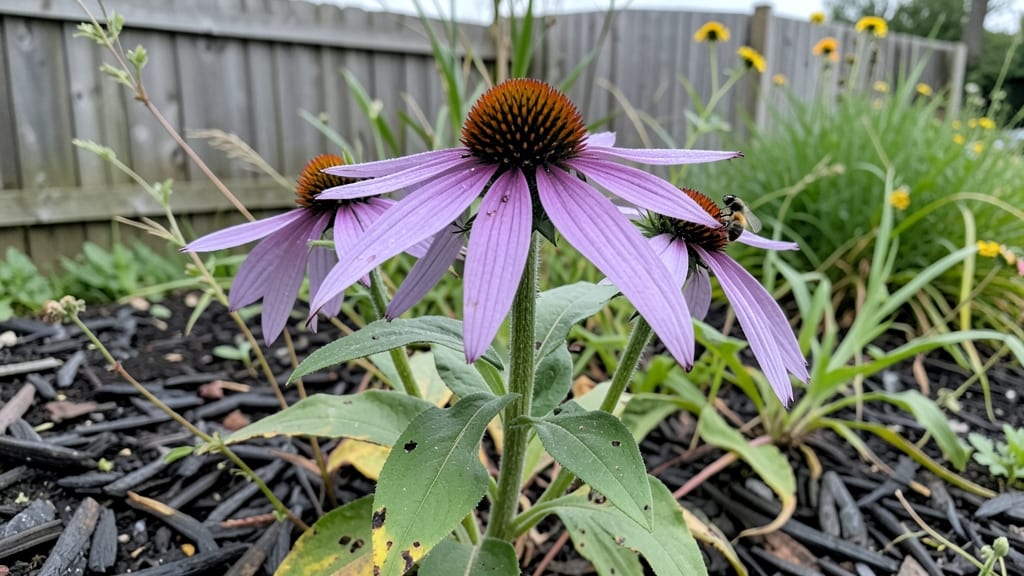
Morning sun perennials are the underrated stars of your garden—tough enough to handle bright morning rays but graceful enough to avoid scorching. 🌿 I’ve learned the hard way that not all sun-loving plants thrive in that intense early light, but these beauties do, blooming reliably and requiring almost no fuss once established.
The key is choosing varieties that appreciate the cooler temperatures of morning sun while still getting enough light to fuel their growth.
Think about your garden’s layout—morning sun perennials shine in borders, along pathways, or as focal points where they’ll get the light they crave without the midday heat stress.
Plants like coneflowers, black-eyed Susans, and daylilies are classic picks, but don’t overlook lesser-known gems like Russian sage or catmint, which add texture and fragrance while attracting pollinators.
Most prefer well-draining soil and only need watering when the top inch dries out, making them perfect for low-maintenance spaces.
What you’ll love most is how these perennials transform your garden year after year—bold colors in summer, seed heads for winter interest, and minimal upkeep in between. They’ll outperform annuals by staying put, spreading naturally, and becoming the backbone of your landscape.
Once you see them thriving in that morning glow, you’ll wonder why you didn’t fill your garden with them sooner.
Whether you’re designing a new bed or refreshing an existing one, these plants adapt effortlessly to borders, containers, or even rocky slopes. Start with just a few to test what works best in your space, and soon you’ll have a garden that’s as resilient as it is beautiful.
Here’s how to pick the perfect mix for your morning sun sanctuary.
📚 In This Guide
- What you need
- Instructions
- Tips and common mistakes
- Wrapping up and next steps
What you need
- ● Perennial plants: Choose 3–5 sun-loving perennials (e.g., Daylilies, Coneflowers, Black-Eyed Susans, Lavender, or Sedum). Buy 2–3 plants per variety for a fuller look.
- ● High-quality potting soil or garden soil: 1–2 cubic yards (depending on garden size) with good drainage. Amend with compost (1 part compost to 3 parts soil) for nutrients.
- ● Organic mulch: 2–3 inches of pine bark, shredded leaves, or straw to retain moisture and suppress weeds.
- ● Garden gloves: A pair of durable, breathable gloves (e.g., nitrile-coated) to protect your hands.
- ● Hand trowel or transplant spade: A 5–6 inch stainless steel trowel for digging small holes.
- ● Watering can or hose with a gentle spray nozzle: For deep watering (1–1.5 inches per week), especially during the first growing season.
- ● Pruning shears: Bypass pruners for shaping plants and removing dead foliage.
- ● Slow-release fertilizer: 10-10-10 or 5-5-5 (apply once in early spring).
- ● Plant markers: Biodegradable labels to track varieties (especially useful for beginners!).
- ● Drip irrigation system: Automates watering for busy gardeners or drought-prone areas.
- ● Soil pH tester: Ensures your soil is neutral (6.0–7.0) for most perennials.
- ● Knee pads: Because garden kneeling is an art—and your knees will thank you!
- ● Sunlight assessment: Confirm your garden gets 6+ hours of morning sun (check with a sun calculator app if unsure).
- ● Well-draining soil: Perennials hate soggy roots—amend clay soil with sand or perlite if needed.
- ● Planting timeline: Aim for early spring or fall (avoid extreme heat or frost).
- ● Patience: Perennials may take 1–2 years to reach full bloom—trust the process!
Step-by-Step guide to designing a stunning morning sun perennial garden
Here's how to create a vibrant, low-maintenance landscape that bursts with color every spring.
🌱 Step 1: Select the Perfect Perennial Combination
Start with four sun-loving perennials that complement each other's bloom times and heights. I always choose a mix of early, mid, and late-season bloomers to ensure continuous color. For morning sun exposure, daylilies (like 'Stella de Oro') thrive in bright morning light, while black-eyed Susans (Rudbeckia) and coneflowers (Echinacea) handle the intensity beautifully. Add Russian sage for late-season purple spikes that dance in the breeze.
Place taller varieties—like Russian sage (up to 4 feet)—at the back of your bed. Medium-height coneflowers (2-3 feet) go in the middle, while daylilies (2 feet) and black-eyed Susans (2-3 feet) fill the front. This creates natural layers that frame your garden beautifully. I like to group three of each plant for a full, lush look without overcrowding.
☀️ Step 2: Prepare the Soil for Optimal Drainage and Nutrition
Morning sun gardens need well-draining soil to prevent soggy roots from afternoon moisture retention. Amend your native soil with 2 cubic feet of compost per 4 square feet of bed space—this improves both drainage and nutrient retention. Use a garden fork to loosen the soil to a depth of 12 inches, breaking up any compacted layers.
For extra insurance, mix in 1 cup of perlite per 4 square feet to prevent waterlogging. The goal is a soil texture that holds moisture but drains freely—think of damp sponge consistency. Test your soil's pH (ideal range is 6.0-7.0 for most perennials) and adjust with lime or sulfur if needed. I always do this step in early spring when the ground is workable but not waterlogged.
🪴 Step 3: Plant with Proper Spacing for Air Circulation
Dig holes twice as wide as each plant's root ball but only as deep as the container's base. This encourages roots to spread horizontally rather than settling too deep. Gently remove plants from their containers and tease apart any circling roots—this prevents girdling as they grow. Place each plant in its hole, backfilling with native soil mixed with a handful of compost.
Space daylilies 18 inches apart, black-eyed Susans 24 inches apart, coneflowers 24-30 inches apart, and Russian sage 30 inches apart. Proper spacing ensures good air circulation, which reduces fungal diseases like powdery mildew. Water each plant deeply after planting to eliminate air pockets and help roots establish contact with the soil.
💧 Step 4: Establish a Watering Routine for First-Year Success
New perennials need consistent moisture during their first growing season to develop strong root systems. Water deeply twice weekly during the first month, then taper to once weekly as temperatures rise. The key is to water early in the morning so foliage dries quickly—this prevents fungal issues that thrive in damp leaves.
After the first month, let the soil dry slightly between waterings. You'll know you're doing it right when the top 2 inches of soil feel slightly dry to the touch. Mulch with 2 inches of shredded bark around each plant (keeping it 2 inches away from stems) to retain moisture and suppress weeds. This also protects roots from temperature swings that can stress young plants.
✂️ Step 5: Maintain Through the Seasons for Long-Term Beauty
Deadhead spent blooms on daylilies and black-eyed Susans throughout the season to encourage continuous flowering. For coneflowers and Russian sage, I leave the seed heads for winter interest—plus, they provide food for birds. Cut back Russian sage to 6 inches in early spring before new growth appears, and trim coneflowers back to 4 inches after they finish blooming.
In late fall, cut back all plants to 2-3 inches above the ground. This prevents flopping from winter winds and reduces disease pressure. Apply a 1-inch layer of compost around each plant in early spring to replenish nutrients. With proper care, these perennials will multiply over time, giving you free plants to share with neighbors or fill gaps in your garden.
Tips & tricks for perfect morning sun perennial gardens
Creating a thriving morning sun garden isn't just about planting—it's about strategic layering and care that transforms your space into a year-round showstopper.
Layering for Impact: The height arrangement in Step 1 isn't just decorative—it's functional. Russian sage's vertical growth at the back creates a natural backdrop that makes all other plants appear more lush. Pro tip: Add a single salvia or lavender plant (optional) near the center for a fragrant focal point that blooms continuously from spring to fall. The key is maintaining that 4-foot-to-2-foot progression—this creates visual depth that makes your garden feel intentionally designed rather than randomly planted.
Soil Science Matters: That 12-inch soil loosening in Step 2 isn't arbitrary—it matches the depth of most perennial root systems. Confession: I skipped this step for years and wondered why my plants struggled. The secret is breaking up compacted layers while keeping the soil's natural structure intact. For clay-heavy soils, mix in 1 part sand with the perlite to improve drainage without compromising moisture retention. Test your soil's pH before planting—most perennials prefer slightly acidic to neutral soil (6.0-7.0), but Russian sage actually thrives in alkaline conditions (7.0-8.0).
Spacing Secrets: The 18-inch spacing for daylilies might seem generous, but it prevents overcrowding that leads to fungal issues. Here's what nobody tells you—when you plant three of each variety, you create a natural triangle formation that looks intentional and fills space beautifully. For smaller gardens, reduce spacing by 25% but increase the number of plants to maintain that full, lush appearance. The extra air circulation from proper spacing means you'll see fewer powdery mildew issues, especially on black-eyed Susans which are particularly susceptible.
Watering Wisdom: That twice-weekly watering schedule in Step 4 is perfect for establishing roots, but timing is everything. I've learned the hard way that watering in the late afternoon can lead to fungal problems—morning watering gives foliage time to dry completely. For the first month, check soil moisture at the 2-inch depth with your finger rather than relying on a schedule. Once established, these perennials are remarkably drought-tolerant, but the first year is critical for root development. Consider installing a drip irrigation system on a timer for hands-off watering that delivers consistent moisture without wetting the leaves.
Pro Tips for Perennial Plants For Morning Sun
- Creating a thriving morning sun garden isn't just about planting—it's about strategic layering and care that transforms your space into a year-round showstopper.
- Layering for Impact: The height arrangement in Step 1 isn't just decorative—it's functional.
- Soil Science Matters: That 12-inch soil loosening in Step 2 isn't arbitrary—it matches the depth of most perennial root systems.
Frequently asked questions
Got questions about picking the perfect perennials for morning sun? You’re not alone! Here are some of the most common queries—and their answers—to help you garden with confidence.
What’s the best time to plant perennials for morning sun?
Plant perennials in early spring or early fall when temperatures are mild (50–70°F). This gives roots time to establish before extreme heat or cold. Avoid planting in peak summer—roots can dry out or overheat. If you’re in a warm climate, opt for fall planting to beat summer stress.
Will perennials for morning sun survive in partial shade?
Some may struggle! While tolerant perennials like heuchera or hostas can handle dappled shade, true morning-sun lovers (like daylilies or black-eyed Susans) need at least 4–6 hours of direct morning light. Too little sun can lead to leggy growth or weak blooms. Test your spot with a sun calculator if unsure!
Why are my morning-sun perennials wilting or browning?
Overwatering or underwatering are top culprits! Morning sun plants often dry out faster than shade-loving varieties. Check soil moisture—it should be damp but not soggy. Browning edges? It could signal heat stress or fungal issues (like powdery mildew). Improve airflow, mulch well, and water deeply at the base in the morning to avoid evening dampness.
Are there any low-maintenance perennials for morning sun?
Try these easy-care champions:
- Russian sage – Drought-tolerant, deer-resistant, and blooms all summer.
- Catmint – Thrives in poor soil, repels pests, and reblooms like crazy.
- Sedum (’Autumn Joy’) – Succulent-like, needs minimal water, and puts on a fall show.
- Salvia nemorosa – Heat-loving, long-blooming, and attracts pollinators.
Do perennials for morning sun work in containers?
Yes! Just choose compact varieties (like dwarf daylilies or miniature coneflowers) and use well-draining potting mix. Containers dry out faster, so opt for self-watering pots or add hydrogel crystals to retain moisture. Place pots where they get morning sun + afternoon shade to prevent overheating.
Wrapping up and next steps
Choosing the right perennial plants for morning sun can transform your garden into a vibrant, low-maintenance paradise that blooms year after year. From hardy Catmint to cheerful Black-Eyed Susans, these sun-loving stars thrive with minimal fuss while adding color, texture, and life to your outdoor space. 🌞
Ready to get growing? Start by sketching your garden layout, then pick 2-3 plants from this list to begin—your future garden will thank you! For even more inspiration, explore companion planting tips to create a thriving, harmonious landscape.