
Shrubs
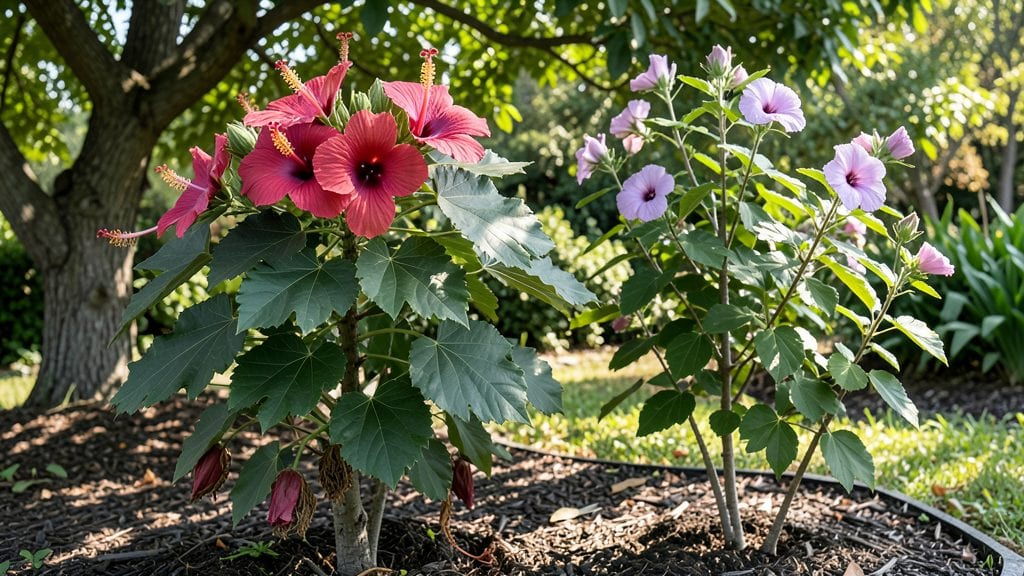
Growing a hibiscus perennial shrub means vibrant blooms that return every spring without the yearly replanting hassle.
Tired of replacing your hibiscus shrubs every year? Cold-hardy perennial hibiscus varieties can thrive through winters, saving you time and money while adding vibrant blooms to your garden season after season.
With the right care, these hardy plants can grow 6 to 15 feet tall, offering stunning flowers from summer through early fall. Whether you're in USDA Zone 6a or beyond, planting in April or May after the last frost gives them the best start.
In this guide, you'll discover the top cold-hardy varieties, soil needs, pruning tips, and seasonal care to keep your hibiscus thriving year after year.
Top 5 cold-hardy perennial hibiscus varieties for year-round beauty
If you love the dramatic blooms of hibiscus but hate replacing them every year, cold-hardy perennial varieties are your solution. These stunning shrubs survive winter's chill and reward you with season-long flowers from summer through fall.
Whether you're in USDA Zone 5 or warmer, these five varieties bring vibrant color and low-maintenance beauty to your landscape.
Not all hibiscus thrive in cold climates—tropical hibiscus (Hibiscus rosa-sinensis) dies back in frost, but these hardy perennial hibiscus varieties return year after year with proper care.
From towering swamp hibiscus to compact rose of Sharon, each offers unique flower colors and growth habits to fit your garden style.
| Variety | USDA Zones | Bloom Time | Mature Height | Key Features |
|---|---|---|---|---|
| Hibiscus moscheutos (Swamp Hibiscus) | 4-9 | July-September | 4-6 ft | Large pink/white flowers, thrives in moist soil |
| Hibiscus syriacus (Rose of Sharon) | 5-9 | July-October | 8-12 ft | Drought-tolerant, fragrant blooms in pink/blue/white |
| Hibiscus coccineus (Scarlet Hibiscus) | 5-9 | June-September | 5-6 ft | Bright red flowers, hummingbird magnet, loves sun and moisture |
| Hibiscus moscheutos 'Lavender Chiffon' | 4-9 | July-August | 4-5 ft | Soft lavender blooms, compact size, great for borders |
| Hibiscus syriacus 'Blue Chiffon' | 5-9 | August-September | 6-8 ft | Light blue flowers, late-season blooms, disease-resistant |
Hibiscus moscheutos (Swamp Hibiscus) is my top pick for gardeners with moist soil. Its glossy leaves and large, showy flowers in shades of pink and white make it a standout. This variety thrives in USDA Zones 4-9 and blooms from July to September, adding late-summer color when many other plants fade.
For a taller, more versatile option, Hibiscus syriacus (Rose of Sharon) is unbeatable. It handles drought conditions better than most hibiscus and produces fragrant blooms in pink, blue, or white. With heights up to 12 feet, it works as a privacy screen or specimen plant.
Just be prepared for its aggressive root system—plant it where it won’t crowd other shrubs.
If you want bold, eye-catching color, Hibiscus coccineus delivers with its scarlet red flowers. This variety attracts hummingbirds and butterflies and thrives in sunny, moist locations. It’s perfect for wildlife gardens or as a focal point near pat
How to plant and care for perennial hibiscus in cold climates
Cold-hardy perennial hibiscus varieties like Hibiscus moscheutos and Hibiscus syriacus can survive winters with the right care, unlike their tropical cousins. These shrubs reward you with bold blooms year after year if you follow proper planting and seasonal routines.
The key lies in timing, soil prep, and winter protection—all topics we’ll cover step by step.
Whether you’re planting from bare-root plants or container-grown specimens, the principles remain the same. I’ve grown perennial hibiscus in USDA Zone 5b for five years, and these methods have helped them thrive through harsh winters.
Let’s dive into the essential steps to ensure your hibiscus not only survives but flourishes in cold climates.
Step-by-Step Planting and Care Guide
- Step 1: Choose the Right Time
Plant your perennial hibiscus in early spring (after the last frost date) or early fall (6-8 weeks before the first frost). This gives roots time to establish before extreme temperatures arrive.
- Step 2: Prepare the Soil
Amend your soil with compost or aged manure to improve drainage and fertility. Hibiscus thrives in slightly acidic to neutral soil (pH 6.0-7.0). Dig a hole twice as wide as the root ball but no deeper.
- Step 3: Plant Correctly
Place the plant so the top of the root ball is level with the soil surface. Backfill with native soil and water deeply to eliminate air pockets. Space dwarf varieties 3-5 feet apart and standard types 6-10 feet apart.
- Step 4: Mulch for Winter
Apply a 3-4 inch layer of mulch (straw, shredded leaves, or pine needles) around the base in late fall. This insulates roots from freezing temperatures and retains moisture during winter.
- Step 5: Wrap for Extreme Cold
In USDA Zones 4-5, wrap young plants or tender varieties with burlap or frost cloth after the ground freezes. Remove it in early spring once temperatures rise above freezing.
- Step 6: Prune Strategically
Prune in late winter or early spring before new growth begins. Remove dead or weak branches and shape the shrub by cutting back 1/3 of the oldest stems to encourage new growth and blooms.
- Step 7: Seasonal Care
Water deeply once a week during the growing season (spring to fall) and reduce watering in winter. Fertilize with a balanced 10-10-10 formula in early spring and mid-summer to promote healthy growth.
Don’t let the first frost fool you—hibiscus can handle cold temperatures if their roots stay insulated. I’ve seen Hibiscus moscheutos survive -20°F with proper mulching and wrapping. The secret is preparation before winter and gentle pruning in spring to stimulate new growth.
If your hibiscus struggles with yellowing leaves or poor blooming, it might need more sunlight or nutrients. Move it to a sunnier spot and amend the soil with composted organic matter. Remember, these shrubs are heavy feeders, so don’t skimp on fertilizer during the growing season.
With these steps, your perennial hibiscus will reward you with vibrant blooms from summer to fall and return year after year—no replanting required! 🌸