
Companion Plants
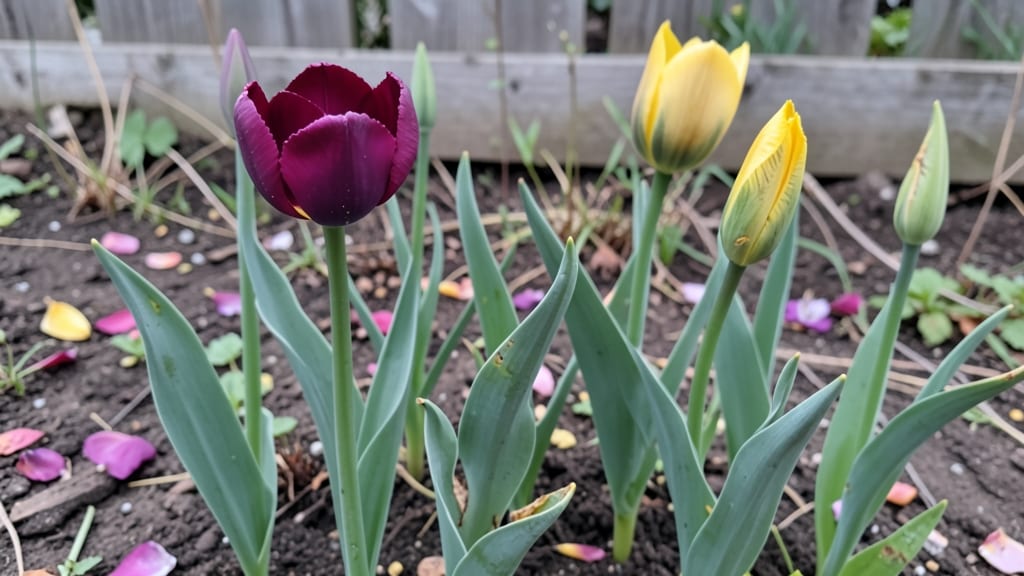
Cold-hardy perennial plants and bulbs are the unsung heroes of any garden—year after year, they burst through soil with the same reliable enthusiasm. 🌱 I’ve relied on them to turn my shady corner into a lush, low-maintenance retreat, and they’ve never let me down, even through harsh winters.
The secret lies in their roots: once planted correctly, they multiply, spread, and reward you with color, texture, and life without the annual replanting hassle.
You’ll need well-draining soil (amend with compost if yours is heavy clay), a trowel or bulb planter, and a basic understanding of sunlight needs—most perennials thrive in 4-6 hours of sun, while bulbs like daffodils tolerate shade.
Plant bulbs 3 times as deep as their width in fall, and perennials twice as deep as their root ball, spacing them 12-24 inches apart depending on the variety. Timing is key: bulbs go in before the ground freezes, while perennials can wait until spring.
Care is simple once they’re established: water deeply once a week during dry spells, fertilize lightly in spring with balanced 10-10-10, and cut back dead foliage in late winter.
Daylilies, hostas, and peonies will repay your effort with bold blooms and sturdy foliage, while daffodils and tulips bring early spring color. The best part? Every year, they’ll naturalize, spreading into a self-sustaining display that cuts down on work—and up on joy.
Whether you’re filling a sunny border, brightening a shady spot, or planning for next year’s garden, these perennials and bulbs deliver decades of beauty with almost no effort. Start small with a few varieties, and watch how quickly they transform your space into a thriving, low-stress sanctuary.
The first year is an investment; every year after that is a gift.
📚 In This Guide
- What you need
- Instructions
- Tips and common mistakes
- Wrapping up and next steps
What you need
- ● Perennial bulbs: Choose cold-hardy varieties like daffodils, tulips, alliums, crocuses, or daylilies (quantity depends on garden size—aim for 5–10 bulbs per square foot for a lush look).
- ● Garden soil: Well-draining, loamy soil (amend with compost or aged manure if your soil is heavy or sandy).
- ● Organic mulch: 2–3 inches of shredded bark, straw, or pine needles to retain moisture and regulate temperature.
- ● Fertilizer: Balanced granular fertilizer (e.g., 10-10-10) for planting.
- ○ Slow-release bulb fertilizer (optional but ideal for nutrient-rich growth).
- ● Garden trowel or bulb planter (for precise planting—avoid digging too deep!).
- ● Garden fork or spade (for loosening soil before planting).
- ● Measuring tape or ruler (to ensure proper depth and spacing—most bulbs need 2–3x their height in soil).
- ● Watering can or hose with a gentle spray nozzle (bulbs hate soggy soil!).
- ● Garden gloves (to protect your hands from thorns or rough soil).
- ● Plant markers (to track varieties and rotations).
- ● Soil pH tester (bulbs prefer neutral to slightly acidic soil (pH 6.0–7.0)).
- ● Epsom salt (a pinch in planting holes boosts magnesium for vibrant blooms).
- ● Frost cloth (for early spring protection in Zone 3–5).
How to plant and establish cold-hardy perennial bulbs for reliable returns
Here's the foolproof method I use to ensure perennials thrive through winters and bloom reliably each spring.
🌱 Step 1: Select and Prepare the Planting Site
Choose a location with well-draining soil—perennials rot in soggy conditions. I always test drainage by digging a 6-inch hole, filling it with water, and waiting to see if it drains within 30 minutes. If not, amend the soil with 2 inches of compost and 1 inch of coarse sand to improve aeration.
Perennials need full sun to partial shade depending on the variety. Most cold-hardy bulbs like daylilies and daffodils thrive in 6+ hours of direct sun, while hostas and astilbes prefer morning sun and afternoon shade. Mark the planting area with stakes to avoid disturbing roots later.
🌿 Step 2: Plant Bulbs at the Correct Depth and Spacing
Dig holes twice as deep as the bulb’s height—this ensures roots have room to establish before winter. For example, a 3-inch-tall daffodil bulb goes 6 inches deep. Space bulbs 3-6 inches apart, depending on the mature size: 3 inches for small varieties like alliums, 6 inches for medium tulips, and up to 12 inches for large daylilies. Crowding leads to competition, weakening blooms.
Place each bulb with the pointy end up—this is where the shoot emerges. If unsure, orient it so the flattest side faces downward. Gently backfill with soil, pressing lightly to remove air pockets but not compacting too firmly. Water immediately to settle the soil around the roots.
⏰ Step 3: Mulch and Water for Winter Readiness
Spread 3-4 inches of mulch (like shredded bark or straw) over the planting area after the ground freezes in late fall. This protects bulbs from temperature fluctuations and rodent damage. Mulch also retains moisture during dry spells in early spring when roots are actively growing.
Water deeply once a month during winter if snowfall is light—bulbs need consistent moisture to develop strong roots. You’ll know it’s working when you see new shoots in early spring before the mulch fully decomposes. Avoid overwatering; soggy soil smothers roots.
☀️ Step 4: Monitor and Maintain Through the First Growing Season
Once foliage appears in spring, do not cut it back until it yellows naturally—this feeds the bulb for next year’s blooms. I mark the location with stakes or flags to avoid accidentally digging them up during summer maintenance. Fertilize lightly in early spring with a balanced 10-10-10 formula to encourage vigorous growth.
Watch for pests like slugs on new shoots and diseases in crowded areas. If leaves yellow prematurely, it’s often a sign of overwatering or poor drainage. Adjust care accordingly—perennials are tough once established, but they need the right conditions to thrive from the start.
Tips & tricks for planting cold-hardy perennial bulbs
A few key strategies will help you avoid common pitfalls and ensure your cold-hardy perennials thrive for years to come.
Drainage Test: That 30-minute drainage test in Step 1 is non-negotiable. I've seen too many bulbs fail because of soggy soil—it's the number one reason perennials rot before they even establish. If your soil doesn't drain properly, the compost and sand amendment is crucial. For clay-heavy soils, consider raised beds where you have complete control over drainage.
Depth and Orientation: The "pointy end up" rule is simple but critical—it's where the shoot emerges. For bulbs that don't have a clear pointy end (like some alliums), orient them with the flattest side down. I've made the mistake of planting with the wrong orientation, and while the bulb might still grow, it often emerges crooked or struggles to break through the soil.
Mulch Timing: Wait until after the ground freezes to apply that 3-4 inches of mulch in Step 3. Early mulching can trap too much moisture and actually encourage rot. I learned this the hard way with my first daffodil planting—some bulbs sprouted prematurely and were killed by a late frost. The mulch should protect from temperature swings, not create a warm microclimate too early.
Foliage Management: That yellowing foliage in Step 4 isn't just decorative—it's feeding the bulb for next year's blooms. I see gardeners cut back too soon all the time, and the result is weaker blooms the following season. Mark your planting areas clearly so you don't accidentally mow or dig up those vital leaves. A simple stake with a flag works perfectly.
Pro Tips for Perennial Plants Bulbs
- A few key strategies will help you avoid common pitfalls and ensure your cold-hardy perennials thrive for years to come.
- Drainage Test: That 30-minute drainage test in Step 1 is non-negotiable.
- Depth and Orientation: The "pointy end up" rule is simple but critical—it's where the shoot emerges.
Frequently asked questions
Got questions about perennial plants and bulbs? You’re not alone!
Whether you're a new gardener or just curious about these cold-hardy stars, we’ve got answers to help you grow with confidence. Here’s what we hear most often—and how to tackle them.
When is the best time to plant perennial bulbs for year-round blooms?
For most perennial bulbs, fall planting (6–8 weeks before the first frost) is ideal—they’ll establish roots before winter and burst into spring color. However, spring planting (as soon as the ground is workable) works too, especially for hardier varieties like daffodils or alliums. Just water deeply after planting to help them settle in!
Can perennial bulbs survive harsh winters, or do I need to protect them?
Many perennial bulbs are naturally cold-hardy (think tulips, crocuses, or peonies), thriving in USDA Zones 3–8 with no extra care. That said, mulch lightly (2–3 inches) in extreme zones or after heavy snow to prevent heaving. Avoid heavy mulch—it can rot bulbs over time!
Why aren’t my perennial bulbs blooming like they used to?
Bloom fade often stems from overcrowding (bulbs need space to regenerate) or poor nutrition. Dig up and divide clumps every 3–5 years, and feed with a balanced bulb fertilizer (like 10-10-10) in early spring. No blooms at all? Check for pests (like squirrels) or fungal issues—adjust care accordingly!
Are there low-maintenance perennial bulbs for busy gardeners?
Try easy-care champions like:
- Daffodils (Narcissus): Deer-resistant, pest-proof, and return yearly.
- Alliums (Ornamental Onions): Drought-tolerant once established; globe-shaped blooms add drama.
- Crocuses: Bloom early spring (even through snow!) and spread effortlessly.
- Daylilies (Hemerocallis): Perennial plants (not bulbs), but thrive with zero fuss.
Pro tip: Group them in odd-number clusters (3, 5, 7) for maximum impact with minimal upkeep!
What should I avoid when planting perennial bulbs?
Steer clear of these common mistakes:
| Avoid | Why It Matters |
|---|---|
| Planting too deep | Bulbs need proper depth (usually 2–3x their height) to prevent rot or weak stems. |
| Using fresh manure or compost | High nitrogen can burn bulbs—opt for aged compost instead. |
| Skipping drainage | Soggy soil = bulb rot. Plant on slopes or amend heavy soil with sand/perlite. |
| Overwatering after planting | Too much water can drown roots; water lightly until established, then reduce. |
Remember: Perennial bulbs reward patience—give them the right conditions, and they’ll outperform annuals every year!
Wrapping up and next steps
Perennial plants and bulbs are the unsung heroes of any garden—low-maintenance, vibrant, and packed with year-after-year charm! 🌱 From cold-hardy favorites like daffodils to resilient shrubs, these plants prove that beauty doesn’t have to mean extra work.
Whether you’re a seasoned gardener or just starting, adding them to your landscape is a game-changer for color, texture, and effortless elegance.
Ready to transform your outdoor space? Start small—pick one or two bulbs or perennials this season and watch your garden thrive with minimal fuss. Your future self (and pollinators!) will thank you. 🌸✨