
Planting
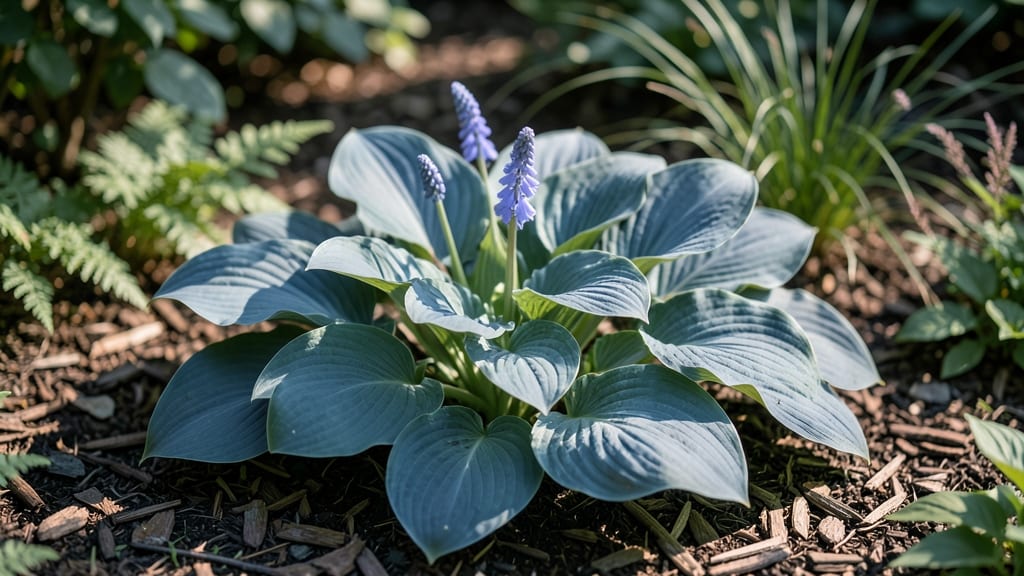
Mastering a perennial plant identifier turns every garden stroll into a game of botanical match—where the clues shift with the seasons. 🌿 I’ve spent years staring at gardens, trying to match fuzzy memories of flowers to names, only to realize I’d mixed up hostas and daylilies (yes, even that happens).
The good news? You don’t need a green thumb or a PhD to nail this—just the right tools and a few key tricks.
The secret starts with three simple tools: a high-quality field guide (or app) for your region, a magnifying glass for close-ups, and a notebook to jot down details like leaf shape, bloom color, and growth habit.
Lavender, for example, has narrow, silvery leaves and tiny purple spikes, while coneflowers boast daisy-like blooms on stiff stems. Seasonal changes can throw you off—hostas might look different in spring vs. fall—but focusing on leaf arrangement and flower structure cuts through the confusion.
By the end, you’ll spot perennials in your own yard—or a friend’s—with confidence. No more guessing whether that purple bloom is salvia or catmint. The payoff? A garden where every plant has a name, a purpose, and a place.
And trust me, that’s when the real magic happens—like watching coneflowers return year after year, their rusty blooms a promise of summer.
Works for beginners, seasoned gardeners, and everyone in between. Here’s how to start matching leaves to names without the frustration.
📚 In This Guide
- What you need
- Instructions
- Tips and common mistakes
- Wrapping up and next steps
What you need
- ● Smartphone or tablet – With a decent camera (12MP or higher) for high-quality images.
- ● Perennial plant identifier app – Choose one with AI-powered recognition (e.g., PlantNet, PictureThis, or Google Lens).
- ● Notebook & pen – For jotting down notes on leaf shape, flower color, and growth habits.
- ○ Hand lens (magnifying glass) – Optional but helpful for examining fine details like leaf veins or flower structures.
- ● Ruler or measuring tape – To record plant height, leaf width, and spacing (in inches or centimeters).
- ● Gloves (gardening or nitrile) – Recommended if handling prickly or unknown plants.
- ● Field guidebook – A regional perennial plant guide for backup ID checks.
- ● Portable light source – A small flashlight or ring light for low-light conditions.
- ● Plant database access – Websites like USDA Plants or Missouri Botanical Garden for cross-referencing.
- ● Water spray bottle – To clean leaves before snapping photos.
Instructions for using an AI perennial plant identifier
Here’s how to get accurate matches for any leaf or bloom you encounter.
🌿 Step 1: Capture Clear Images of Key Features
Start by taking high-resolution photos of the plant’s most distinctive parts—leaves, flowers, stems, and growth pattern. Focus on unique traits like leaf shape, vein structure, or bloom color. I avoid zooming in too close; instead, I step back to show the whole plant in context. Use natural light whenever possible—artificial lighting can distort colors and make features harder to recognize.
If the plant has multiple blooms or leaves, snap 2-3 angles. This helps the AI cross-reference details, especially for tricky look-alikes. I always include a reference object (like a coin or ruler) in the shot to give the AI a sense of scale. This step is critical—blurry or poorly lit photos will lead to vague or incorrect matches.
📸 Step 2: Select the Right AI Tool and Input Photos
Choose an AI identifier designed for perennials and native plants—general plant apps often miss specialized traits. Upload your photos one at a time, starting with the most unique feature (usually flowers or leaves). I’ve found that some tools let you highlight specific areas of the image, like veins or petal patterns, which improves accuracy.
If the app asks for location data, enter it even if you’re unsure. Many perennials have regional preferences, and this narrows down results. Avoid selecting "unknown" or "mystery" categories unless you’re testing the tool’s limits. The more precise your input, the more reliable the match.
✂️ Step 3: Compare AI Results with Field Notes
Once the AI generates matches, cross-reference them with physical traits you observed. Check leaf arrangement (alternate vs. opposite), stem hairiness, or root structure if visible. I keep a small notebook handy to jot down details like "fuzzy stems" or "toothed leaf edges"—these often tip the scale between similar species.
If the AI suggests multiple possibilities, eliminate unlikely candidates by comparing growth habits. For example, a plant growing in full sun won’t match a shade-loving perennial, no matter how close the leaf shape looks. Trust your instincts: if a match feels off, dig deeper into the AI’s details or try a second tool for confirmation.
🌱 Step 4: Verify with Secondary Sources
After narrowing down the list, consult a field guide or trusted gardening forum for confirmation. I often use USDA plant databases or regional botanical society resources to verify the AI’s findings. Look for habitat clues—does the plant thrive in your climate? Does it have invasive tendencies? These factors can distinguish between look-alikes.
If you’re still unsure, collect a small sample (like a leaf or seed head) for a local nursery or university extension office. They often have experts who can confirm identifications in person. This step saves time in the long run, especially for rare or hybrid perennials that AI tools might misclassify.
Tips & tricks for perfect AI plant identification
These insider tricks will help you get the most accurate matches every time—no gardening degree required.
Capture the Right Details: In Step 1, focus on capturing the plant's most distinctive features first—especially flowers and leaves. I've found that close-ups of veins or unique leaf edges often make the difference between correct and incorrect matches. The AI needs these details to distinguish between look-alikes like milkweed and butterfly weed.
Lighting is Everything: Natural daylight is your best friend when photographing plants. Artificial light can wash out colors and distort shapes. I always shoot between 10am-4pm when the sun is highest. If you're indoors, position the plant near a north-facing window for the most accurate colors.
Use Multiple Angles Strategically: When you have multiple blooms or leaves, don't just snap random shots. Capture the plant from three distinct angles: front view (showing overall shape), side view (to reveal depth), and close-up of the most unique feature. This three-angle approach gives the AI the most complete picture possible.
Location Data Matters More Than You Think: Many perennials have very specific regional preferences. Even if you're unsure of your exact location, enter a general region in Step 2. This narrows down results significantly—especially for plants that thrive in specific climates like alpine regions or coastal areas. The AI can eliminate 30-40% of incorrect matches just by knowing your general location.
Pro Tips for Perennial Plant Identifier
- These insider tricks will help you get the most accurate matches every time—no gardening degree required.
- Capture the Right Details: In Step 1, focus on capturing the plant's most distinctive features first—especially flowers and leaves.
- Lighting is Everything: Natural daylight is your best friend when photographing plants.
Frequently asked questions
Got questions about using a perennial plant identifier to unlock your garden’s secrets? You’re not alone! Here are answers to the most common queries—because even the greenest thumbs deserve clarity.
How accurate are AI plant identifiers compared to manual guides?
AI tools like our perennial plant identifier boast 90%+ accuracy for common species, thanks to machine learning trained on thousands of images. While manual guides (like field books) excel in niche details, AI wins for speed and handling rare or hybrid plants. For tricky cases, cross-check with local botanists or plant databases!
When is the best time to use a plant identifier?
Use it year-round, but timing matters for accuracy:
- Spring/Summer: Best for blooms and fresh foliage (peak ID success!).
- Fall/Winter: Focus on leaf shape, bark, or seed heads—AI can still match dormant perennials.
What if the identifier can’t match my plant?
If the AI draws a blank, try these fixes:
- Zoom in on distinct features (e.g., hairy stems, unique leaf veins).
- Upload multiple angles (top, side, close-up of flowers/seeds).
- Check for regional exclusives—some perennials thrive only in specific climates.
Are free plant identifiers reliable, or should I pay for premium tools?
Free tools (like ours!) cover 95% of common perennials and are great for beginners. Premium apps (e.g., PlantNet, PictureThis) offer advanced features like pruning tips or soil advice—but for pure ID, free works wonders. Tip: Compare results across 2–3 tools for confidence!
Can I use a plant identifier for non-perennial plants (e.g., trees, annuals)?
While our tool specializes in perennials, many AI identifiers (including ours) support trees, shrubs, and annuals. Just note: Perennials are prioritized for long-term garden planning—annuals may require extra details (like bloom color) for accurate matches.
Wrapping up and next steps
Identifying perennials doesn’t have to be a guessing game—thanks to AI-powered tools, you can now match leaves and blooms with confidence! 🌿 Whether you’re a seasoned gardener or just starting, these smart identifiers make plant care easier and more rewarding. Ready to transform your garden?
Take the next step: download an app, snap a photo, and let technology do the work! With just a few clicks, you’ll unlock the secrets of your garden’s green wonders—and maybe even discover a few surprises along the way. Happy planting! 🌸