
Planting
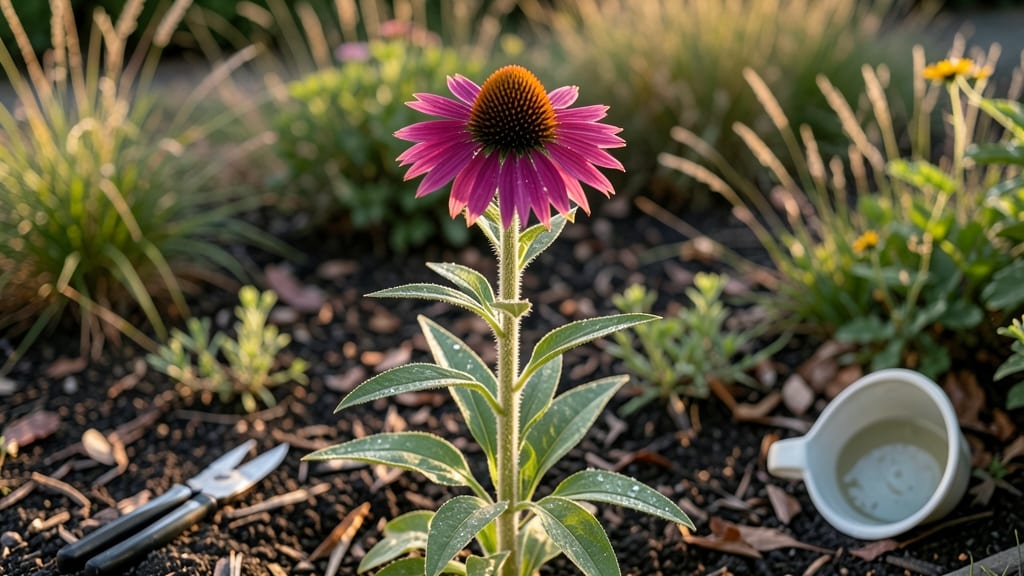
Mastering perennial plant identification can spare you from costly blunders—like my first mix-up, when a "hosta" turned out to be a daylily, and I learned that lesson the hard way. 🌿 The key is noticing leaf shape, bloom timing, and growth habits before you even look at the label.
Most gardeners overlook the stems or root patterns, but those details often reveal the real identity.
This guide breaks down 50 common perennials using simple clues: lobed leaves vs. smooth edges, early spring blooms vs. summer flowers, and whether the plant spreads by rhizomes or clumps.
You’ll spot the difference between a true lavender and its imposters in minutes. No botany degree required—just a sharp eye and a few trusty reference tools.
Once you master these visual cues, your garden becomes a self-sustaining ecosystem. You’ll know exactly which perennials thrive in your shade spots, which need staking, and which will multiply into neighbor-jealousy levels of abundance.
The right ID means fewer dead plants and more intentional design—no more guessing games when spring rolls around.
We’ll cover the most common pitfalls (like confusing hostas with lily-of-the-valley) and the best free/paid tools to double-check your guesses. By the end, you’ll confidently label every plant in your yard—and maybe even help your gardening friends with their own mysteries.
Mistakes Behind Misidentifying Plants
Even seasoned gardeners occasionally struggle with perennial plant identification. The good news? Most errors stem from a few predictable causes. Understanding these root issues can sharpen your eye and help you avoid common pitfalls. Let’s break down why misidentification happens—and how to fix it.
Plants change dramatically across seasons, and relying on a single snapshot can lead to confusion. Many perennials look entirely different in spring (when leaves emerge) versus summer (when blooms appear) or fall (when seed heads form).
- Why it happens: You might spot a Rudbeckia in bloom but mistake it for a Coreopsis later, when only the foliage remains. Leaf shape, texture, and arrangement (phyllotaxy) are critical but often ignored.
- Actionable fix:
- 📸 Take photos at multiple stages—especially leaf, flower, and seed head phases.
- 🔍 Compare unknown plants to a digital field guide (like iNaturalist or PlantNet) that includes seasonal variations.
- 🌿 Note leaf attachment (alternate vs. opposite) and stem hairiness—details that rarely change.
Flowers get the glory, but leaves are the real detectives in plant ID. Yet many gardeners focus solely on blooms, leading to costly mistakes.
- Why it happens: Two plants might share similar flowers (e.g., Lavender vs. Butterfly Bush), but their leaves differ wildly in:
- 📏 Shape: Lobed (e.g., Hostas), serrated (e.g., Black-Eyed Susans), or smooth (e.g., Sedum).
- 🌡️ Texture: Fuzzy (Lamb’s Ear), waxy (Hosta), or leathery (Hellebore).
- 🌿 Venation: Parallel veins (monocots like Daylilies) vs. netted veins (dicots like Peonies).
- Actionable fix:
- 🔍 Use a 10x magnifier to inspect leaf edges, undersides, and midribs (the central vein).
- 📝 Sketch or photograph the leaf’s base shape (cordate, hastate, sagittate) and arrangement (whorled, basal rosette).
- 💡 Pro tip: Press leaves into a herbarium sheet for long-term reference.
Not all flowers reveal their secrets at first glance. Color, shape, and even scent can be misleading without a closer look.
- Why it happens:
- 🎨 Color variations: A Purple Coneflower can appear pink or lavender depending on sunlight and soil pH.
- 🔄 Bloom structure: Ignoring petal fusion (e.g., Lilies vs. Daylilies) or stamen length (e.g., Bee Balm’s fuzzy stamens).
- 👃 Scent clues: Lavender smells distinct from Russian Sage, but many assume "purple = lavender."
- Actionable fix:
- 🔍 Dissect a flower: Gently separate petals, sepals, and stamens to note symmetry (radial vs. bilateral).
- 📏 Measure flower diameter and stem attachment (solitary vs. clustered).
- 🌡️ Time your visit: Some perennials (like Moonflowers) only open at night!
Invasive species often mimic native perennials, creating a Trojan horse in your garden. Missteps here can harm ecosystems.
- Why it happens:
- 🌍 Similar habitats: Japanese Knotweed (invasive) resembles Native Smartweed but has hollow stems and zigzag growth.
- 🔄 Hybrid confusion: Hosta cultivars blur lines between species—some are sterile hybrids, not true perennials.
- 📜 Regional gaps: A plant native to Zone 5 may struggle in Zone 9, altering its appearance (e.g., stunted growth, fewer blooms).
- Actionable fix:
- 🌐 Check local invasive species databases (e.g., EDDMapS) before planting.
- 📊 Compare root systems—invasives often have aggressive rhizomes (e.g., Bamboo).
- 💡 Pro tip: When in doubt, dig up a small section to inspect roots and underground stems.
Apps and websites are powerful, but they’re only as good as the data you feed them.
- Why it happens:
- 📱 Blurry photos: A pixelated image of a Salvia might match Catmint if key details (like square stems) are obscured.
- 🌐 Outdated databases: New cultivars (e.g., ‘Little Spire’ Echinacea) may not be in older guides.
- 🔄 Reverse image search limits: Google Lens or PlantNet can misidentify if the plant is hybridized or diseased.
- Actionable fix:
- 📸 Take close-ups of leaves, stems, and flowers separately, not just the whole plant.
- 🔍 Cross-reference with at least two sources (e.g., Missouri Botanical Garden + USDA Plants Database).
- 💡
Quick Fixes for Plant Puzzles
Struggling to match a mystery perennial to its name? Whether it’s a leaf shape that won’t quit confusing you or blooms that look familiar but just aren’t, here’s your step-by-step troubleshooting guide.
We’ll tackle the most common stumbling blocks—leaf misidentification, bloom confusion, and growth quirks—with practical fixes and prevention tips to turn you into a pro.
Problem: The leaf is broad, but is it a hosta, a hellebore, or a Hosta-like imposter? Or maybe it’s fuzzy, lobed, or just wrong for the plant you expected.
How to Fix It:
- 🔍 Compare Texture & Edges
- Smooth and waxy? Think hostas or peonies.
- Fuzzy or hairy? Look for lamb’s ear (Stachys byzantina) or Russian sage (Perovskia).
- Deeply lobed? Coneflower (Echinacea) or black-eyed Susan (Rudbeckia) are likely culprits.
- Pro tip: Rub your fingers along the leaf edge. Rough or serrated edges narrow it down fast.
- 📏 Measure & Sketch - Grab a ruler or your phone’s measuring app. Leaf width vs. length ratios (e.g., hostas are often 2–3x wider than long) are dead giveaways. - Quick sketch trick: Draw a rough outline of the leaf shape.
Compare it to a field guide or app like PlantNet or iNaturalist.
- 🌱 Check the Stem & Arrangement
- Alternate leaves? Likely a peony, daylily (Hemerocallis), or bee balm (Monarda).
- Rosette pattern? Hostas, heucheras, or sedums.
- Pro tip: Snap a photo of the whole plant (not just the leaf) to spot hidden clues like stem color or growth habit.
Prevent Missteps:
- Label your plants at planting time with a small flag or garden marker. Include the common name and botanical name (e.g., "Hosta ‘Blue Angel’").
- Take mid-season photos of your garden. Compare them to your notes later—you’ll spot patterns you missed in the moment.
Problem: The flowers are stunning, but you’re drawing a blank. Are those daisies really daisies? Or is that a shasta daisy vs. a coneflower vs. a daisy-like something else?
How to Fix It:
- 🎨 Break Down the Bloom Use this flower ID cheat sheet to dissect the puzzle:
| Feature | What to Look For | Likely Plant |
|---|---|---|
| 🌼 Shape | Daisy-like (flat, many petals)? | Shasta daisy (Leucanthemum), black-eyed Susan (Rudbeckia), or coneflower (Echinacea) |
| 🌺 Petal Count | Single row of petals? | Peony (Paeonia), daylily (Hemerocallis), or columbine (Aquilegia) |
| 🌷 Color Patterns | Two-tone or speckled? | Bleeding heart (Dicentra), lungwort (Pulmonaria), or painted daisy (Tanacetum) |
| 🌿 Stem & Structure | Woody stem? Single bloom? | Peony or tree peony (Paeonia suffruticosa) |
- 🕵️♂️ Hunt for Hidden Traits - Smell it: Some perennials (like lavender or catmint) have signature scents. - Check the base: Are there seed heads, bulbs, or underground tubers? Coneflowers leave spiky centers; peonies have thick, knobby roots. - Pro tip: Use a UV flashlight at dusk.
Many flowers have hidden patterns (like bee balm’s dark centers) that glow under UV light—great for distinguishing lookalikes!
- 📱 Use Tech to Your Advantage - Apps: PictureThis or Google Lens can ID flowers from photos. Upload a clear shot of the entire plant (not just the bloom) for better accuracy. - Community help: Post on forums like GardenWeb or Reddit’s r/gardening with photos and location details.
Gardeners love helping with IDs!
Prevent Future Confusion:
- Press a few blooms in a book or herbarium sheet. Label them with the date and your best guess. Over time, you’ll build a visual library.
- Note bloom time: Perennials bloom at specific times. A late-summer yellow flower is more likely a black-eyed Susan than a spring crocus.
Problem: The plant’s behavior doesn’t match its ID. It’s spreading too fast, dying back unexpectedly, or just not acting right.
How to Fix It:
- 📉 Assess the Problem
- Too aggressive? Mint (Mentha), bamboo (Fargesia), or creeping Charlie (Glechoma hederacea) are notorious spreaders. Solution: Plant them in containers or use underground barriers.
- Dying back too soon? Check for crown rot (soggy, mushy stems) or overwatering. Solution: Improve drainage and avoid wetting foliage.
- Not blooming? It might be over-fertilized (too much nitrogen = leafy, no flowers) or under stress (wrong light/sun). Solution: Use a low-phosphorus fertilizer (like 5-10-5) in early spring.
- 🔄 Reset with Pruning - Deadheading: Snip spent blooms to encourage reblooming (great for coneflowers and daylilies). - Thinning: If a plant looks crowded, divide it in early spring or fall.
Many perennials (like hostas or asters) thrive when split every 3–4 years. - Pro tip: Use clean, sharp shears and sterilize them with rubbing alcohol between cuts to prevent disease spread.
- 🌍 Replant or Relocate
- If a plant’s struggling, it might be in the wrong spot. Move it based on its needs:
- Shade lovers: Hosta, heuchera, astilbe.
- Sun seekers: Lavender, sedum, Russian sage.
- Moisture-loving: Iris, ligularia, lobelia.
- If a plant’s struggling, it might be in the wrong spot. Move it based on its needs:
Prevent Growth Glitches:
- Research before planting: Check the USDA Hardiness Zone and sunlight needs for each perennial. A zone 5 plant in a zone 9 garden? That’s a recipe for disaster.
- Mulch properly: Use 2–3 inches of organic mulch (like shredded bark) to regulate soil temp and retain moisture—without smothering the plant.
💡 Pro Tip: Keep a garden journal with photos, notes, and dates. Jot down what worked (and what didn’t) each season. Next year, you’ll spot issues before they become puzzles!
Frequently asked questions
How do I tell if a plant is truly a perennial and not an annual or biennial?
Look for woody stems at the base or thickened roots—these are classic perennial traits. Annuals die back completely after one season, while biennials take two years to bloom and set seed before dying. Also check your region’s growing zones; perennials often survive winters in their native zones but may act like annuals in colder climates.
What’s the fastest way to identify a mystery perennial without apps?
Start with leaf shape and arrangement—are they alternate, opposite, or whorled? Then examine flower structure (daisy-like, tubular, etc.) and stem texture. Compare these clues to a physical field guide or sketch the plant in a notebook. A magnifying glass helps spot key details like leaf hairs or vein patterns that apps might miss.
Why do some perennials look completely different in winter than in summer?
Many perennials go dormant in winter, shedding leaves or dying back to the ground. Others, like evergreens (e.g., hemlock or boxwood), keep foliage year-round. The key is to note leaf scars or buds on stems—these reveal the plant’s identity even when bare. Take photos of plants in all seasons to build your reference library.
Can I use a smartphone app to identify perennials accurately?
Apps like PictureThis or PlantNet work well for common perennials, but accuracy depends on photo quality. Focus on close-ups of leaves, stems, and flowers (not just the whole plant) and cross-check with a second source. Avoid relying solely on apps for invasive species—always verify with local databases.
What’s the best time of day to photograph plants for identification?
Morning or late afternoon provides even lighting without harsh shadows. Avoid midday sun, which casts unflattering shadows on leaves and blooms. For flowers, photograph them open and in focus, and include a ruler or coin for scale—this helps apps and experts gauge size accurately.