
Planting
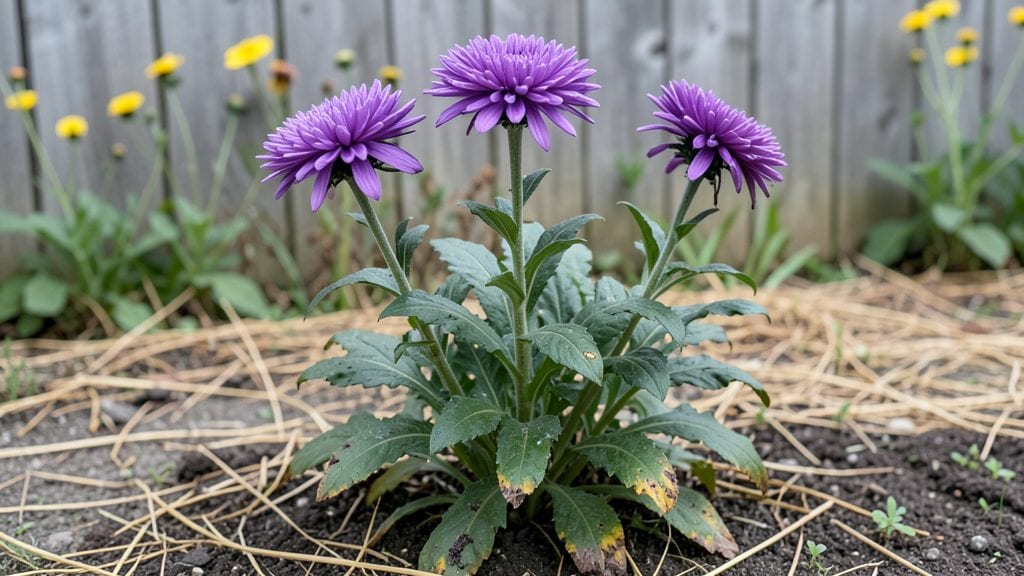
Perennial mums can thrive in Zone 4 when you plant cold-hardy varieties like 'Autumn Joy' or 'Coppersmith' in well-draining soil, mulch heavily after frost, and choose late-blooming types that resist winter dieback.
Zone 4's harsh winters demand specific strategies for perennial mums to survive. 🌿 The key lies in selecting varieties bred for cold tolerance—these often retain leaves longer, protecting the crown from freeze-thaw cycles.
I've found that late-blooming types (like 'Coppersmith') handle frost better than early bloomers, as their growth cycle aligns with milder fall temperatures. Proper soil prep with compost and a thick mulch layer (4-6 inches) mimics natural insulation, while avoiding overwatering prevents root rot during frozen ground periods.
For best results, plant mums in late summer or early fall, giving roots time to establish before winter. 💫 The right balance of shade and sunlight in their microclimate can make all the difference in their survival rate.
Many gardeners in Zone 4 swear by adding a layer of straw mulch in early winter for extra protection against extreme temperature swings.
💡 In This Article
- Selecting Cold-Resistant Perennial Mum Varieties for Zone 4
- Step-by-Step Fall Planting and Winter Care for Zone 4 Mums
Selecting cold-resistant perennial mum varieties for Zone 4
The secret to Zone 4 perennial mums lies in their genetic hardiness and bloom timing. Varieties like 'Hardy Bonanza' and 'Autumn Joy' have been selectively bred to retain leaves longer into winter, which acts like a natural blanket for the crown.
These cultivars can handle temperatures down to -25°F to -30°F because their foliage insulates the growing point from freeze-thaw cycles that would otherwise crack stems. The key trait is their ability to delay dormancy until after the first hard frost, unlike early bloomers that shut down too soon.
Late-blooming mums (like 'Coppersmith') have another advantage: their growth cycle aligns with milder fall temperatures. These varieties typically bloom in late September or October, giving them time to establish strong root systems before winter sets in.
Early bloomers, on the other hand, often push growth too early in the season, making them vulnerable to late spring frosts. The USDA hardiness ratings for these cold-resistant types usually fall between Zone 4-9, but their actual performance depends on how well they're protected during extreme temperature swings.
What most gardeners don't realize is how disease resistance factors into winter survival. Hardy mums like 'Hardy Bonanza' have been bred to resist common fungal issues that thrive in damp, cold conditions. Their thicker stems and waxier leaves prevent moisture from pooling, which would otherwise lead to rot.
This genetic resilience means they can handle Zone 4's wet springs and snowy winters without developing the same problems as less-hardy varieties. 💫 The trade-off is often slightly smaller blooms, but the longevity makes it worth it.
Here's what to look for when selecting varieties:
- Leaf retention: Choose types that keep foliage until late winter (like 'Autumn Joy')
- Bloom timing: Late September-October bloomers survive better than early types
- USDA rating: Aim for Zone 4-5 rated varieties with 5-6 inch mature heights
- Growth habit: Bushier types handle wind better than tall, spindly varieties
One common mistake is assuming all perennial mums are equally cold-hardy. For example, 'Pink Princess' (a popular variety) has a USDA rating of Zone 5-9, meaning it struggles in Zone 4 without extra protection.
The difference comes down to their native breeding regions - hardy types often originate from mountainous areas where they evolved to handle temperature fluctuations. This natural adaptation gives them the edge in extreme climates. 🔥
For best results, pair your variety selection with proper planting techniques. Hardy mums should be planted in raised beds or slightly elevated areas to prevent waterlogging, which can be just as damaging as cold in Zone 4 winters.
The combination of the right genetics and site preparation creates the perfect conditions for these tough plants to thrive where others would fail.