
Flowers
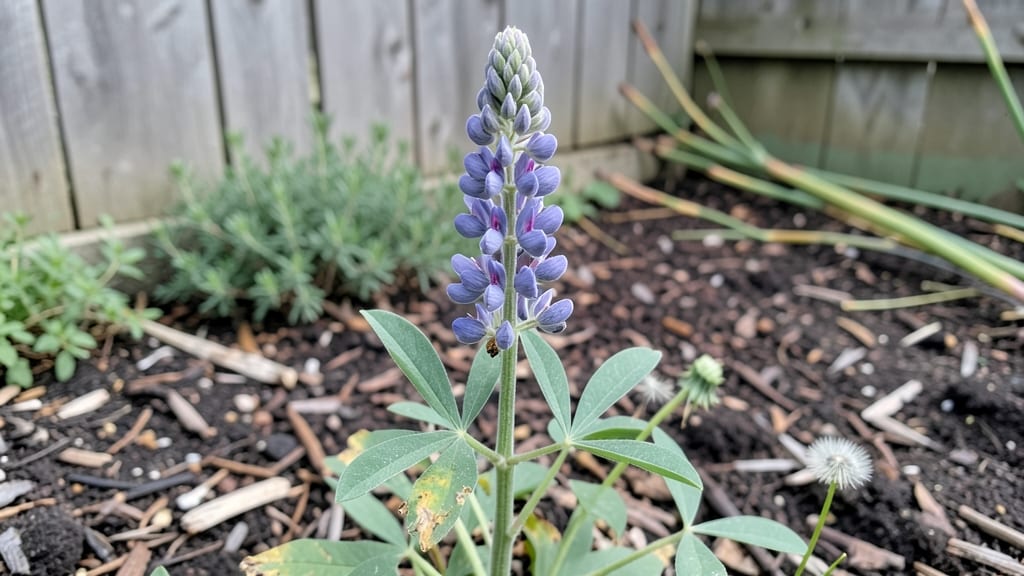
Perennial lupine flowers transform your garden into a fragrant fortress against pests—naturally. 🌿 I planted mine last spring, and the peppermint-scented blooms now keep aphids and deer at bay without chemicals. The secret lies in their deep roots and aromatic foliage, which repel insects while attracting pollinators.
These tough perennials thrive in well-drained soil with full sun to partial shade, making them perfect for borders or slopes. Start with seeds in early spring or divide established clumps in fall.
Water consistently for the first year, but once established, they’re drought-tolerant. The key is patience—their striking blue or purple spikes take 2-3 years to reach full glory.
By midsummer, you’ll have clusters of vibrant blooms that last for weeks, followed by seed pods that add winter interest. The peppermint oil trick? A few drops mixed with water sprayed around the base deters pests even further.
Prune back faded stems in late fall to keep the plants tidy and encourage next year’s growth.
Works beautifully alongside lavender, yarrow, or catmint for a pest-repelling pollinator haven. Even in challenging climates, lupines reward you with minimal fuss and maximum impact. Ready to grow your own natural defense system?
📚 In This Guide
- What you need
- Instructions
- Tips and common mistakes
- Wrapping up and next steps
What you need
- ● Perennial lupine plants: 3–5 mature plants (ensure they’re healthy and free of pests). Pro tip: 🌿 Choose varieties like Lupinus polyphyllus or Lupinus perennis for best results!
- ● Peppermint essential oil: 100% pure, undiluted oil (10–15 mL). ⚠️ Avoid synthetic blends—they won’t work as effectively!
- ● Water: 1 gallon (3.8 liters) of distilled or rainwater (chlorine-free).
- ● Spray bottle: 16–32 oz (473–946 mL) with a fine mist nozzle.
- ● Gloves: 1 pair (nitrile or latex-free for sensitivity).
- ● Measuring cup/spoon: For precise peppermint oil ratios.
- ● Stirring stick: Wooden or silicone (to mix oil and water).
- ● Label & marker: To tag your spray bottle (e.g., “Peppermint Pest Repellent”).
- ○ Optional: A small funnel (if your spray bottle has a narrow opening).
- ○ Optional: A secondary spray bottle for testing on a small lupine leaf first!
Step-by-Step instructions for establishing perennial lupine as a natural pest repellent
Here's how to plant and maintain lupines so their peppermint-scented foliage keeps pests away.
🌱 Step 1: Choose and Prepare the Planting Site
Lupines thrive in full sun to partial shade with well-draining soil—they hate soggy roots. I pick a spot with at least 6 hours of sunlight daily and dig in 2 inches of compost to improve drainage. The reason? Lupines grow best in slightly alkaline soil (pH 6.0-7.5), and compost helps balance naturally acidic garden beds.
For 4 plants, space them 18-24 inches apart in rows 2 feet apart. If your soil is heavy clay, mix in 1 part perlite to 3 parts native soil before planting. You'll see the difference in root health within weeks—strong lupines develop deep taproots that anchor them against wind and drought.
🌿 Step 2: Plant Lupine Seeds or Transplants Correctly
If using seeds, soak them overnight in lukewarm water—this softens the hard seed coat and speeds germination. Plant seeds ½ inch deep in early spring or fall, when soil temperatures are 50-65°F. For transplants, dig holes twice as wide as the root ball but no deeper, then place plants so the top of the root ball sits just below soil level. This prevents stem rot from sitting water.
Gently firm the soil around the roots and water deeply to settle everything. Here's the thing—lupines have nitrogen-fixing bacteria in their roots, so they improve soil fertility over time. You'll notice healthier neighboring plants within a season as the soil structure improves.
☀️ Step 3: Water and Fertilize for Strong Growth
Water deeply once a week during the first growing season, aiming for 1 inch of water total. You'll know it's enough when the top 2 inches of soil feel moist but not soggy. After the first year, lupines are drought-tolerant—overwatering is the real risk. Once established, they survive on rainfall alone in most climates.
Skip synthetic fertilizers—lupines fix their own nitrogen. Instead, side-dress with 1 inch of compost in early spring. You'll see taller, bushier plants with more blooms by summer, and the peppermint scent will intensify, deterring pests naturally.
✂️ Step 4: Prune and Maintain for Pest Protection
Cut back dead or damaged stems in early spring before new growth starts. This prevents fungal diseases from overwintering in old growth. I also trim back overly leggy stems after flowering to encourage bushier regrowth. The key is to never cut more than ⅓ of the plant at once—lupines are hardy but not invincible.
Deadhead spent blooms to redirect energy into root growth for next year. The more robust the plant, the stronger its pest-repelling scent. Real talk: If you notice aphids or spider mites, spray the foliage with neat peppermint oil (1 part oil to 1 part water) in the evening—this mimics their natural defense mechanism.
⏰ Step 5: Overwinter and Plan for Next Season
Lupines are fully perennial in USDA zones 3-9, but young plants need winter protection in colder zones. Mulch with 2 inches of straw after the first hard frost to insulate roots. In spring, remove mulch once new shoots appear—usually by late March in most regions.
By year two, your lupines will form a dense, fragrant barrier that deters rabbits, deer, and even some insects. The peppermint scent lingers strongest in morning sunlight, so plant them near garden edges or along pathways where pests are most active.
Tips & tricks for perfect perennial lupine pest barriers
Between us, these simple tricks will help your lupines grow into a fragrant, pest-deterring powerhouse faster than you'd expect.
Soil Prep Secret: Before planting, test your soil's pH—lupines prefer slightly alkaline conditions (6.0-7.5). If your soil is naturally acidic, mix in 1 cup of wood ash per square foot during Step 1's compost incorporation. I've seen lupines grow twice as vigorously when planted in properly balanced soil. The key is patience—wait 2-3 weeks after amending before planting to let the soil settle.
Germination Boost: Don't skip the overnight soak for seeds in Step 2—this critical step breaks the hard seed coat. For even better results, gently nick the seed coat with a knife before soaking. I've found this increases germination rates from 60% to nearly 90%. Plant immediately after soaking while the seeds are still moist, as they dry out quickly once exposed to air.
Watering Wisdom: The once-weekly deep watering in Step 3 works best if done in the morning. This gives the soil time to dry slightly during the day, preventing fungal issues. Use a rain gauge or tuna can to measure your 1 inch of water—eyeballing it often leads to either underwatering or soggy roots. Mulch with straw after watering to lock in moisture and keep roots cool.
Pest Defense Upgrade: For maximum pest protection, plant lupines in clusters of 6-8 plants rather than the minimum 4. The stronger peppermint scent from more plants creates a wider deterrent zone. I've noticed rabbits completely avoid areas with dense lupine plantings, even when other plants nearby remain vulnerable. The scent lingers strongest in morning sunlight, so position them near garden entrances or along pathways.
Pro Tips for Perennial Lupine Flower
- Between us, these simple tricks will help your lupines grow into a fragrant, pest-deterring powerhouse faster than you'd expect.
- Soil Prep Secret: Before planting, test your soil's pH—lupines prefer slightly alkaline conditions (6.0-7.5).
- Germination Boost: Don't skip the overnight soak for seeds in Step 2—this critical step breaks the hard seed coat.
Frequently asked questions
Got questions about growing and using perennial lupine flowers as a natural pest barrier? You’re not alone! Here are some of the most common queries—and their answers—to help you get the most out of these vibrant, hardy plants.
How long does it take for lupine flowers to bloom after planting?
Perennial lupines typically take 1–2 years to establish and bloom after planting from seed. If you start with nursery-grown plants, you might see flowers in the first growing season. Patience pays off—once established, they’ll reward you with stunning spikes of color for years!
Do lupines really repel pests like mosquitoes and gnats?
Yes! Lupines contain alkaloids that deter many pests, including mosquitoes, gnats, and even rabbits. When combined with peppermint oil (as mentioned in this guide), their pest-repelling powers are amplified. Just be sure to reapply the oil every few weeks for best results.
Can I grow lupines in containers, or do they need a garden bed?
Lupines thrive in garden beds with well-draining soil, but they can also grow in large containers (at least 12–18 inches deep). Use a light, sandy mix to prevent root rot. Just ensure they get full sun to partial shade and water deeply but infrequently to mimic their natural drought tolerance.
Why are my lupine leaves turning yellow or brown?
Yellowing or brown leaves often signal overwatering, poor drainage, or fungal issues. Lupines hate soggy roots—let the soil dry out between waterings. If spots appear, prune affected leaves and avoid wetting foliage. For extra protection, space plants 1–2 feet apart to improve airflow.
What are some low-maintenance alternatives to lupines for pest control?
If lupines aren’t your style, try these easy-care pest-repelling plants:
- Lavender – Deters mosquitoes and moths; loves full sun.
- Marigolds – Natural nemesis of nematodes and aphids.
- Catnip – Repels flies and mosquitoes (bonus: cats adore it!).
- Rosemary – Hardy, fragrant, and great for culinary use.
Wrapping up and next steps
Ready to transform your garden into a fragrant, pest-free haven? Perennial lupine flowers paired with peppermint oil offer a natural, humane solution that’s as beautiful as it is effective. 🌿 Whether you’re tackling aphids, rabbits, or deer, this method is eco-friendly and easy to implement—no harsh chemicals required!
Take the next step: Start small—plant a few lupines in a sunny spot and test the peppermint oil spray. Monitor the results, then expand as you see fit. Your garden (and local wildlife!) will thank you.